How to create a personalized detox plan – Embark on the journey of creating a personalized detox plan with our guide on tailoring wellness programs, incorporating herbal remedies, and optimizing various aspects of health for a holistic detox experience.
Explore the interconnected relationship between skin health, bone density, muscle mass, and other key elements to craft a detox plan that suits your unique needs and goals.
Wellness Programs
Wellness programs play a crucial role in a personalized detox plan as they focus on overall health and well-being, complementing the detoxification process by promoting healthy habits and lifestyle changes.
Examples of Wellness Programs
- Yoga and Meditation: These practices help reduce stress, improve mental clarity, and enhance relaxation, which can support the body’s detoxification process.
- Nutritional Counseling: Working with a nutritionist to create a balanced diet plan can ensure that your body is receiving the necessary nutrients for optimal detoxification.
- Fitness Classes: Engaging in regular physical activity helps boost circulation, metabolism, and overall energy levels, aiding in the elimination of toxins from the body.
- Mindfulness Workshops: Learning mindfulness techniques can help you develop a greater awareness of your body and mind, leading to healthier choices and habits.
Enhancing Detox Plan with Wellness Programs
Incorporating wellness programs into a detox plan can enhance its effectiveness by addressing various aspects of health simultaneously. These programs can help improve mental clarity, reduce stress, boost energy levels, and support the body’s natural detox processes. By adopting a holistic approach to health through wellness programs, individuals can experience a more comprehensive and sustainable detoxification journey.
Herbal Remedies
When it comes to detox plans, herbal remedies play a crucial role in supporting the body’s natural detoxification processes. These natural remedies can help cleanse the body of toxins, improve liver function, and boost overall health and well-being.
Key Herbal Remedies for Detoxification
- Milk Thistle: Known for its liver-protecting properties, milk thistle is a powerful herb that can aid in detoxifying the liver and promoting overall liver health.
- Dandelion Root: Dandelion root is a natural diuretic that can help flush out toxins from the kidneys and improve digestion, making it an excellent herb for detox programs.
- Nettle: Nettle is a nutrient-rich herb that supports the detoxification process by promoting kidney function and reducing inflammation in the body.
- Burdock Root: Burdock root is a blood purifier that can help eliminate toxins from the blood and improve skin health, making it a popular choice for detoxifying the body.
Benefits of Herbal Remedies vs. Synthetic Supplements
Herbal remedies offer a range of benefits over synthetic supplements when it comes to detox programs. Unlike synthetic supplements, herbal remedies are natural and gentler on the body, reducing the risk of side effects. Additionally, herbal remedies often contain a variety of nutrients and compounds that work synergistically to support detoxification and overall health.
They are also more easily absorbed by the body, making them more effective in promoting detoxification processes.
Skin Health
When it comes to detoxification, skin health plays a crucial role in eliminating toxins from the body. The skin is the body’s largest organ and serves as a barrier to protect against harmful substances. By improving skin health, you can enhance the body’s ability to eliminate toxins effectively.
Importance of Skincare in Detox Plan
Incorporating a skincare routine into your personalized detox plan can help support the body’s natural detoxification process. By taking care of your skin, you can promote better circulation, lymphatic drainage, and sweat production, all of which are essential for eliminating toxins.
- Choose natural and gentle skincare products to avoid introducing more toxins to your body.
- Stay hydrated by drinking plenty of water to keep your skin hydrated and facilitate toxin removal through sweat.
- Include dry brushing in your routine to stimulate lymphatic flow and exfoliate dead skin cells.
- Practice relaxation techniques like yoga or meditation to reduce stress, which can impact skin health.
Bone Density
The impact of detox plans on bone density is a crucial factor to consider when embarking on a detox program. Detoxification processes, especially those involving extreme dietary restrictions or fasting, can potentially affect bone health due to nutrient deficiencies or changes in metabolism.
It is essential to take proactive steps to maintain or improve bone density during a detox program to prevent any adverse effects on bone health.
Methods to Maintain or Improve Bone Density
- Adequate Calcium Intake: Ensure you are getting enough calcium through dietary sources or supplements to support bone strength and density.
- Vitamin D Supplementation: Vitamin D plays a vital role in calcium absorption and bone health, so consider supplementing if necessary.
- Regular Exercise: Engage in weight-bearing exercises such as walking, jogging, or strength training to promote bone density and strength.
- Limit Caffeine and Alcohol: Excessive consumption of caffeine and alcohol can negatively impact bone health, so moderation is key.
Specific Nutrients for Bone Health in Detoxification
- Calcium: Essential for bone strength and density, ensure adequate intake through dairy products, leafy greens, or supplements.
- Magnesium: Supports calcium absorption and bone formation, found in nuts, seeds, and whole grains.
- Vitamin K: Helps regulate calcium in the bones, found in leafy greens, broccoli, and Brussels sprouts.
- Omega-3 Fatty Acids: Reduce inflammation and support bone density, found in fatty fish, flaxseeds, and walnuts.
Muscle Mass
When embarking on a detox plan, it is important to consider its effects on muscle mass. Detoxification processes can sometimes lead to a decrease in muscle mass if not done correctly. However, there are ways to preserve muscle mass during detox and ensure that you are maintaining a healthy balance.To preserve muscle mass during detoxification, it is essential to engage in regular exercise routines that focus on strength training.
Incorporating exercises such as weightlifting, resistance band workouts, and bodyweight exercises can help stimulate muscle growth and prevent muscle loss during the detox process.Additionally, ensuring an adequate intake of protein is crucial for maintaining muscle mass while detoxing. Protein is the building block of muscle tissue, and consuming enough protein-rich foods such as lean meats, poultry, fish, eggs, dairy, legumes, and nuts can support muscle recovery and growth.
Importance of Protein Intake
Maintaining optimal protein intake is vital for preserving muscle mass during a detox program. Protein helps repair and build muscle tissue, especially when combined with regular strength training exercises. Aim to include protein sources in every meal and snack to support muscle health and prevent muscle loss during detoxification.
Dental Care
Maintaining good dental health is essential for overall well-being, and it is closely linked to detox plans. When undergoing a detox program, it is important to pay attention to oral hygiene to prevent any negative impacts on dental health.
Maintaining Oral Hygiene on a Detox Program
- Brush your teeth at least twice a day with a fluoride toothpaste to remove plaque and bacteria.
- Floss daily to clean between teeth and prevent gum disease.
- Use a tongue scraper to remove bacteria and freshen breath.
- Stay hydrated by drinking plenty of water to help flush out toxins and maintain saliva production.
- Avoid sugary and acidic foods and beverages that can harm tooth enamel.
Impact of Detoxification on Dental Health
Detoxification can have both positive and negative effects on dental health. On one hand, eliminating toxins from the body can improve overall health, including oral health. However, some detox programs may involve consuming acidic foods or drinks that can erode tooth enamel.
It is important to be mindful of the ingredients in detox plans and take steps to protect dental health during the process.
Eye Health
Detox plans play a crucial role in promoting eye health by removing toxins that can negatively impact vision and overall eye function. By incorporating specific nutrients and adopting healthy habits, a personalized detox plan can help support and maintain good eye health.
Nutrients for Eye Health During Detoxification
- Omega-3 fatty acids: Found in fish, flaxseeds, and walnuts, omega-3 fatty acids help reduce inflammation in the eyes and support overall eye health.
- Vitamin A: Essential for maintaining good vision, vitamin A can be obtained from foods like carrots, sweet potatoes, and spinach.
- Lutein and Zeaxanthin: These antioxidants are crucial for protecting the eyes from harmful UV rays and blue light. Leafy greens, eggs, and citrus fruits are good sources of these nutrients.
- Vitamin C: Known for its antioxidant properties, vitamin C helps reduce the risk of age-related eye conditions. Citrus fruits, bell peppers, and strawberries are rich in vitamin C.
Lifestyle Habits for Good Eye Health in a Personalized Detox Plan
- Stay hydrated: Drinking an adequate amount of water helps maintain eye moisture and prevent dry eyes during detoxification.
- Limit screen time: Excessive screen time can strain the eyes, so incorporating breaks and practicing the 20-20-20 rule (looking at something 20 feet away for 20 seconds every 20 minutes) can help reduce eye strain.
- Protect your eyes from UV rays: Wearing sunglasses with UV protection when outdoors can shield your eyes from harmful UV rays and reduce the risk of eye damage.
- Get enough sleep: Adequate sleep is crucial for eye health, as it allows the eyes to rest and recharge, promoting overall well-being and vision clarity.
Mental Clarity
Maintaining mental clarity is crucial for overall well-being, and detox plans can play a significant role in enhancing this aspect of health. By eliminating toxins from the body, detox programs can help reduce brain fog, improve focus, and boost cognitive function.
Mindfulness Techniques, How to create a personalized detox plan
- Practice deep breathing exercises to calm the mind and reduce stress levels.
- Engage in meditation to promote mental clarity and enhance concentration.
- Stay present in the moment by practicing mindfulness in daily activities.
- Avoid distractions such as excessive screen time to improve mental focus.
Impact on Overall Well-being
Detoxification not only cleanses the body but also has a profound impact on mental health. Improved mental clarity can lead to better decision-making, increased productivity, and a more positive outlook on life. By incorporating mindfulness techniques into a personalized detox plan, individuals can experience enhanced well-being and achieve optimal detoxification results.
Joint Flexibility
Detox plans can have a positive impact on joint flexibility by reducing inflammation and promoting the elimination of toxins that may contribute to joint stiffness.
Stretching Exercises
Regular stretching exercises can help improve joint flexibility during a detox program. Incorporating activities like yoga, Pilates, or simple stretching routines can help maintain range of motion and reduce the risk of injury.
- Try incorporating dynamic stretches like leg swings, arm circles, and torso twists to improve flexibility.
- Hold static stretches for 15-30 seconds to target specific muscle groups and increase joint mobility.
- Focus on areas of the body that are prone to stiffness, such as the hips, shoulders, and spine.
Role of Hydration
Proper hydration is essential for maintaining joint health while detoxing. Water helps lubricate the joints, cushioning them during movement and reducing friction that can lead to discomfort.
- Drink at least 8-10 glasses of water a day to stay hydrated and support joint function.
- Consider adding hydrating foods like cucumbers, watermelon, and leafy greens to your diet to boost moisture levels in the body.
- Avoid excessive consumption of dehydrating beverages like alcohol and caffeine, which can contribute to joint stiffness.
Digestive Health
When creating a personalized detox plan, focusing on digestive health is crucial to ensure the elimination of toxins and the overall wellness of the body.
Dietary Tips for Healthy Digestion During Detoxification
- Avoid processed foods and opt for whole, nutrient-dense foods such as fruits, vegetables, whole grains, and lean proteins.
- Stay hydrated by drinking plenty of water throughout the day to support digestion and flush out toxins.
- Incorporate fiber-rich foods like chia seeds, flaxseeds, and legumes to promote regular bowel movements and detoxification.
- Include fermented foods like kimchi, sauerkraut, and kefir to introduce beneficial bacteria to the gut and improve digestion.
Probiotics for Digestive Health in a Detox Program
Probiotics are beneficial bacteria that can help maintain a healthy balance in the gut microbiome, supporting digestion and overall health during a detox program. These live microorganisms can be consumed through supplements or fermented foods like yogurt, kombucha, and miso.
Detox Process
Creating a personalized detox plan involves several key steps to help cleanse your body and promote overall wellness. By following these steps, you can tailor a detox program that fits your individual needs and goals.
Different Detox Methods and Effectiveness
- One popular detox method is the juice cleanse, where you consume only freshly pressed juices for a set period of time. This method can be effective in eliminating toxins and providing essential nutrients to support detoxification.
- Another method is the elimination diet, which involves removing common allergens and inflammatory foods from your diet to give your digestive system a break and identify any food sensitivities.
- Herbal detox supplements are also available and can support the body’s natural detoxification processes by enhancing liver function and promoting the elimination of toxins.
Detox Recipes and Meal Plans
Here are a few examples of detox recipes and meal plans that you can incorporate into your customized detox program:
Detox Green Smoothie:Ingredients:
- 1 cup spinach
- 1/2 cucumber
- 1/2 avocado
- 1/2 lemon (juiced)
- 1 cup coconut water
- 1 tbsp chia seeds
Instructions:Blend all ingredients until smooth and enjoy as a refreshing detox drink.
Detox Salad:Ingredients:
- Mixed greens
- Sliced cucumber
- Cherry tomatoes
- Sliced radishes
- Avocado
- Lemon vinaigrette dressing
Instructions:Toss all ingredients together and drizzle with lemon vinaigrette for a nutrient-packed detox meal.
Blood Pressure
Detox plans can have a significant impact on blood pressure regulation. When the body undergoes detoxification, it helps in removing toxins and waste products that can contribute to high blood pressure. By eliminating these harmful substances, detox programs can potentially help in reducing blood pressure levels and improving overall cardiovascular health.
Lifestyle Changes for Managing Blood Pressure during Detox Programs
During a detox program, incorporating certain lifestyle changes can be beneficial in managing blood pressure effectively:
- Avoiding processed foods high in sodium, as excess salt intake can elevate blood pressure levels.
- Including more fruits and vegetables rich in potassium, which helps in regulating blood pressure.
- Engaging in regular physical activity to improve heart health and lower blood pressure.
- Practicing stress-reducing activities such as yoga or meditation to keep stress levels in check, which can impact blood pressure.
- Staying hydrated by drinking an adequate amount of water to support kidney function in regulating blood pressure.
Impact of Detoxification on Blood Pressure Levels
Detoxification processes can lead to a decrease in blood pressure levels due to the removal of toxins that may contribute to high blood pressure. By supporting the body’s natural detox mechanisms through healthy eating, hydration, and lifestyle changes, individuals undergoing a detox program may experience improvements in blood pressure regulation.
Heart Rate
Detox plans can have a significant impact on heart rate as the body goes through a process of eliminating toxins and restoring balance. It is essential to understand how detoxification can affect heart rate and what measures can be taken to regulate it effectively.
Exercises for Regulating Heart Rate
Regular physical activity plays a crucial role in maintaining a healthy heart rate during detoxification. Engaging in aerobic exercises such as brisk walking, cycling, or swimming can help improve cardiovascular health and regulate heart rate. Strength training exercises can also contribute to better heart function and overall well-being.
- Brisk walking: This low-impact exercise can help increase heart rate gradually and improve blood circulation.
- Cycling: Riding a bike is a great way to strengthen the heart muscle and maintain a steady heart rate.
- Swimming: This full-body workout not only boosts cardiovascular health but also helps in regulating heart rate effectively.
Stress Management for a Healthy Heart Rate
Stress management is vital in maintaining a healthy heart rate, especially during a detox program. High levels of stress can elevate heart rate and impact overall well-being. Incorporating relaxation techniques such as deep breathing exercises, meditation, or yoga can help reduce stress levels and promote a balanced heart rate.
Practicing mindfulness and staying active can play a crucial role in managing stress and maintaining a healthy heart rate.
Health Screenings: How To Create A Personalized Detox Plan
Before embarking on a detox plan, it is crucial to undergo health screenings to ensure that your body is ready for the process. These screenings help in identifying any underlying health issues that may impact the detoxification process.
Types of Health Screenings
- Blood tests: Checking for levels of key markers such as liver enzymes, kidney function, and cholesterol.
- Physical examination: Evaluating overall health, including vital signs and body measurements.
- Medical history review: Discussing past illnesses, medications, and lifestyle habits that could affect detox.
Importance of Health Screenings
Health screenings provide valuable insights into your current health status, allowing for a personalized detox plan to be created. Monitoring progress through regular screenings helps in adjusting the detox plan according to your body’s response.
Vaccination Programs
Vaccinations play a crucial role in supporting a personalized detox plan by boosting the immune system and protecting the body against harmful diseases. It is important to stay up to date on vaccinations during detoxification to ensure that the body is equipped to fight off any potential infections or illnesses that may arise during the process.
By incorporating vaccinations into a detox program, individuals can contribute to their overall health and wellness by strengthening their immune response and promoting a healthy body.
The Role of Vaccinations in Detox Plans
- Vaccinations help to bolster the immune system, which is essential during a detox program where the body may be more vulnerable to infections.
- By receiving vaccinations, individuals can prevent the contraction of vaccine-preventable diseases, reducing the risk of complications during detoxification.
- Staying up to date on vaccinations ensures that the body is prepared to handle any potential health threats that may arise, promoting a successful detox process.
Healthy Habits
Incorporating healthy habits into your detox plan is essential for long-term wellness. These habits not only support the detox process but also help maintain overall health and vitality. Here are some key healthy habits to consider:
List of Healthy Habits
- Stay hydrated by drinking plenty of water throughout the day.
- Eat a balanced diet rich in fruits, vegetables, whole grains, and lean proteins.
- Engage in regular physical activity to support detoxification and overall fitness.
- Practice stress-reducing techniques such as meditation, yoga, or deep breathing exercises.
- Get an adequate amount of sleep each night to support the body’s natural detox processes.
- Avoid processed foods, sugary beverages, and excessive alcohol consumption.
These healthy habits not only complement your detox plan but also contribute to your overall well-being. By incorporating these habits into your daily routine, you can experience sustained results and long-term wellness.
Maintaining Healthy Habits Post-Detox
After completing your detox plan, it’s important to continue practicing healthy habits to maintain the benefits you’ve achieved. Here are some tips to help you sustain your results:
- Set realistic goals and create a routine that includes healthy habits.
- Stay accountable by tracking your progress and making adjustments as needed.
- Find a support system or accountability partner to help you stay motivated.
- Reward yourself for sticking to your healthy habits and celebrate your successes.
- Listen to your body and make adjustments based on how you feel.
Balanced Hormones
Detox plans can have a significant impact on hormone balance in the body. When toxins are removed through the detoxification process, hormone levels can become more stable, leading to improved overall health and well-being.
Regulating Hormones through Diet and Lifestyle Changes
During detoxification, making dietary and lifestyle changes can play a crucial role in regulating hormones. Consuming whole, nutrient-dense foods and staying hydrated can support the body’s natural detox processes and hormone balance. Additionally, reducing stress levels through practices like meditation or yoga can help regulate cortisol levels, a key hormone involved in stress response.
Natural Remedies for Balanced Hormones
- Include foods rich in omega-3 fatty acids, such as salmon or flaxseeds, to support hormone production.
- Herbal supplements like ashwagandha or maca root can help balance hormones and reduce symptoms of hormonal imbalances.
- Regular exercise, such as strength training or yoga, can promote hormone balance and overall well-being.
Health Coaching
Health coaching plays a crucial role in a personalized detox plan by providing individuals with the guidance, support, and motivation needed to successfully navigate the detox process.
Working with a health coach during detoxification can offer numerous benefits, such as personalized strategies tailored to individual needs, accountability in sticking to the detox plan, and continuous support throughout the journey.
Benefits of Health Coaching in Detoxification
- Personalized Guidance: Health coaches can create a customized detox plan based on individual health goals, preferences, and challenges.
- Accountability: Regular check-ins and support from a health coach can help individuals stay on track and committed to their detox goals.
- Motivation: Health coaches provide encouragement, motivation, and positive reinforcement to help individuals overcome obstacles and stay focused on their detox journey.
- Educational Support: Health coaches offer valuable information on nutrition, lifestyle changes, and holistic practices to enhance the detox process.
Fitness Goals
Setting and tracking fitness goals within a detox plan is crucial for overall health and well-being. By incorporating specific exercises and workouts aligned with detoxification objectives, individuals can enhance the cleansing process and achieve optimal results. It is important to adapt fitness goals as part of a holistic detox program to ensure a comprehensive approach to improving physical fitness and detoxing the body.
Exercises for Detoxification
- Cardiovascular exercises such as running, swimming, or cycling help increase blood circulation and promote sweating, aiding in the elimination of toxins through the skin.
- Strength training exercises like weightlifting or bodyweight exercises can help build muscle mass, which in turn boosts metabolism and supports detoxification processes.
- Yoga and Pilates are excellent for improving flexibility, strengthening core muscles, and reducing stress, all of which contribute to detoxing the body and enhancing overall well-being.
Importance of Adapting Fitness Goals
- As the body detoxifies and undergoes changes, it is essential to adjust fitness goals to accommodate these transformations and prevent plateaus in progress.
- Adapting fitness goals within a detox plan ensures that individuals continue to challenge themselves physically, leading to continuous improvements in health and fitness levels.
- By regularly reassessing and modifying fitness goals, individuals can maintain motivation, track their progress effectively, and achieve sustainable results in their detox journey.
Diet Planning
Creating a balanced diet plan is crucial for a successful detox program. A well-designed diet can support the body’s natural detoxification processes and help eliminate toxins effectively. Here are some tips to help you plan a nutritious detox diet:
Role of Macronutrients and Micronutrients
- Macronutrients, such as carbohydrates, proteins, and fats, provide the body with energy and are essential for overall health. Ensure you include a good balance of these macronutrients in your detox diet.
- Micronutrients, including vitamins and minerals, play a vital role in supporting various bodily functions and detoxification pathways. Make sure your diet is rich in micronutrient-dense foods like fruits, vegetables, nuts, and seeds.
- Include a variety of colorful fruits and vegetables to ensure you are getting a wide range of vitamins, minerals, and antioxidants to support detoxification.
- Stay hydrated by drinking plenty of water throughout the day to help flush out toxins and support the body’s natural detox processes.
Health Supplements
When creating a personalized detox plan, health supplements can play a crucial role in supporting the body’s natural detoxification processes. These supplements can provide essential nutrients that may be lacking in your diet and help enhance the overall effectiveness of your detox program.
Benefits of Health Supplements in Detox
- Supplements can help fill in any nutritional gaps that may exist in your diet, ensuring your body has all the necessary nutrients for optimal detoxification.
- Certain supplements, such as milk thistle or turmeric, have been shown to support liver function, which is key to the body’s detox process.
- Antioxidant supplements like vitamin C or E can help neutralize harmful free radicals in the body, aiding in the detoxification process.
Potential Risks of Health Supplements in Detox
- It is important to be cautious when incorporating supplements into your detox plan, as taking too many or the wrong type of supplements can have adverse effects on your health.
- Some supplements may interact with medications or have contraindications for certain medical conditions, so it’s essential to consult with a healthcare provider before starting any new supplement regimen.
- Low-quality supplements may contain harmful additives or contaminants, so choosing high-quality, reputable brands is crucial to ensure safety and efficacy.
Choosing High-Quality Supplements for Detox
- Look for supplements that have been third-party tested for purity and potency to ensure you are getting a safe and effective product.
- Check for certifications from reputable organizations like NSF International or USP to guarantee the quality and purity of the supplement.
- Read reviews and do research on the brand and product to ensure they have a good reputation and track record of producing high-quality supplements.
Breathing Techniques
Breathing techniques play a vital role in detox plans as they help in eliminating toxins from the body and promoting overall well-being. Proper breathing can aid in relaxation, reduce stress, and improve circulation, which are essential for effective detoxification.
Different Breathing Exercises for Detoxification
- Belly Breathing: Inhale deeply through your nose, expanding your belly, then exhale slowly through your mouth, pulling your belly in towards your spine. Repeat this for a few minutes to promote relaxation and detoxification.
- Alternate Nostril Breathing: Close one nostril with your thumb, inhale through the other nostril, then close that nostril with your ring finger and exhale through the opposite nostril. This practice can help balance energy flow and detoxify the body.
- Deep Breathing: Take slow, deep breaths, focusing on filling your lungs with air and exhaling completely. Deep breathing can help oxygenate the blood and improve the body’s detox processes.
Mindful Breathing for Relaxation and Detox Outcomes
- Practice Mindful Breathing: Focus on your breath, observing the inhale and exhale without judgment. Mindful breathing can reduce stress, promote relaxation, and enhance detox outcomes by calming the mind and body.
- Combine Breathing with Meditation: Incorporating breathing exercises into meditation practices can further improve relaxation, mental clarity, and detoxification. Mindful breathing during meditation can enhance focus and promote overall well-being.
- Use Breathing Techniques Throughout the Day: Incorporate breathing exercises into your daily routine to support detoxification and relaxation. Practice mindful breathing whenever you feel stressed or overwhelmed to aid in toxin elimination and promote a sense of calm.
Disease Prevention
Detox plans play a crucial role in disease prevention by helping to eliminate toxins from the body and improve overall health. By incorporating detox practices into your routine, you can reduce the risk of chronic diseases and maintain a healthier lifestyle.
Benefits of Detox for Disease Prevention
- Detoxification helps to boost the immune system, making the body more resilient to infections and diseases.
- Removing toxins through detox can reduce inflammation in the body, which is a common factor in many chronic diseases.
- Detox plans often involve dietary changes that promote better nutrient absorption, supporting overall health and disease prevention.
Lifestyle Changes for Disease Prevention
- Regular exercise and physical activity can help prevent diseases such as heart disease, diabetes, and obesity.
- Eating a balanced diet rich in fruits, vegetables, whole grains, and lean proteins can reduce the risk of developing chronic conditions.
- Adequate hydration, proper sleep, and stress management techniques are essential for overall health and disease prevention.
Detox Practices for Disease Prevention
- Drinking plenty of water throughout the day helps to flush out toxins and keep the body hydrated, supporting detoxification processes.
- Incorporating antioxidant-rich foods like berries, green tea, and dark leafy greens can help protect cells from damage and reduce the risk of diseases.
- Practicing mindfulness through meditation, yoga, or deep breathing exercises can reduce stress levels and promote overall well-being, contributing to disease prevention.
Pain Management
Chronic pain can significantly impact a person’s quality of life, making everyday tasks challenging and affecting overall well-being. When it comes to managing pain, detox plans play a crucial role in addressing the root causes of inflammation and toxicity in the body.
By eliminating harmful substances and promoting the body’s natural healing processes, detox programs can help reduce pain symptoms and improve overall health.
Role of Detox Plans in Managing Chronic Pain
Detox plans focus on cleansing the body of toxins that can contribute to inflammation and pain. By removing these harmful substances through various methods such as diet modifications, herbal remedies, and lifestyle changes, detox programs can help reduce the body’s overall toxic burden.
This, in turn, can lead to a decrease in inflammation, which is often a major contributor to chronic pain conditions.
- Detox programs help reduce inflammation: By eliminating toxins that contribute to inflammation, detox plans can help alleviate pain associated with conditions such as arthritis, fibromyalgia, and autoimmune disorders.
- Promote natural pain relief: Detox programs often include natural pain relief methods such as herbal supplements, acupuncture, and massage therapy, which can complement traditional pain management strategies.
- Improve overall quality of life: By addressing the underlying causes of pain and promoting overall health and wellness, detox plans can lead to improved quality of life for individuals living with chronic pain.
Natural Pain Relief Methods
Natural pain relief methods can be an effective complement to a detox program, providing relief from pain symptoms without the side effects of conventional pain medications. These methods focus on promoting the body’s natural healing mechanisms and reducing inflammation to alleviate pain.
- Herbal remedies: Herbs such as turmeric, ginger, and boswellia have anti-inflammatory properties that can help reduce pain and inflammation in the body.
- Acupuncture: Acupuncture is a traditional Chinese medicine practice that involves inserting thin needles into specific points on the body to relieve pain and promote healing.
- Massage therapy: Massage therapy can help relax muscles, improve circulation, and reduce pain by releasing tension and promoting relaxation.
Detoxification for Pain Relief
Detoxification can play a key role in improving pain symptoms by reducing inflammation, eliminating toxins, and supporting the body’s natural healing processes. By incorporating detox strategies into a pain management plan, individuals can experience relief from chronic pain and improve their overall quality of life.
- Reduce inflammation: Detox programs can help reduce inflammation in the body, which is a common cause of pain in conditions such as arthritis, migraines, and inflammatory bowel disease.
- Eliminate toxins: By removing toxins from the body through methods such as dietary changes, herbal supplements, and detox baths, individuals can reduce the toxic burden on their organs and tissues, leading to decreased pain levels.
- Promote healing: Detoxification supports the body’s natural healing processes, allowing damaged tissues to repair and regenerate, which can help alleviate pain and improve overall function.
Holistic Treatments
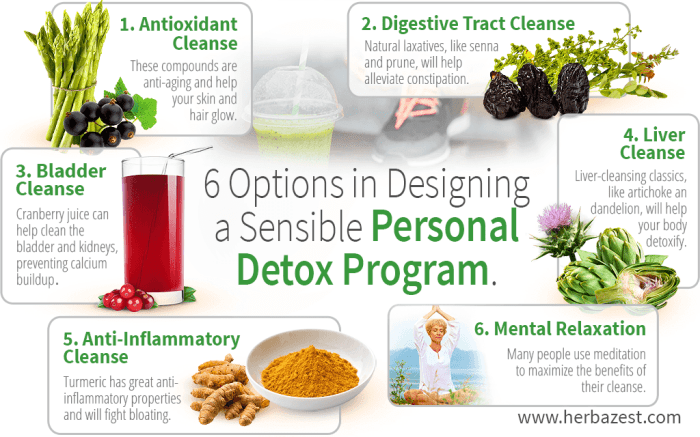
Holistic treatments play a significant role in supporting a personalized detox plan by addressing the body, mind, and spirit. These approaches focus on treating the whole person rather than just the symptoms, promoting overall well-being and balance.
Benefits of Holistic Approaches in Detoxification
- Encourage relaxation and stress reduction, which aids in the detox process by promoting a state of calm and reducing the body’s toxic load.
- Promote emotional healing and mental clarity, helping individuals address underlying emotional issues that may contribute to toxic build-up.
- Support the body’s natural detoxification pathways through practices like acupuncture, massage therapy, and lymphatic drainage.
- Improve energy levels and vitality, allowing individuals to feel more rejuvenated and energized throughout the detox program.
Examples of Holistic Therapies for Detoxification
- Acupuncture: Stimulates specific points on the body to promote detoxification and balance energy flow.
- Yoga: Combines physical postures, breathing techniques, and meditation to support detoxification and stress relief.
- Meditation: Helps quiet the mind, reduce stress, and promote mental clarity during the detox process.
- Herbal remedies: Utilize natural herbs and supplements to support the body’s detoxification pathways and overall health.
Mental Resilience
Maintaining mental resilience is crucial when embarking on a detox plan. It helps individuals navigate challenges, setbacks, and temptations that may arise during the detoxification process. Building mental resilience can significantly impact one’s ability to stay committed to their goals and achieve long-lasting results.
Strategies for Building Mental Resilience During Detoxification
- Practice mindfulness and meditation to stay present and focused on the journey.
- Engage in regular physical activity to boost mood and reduce stress.
- Establish a strong support system of friends, family, or a health coach to provide encouragement and accountability.
- Set realistic goals and celebrate small victories along the way to boost confidence.
- Practice positive self-talk and challenge negative thoughts that may derail progress.
Importance of Cultivating Mental Resilience
Maintaining mental resilience is essential for individuals to overcome obstacles, setbacks, and temptations that may arise during the detox process. It helps in building emotional strength, enhancing coping mechanisms, and fostering a positive mindset. By cultivating mental resilience, individuals can stay focused, motivated, and committed to their detox goals, leading to improved overall well-being and long-term success.
Closing Summary
As you navigate the realm of personalized detox plans, remember that prioritizing your well-being through a holistic approach is key to achieving long-lasting health benefits and a rejuvenated sense of vitality.
Frequently Asked Questions
How can wellness programs enhance the effectiveness of a detox plan?
Wellness programs can provide additional support through activities like yoga, meditation, and stress management techniques, which complement the detox process by promoting overall well-being.
What role do herbal remedies play in detox plans?
Herbal remedies can aid in detoxification by supporting liver function, promoting digestion, and providing antioxidant properties that assist the body in eliminating toxins naturally.
How does dental care relate to detox plans?
Maintaining oral hygiene during a detox program is crucial as it prevents the buildup of harmful bacteria and toxins in the mouth, contributing to overall detoxification and health.
Why is mental clarity important in a detox plan?
Mental clarity is vital as it allows individuals to stay focused on their detox goals, make informed decisions about their health, and experience a sense of clarity and purpose throughout the process.
What are some dietary tips to promote healthy digestion during detoxification?
Eating fiber-rich foods, staying hydrated, and incorporating probiotic-rich foods can help maintain a healthy digestive system during a detox program, supporting the body’s natural detox processes.