Benefits of herbal remedies for managing pain: The Natural Solution for Pain Relief

Benefits of herbal remedies for managing pain

Benefits of herbal remedies for managing pain sets the stage for this enthralling narrative, offering readers a glimpse into a story that is rich in detail and brimming with originality from the outset. Herbal remedies have long been used to alleviate pain and discomfort, providing a natural alternative to traditional medication.

In this comprehensive guide, we delve into the world of herbal remedies and their profound impact on managing pain effectively.

As we explore the benefits of herbal remedies in pain management, we uncover the synergistic relationship between nature’s healing powers and our quest for holistic well-being. From ancient traditions to modern practices, herbal remedies continue to offer a ray of hope for those seeking relief from various types of pain.

Wellness Programs

Wellness programs play a crucial role in promoting overall health by focusing on preventive measures, healthy lifestyle choices, and holistic well-being.

Examples of Wellness Programs Incorporating Herbal Remedies

  • Yoga Retreats: Many wellness programs, such as yoga retreats, incorporate the use of herbal remedies like turmeric or ginger for managing pain and inflammation. These programs combine physical activity, mindfulness practices, and herbal treatments for a comprehensive approach to well-being.

  • Naturopathic Clinics: Naturopathic wellness programs often include herbal remedies such as arnica or lavender for pain relief. These clinics offer personalized treatment plans that combine herbal medicine, nutrition, and lifestyle modifications to address the root causes of pain.

Benefits of Combining Herbal Remedies with Wellness Activities

Combining herbal remedies with other wellness activities provides a holistic approach to well-being, addressing both the physical and mental aspects of pain management.

  • Enhanced Pain Relief: Herbal remedies can complement traditional wellness activities like yoga, meditation, or massage therapy to enhance pain relief and promote relaxation.
  • Reduced Dependence on Medications: Integrating herbal remedies into wellness programs can help reduce the reliance on pharmaceutical medications for pain management, minimizing potential side effects and long-term risks.
  • Improved Quality of Life: By incorporating herbal remedies into wellness activities, individuals can experience improved overall health, increased energy levels, and a better quality of life, leading to a more balanced and fulfilling lifestyle.

Herbal Remedies

Herbal remedies have been used for centuries to manage pain and promote overall wellness. These natural alternatives offer a variety of benefits without the side effects often associated with pharmaceutical options.

Common Herbal Remedies

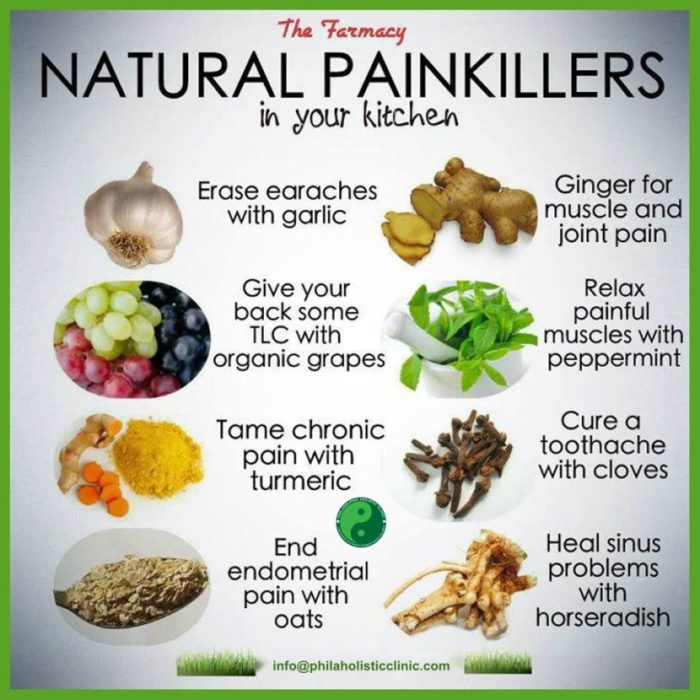
  • Arnica: Known for its anti-inflammatory properties, arnica is commonly used topically to reduce pain and swelling.
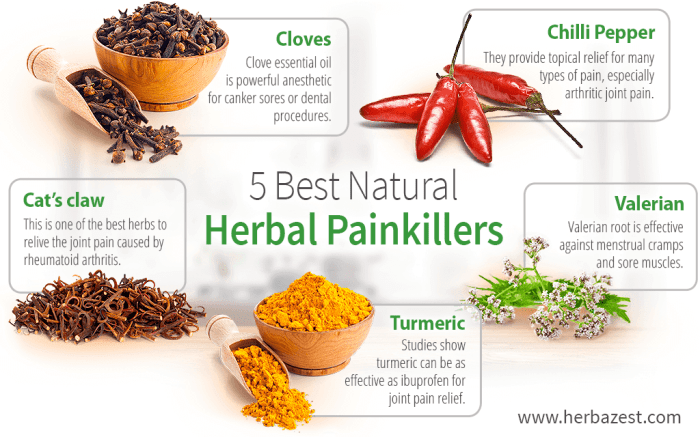
  • Turmeric: Contains curcumin, a compound with powerful anti-inflammatory effects that can help alleviate pain.
  • Chamomile: Often used in teas or essential oils, chamomile can help relax muscles and relieve tension-related pain.
  • Devil’s Claw: Native to Africa, devil’s claw is known for its pain-relieving properties, particularly for arthritis and back pain.

Mechanisms of Action

Herbal remedies work through various mechanisms to alleviate pain. For example, some herbs have anti-inflammatory properties that can reduce swelling and discomfort. Others may act on the central nervous system to block pain signals or promote relaxation, leading to pain relief.

Effectiveness Compared to Pharmaceuticals

While pharmaceutical pain management options can provide quick and potent relief, they often come with side effects and risks. Herbal remedies, on the other hand, are generally considered safer and have fewer adverse effects. However, the effectiveness of herbal remedies may vary from person to person, and it may take longer to experience noticeable results compared to pharmaceuticals.

Skin Health

Maintaining healthy skin is essential for overall well-being. Herbal remedies play a significant role in promoting skin health by providing nourishment, hydration, and relief from various skin conditions.Exposure to environmental factors, stress, and aging can impact skin health, leading to dryness, irritation, and inflammation.

Herbal remedies offer natural solutions to address these concerns, supporting the skin’s ability to regenerate and heal.

Herbs for Skin Health and Pain Relief

  • Aloe Vera: Known for its soothing and moisturizing properties, aloe vera helps to hydrate the skin and reduce inflammation, providing relief from pain and discomfort.
  • Calendula: With anti-inflammatory and antiseptic properties, calendula promotes healing of wounds, cuts, and other skin irritations, alleviating pain and promoting skin health.
  • Lavender: Lavender essential oil is renowned for its calming and healing effects on the skin, reducing pain, redness, and inflammation while promoting relaxation.

Importance of Skin Health in Overall Well-being

Skin health is not just about appearance but also plays a crucial role in maintaining overall well-being. The skin serves as a protective barrier against harmful pathogens and environmental stressors, making it essential to keep it healthy and nourished.

Bone Density

Maintaining healthy bone density is essential for overall health and mobility. Herbal remedies can play a significant role in improving bone density and reducing pain associated with bone-related conditions.

Herbs for Improving Bone Density

  • Nettle: Rich in calcium, magnesium, and silica, nettle is known for promoting bone health and density.
  • Horsetail: Contains silica, which is crucial for bone strength and density.
  • Red Clover: Helps in maintaining bone density and can reduce inflammation and pain.

Importance of Bone Density for Health

Maintaining optimal bone density is crucial for preventing fractures, osteoporosis, and other bone-related issues. Strong bones are essential for supporting the body’s structure and overall mobility.

Muscle Mass

Herbal remedies play a crucial role in supporting muscle health and reducing pain. Muscle mass is essential for overall strength and mobility, making it a key aspect of wellness and pain management.

Herbal Remedies for Promoting Muscle Mass and Strength

  • Ashwagandha: Known for its ability to increase muscle mass and strength, ashwagandha is a powerful herb that can help support overall muscle health.
  • Ginseng: Ginseng is another herbal remedy that has been linked to improved muscle performance and strength, making it a popular choice for those looking to enhance their muscle mass.
  • Turmeric: With its anti-inflammatory properties, turmeric can help reduce muscle pain and inflammation, supporting muscle recovery and growth.

Significance of Muscle Health in Pain Management and Overall Wellness

Muscle health is vital for pain management as strong muscles can help support and protect joints, reducing the risk of injuries and chronic pain. Additionally, maintaining muscle mass can improve overall mobility, balance, and functionality, contributing to a higher quality of life.

By incorporating herbal remedies that promote muscle mass and strength, individuals can enhance their physical well-being and manage pain more effectively.

Dental Care

Herbal remedies can play a significant role in managing dental pain, providing natural alternatives to conventional treatments.

Specific Herbs for Oral Health

  • Peppermint: Known for its antibacterial properties, peppermint can help reduce inflammation and pain in the gums.
  • Cloves: Clove oil is commonly used for toothaches due to its analgesic and anti-inflammatory effects.
  • Tea Tree Oil: This powerful antibacterial agent can help fight off bacteria that cause gum disease and tooth decay.

Importance of Dental Care

Proper dental care is essential for overall well-being as it can prevent a range of health issues beyond just toothaches. Poor oral health has been linked to cardiovascular disease, diabetes, and other systemic conditions.

Eye Health

Maintaining good eye health is crucial for overall wellness, and herbal remedies can play a significant role in supporting eye health and managing eye pain. These natural remedies can provide relief from common eye issues and contribute to better vision.

Herbs for Good Vision

  • Bilberry: Known for its antioxidant properties, bilberry can help improve night vision and overall eye health.
  • Eyebright: This herb is often used to relieve eye strain and irritation, promoting clearer vision.
  • Ginkgo Biloba: Ginkgo biloba may enhance blood flow to the eyes, reducing the risk of age-related macular degeneration.
  • Calendula: Calendula is beneficial for soothing eye inflammation and reducing discomfort.

Connection Between Eye Health, Pain Management, and Holistic Wellness

Herbal remedies for eye health not only address specific eye concerns but also contribute to holistic wellness. By supporting eye health, these remedies can help reduce eye pain and discomfort, improving overall quality of life. Taking care of your eyes through natural means can have a positive impact on your physical and emotional well-being.

Mental Clarity

Herbal remedies have long been utilized to enhance mental clarity and cognitive function. These natural solutions not only support brain health but also play a crucial role in managing pain and overall well-being.

Herbal Remedies for Cognitive Benefits and Pain Management

  • Ginkgo Biloba: Known for its ability to improve memory, concentration, and overall cognitive function. It also has anti-inflammatory properties that can help reduce pain perception.
  • Turmeric: Contains curcumin, a powerful antioxidant that can enhance brain function and alleviate symptoms of depression. It also has anti-inflammatory effects that may aid in pain management.
  • Bacopa Monnieri: This herb is used to enhance memory, focus, and overall cognitive function. It may also help reduce stress and anxiety, leading to improved mental clarity.

These herbal remedies not only boost cognitive function but also have pain-relieving properties that can positively impact overall well-being. By incorporating these natural solutions into your wellness routine, you can experience improved mental clarity, reduced pain perception, and enhanced cognitive abilities.

Joint Flexibility

Maintaining joint flexibility is crucial for overall mobility and pain management. Herbal remedies play a significant role in improving joint flexibility and reducing pain associated with joint issues.

Effective Herbs for Promoting Joint Health

  • Turmeric: Known for its anti-inflammatory properties, turmeric can help reduce joint pain and stiffness.
  • Ginger: Ginger has been shown to reduce inflammation and alleviate symptoms of arthritis.
  • Boswellia: This herb can help improve blood flow to joints and reduce inflammation.

Importance of Maintaining Joint Flexibility, Benefits of herbal remedies for managing pain

Joint flexibility is essential for performing daily activities with ease and preventing injuries. By incorporating herbal remedies that promote joint health, individuals can enhance their overall mobility and reduce discomfort associated with joint pain.

Digestive Health

Digestive health plays a crucial role in our overall wellness and can significantly impact our perception of pain. Herbal remedies have been found to not only manage pain effectively but also promote a healthy digestive system.

Herbs for Digestive Health and Pain Management

  • Peppermint: Known for its soothing properties, peppermint can help relieve digestive discomfort and reduce pain associated with conditions like gas and bloating.
  • Ginger: A powerful anti-inflammatory herb, ginger can aid in digestion, reduce nausea, and alleviate pain in the digestive tract.
  • Turmeric: With its anti-inflammatory and antioxidant properties, turmeric can help reduce pain and inflammation in the digestive system while promoting overall gut health.
  • Chamomile: Often used to calm the stomach and relieve digestive issues, chamomile can also help reduce pain and discomfort.

Significance of Digestive Health in Pain Perception

Maintaining a healthy digestive system is essential for managing pain effectively. When our digestive system is functioning optimally, it can help reduce inflammation, improve nutrient absorption, and support overall wellness. A healthy gut can also positively impact our pain perception, as conditions like irritable bowel syndrome (IBS) or dyspepsia can exacerbate pain symptoms.

By incorporating herbal remedies that support digestive health into our pain management regimen, we can experience relief from pain and improve our overall well-being.

Detox Process

Herbal remedies play a crucial role in supporting the body’s detoxification process, which helps eliminate toxins and waste products, ultimately reducing inflammation and alleviating pain. Detoxification is essential for overall health and well-being, as it allows the body to function optimally and maintain a balanced state.

Specific Herbs for Detoxification

  • Dandelion: Known for its diuretic properties, dandelion helps the liver detoxify by increasing urine production and promoting the elimination of toxins.
  • Milk Thistle: This herb supports liver function and aids in the detoxification process by protecting liver cells from damage and promoting the regeneration of new cells.
  • Burdock Root: Burdock root is rich in antioxidants and has anti-inflammatory properties that help eliminate toxins from the blood and improve overall detoxification.
  • Nettle: Nettle is a natural diuretic that supports kidney function, helping to flush out toxins and waste products from the body.

Importance of Detoxification

Detoxification is crucial for maintaining optimal health as it supports the body’s natural ability to eliminate harmful substances and waste products. By reducing the toxic burden on organs such as the liver, kidneys, and colon, detoxification can improve overall health, boost immunity, and alleviate pain and inflammation.

Incorporating herbal remedies known for their detoxifying properties can enhance the body’s detox process and promote overall well-being.

Blood Pressure

Herbal remedies can play a significant role in managing blood pressure and reducing associated pain. By incorporating certain herbs into your daily routine, you can help regulate your blood pressure levels naturally, promoting overall wellness.

Examples of Herbs for Regulating Blood Pressure

  • Garlic: Known for its ability to help lower blood pressure levels.
  • Hawthorn: Supports healthy blood pressure and cardiovascular function.
  • Hibiscus: Contains properties that can help lower high blood pressure.
  • Olive leaf: May contribute to reducing blood pressure and improving heart health.

Importance of Healthy Blood Pressure for Overall Wellness

Maintaining healthy blood pressure is crucial for overall wellness as it reduces the risk of heart disease, stroke, and other related health issues. By incorporating herbal remedies that support blood pressure regulation, you can enhance your well-being and lead a healthier life.

Heart Rate

Herbal remedies play a significant role in influencing heart rate and can contribute to the management of pain by regulating blood flow and reducing stress on the cardiovascular system.

Herbs for Heart Health

  • Ginger: Known for its anti-inflammatory properties, ginger can help improve blood circulation and lower heart rate.
  • Hawthorn: Used to support heart health, hawthorn can help regulate heart rate and strengthen cardiovascular function.
  • Ginkgo Biloba: Improves blood flow to the heart and brain, enhancing overall cardiovascular health and reducing heart rate.

Connection between Heart Rate and Pain Perception

Heart rate is closely linked to pain perception and overall well-being. When heart rate is elevated due to stress or physical exertion, pain perception can increase, leading to discomfort and reduced quality of life. By using herbal remedies to regulate heart rate, individuals can effectively manage pain and improve their overall health.

Health Screenings
Benefits of herbal remedies for managing pain

Health screenings play a crucial role in identifying pain-related issues before they escalate into more serious health concerns. These screenings involve various tests and assessments to detect potential problems early on.

Role of Health Screenings in Identifying Pain-Related Issues

Health screenings help in early detection of conditions such as arthritis, osteoporosis, or muscle injuries that could be causing pain. By identifying these issues promptly, individuals can seek appropriate treatment and prevent further complications.

Complementing Health Screenings with Herbal Remedies

  • Herbal remedies can complement health screenings by providing natural alternatives for pain management. They can help reduce inflammation, alleviate discomfort, and support the body’s healing process.
  • Integrating herbal remedies with traditional medical interventions based on health screening results can offer a holistic approach to managing pain and promoting overall well-being.

Importance of Regular Health Screenings

  • Regular health screenings are essential for maintaining overall wellness as they enable early detection of potential health issues, including those related to pain.
  • By staying proactive with health screenings, individuals can take preventive measures, make necessary lifestyle adjustments, and seek timely medical intervention to address any pain-related concerns.

Vaccination Programs

Vaccination programs play a crucial role in preventing pain-related illnesses by boosting the body’s immune response to various diseases. They help protect individuals from infections and reduce the severity of symptoms if they do contract a disease.

Herbal Remedies Support for Vaccination Effectiveness

Herbal remedies can complement vaccination programs by supporting the immune system and enhancing the effectiveness of vaccines. Certain herbs contain immune-boosting properties that can help the body mount a stronger response to the antigens present in vaccines.

  • Echinacea:Known for its immune-stimulating properties, Echinacea can help enhance the body’s response to vaccines by activating immune cells.
  • Ginger:Ginger has anti-inflammatory and antioxidant effects that can support the immune system and improve vaccine efficacy.
  • Ginseng:Ginseng is believed to enhance the immune response to vaccines and promote overall immune function.

Healthy Habits

Healthy habits play a crucial role in managing pain and promoting overall well-being. By incorporating herbal remedies into these habits, you can enhance their benefits and support optimal wellness.

Regular Exercise

Engaging in regular physical activity is a healthy habit that can help reduce pain and improve overall health. Herbal remedies such as turmeric or ginger can be used to alleviate exercise-induced inflammation and promote faster recovery.

Proper Nutrition

Eating a balanced diet rich in fruits, vegetables, and whole grains is essential for managing pain and supporting overall well-being. Herbal supplements like fish oil or green tea extract can complement a healthy diet and provide additional anti-inflammatory benefits.

Adequate Sleep

Getting enough restful sleep is crucial for pain management and overall health. Herbal teas like chamomile or valerian root can promote relaxation and improve sleep quality, enhancing the body’s ability to heal and recover.

Stress Management

Reducing stress through techniques like meditation, yoga, or deep breathing exercises can help alleviate pain and improve overall well-being. Herbal remedies such as lavender or passionflower can further enhance relaxation and stress relief.

Hydration

Staying hydrated is important for maintaining proper bodily functions and reducing pain. Herbal infusions like peppermint or hibiscus tea can not only provide hydration but also offer additional health benefits such as anti-inflammatory properties.

Balanced Hormones

Maintaining balanced hormones is crucial for overall health and well-being. Herbal remedies have been used for centuries to help regulate hormones and alleviate pain associated with hormonal imbalances.

Herbs for Hormone Regulation

  • Ashwagandha: Known for its adaptogenic properties, ashwagandha helps reduce cortisol levels and balance hormones in the body.
  • Maca Root: Maca root is a natural remedy that can help regulate estrogen levels and promote hormonal balance.
  • Black Cohosh: This herb is commonly used to alleviate symptoms of menopause by balancing estrogen levels in the body.

Connection between Balanced Hormones and Pain Management

Hormonal imbalances can lead to chronic pain conditions such as menstrual cramps, migraines, and joint pain. By using herbal remedies to regulate hormones, individuals may experience a reduction in pain symptoms associated with hormonal fluctuations.

Overall Health Benefits of Balanced Hormones

Having balanced hormones not only helps manage pain but also improves mood, energy levels, and overall quality of life. Hormone regulation plays a key role in various bodily functions, including metabolism, sleep patterns, and reproductive health.

Health Coaching

Health coaching plays a crucial role in supporting individuals in integrating herbal remedies for pain management into their overall wellness routines. By providing personalized guidance and support, health coaches can help individuals navigate the complexities of incorporating herbal remedies effectively.

Role of Health Coaches in Promoting Holistic Wellness

Health coaches focus on addressing the physical, mental, and emotional aspects of an individual’s well-being. They work with clients to create personalized wellness plans that encompass various elements, including nutrition, exercise, stress management, and herbal remedy usage. By taking a holistic approach to wellness, health coaches help individuals achieve optimal health and well-being.

  • Health coaches educate clients about the benefits of herbal remedies for pain relief and how they can complement traditional medical treatments.
  • They work closely with clients to develop personalized herbal remedy protocols tailored to their specific needs and health goals.
  • Health coaches empower individuals to take charge of their health by providing them with the knowledge and tools they need to make informed decisions about their wellness journey.

Examples of Health Coaching Strategies for Herbal Remedy Usage

Health coaches employ various strategies to support individuals in incorporating herbal remedies for pain relief into their daily routines. These strategies focus on education, empowerment, and accountability to ensure successful integration of herbal remedies.

  1. Creating customized herbal remedy plans based on individual needs and preferences.
  2. Offering ongoing support and guidance to help clients navigate challenges and adjust their herbal remedy protocols as needed.
  3. Encouraging clients to track their progress and outcomes to assess the effectiveness of herbal remedies in managing pain.

Fitness Goals

Herbal remedies play a vital role in helping individuals achieve their fitness goals by aiding in pain management and enhancing overall well-being. The synergy between herbal remedies, exercise, and fitness is crucial for optimizing performance and recovery.

Herbal Remedies for Fitness

Herbal remedies can be a natural and effective way to enhance fitness performance and support pain recovery. Here are some examples of herbal remedies that can benefit individuals striving to achieve their fitness goals:

  • Turmeric:Known for its anti-inflammatory properties, turmeric can help reduce exercise-induced muscle soreness and improve recovery time.
  • Ginseng:Ginseng is often used to boost energy levels, stamina, and endurance, making it a popular choice for athletes and fitness enthusiasts.
  • Arnica:Arnica is commonly used topically to alleviate muscle aches, stiffness, and bruising, making it a valuable remedy for post-workout recovery.
  • Boswellia:Boswellia extract has been shown to help reduce joint inflammation and improve mobility, supporting overall joint health during physical activity.

Diet Planning: Benefits Of Herbal Remedies For Managing Pain

When it comes to managing pain, diet planning plays a crucial role in enhancing the effectiveness of herbal remedies. A well-balanced diet can provide the necessary nutrients to support the body’s healing process and reduce inflammation, which can contribute to pain relief.

Complementary Herbs and Diet

Pairing specific herbs with a nutritious diet can amplify the benefits of herbal remedies for pain relief. For example, incorporating turmeric, known for its anti-inflammatory properties, into dishes can complement the effects of herbal supplements targeting pain and inflammation.

Additionally, including omega-3 fatty acids from sources like fish, flaxseeds, and walnuts in your diet can help reduce joint pain and stiffness, working in synergy with herbal remedies aimed at managing these symptoms.

Moreover, consuming a variety of colorful fruits and vegetables rich in antioxidants can support overall health and boost the immune system, aiding in the body’s natural healing processes when using herbal remedies for pain management.

Impact of Diet on Pain Perception

Research suggests that certain foods can either exacerbate or alleviate pain symptoms. By maintaining a diet high in whole foods, lean proteins, and complex carbohydrates, individuals may experience reduced pain perception and improved overall well-being.

Furthermore, avoiding processed foods, sugary beverages, and excessive amounts of caffeine can help minimize inflammation in the body, enhancing the effectiveness of herbal remedies for pain relief.

Health Supplements

Health supplements play a crucial role in enhancing the benefits of herbal remedies for managing pain. They can provide additional support to the body’s natural healing processes and help improve overall well-being.

Role of Health Supplements in Pain Management

  • Health supplements can complement herbal remedies by providing essential nutrients that may be lacking in the diet, such as vitamins, minerals, and antioxidants.
  • They can help reduce inflammation and promote faster recovery from injuries, thereby aiding in pain relief.
  • Certain supplements like omega-3 fatty acids and turmeric can have anti-inflammatory properties, which can be beneficial for managing chronic pain conditions.

Commonly Used Herbal Supplements for Pain Relief

  • Turmeric:

    Known for its anti-inflammatory and antioxidant properties, turmeric can help alleviate pain and reduce swelling.

  • Devil’s Claw:

    Often used to treat arthritis and lower back pain, Devil’s Claw has been shown to have pain-relieving effects.

  • White Willow Bark:

    Contains salicin, a compound similar to aspirin, which can help relieve pain and inflammation.

Breathing Techniques

Breathing techniques can play a crucial role in complementing herbal remedies for managing pain. Proper breathing not only impacts our pain perception but also contributes to overall wellness by promoting relaxation and reducing stress levels.

Impact of Proper Breathing on Pain Perception and Wellness

Proper breathing techniques help in oxygenating the body, which can aid in reducing inflammation and promoting healing. When we breathe deeply and consciously, it can activate the body’s relaxation response, which can help alleviate pain by reducing muscle tension and promoting a sense of calmness.

  • Diaphragmatic Breathing: Also known as belly breathing, this technique involves breathing deeply into the diaphragm, allowing the lungs to fully expand. This can help reduce stress and promote relaxation, which can be beneficial for managing pain.
  • Alternate Nostril Breathing: This technique involves breathing in through one nostril and out through the other, which can help balance the body’s energy and promote a sense of calmness. It can be used to alleviate pain and reduce tension in the body.

  • Box Breathing: This technique involves inhaling for a count of four, holding the breath for a count of four, exhaling for a count of four, and holding the breath again for a count of four. This rhythmic breathing pattern can help reduce stress and promote relaxation, which can be beneficial for pain management.

Disease Prevention

Herbal remedies play a crucial role in disease prevention by boosting the immune system and reducing inflammation, which can help manage pain and prevent various illnesses. Incorporating specific herbs into your wellness routine can provide an added layer of protection against common health issues.

Herbs with Preventive Properties

  • Garlic: Known for its antimicrobial properties, garlic can help prevent infections and support cardiovascular health.
  • Ginger: With its anti-inflammatory effects, ginger can aid in reducing pain and lowering the risk of chronic diseases.
  • Turmeric: Curcumin, the active compound in turmeric, has potent antioxidant properties that can protect cells from damage and reduce the risk of cancer.
  • Echinacea: Widely used to boost the immune system, echinacea can help prevent colds and flu by enhancing the body’s natural defenses.
  • Ginseng: This adaptogenic herb can improve overall health and increase resilience to stress, thereby reducing the risk of stress-related illnesses.

Importance of Disease Prevention

Disease prevention is essential for maintaining optimal health and well-being. By incorporating herbal remedies with preventive properties into your daily routine, you can proactively safeguard your body against various illnesses and conditions. Preventing diseases not only reduces the burden on the healthcare system but also allows you to lead a more active and fulfilling life.

Pain Management

Herbal remedies have been used for centuries to manage pain effectively. They offer a natural alternative to conventional pain medications, providing relief with fewer side effects.

Different Approaches to Pain Management

When it comes to pain management, herbal remedies focus on treating the root cause of the pain rather than just masking the symptoms. They work to reduce inflammation, improve circulation, and promote healing in the body.

  • Herbs like turmeric and ginger are known for their anti-inflammatory properties, making them effective in reducing pain caused by conditions like arthritis.
  • White willow bark contains a compound similar to aspirin, providing relief from headaches, muscle aches, and menstrual cramps.
  • Valerian root and passionflower are used to alleviate nerve pain and promote relaxation, aiding in conditions like sciatica or neuropathy.

Benefits of Herbal Remedies vs. Conventional Pain Medications

Herbal remedies offer several advantages over conventional pain medications. They are often gentler on the body, have fewer side effects, and can be used long-term without the risk of dependency.

  • Unlike opioids, herbal remedies do not cause addiction or tolerance, making them a safer option for chronic pain management.
  • Many herbs have additional health benefits beyond pain relief, such as improving digestion, boosting immunity, or reducing stress.
  • Herbal remedies are more sustainable and environmentally friendly compared to pharmaceutical drugs, as they are often plant-based and renewable.

Examples of Effective Herbal Remedies

There is a wide range of herbal remedies that can be used to manage different types of pain, each targeting specific symptoms or conditions.

  • Turmeric:

    Known for its powerful anti-inflammatory properties, turmeric is effective in reducing pain and swelling associated with arthritis and joint pain.

  • Arnica:

    This herb is commonly used topically to relieve muscle aches, sprains, and bruises, promoting faster recovery after injuries.

  • Chamomile:

    Chamomile tea can help alleviate tension headaches, migraines, and menstrual cramps, providing a calming effect on the body.

Holistic Treatments

Holistic treatments encompass a comprehensive approach to addressing pain by considering the physical, emotional, and spiritual aspects of an individual. By incorporating herbal remedies into these treatments, individuals can experience relief on multiple levels, promoting overall well-being.

Holistic Approach to Pain Management

Holistic treatments for pain management focus on the root causes of pain rather than just alleviating symptoms. Herbal remedies are used in conjunction with other holistic practices such as acupuncture, massage therapy, chiropractic care, and mindfulness techniques to provide a well-rounded approach to pain relief.

  • Acupuncture: Acupuncture is a traditional Chinese medicine practice that involves inserting thin needles into specific points on the body to alleviate pain and promote healing. When combined with herbal remedies, acupuncture can enhance the effectiveness of pain management.
  • Massage Therapy: Massage therapy helps relax muscles, improve circulation, and reduce tension, leading to pain relief. Herbal oils and creams can be used during massages to further enhance the therapeutic benefits.
  • Chiropractic Care: Chiropractic adjustments focus on aligning the spine and musculoskeletal system to alleviate pain and improve overall function. Herbal supplements can support the body’s healing process alongside chiropractic treatments.
  • Mindfulness Techniques: Practices such as meditation, deep breathing exercises, and yoga can help individuals manage pain by reducing stress and promoting relaxation. Herbal teas or supplements that promote relaxation can complement these techniques.

Mental Resilience

Herbal remedies play a crucial role in supporting mental resilience when coping with pain. The connection between mental resilience, pain perception, and the use of herbal remedies is a fascinating area to explore. By understanding how certain herbs promote mental well-being and resilience, individuals can better manage pain and improve their overall quality of life.

Herbs for Mental Well-Being

  • One example of an herb that promotes mental resilience is Ashwagandha. This adaptogenic herb helps the body adapt to stress and reduce anxiety, which can be beneficial in managing pain.
  • Another herb, St. John’s Wort, is known for its mood-boosting properties and can help alleviate symptoms of depression and anxiety often associated with chronic pain.
  • Passionflower is a herb that can calm the mind and reduce feelings of restlessness or agitation, which can be helpful in maintaining mental resilience during painful episodes.
  • Valerian root is a natural sedative that can aid in relaxation and promote better sleep, contributing to enhanced mental clarity and resilience in the face of pain.

Final Summary

Benefits of herbal remedies for managing pain

In conclusion, the benefits of herbal remedies for managing pain extend far beyond mere symptom relief. By embracing the healing properties of nature, we pave the way for a healthier, more balanced approach to pain management. As we navigate the intricacies of herbal remedies, let us remember the profound impact they can have on our overall well-being and quality of life.

FAQ Insights

Are herbal remedies safe for managing pain?

When used correctly and in moderation, herbal remedies can be a safe and effective way to manage pain. It’s important to consult with a healthcare professional before incorporating them into your pain management routine.

Can herbal remedies be used in conjunction with other pain management methods?

Absolutely! Herbal remedies can complement other pain management techniques such as physical therapy, acupuncture, or medication. They offer a holistic approach to pain relief.

Do herbal remedies have any side effects?

While generally considered safe, some herbal remedies may have side effects or interact with certain medications. It’s crucial to research and understand the potential risks before using them for pain management.

How long does it take to experience the benefits of herbal remedies for pain?

The time it takes to feel the effects of herbal remedies can vary depending on the individual, the type of remedy used, and the severity of the pain. It’s essential to be patient and consistent in your approach.

Are herbal remedies regulated by health authorities?

Herbal remedies are not as strictly regulated as pharmaceutical drugs. It’s important to purchase them from reputable sources and be aware of any potential risks associated with their use.
How to create personalized wellness programs for employees: A Guide to Employee Health

How to create personalized wellness programs for employees

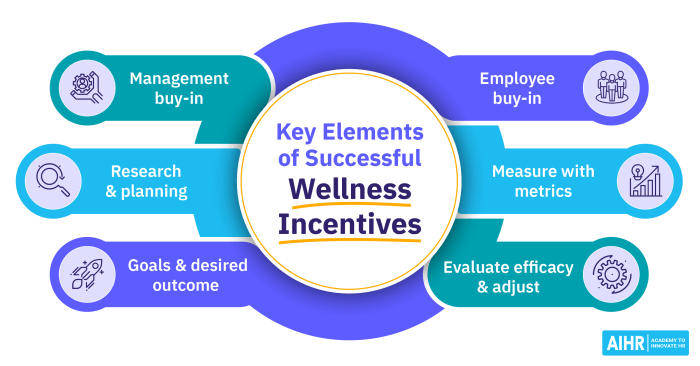
How to create personalized wellness programs for employees: A Guide to Employee Health opens doors to a world of tailored health initiatives aimed at enhancing employee well-being. Dive into the realm of employee wellness with this comprehensive guide that explores the intricacies of creating personalized programs for a healthier workforce.

Explore the key aspects of employee wellness programs, from herbal remedies to mental resilience, and learn how to design initiatives that cater to the unique needs of your team members.

Wellness Programs

Personalized wellness programs for employees are crucial for promoting a healthy work environment and enhancing overall job satisfaction. These programs are tailored to meet the specific needs and preferences of each individual, taking into account factors like physical health, mental well-being, and work-life balance.

Importance of Personalized Wellness Programs

Implementing personalized wellness programs in organizations can lead to increased employee engagement, improved productivity, and reduced absenteeism. By addressing the unique health needs of employees, these programs help create a supportive and inclusive workplace culture where individuals feel valued and cared for.

Examples of Successful Wellness Programs

  • Company A offers flexible work hours to accommodate employees’ fitness routines, provides healthy snacks in the office, and organizes monthly wellness workshops on stress management.
  • Company B offers on-site gym facilities, free access to mental health counseling services, and incentives for participating in wellness challenges like step count competitions.

Benefits of Implementing Wellness Programs

  • Enhanced employee morale and job satisfaction
  • Reduced healthcare costs for both employees and the organization
  • Improved retention rates and recruitment of top talent
  • Increased overall productivity and performance
  • Creating a positive company culture focused on employee well-being

Herbal Remedies

Herbal remedies have been used for centuries in various cultures around the world for their medicinal properties and health benefits. These remedies are derived from plants, herbs, and other natural sources, offering a holistic approach to wellness and healing.

Incorporating herbal remedies into employee wellness programs can provide a natural and alternative way to promote health and well-being among employees. These remedies can help manage stress, boost immunity, improve sleep quality, and enhance overall vitality. By integrating herbal remedies into wellness initiatives, employees can experience a more comprehensive and personalized approach to their health.

Common Herbal Remedies

  • Chamomile: Known for its calming properties, chamomile tea can help reduce stress and promote relaxation.
  • Echinacea: Often used to boost the immune system and prevent colds and flu.
  • Lavender: Used for its soothing effects, lavender can help with sleep and relaxation.
  • Ginger: A natural remedy for nausea and digestive issues.
  • Ginseng: Known for its energy-boosting properties and ability to improve mental clarity.

Considerations when Using Herbal Remedies

  • Consult with a healthcare professional before incorporating herbal remedies, especially if you have existing health conditions or are taking medications.
  • Be aware of potential interactions between herbal remedies and prescription drugs.
  • Start with small doses and monitor your body’s response to herbal remedies to avoid any adverse effects.
  • Choose high-quality, organic herbal products to ensure safety and effectiveness.

Skin Health

Skin health is an essential component of overall wellness, as the skin serves as a protective barrier against external factors and helps regulate body temperature. It also plays a role in the body’s immune system and overall health.

Skincare Tips for Wellness Programs

  • Stay hydrated by drinking plenty of water throughout the day to keep the skin hydrated and supple.
  • Follow a balanced diet rich in fruits, vegetables, and healthy fats to provide essential nutrients for skin health.
  • Use sunscreen daily to protect the skin from harmful UV rays and prevent premature aging.
  • Establish a consistent skincare routine that includes cleansing, moisturizing, and exfoliating to maintain healthy skin.
  • Get an adequate amount of sleep to allow the skin time to repair and regenerate overnight.

Impact of Stress on Skin Health and Mitigation Strategies

Stress can have a negative impact on skin health, leading to conditions such as acne, eczema, and premature aging. To mitigate the effects of stress on the skin, individuals can:

  • Practice stress-reducing activities such as meditation, yoga, or deep breathing exercises.
  • Engage in regular physical activity to improve circulation and promote overall well-being.
  • Prioritize self-care and relaxation to reduce stress levels and improve skin health.
  • Seek professional help or counseling if stress levels become overwhelming and affect skin health.

Bone Density

Maintaining good bone density is crucial for overall health as it helps prevent osteoporosis and reduces the risk of fractures. Strong bones support proper posture, mobility, and overall well-being. Personalized wellness programs can play a key role in addressing bone density issues by providing tailored exercises and dietary recommendations to improve and maintain bone health.

Exercises to Improve Bone Density

Regular weight-bearing exercises such as walking, jogging, dancing, and weightlifting can help increase bone density. These activities put stress on the bones, stimulating them to grow stronger. Strength training exercises that target major muscle groups, like squats and lunges, also contribute to bone health by building muscle and bone mass.

Dietary Recommendations for Strong Bones

A diet rich in calcium and vitamin D is essential for maintaining good bone density. Foods like dairy products, leafy greens, nuts, and seeds are excellent sources of calcium. Vitamin D, which helps the body absorb calcium, can be obtained from sunlight exposure and supplements.

Additionally, adequate protein intake is important for bone health as it supports bone growth and repair.

Personalized Wellness Programs for Bone Health

Personalized wellness programs can assess individual risk factors and tailor exercise and nutrition plans to address specific bone density needs. By incorporating a combination of weight-bearing exercises, strength training, and a balanced diet rich in bone-healthy nutrients, these programs can help employees improve and maintain their bone density over time.

Muscle Mass

When it comes to overall health and wellness, muscle mass plays a crucial role in supporting various bodily functions and promoting a healthy metabolism. Maintaining adequate muscle mass is essential for overall strength, mobility, and metabolic health.

Exercises and Nutrition Strategies for Muscle Mass Development

To support muscle mass development, a combination of resistance training exercises and a balanced diet rich in protein is key. Incorporating strength training activities such as weightlifting, bodyweight exercises, and resistance bands into your workout routine can help stimulate muscle growth and improve overall muscle tone.

Additionally, consuming an adequate amount of protein from sources like lean meats, poultry, fish, eggs, dairy, legumes, and plant-based proteins is essential for muscle repair and growth.

Promoting Muscle Mass Maintenance through Personalized Wellness Programs

Personalized wellness programs can be tailored to include specific exercises and nutrition recommendations to support muscle mass maintenance. By incorporating individualized workout plans and dietary guidelines based on each employee’s needs and goals, these programs can help employees maintain and even enhance their muscle mass over time.

Furthermore, regular assessments and adjustments to the wellness program can ensure that employees continue to progress towards their muscle mass goals effectively.

Dental Care

When it comes to wellness programs for employees, dental care is often an overlooked aspect. However, good oral health is essential for overall well-being and can have a significant impact on employee productivity and morale.

Incorporating Dental Care into Wellness Programs

  • Offer educational workshops or seminars on the importance of oral health and proper dental care practices.
  • Provide access to dental screenings and check-ups as part of the wellness program benefits.
  • Encourage employees to schedule regular dental appointments and follow preventive measures to maintain good oral health.

Impact of Oral Health on Overall Well-being

  • Poor oral health can lead to various health issues such as gum disease, tooth decay, and even heart problems.
  • Employees with dental problems may experience pain, discomfort, and difficulty concentrating at work.
  • Improving oral health can boost employee morale, productivity, and overall quality of life.

Preventive Measures and Practices for Dental Care in the Workplace

  • Encourage employees to brush and floss regularly and provide access to oral hygiene products in the workplace.
  • Promote healthy eating habits and discourage sugary snacks and drinks that can harm dental health.
  • Offer incentives or rewards for employees who demonstrate good oral hygiene practices and attend regular dental check-ups.

Eye Health

Eye health is an essential component of overall wellness as it impacts our daily activities, productivity, and quality of life. Taking care of our eyes can prevent vision problems and maintain optimal eye function.

Eye Care Practices in Wellness Programs

  • Encourage regular eye check-ups to monitor vision changes and detect any potential eye conditions early.
  • Provide information on proper lighting and ergonomic setups to reduce eye strain, especially for those who work on computers for extended periods.
  • Promote the use of protective eyewear when engaging in activities that pose a risk to eye safety, such as sports or working with hazardous materials.

Tips for Good Eye Health at Work

  • Follow the 20-20-20 rule: Every 20 minutes, look at something 20 feet away for at least 20 seconds to reduce eye strain from staring at screens.
  • Avoid glare on screens by positioning them away from windows or using anti-glare filters.
  • Stay hydrated throughout the day to prevent dry eyes, which can lead to discomfort and vision problems.

Mental Clarity

Mental clarity is the ability to focus, think clearly, and make sound decisions without being overwhelmed by distractions or stress. It plays a crucial role in employee wellness as it directly impacts productivity, job satisfaction, and overall mental health in the workplace.

Techniques to Enhance Mental Clarity in the Workplace

  • Avoid multitasking: Encourage employees to focus on one task at a time to improve concentration and reduce mental fatigue.
  • Practice mindfulness: Introduce mindfulness techniques such as deep breathing exercises or short meditation sessions to help employees stay present and focused.
  • Promote regular breaks: Encourage employees to take short breaks throughout the day to recharge and prevent burnout.
  • Provide a conducive work environment: Ensure that the workplace is organized, free from clutter, and has good lighting to support mental clarity.

Benefits of Promoting Mental Clarity through Personalized Wellness Programs

  • Increased productivity: Employees with enhanced mental clarity are able to work more efficiently and effectively, leading to higher productivity levels.
  • Reduced stress: Improved mental clarity can help employees better manage stress and prevent burnout, promoting overall well-being.
  • Enhanced decision-making: Clear thinking and improved focus can lead to better decision-making skills, benefiting both the individual and the organization.
  • Boosted morale: When employees feel mentally clear and focused, they are more likely to feel motivated and engaged in their work.

Joint Flexibility

Maintaining good joint flexibility is crucial for overall health and mobility. Flexible joints can help prevent injuries, reduce pain, and enhance performance in daily activities and exercise routines.

Exercises and Stretches to Improve Joint Flexibility

  • Yoga: Practicing yoga poses like downward dog, child’s pose, and pigeon pose can help increase flexibility in the hips, spine, and shoulders.
  • Dynamic Stretching: Incorporating dynamic stretches such as leg swings, arm circles, and torso twists can improve joint mobility before workouts.
  • Resistance Training: Using resistance bands or light weights in exercises like arm circles and leg lifts can help strengthen muscles around the joints and improve flexibility.

Personalized Wellness Programs for Joint Flexibility

  • Customized Exercise Plans: Wellness programs can include tailored exercise routines focusing on improving joint flexibility based on individual needs and fitness levels.
  • Regular Monitoring and Progress Tracking: By regularly monitoring joint flexibility through assessments and tracking progress, personalized wellness programs can be adjusted to ensure continuous improvement.
  • Education and Resources: Providing education on the importance of joint flexibility and offering resources like online tutorials or workshops can empower employees to take charge of their joint health.

Digestive Health

Understanding the importance of digestive health is essential for overall wellness. The digestive system plays a crucial role in absorbing nutrients, eliminating waste, and maintaining a healthy immune system.

Dietary Recommendations for Digestive Health

  • Aim to include a variety of fruits, vegetables, whole grains, and lean proteins in your diet to provide essential nutrients and fiber for optimal digestion.
  • Stay hydrated by drinking an adequate amount of water throughout the day to support digestion and prevent constipation.
  • Avoid excessive consumption of processed foods, sugary drinks, and high-fat foods, as they can disrupt the balance of beneficial bacteria in the gut.

Healthy Habits for Digestive Wellness

  • Practice mindful eating by chewing food slowly and thoroughly to aid in the digestion process and prevent indigestion.
  • Incorporate probiotic-rich foods like yogurt, kefir, and sauerkraut into your diet to promote a healthy gut microbiome.
  • Engage in regular physical activity to support healthy digestion and reduce the risk of digestive issues such as bloating and cramping.

Promoting Digestive Wellness in the Workplace

  • Encourage employees to take regular breaks for meals and snacks to support healthy eating habits and prevent overeating or undereating.
  • Provide access to digestive-friendly snacks like fresh fruits, nuts, and yogurt in the workplace to promote healthy food choices.
  • Offer educational resources or workshops on digestive health and mindful eating practices to empower employees to make informed decisions about their diet.

Detox Process

Detoxification is a process that helps the body eliminate toxins and waste to promote overall wellness. By supporting the body’s natural detox process, individuals can experience benefits such as improved energy levels, clearer skin, better digestion, and enhanced immune function.

Personalized wellness programs can play a key role in incorporating detox practices to help individuals achieve optimal health.

Benefits of Detoxification

  • Eliminates toxins and waste from the body
  • Boosts energy levels
  • Improves skin health and complexion
  • Enhances immune function
  • Promotes better digestion

Safe and Effective Ways to Support Detox Process

  • Adequate hydration: Drinking plenty of water helps flush out toxins from the body.
  • Healthy diet: Consuming a diet rich in fruits, vegetables, and whole grains provides essential nutrients for detoxification.
  • Regular exercise: Physical activity promotes circulation and helps the body eliminate toxins through sweat.
  • Stress management: High stress levels can impact detox processes, so incorporating stress-reducing activities like meditation or yoga is beneficial.
  • Sleep: Getting enough quality sleep allows the body to repair and detoxify during the night.

Incorporating Detox Practices in Personalized Wellness Programs

  • Customized nutrition plans tailored to support detoxification processes.
  • Guidance on incorporating detoxifying foods and beverages into daily meals.
  • Recommendations for specific exercises or activities that promote detoxification.
  • Strategies for managing stress and improving sleep quality to enhance detox outcomes.

Blood Pressure

Monitoring and managing blood pressure is crucial for overall wellness. High blood pressure, also known as hypertension, can lead to serious health issues such as heart disease, stroke, and kidney problems. On the other hand, low blood pressure can cause dizziness, fainting, and fatigue.

Therefore, maintaining healthy blood pressure levels is essential for a balanced well-being.

Importance of Blood Pressure Monitoring

Regularly monitoring blood pressure allows individuals to track changes in their levels and take necessary actions to prevent any potential health risks. This proactive approach can help in early detection of any abnormalities and enable timely intervention to maintain optimal blood pressure.

Lifestyle Factors Affecting Blood Pressure

  • Healthy Diet: Consuming a balanced diet low in sodium and high in fruits, vegetables, and whole grains can positively impact blood pressure levels.
  • Physical Activity: Regular exercise can help in managing weight, reducing stress, and improving cardiovascular health, which are all beneficial for blood pressure control.
  • Stress Management: High levels of stress can lead to spikes in blood pressure. Implementing stress-reducing techniques such as meditation, yoga, or deep breathing exercises can help in maintaining healthy blood pressure.
  • Smoking and Alcohol Consumption: Both smoking and excessive alcohol intake can contribute to high blood pressure. Quitting smoking and limiting alcohol consumption are essential for blood pressure management.

Strategies for Healthy Blood Pressure in Wellness Programs

  • Education: Providing information about the importance of blood pressure monitoring and tips for maintaining healthy levels can empower individuals to take control of their health.
  • Regular Screenings: Including blood pressure screenings as part of wellness programs can encourage employees to track their levels and seek further medical advice if needed.
  • Healthy Lifestyle Promotion: Promoting healthy eating habits, regular physical activity, and stress management techniques within the workplace can support employees in maintaining optimal blood pressure.
  • Supportive Environment: Creating a work environment that prioritizes health and well-being can motivate employees to adopt healthy behaviors that contribute to healthy blood pressure levels.

Heart Rate

Monitoring heart rate is crucial for maintaining cardiovascular health and overall well-being. The heart rate, or the number of times the heart beats per minute, is a key indicator of how effectively the heart is functioning.

Significance of Heart Rate for Cardiovascular Health

Heart rate reflects the efficiency of the heart in pumping blood throughout the body. A healthy heart rate indicates good cardiovascular fitness, while an abnormal or fluctuating heart rate may signal underlying health issues such as high blood pressure, heart disease, or stress.

Integration of Heart Rate Monitoring in Wellness Programs

Personalized wellness programs can incorporate heart rate monitoring through wearable devices or fitness trackers. By tracking heart rate during physical activity or rest, individuals can assess their fitness levels and make informed decisions to improve cardiovascular health.

Exercises and Activities to Regulate Heart Rate

  • Cardiovascular exercises such as running, cycling, or swimming can help improve heart rate and strengthen the heart muscle.
  • Yoga and meditation techniques can reduce stress levels, stabilizing heart rate and promoting relaxation.
  • Interval training, which involves alternating between high-intensity and low-intensity exercises, can enhance heart rate variability and cardiovascular endurance.

Health Screenings

Regular health screenings are a crucial component of wellness programs as they help in the early detection and prevention of health issues. By identifying potential problems before they escalate, employees can take proactive steps to maintain their health and well-being.Common health screenings recommended for employees include:

Common Health Screenings

  • Blood pressure checks
  • Cholesterol levels testing
  • Blood sugar monitoring
  • Body mass index (BMI) measurements
  • Cancer screenings (such as mammograms, colonoscopies, and skin checks)
  • Vision and hearing tests

These screenings play a vital role in catching health issues early on, allowing for timely intervention and treatment. They also empower employees to make informed decisions about their lifestyle choices and healthcare needs, ultimately leading to better overall health outcomes.

Vaccination Programs

Vaccination programs play a crucial role in promoting employee health by helping prevent the spread of infectious diseases within the workplace. By offering vaccinations, employers can create a healthier and safer environment for their employees.

Benefits of Offering Vaccination Programs

  • Reduction in sick days: Vaccinated employees are less likely to get sick, resulting in fewer absences.
  • Prevention of outbreaks: Vaccinations help prevent the spread of diseases like flu or measles among employees.
  • Cost savings: By keeping employees healthy, companies can save on healthcare costs associated with treating preventable illnesses.
  • Improved productivity: Healthy employees are more productive and engaged in their work.

Considerations for Implementing Vaccination Programs in Wellness Initiatives

  • Educational campaigns: Provide information to employees about the importance of vaccinations and the benefits they offer.
  • Accessibility: Make vaccinations easily accessible by organizing on-site vaccination clinics or partnering with healthcare providers.
  • Consent and privacy: Respect employee privacy and obtain consent before administering vaccinations.
  • Tracking and monitoring: Keep track of employee vaccination records to ensure compliance and monitor the effectiveness of the program.

Healthy Habits

Maintaining healthy habits is crucial for overall well-being, especially in the workplace where employees spend a significant amount of their time. Encouraging and promoting healthy habits can lead to improved productivity, reduced absenteeism, and enhanced employee morale.

Examples of Healthy Habits

  • Eating a balanced diet rich in fruits, vegetables, whole grains, and lean proteins.
  • Staying hydrated by drinking an adequate amount of water throughout the day.
  • Engaging in regular physical activity, such as walking, stretching, or participating in exercise classes.
  • Getting an adequate amount of sleep each night to support overall health and well-being.
  • Practicing stress-reducing techniques like mindfulness, deep breathing, or meditation.

Impact of Cultivating Healthy Habits

Cultivating healthy habits not only improves physical health but also has a positive impact on mental well-being. Employees who engage in healthy habits are more likely to experience increased energy levels, improved mood, and better stress management. This, in turn, can lead to higher job satisfaction and overall job performance.

Strategies for Promoting and Sustaining Healthy Habits

  • Offering healthy snacks and meals in the workplace cafeteria or vending machines.
  • Providing on-site fitness classes or wellness programs to encourage physical activity.
  • Implementing wellness challenges or competitions to motivate employees to adopt healthy habits.
  • Creating a supportive environment where colleagues can hold each other accountable and provide encouragement.
  • Offering resources and educational materials on the benefits of healthy habits and how to incorporate them into daily routines.

Balanced Hormones

How to create personalized wellness programs for employees

Balanced hormones play a crucial role in overall health and well-being. Hormones are chemical messengers that regulate various bodily functions, including metabolism, growth, mood, and reproduction. When hormones are balanced, the body can function optimally, promoting good health and vitality.

Factors Contributing to Hormonal Imbalances

Factors contributing to hormonal imbalances can vary and may include stress, poor diet, lack of exercise, certain medications, and underlying health conditions. Stress, in particular, can disrupt the delicate balance of hormones in the body, leading to various health issues.

  • Chronic stress: Prolonged stress can lead to an overproduction of cortisol, the stress hormone, which can disrupt the balance of other hormones in the body.
  • Poor diet: Consuming processed foods, high in sugar and unhealthy fats, can negatively impact hormone levels and overall health.
  • Lack of exercise: Physical inactivity can contribute to hormonal imbalances, as regular exercise is essential for hormone regulation.
  • Medications: Certain medications, such as hormonal contraceptives or corticosteroids, can interfere with hormone levels and cause imbalances.
  • Underlying health conditions: Conditions like polycystic ovary syndrome (PCOS) or thyroid disorders can disrupt hormone balance and require medical intervention.

Supporting Balanced Hormones through Wellness Programs

Wellness programs can play a key role in supporting balanced hormones and overall health. By incorporating specific strategies and activities, employees can take proactive steps to maintain hormonal balance and improve their well-being.

  • Stress management techniques: Offering stress-reducing activities like yoga, meditation, or mindfulness practices can help employees better cope with stress and support hormonal balance.
  • Nutritional support: Providing education on balanced nutrition and offering healthy meal options can help employees make better food choices to support hormone health.
  • Physical activity: Encouraging regular exercise and providing fitness classes or gym memberships can help employees maintain hormone balance and overall health.
  • Health screenings: Offering hormone level screenings as part of health assessments can help employees identify any imbalances early on and take necessary steps to address them.
  • Education and resources: Providing information on hormone health and resources for further support can empower employees to take control of their hormonal balance and well-being.

Health Coaching

Health coaching plays a crucial role in personalized wellness programs by providing individualized support and guidance to employees on their health journey. These coaches work closely with employees to set achievable health goals, create action plans, and provide ongoing motivation and accountability.

Role of Health Coaching in Personalized Wellness Programs

Health coaching serves as a valuable resource for employees looking to make positive lifestyle changes. Coaches offer personalized advice on nutrition, exercise, stress management, and other areas impacting overall well-being. By addressing individual needs and preferences, health coaching helps employees develop sustainable habits that lead to long-term health improvements.

Benefits of Incorporating Health Coaching into Workplace Wellness Initiatives

Improved Health Outcomes

Health coaching has been shown to result in better health outcomes, such as weight loss, reduced stress levels, and improved overall well-being.

Increased Employee Engagement

Employees who participate in health coaching programs are more engaged in their health and motivated to reach their goals.

Cost Savings

By promoting preventive care and healthy habits, health coaching can help reduce healthcare costs for both employees and employers.

Enhanced Productivity

Healthy employees are more productive, focused, and engaged at work, leading to increased efficiency and performance.

Personalized Support

Health coaching provides employees with personalized support and guidance tailored to their unique health needs and goals.

Fitness Goals

Setting fitness goals is crucial for employee wellness as it provides a clear direction, motivation, and accountability for individuals striving to improve their physical health. By establishing specific targets related to exercise, strength, endurance, or flexibility, employees can track their progress and stay committed to their overall well-being.

Strategies for Achieving Fitness Goals

  • Encourage employees to start small and gradually increase the intensity or duration of their workouts to prevent burnout or injury.
  • Provide access to fitness resources such as workout plans, exercise classes, or personal training sessions to support employees in reaching their goals.
  • Promote a culture of teamwork and friendly competition by organizing group fitness challenges or setting up workplace fitness programs.
  • Offer incentives or rewards for employees who achieve their fitness goals, such as gift cards, extra time off, or recognition within the organization.

Examples of Fitness Challenges

  • Step Count Challenge: Encourage employees to track their daily steps and compete to see who can walk the most within a certain timeframe.
  • Healthy Eating Challenge: Create a nutrition-focused challenge where employees earn points for making healthy food choices and meal prepping.
  • Virtual Workout Classes: Provide access to online workout classes or live sessions with fitness instructors to cater to employees working remotely.
  • 5K Run/Walk Event: Organize a company-wide 5K event or virtual race to motivate employees to train and participate in a fun fitness activity together.

Diet Planning

To create personalized diet plans for employees, it is important to take into consideration their individual health goals, dietary restrictions, and preferences. Nutrition plays a crucial role in overall health and wellness, impacting factors such as energy levels, immune function, and disease prevention.

By promoting healthy eating habits through wellness programs, employers can help employees improve their well-being and productivity.

Impact of Nutrition on Overall Health and Wellness

Nutrition has a direct impact on various aspects of health, including weight management, heart health, and mental well-being. A well-balanced diet rich in fruits, vegetables, lean proteins, and whole grains can provide essential nutrients to support overall health. In contrast, a diet high in processed foods, sugars, and unhealthy fats can lead to weight gain, inflammation, and chronic diseases.

  • Proper nutrition supports a healthy immune system and reduces the risk of chronic illnesses.
  • Adequate intake of vitamins and minerals is essential for optimal bodily functions.
  • Healthy eating habits can improve mood, cognitive function, and overall mental health.
  • Choosing nutrient-dense foods over processed options can help maintain a healthy weight and reduce the risk of obesity-related conditions.

Tips for Promoting Healthy Eating Habits through Wellness Programs

Employers can encourage healthy eating habits among employees by offering educational resources, organizing cooking demonstrations, and providing healthy food options in the workplace. Here are some tips for promoting healthy eating habits through wellness programs:

  1. Provide nutrition workshops and seminars to educate employees on the importance of a balanced diet.
  2. Offer healthy snacks and meals during meetings and events to promote better food choices.
  3. Create a supportive environment by establishing designated eating areas and providing access to fresh fruits and vegetables.
  4. Encourage employees to meal prep and plan their meals ahead of time to make healthier choices throughout the week.

Health Supplements

Health supplements play a crucial role in supporting employee wellness by providing essential nutrients that may be lacking in their diets. These supplements can help fill nutritional gaps, boost energy levels, strengthen the immune system, and improve overall health and well-being.

Considerations for Incorporating Supplements

When incorporating supplements into personalized wellness programs for employees, it is important to consider individual needs, existing health conditions, and potential interactions with medications. Consulting with a healthcare professional or nutritionist can help determine the right supplements and dosages for each employee.

  • Ensure supplements are high-quality and come from reputable sources to ensure safety and effectiveness.
  • Consider the form of supplements (e.g., pills, powders, liquids) based on employee preferences and ease of consumption.
  • Monitor employee response to supplements and adjust dosages or types as needed to achieve optimal results.

Popular Supplements and Benefits

Supplement Potential Benefits
Vitamin D Supports bone health, immune function, and mood regulation.
Omega-3 fatty acids Helps reduce inflammation, support heart health, and improve cognitive function.
Probiotics Aids in digestive health, boosts immunity, and supports overall gut health.
Magnesium Helps regulate muscle and nerve function, blood sugar levels, and blood pressure.
Iron Supports red blood cell production and prevents anemia.

Breathing Techniques: How To Create Personalized Wellness Programs For Employees

Breathing techniques play a crucial role in wellness programs by promoting relaxation, reducing stress, and improving overall well-being. Incorporating these techniques can help employees manage their emotions, increase focus, and enhance their mental clarity.

Benefits of Breathing Techniques

  • Reduce stress and anxiety levels
  • Improve concentration and focus
  • Promote relaxation and calmness
  • Enhance oxygen circulation in the body
  • Boost energy levels and vitality

Different Breathing Exercises

  • Deep Breathing: Inhale deeply through your nose, hold for a few seconds, and exhale slowly through your mouth.
  • 4-7-8 Technique: Inhale for a count of 4, hold for 7, and exhale for 8.
  • Alternate Nostril Breathing: Close one nostril, inhale through the other, then switch and exhale through the alternate nostril.

Mindfulness Practices with Breathing

  • Body Scan Meditation: Focus on your breath while mentally scanning your body for any tension or discomfort.
  • Counted Breaths: Count each inhale and exhale, aiming to increase the count as you relax.
  • Breath Awareness: Simply observe your breath without trying to change it, bringing your attention back whenever it wanders.

Disease Prevention

Preventing diseases in the workplace is crucial for maintaining a healthy and productive workforce. By implementing preventive measures and strategies, employers can reduce the risk of illnesses among their employees.

Importance of Disease Prevention in Workplace Wellness

Disease prevention plays a significant role in workplace wellness programs as it helps in creating a healthy and safe working environment. By focusing on preventive measures, employers can reduce absenteeism, improve productivity, and lower healthcare costs.

Preventive Measures and Strategies

  • Encouraging regular health screenings to detect any potential health issues early on.
  • Promoting vaccination programs to prevent the spread of infectious diseases.
  • Providing education on healthy habits and lifestyle choices to reduce the risk of chronic diseases.
  • Incorporating fitness goals and diet planning to maintain overall health and well-being.

Personalized Wellness Programs for Disease Prevention

Personalized wellness programs can be tailored to focus on disease prevention by taking into account individual health risks, goals, and preferences. By creating customized plans, employees can receive targeted support and resources to address their specific health needs and reduce the likelihood of developing illnesses.

Pain Management

When it comes to managing pain effectively within wellness programs, it is crucial to address the impact of chronic pain on employee well-being and provide techniques to alleviate discomfort in the workplace.

Tips for Managing Pain, How to create personalized wellness programs for employees

  • Encourage regular breaks and stretching exercises to prevent muscle tension and stiffness.
  • Implement ergonomic workstations to promote proper posture and reduce strain on the body.
  • Offer access to pain management resources such as physical therapy, acupuncture, or massage therapy.
  • Promote mindfulness and relaxation techniques to help employees cope with pain and stress.

Impact of Chronic Pain

  • Chronic pain can lead to decreased productivity, absenteeism, and overall job dissatisfaction among employees.
  • It can also contribute to mental health issues such as anxiety and depression, affecting the overall well-being of individuals.

Practices for Addressing Pain in the Workplace

  • Provide training sessions on proper lifting techniques and body mechanics to prevent workplace injuries that can lead to chronic pain.
  • Create a supportive work environment where employees feel comfortable discussing their pain issues and seeking help.
  • Consider implementing flexible work arrangements or accommodations for employees with chronic pain conditions.

Holistic Treatments

Holistic treatments focus on treating the whole person

  • mind, body, and spirit
  • rather than just the symptoms of a specific health issue. These treatments aim to promote overall wellness and balance in all aspects of an individual’s life.

Role of Holistic Treatments in Wellness

Holistic treatments play a crucial role in wellness by addressing the root causes of health issues, rather than just providing temporary relief. By considering the interconnectedness of the body, mind, and spirit, these treatments can lead to long-lasting improvements in health and well-being.

  • Acupuncture: This ancient Chinese practice involves inserting thin needles into specific points on the body to help restore balance and promote healing.
  • Massage Therapy: Massage can help reduce stress, improve circulation, and alleviate muscle tension, promoting relaxation and overall well-being.
  • Yoga and Meditation: These practices can help reduce stress, improve flexibility, and enhance mental clarity, contributing to a sense of balance and calm.

Mental Resilience

Mental resilience is a crucial factor in navigating the challenges of the workplace and daily life. It refers to the ability to cope with stress, setbacks, and adversity in a healthy and productive manner.

Importance of Mental Resilience

Building and enhancing mental resilience in the workplace is essential for maintaining overall well-being and performance. Employees who are mentally resilient are better equipped to handle pressure, bounce back from failures, and maintain a positive mindset even in difficult situations.

  • Practicing mindfulness and meditation techniques can help employees manage stress and improve their emotional regulation.
  • Encouraging open communication and fostering a supportive work environment can create a sense of belonging and reduce feelings of isolation.
  • Promoting work-life balance and encouraging self-care practices can help employees recharge and prevent burnout.
  • Providing access to mental health resources and counseling services can offer support to employees facing personal or professional challenges.

Personalized Wellness Programs for Mental Resilience

Personalized wellness programs play a vital role in supporting the development of mental resilience among employees. By tailoring wellness initiatives to individual needs and preferences, organizations can empower their workforce to enhance their mental well-being and build resilience.

  • Offering stress management workshops and resilience training to equip employees with coping strategies and emotional intelligence skills.
  • Incorporating mental health screenings and assessments to identify early signs of distress and provide timely interventions.
  • Integrating mental health days or flexible work arrangements to allow employees to prioritize self-care and mental wellness.
  • Providing access to mental health professionals, such as therapists or counselors, for confidential support and guidance.

Final Review

In conclusion, How to create personalized wellness programs for employees: A Guide to Employee Health equips you with the knowledge and tools to revolutionize your workplace wellness strategies. By prioritizing individualized health programs, you can foster a culture of well-being and productivity within your organization.

Start your journey towards a healthier workforce today.

Questions and Answers

How can personalized wellness programs benefit employees?

Personalized wellness programs can boost employee morale, productivity, and overall health by addressing individual needs and promoting a culture of well-being.

What are some key components of an effective wellness program?

An effective wellness program should include a mix of physical activities, nutritional guidance, mental health support, and preventive healthcare measures tailored to employees’ needs.

How can employers encourage employee engagement in wellness programs?

Employers can promote employee engagement by offering incentives, organizing group activities, providing educational resources, and creating a supportive environment for wellness initiatives.