Holistic medicine for chronic pain relief: A Comprehensive Approach to Healing

Holistic medicine for chronic pain relief

Holistic medicine for chronic pain relief encompasses various aspects of wellness to provide a well-rounded approach to managing chronic pain effectively. From wellness programs to herbal remedies, skin health to mental clarity, this holistic approach aims to address pain from multiple angles for a more sustainable solution.

Wellness Programs

Holistic medicine for chronic pain relief

Incorporating wellness programs into holistic medicine for chronic pain relief is essential as it focuses on treating the whole person, including physical, mental, emotional, and spiritual well-being. These programs complement holistic treatments by addressing lifestyle factors that can contribute to chronic pain and overall health.

Examples of Wellness Programs

  • Physical Therapy: Helps improve mobility, reduce pain, and enhance overall physical function.
  • Mindfulness Meditation: Reduces stress, anxiety, and depression, which are common factors exacerbating chronic pain.
  • Nutrition Counseling: Guides individuals on proper diet and nutrition to support pain management and overall health.
  • Yoga and Tai Chi: Promote flexibility, strength, and relaxation, which can alleviate chronic pain symptoms.

Contribution to Overall Health and Pain Management

Wellness programs play a crucial role in promoting overall health and aiding in pain management by addressing underlying issues that may be contributing to chronic pain. By focusing on preventive measures, lifestyle modifications, and self-care practices, these programs empower individuals to take control of their health and well-being, leading to improved quality of life and reduced pain levels.

Herbal Remedies

Herbal remedies play a significant role in holistic medicine for chronic pain relief as they offer natural alternatives to traditional medication. These remedies are derived from plants and herbs, known for their healing properties and effectiveness in managing various types of pain.

Common Herbal Remedies for Chronic Pain, Holistic medicine for chronic pain relief

  • Turmeric: Known for its anti-inflammatory properties, turmeric can help alleviate pain associated with conditions like arthritis and joint pain.
  • White Willow Bark: Contains a compound similar to aspirin, white willow bark can provide relief from headaches, muscle aches, and other types of pain.
  • Ginger: With its anti-inflammatory and pain-relieving effects, ginger is often used to manage pain caused by conditions like osteoarthritis.
  • Arnica: Used topically, arnica can reduce muscle soreness, bruising, and inflammation, making it a popular choice for pain relief.

Effectiveness of Herbal Remedies vs. Traditional Medication

Herbal remedies are often preferred by individuals seeking natural alternatives to manage chronic pain due to their minimal side effects and holistic approach. While traditional medication can provide immediate relief, herbal remedies offer long-term benefits and can address the root cause of the pain.

However, it is essential to consult with a healthcare provider before incorporating herbal remedies into your pain management regimen, especially if you are already taking prescribed medication.

Skin Health

Skin health plays a crucial role in the management of chronic pain as it can impact a patient’s overall well-being. By focusing on promoting skin health, individuals suffering from chronic pain can experience improvements in their quality of life and pain management strategies.

Connection between Skin Health and Chronic Pain Management

Maintaining healthy skin is essential for chronic pain patients as it can help prevent secondary issues such as infections, pressure sores, and skin irritations. These secondary problems can exacerbate pain levels and make it more challenging to manage chronic pain effectively.

Therefore, ensuring optimal skin health is vital for overall pain relief.

  • Keep the skin clean and moisturized to prevent dryness and irritation.
  • Use gentle skincare products that are suitable for sensitive skin to avoid triggering any reactions.
  • Avoid prolonged exposure to extreme temperatures or harsh environmental conditions that can worsen skin conditions.
  • Stay hydrated and maintain a healthy diet rich in vitamins and nutrients to support skin health from within.

Bone Density

Bone density plays a crucial role in the overall health of our bones and can significantly impact chronic pain conditions. Low bone density can lead to conditions like osteoporosis, making bones more prone to fractures and increasing the likelihood of experiencing pain.Improving bone density is essential for alleviating chronic pain symptoms as stronger bones provide better support to the body’s structure, reducing the risk of injuries and pain associated with conditions like arthritis or osteoarthritis.

By enhancing bone density, individuals can experience improved mobility and reduced discomfort in their daily lives.

Exercises to Enhance Bone Density

Regular weight-bearing exercises such as walking, jogging, dancing, or strength training can help stimulate bone growth and increase bone density. These activities put stress on the bones, prompting them to become stronger over time. Additionally, activities like yoga or Pilates that focus on balance and posture can also contribute to better bone health.

Dietary Recommendations for Bone Density

Including foods rich in calcium, vitamin D, and other essential nutrients in your diet can support bone health and density. Dairy products, green leafy vegetables, nuts, seeds, and fortified foods are excellent sources of calcium. Vitamin D, crucial for calcium absorption, can be obtained from sunlight exposure, fatty fish, eggs, and fortified products.

Ensuring an adequate intake of these nutrients can help improve bone density and reduce the risk of chronic pain related to bone conditions.

Muscle Mass

Muscle mass plays a crucial role in managing chronic pain as it provides support and stability to the body, reducing strain on joints and tissues. Building and maintaining muscle mass can significantly alleviate pain symptoms and improve overall quality of life for chronic pain patients.

Importance of Muscle Mass in Pain Relief

  • Increased muscle mass helps to distribute weight more evenly across the body, reducing pressure on specific pain points.
  • Strong muscles provide better support to the skeletal structure, reducing the risk of injury and inflammation.
  • Building muscle mass can improve overall mobility and flexibility, easing discomfort associated with chronic pain conditions.

Holistic Approaches to Preserving Muscle Mass

  • Regular strength training exercises, such as weightlifting or resistance training, can help in building muscle mass and improving strength.
  • Include protein-rich foods in your diet to support muscle growth and repair, such as lean meats, fish, beans, and nuts.
  • Stay hydrated to maintain muscle function and prevent cramping or stiffness that can exacerbate pain symptoms.
  • Ensure adequate rest and recovery time between workouts to allow muscles to repair and grow effectively.

Dental Care

Good dental care is a crucial aspect of holistic pain management as it plays a significant role in overall health and well-being. Neglecting oral health can lead to various chronic pain conditions and exacerbate existing pain issues.

Importance of Dental Care in Holistic Pain Management

Maintaining good oral health is essential for managing chronic pain as the mouth is connected to the rest of the body. Poor dental hygiene can lead to infections, inflammation, and even systemic health issues that contribute to chronic pain conditions.

  • Regular dental check-ups and cleanings can help prevent oral health problems that may worsen chronic pain.
  • Brushing and flossing daily can reduce the risk of dental issues that could impact overall health and pain levels.
  • Avoiding sugary foods and drinks can help maintain healthy teeth and gums, reducing the likelihood of chronic pain related to dental problems.

Eye Health

Eye health plays a crucial role in holistic approaches to chronic pain relief as the eyes are connected to the nervous system and can impact overall well-being. Taking care of your eyes can help reduce eye strain, headaches, and other pain symptoms that may be associated with chronic conditions.

Significance of Eye Health

Maintaining good eye health is essential for reducing eye strain and preventing headaches, which can exacerbate chronic pain conditions. Regular eye check-ups and proper eye care practices can help in early detection of any issues that may contribute to pain perception.

  • Ensure proper lighting when reading or using electronic devices to reduce eye strain.
  • Take regular breaks to rest your eyes, especially when working on screens for long periods.
  • Stay hydrated to keep your eyes moisturized and prevent dryness.
  • Include eye exercises in your daily routine to improve focus and reduce strain.

Mental Clarity

Maintaining mental clarity is crucial when it comes to managing chronic pain. The state of our mind directly impacts how we perceive and cope with pain, making it an essential aspect of holistic pain management.

Techniques to Enhance Mental Clarity

  • Adequate Sleep: Prioritize getting enough restful sleep to rejuvenate the mind and improve cognitive function.
  • Meditation and Mindfulness: Practice mindfulness techniques to reduce stress, enhance focus, and promote mental clarity.
  • Regular Exercise: Engaging in physical activity releases endorphins, which can boost mood and cognitive function.
  • Healthy Diet: Fueling your body with nutritious foods can support brain health and improve mental clarity.
  • Breathing Exercises: Deep breathing techniques can help calm the mind, reduce anxiety, and improve mental focus.

Importance of Promoting Mental Clarity

Maintaining mental clarity not only helps individuals better cope with chronic pain but also enhances overall well-being. By reducing stress, improving focus, and enhancing cognitive function, promoting mental clarity contributes to a holistic approach to pain management. It enables individuals to approach pain from a more balanced and empowered perspective, leading to improved quality of life and overall health.

Joint Flexibility

Joint flexibility plays a crucial role in alleviating chronic pain by reducing stiffness, improving range of motion, and enhancing overall joint function. When joints are flexible, they are less likely to experience strain, inflammation, or discomfort, leading to a decrease in pain perception.

Exercises and Stretches for Improved Joint Flexibility

  • Yoga: Practicing yoga poses such as Downward Dog, Warrior poses, and Child’s Pose can help improve joint flexibility.
  • Stretching: Incorporating daily stretching routines focusing on different joints, such as the shoulders, hips, and knees, can enhance flexibility and reduce pain.
  • Tai Chi: This gentle martial art involves slow, flowing movements that can promote joint flexibility and relaxation.

Benefits of Maintaining Joint Flexibility

Maintaining joint flexibility as part of holistic pain management offers various benefits, including:

  • Reduced Risk of Injury: Flexible joints are less prone to injuries, strains, and sprains.
  • Enhanced Mobility: Improved joint flexibility allows for better range of motion, making daily activities easier and more comfortable.
  • Improved Posture: Flexible joints support proper posture, reducing the risk of back and neck pain.
  • Better Overall Function: Flexible joints contribute to better overall joint function, promoting an active and pain-free lifestyle.

Digestive Health

Optimal digestive health plays a crucial role in managing chronic pain conditions. The connection between the two lies in the intricate relationship between the gut and the immune system, as well as the impact of inflammation on the body.

Importance of Gut Health for Pain Relief

Maintaining a healthy gut can help reduce overall inflammation in the body, which is often a key contributor to chronic pain conditions. By improving digestive health, individuals can potentially experience a decrease in pain symptoms and better manage their condition.

  • Include fiber-rich foods in your diet: Fiber helps regulate digestion and promotes a healthy gut microbiome, which can in turn reduce inflammation in the body.
  • Stay hydrated: Drinking an adequate amount of water is essential for proper digestion and overall gut health.
  • Avoid trigger foods: Certain foods can exacerbate inflammation and digestive issues, leading to increased pain levels. Identify and eliminate trigger foods from your diet to help manage chronic pain.
  • Consider probiotics: Probiotic-rich foods or supplements can help maintain a healthy balance of gut bacteria, which is essential for optimal digestive health and pain management.

Detox Process

Detoxification plays a crucial role in holistic medicine for chronic pain relief. By eliminating toxins from the body, the detox process can help reduce inflammation, improve organ function, and enhance overall well-being.

Importance of Detoxification

  • Detoxification helps to remove harmful substances that can contribute to pain and inflammation in the body.
  • By supporting the liver, kidneys, and other detox organs, the body can better manage pain symptoms.
  • Improving the body’s natural detox processes can enhance the effectiveness of other pain management strategies.

Natural Ways to Support Detoxification

  • Stay hydrated by drinking plenty of water throughout the day to help flush out toxins.
  • Include fiber-rich foods like fruits, vegetables, and whole grains in your diet to support healthy digestion and elimination.
  • Regular exercise can stimulate circulation and promote the elimination of toxins through sweat.
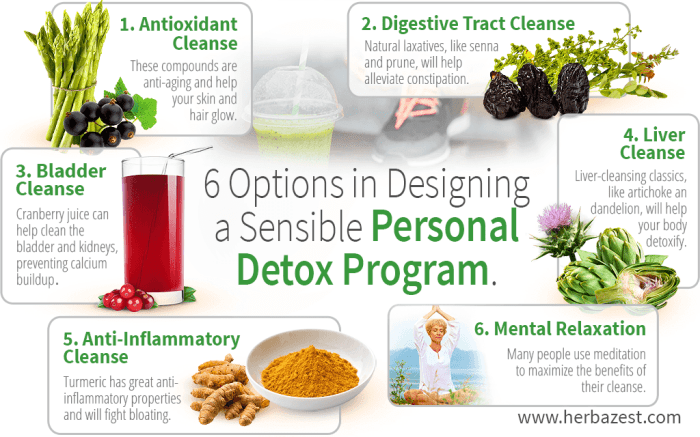
  • Herbal teas like dandelion root, milk thistle, and ginger can support liver function and aid in detoxification.
  • Practice deep breathing exercises or meditation to help the body relax and release stress, which can aid in detox processes.

Blood Pressure

Chronic pain conditions can be influenced by various factors, and one crucial aspect to consider is blood pressure. High blood pressure can exacerbate pain symptoms and make it more challenging to manage chronic pain effectively.

Impact of Blood Pressure on Chronic Pain

Maintaining healthy blood pressure levels is essential for managing chronic pain conditions. High blood pressure can lead to inflammation, which can worsen pain symptoms and impact overall well-being. By keeping blood pressure in check, individuals can potentially reduce the intensity of their pain and improve their quality of life.

  • High blood pressure can increase the risk of cardiovascular issues, which can further complicate chronic pain conditions.
  • Elevated blood pressure levels can contribute to muscle tension and stiffness, leading to increased discomfort and pain.
  • Managing blood pressure effectively can help reduce the need for pain medications and enhance the body’s natural healing processes.

Tips for Maintaining Healthy Blood Pressure

Effective management of blood pressure is key to holistic pain relief. Here are some tips to help individuals maintain healthy blood pressure levels:

  1. Follow a balanced diet rich in fruits, vegetables, whole grains, and lean proteins to support heart health and regulate blood pressure.
  2. Engage in regular physical activity to improve circulation, lower blood pressure, and reduce stress levels.
  3. Avoid excessive salt intake and monitor sodium levels in food to prevent spikes in blood pressure.
  4. Practice stress-reducing techniques such as meditation, yoga, or deep breathing exercises to promote relaxation and lower blood pressure.
  5. Stay hydrated and limit alcohol consumption to maintain optimal blood pressure levels.

Heart Rate

Chronic pain can have a significant impact on heart rate, as the body’s response to pain often leads to an increase in heart rate. This physiological reaction is the body’s way of preparing to deal with the pain or stress it is experiencing.

However, prolonged elevated heart rate due to chronic pain can lead to various health issues and further exacerbate the pain perception.

Heart Rate Variability and Pain Perception

Heart rate variability (HRV) refers to the variation in time intervals between heartbeats, which can provide valuable insights into the autonomic nervous system’s function. Research has shown that individuals with chronic pain often exhibit reduced HRV, indicating a dysregulation in the autonomic nervous system.

This can contribute to heightened pain perception and increased sensitivity to pain stimuli.

  • Reduced HRV can lead to a constant state of sympathetic nervous system dominance, which is associated with the body’s “fight or flight” response. This can result in increased muscle tension, inflammation, and overall pain levels.
  • By incorporating techniques such as deep breathing exercises, meditation, and biofeedback training, individuals can improve their HRV and shift towards a more balanced autonomic nervous system state. This can help in reducing pain perception and promoting overall well-being.
  • Regular physical activity, adequate sleep, and stress management techniques can also play a crucial role in enhancing HRV and regulating heart rate for better pain management outcomes.

Health Screenings

Regular health screenings are crucial for chronic pain patients as they play a vital role in early detection and management of pain-related issues. By undergoing these screenings, individuals can identify potential health problems before they escalate, leading to better outcomes and improved quality of life.

Essential Health Screenings for Chronic Pain Patients

  • Blood tests: Regular blood tests can help monitor inflammation levels, detect vitamin deficiencies, and assess organ function, all of which can impact chronic pain.
  • Imaging studies: X-rays, MRIs, and CT scans can provide detailed images of the body, helping to identify structural issues contributing to chronic pain.
  • Bone density scans: Osteoporosis and osteopenia can exacerbate chronic pain conditions, making bone density screenings essential for early intervention.
  • Nerve conduction studies: These tests can evaluate nerve function and identify any damage or compression that may be causing chronic pain symptoms.
  • Cardiovascular screenings: Chronic pain patients are at a higher risk of heart disease, making regular heart health screenings crucial for overall well-being.

Vaccination Programs

Vaccination programs play a crucial role in holistic medicine for chronic pain relief by helping to prevent pain-related complications and conditions. By boosting the immune system and protecting against infectious diseases, vaccinations can significantly reduce the risk of developing chronic pain conditions or experiencing pain flare-ups.

Recommended Vaccination Programs for Chronic Pain Patients

  • Annual Influenza Vaccine: Getting the flu shot every year is essential for chronic pain patients as the flu can exacerbate pain symptoms and lead to complications.
  • Shingles Vaccine: Chronic pain patients, especially those over 50, should consider getting the shingles vaccine to prevent the painful condition caused by the reactivation of the chickenpox virus.
  • Pneumococcal Vaccine: This vaccine helps protect against pneumonia, which can be particularly dangerous for individuals with chronic pain and compromised immune systems.
  • Tetanus Vaccine: Keeping up to date with tetanus vaccinations is important for chronic pain patients to prevent infections that can lead to muscle stiffness and pain.

Healthy Habits

Adopting healthy habits is crucial in managing chronic pain as it helps in reducing inflammation, improving overall health, and enhancing the body’s natural pain-relief mechanisms. By incorporating healthy habits into daily routines, chronic pain patients can experience long-term relief and improved quality of life.

Examples of Healthy Habits for Holistic Pain Relief:

  • Regular Exercise: Engaging in low-impact exercises like yoga, swimming, or walking can help in strengthening muscles, improving flexibility, and releasing endorphins to alleviate pain.
  • Healthy Diet: Consuming a balanced diet rich in fruits, vegetables, whole grains, and lean proteins can reduce inflammation and promote overall well-being.
  • Stress Management: Practicing relaxation techniques such as meditation, deep breathing, or mindfulness can help in reducing stress levels, which can exacerbate chronic pain.
  • Adequate Sleep: Getting enough restorative sleep is essential for the body to repair and recover, contributing to pain relief and improved mood.

Benefits of Incorporating Healthy Habits:

  • Improved Pain Management: Healthy habits can complement traditional treatment methods and enhance the body’s ability to manage pain effectively.
  • Enhanced Quality of Life: By adopting healthy habits, chronic pain patients can experience increased energy levels, better mood, and overall well-being.
  • Reduced Risk of Comorbidities: Maintaining healthy habits can lower the risk of developing other health conditions associated with chronic pain, such as obesity, heart disease, or diabetes.

Balanced Hormones

When it comes to chronic pain conditions, the role of balanced hormones cannot be overlooked. Hormones play a crucial role in regulating various bodily functions, including pain perception and inflammation. Imbalances in hormones can often exacerbate pain symptoms and make pain management more challenging.

Impact of Hormonal Imbalances on Pain Symptoms

Hormonal imbalances, such as low levels of estrogen or testosterone, can lead to increased pain sensitivity and chronic pain conditions. For example, women going through menopause may experience a decrease in estrogen levels, which can contribute to conditions like osteoarthritis and fibromyalgia.

Similarly, imbalances in thyroid hormones can also result in muscle and joint pain.

Holistic Approaches to Balancing Hormones for Pain Management

  • Healthy Diet: Consuming a balanced diet rich in nutrients can support hormone production and regulation. Include foods like leafy greens, fatty fish, nuts, and seeds.
  • Stress Management: Chronic stress can disrupt hormone balance. Practices like yoga, meditation, and deep breathing can help reduce stress levels and support hormone balance.
  • Regular Exercise: Physical activity can help regulate hormone levels and improve overall well-being. Aim for a mix of cardiovascular exercise, strength training, and flexibility exercises.
  • Sleep Hygiene: Getting adequate sleep is crucial for hormone regulation. Create a sleep routine, avoid electronic devices before bed, and ensure a comfortable sleep environment.
  • Natural Supplements: Certain herbs and supplements like ashwagandha, maca root, and evening primrose oil may help support hormone balance. Consult with a healthcare provider before adding any supplements to your regimen.

Health Coaching

Health coaching plays a crucial role in holistic medicine for chronic pain relief by providing personalized guidance and support to individuals struggling with pain management. Health coaches work closely with patients to develop tailored strategies that address their unique needs and empower them to take control of their health and well-being.

Role of Health Coaching in Chronic Pain Relief

Health coaches can support individuals in pain management by helping them set realistic goals, create sustainable lifestyle changes, and navigate the complexities of chronic pain. They offer emotional support, education on pain management techniques, and accountability to help patients stay motivated and on track with their treatment plans.

  • Health coaches can assist chronic pain patients in developing personalized wellness plans that incorporate holistic approaches such as nutrition, exercise, stress management, and mindfulness techniques.
  • They can educate patients on the importance of self-care practices and provide resources to help them effectively manage their pain symptoms.
  • Health coaches can collaborate with other healthcare providers to ensure a comprehensive and integrated approach to chronic pain management.
  • They can help patients track their progress, identify barriers to healing, and make necessary adjustments to their treatment plans for optimal outcomes.

Fitness Goals

Setting fitness goals is crucial in holistic approaches to pain relief as it helps individuals focus on their physical well-being and overall health. By establishing clear objectives related to fitness, chronic pain patients can work towards improving their strength, flexibility, and endurance, which can positively impact their pain management strategies.

Importance of Setting Fitness Goals

  • Setting fitness goals provides a sense of direction and motivation for chronic pain patients, helping them stay committed to their exercise routines.
  • Achieving fitness goals can lead to improvements in muscle tone, joint flexibility, and overall physical function, which can contribute to better pain management and reduced discomfort.
  • Having specific fitness goals allows individuals to track their progress and celebrate their achievements, boosting their confidence and morale in their pain relief journey.

Tips for Setting Realistic Fitness Goals

  • Start small and gradually increase the intensity or duration of your workouts to avoid overwhelming your body and risking injury.
  • Consult with a healthcare provider or fitness professional to create a personalized exercise plan that aligns with your current physical abilities and health status.
  • Set SMART goals – Specific, Measurable, Achievable, Relevant, and Time-bound – to ensure that your fitness objectives are clear, attainable, and sustainable.
  • Listen to your body and make adjustments to your fitness goals as needed, taking into account any changes in your pain levels or overall well-being.

Diet Planning

Diet planning plays a crucial role in holistic medicine for chronic pain relief. The food we consume can either contribute to inflammation and pain or help reduce symptoms and promote healing. By focusing on a balanced and nutritious diet, individuals can support their body in managing pain effectively.

Dietary Recommendations for Pain Relief

  • Include anti-inflammatory foods such as fatty fish, leafy greens, berries, nuts, and seeds in your meals to reduce inflammation in the body.
  • Avoid processed foods, sugary drinks, and excessive amounts of red meat as they can exacerbate inflammation and pain.
  • Stay hydrated by drinking plenty of water throughout the day to support proper cellular function and reduce pain symptoms.
  • Incorporate turmeric, ginger, garlic, and other herbs and spices known for their anti-inflammatory properties into your cooking.

Role of Nutrition in Pain Management

Nutrition plays a vital role in supporting pain management and overall health. A diet rich in vitamins, minerals, antioxidants, and essential nutrients can help reduce inflammation, support tissue repair, and boost the immune system. By providing the body with the right fuel, individuals can enhance their body’s natural healing processes and alleviate chronic pain more effectively.

Health Supplements

Health supplements play a crucial role in holistic approaches to chronic pain relief by providing additional support to the body’s natural healing processes. They can help manage pain, reduce inflammation, promote overall wellness, and fill in any nutritional gaps that may be contributing to pain or discomfort.

Popular Supplements for Pain Management and Wellness

  • Omega-3 fatty acids: Known for their anti-inflammatory properties, omega-3 supplements can help reduce pain and inflammation in conditions such as arthritis.
  • Turmeric: Contains curcumin, a powerful anti-inflammatory compound that can help alleviate pain and improve overall health.
  • Glucosamine and Chondroitin: Commonly used for joint health, these supplements can help reduce pain and improve mobility in conditions like osteoarthritis.
  • Vitamin D: Essential for bone health and immune function, vitamin D supplementation can help manage pain and promote overall wellness.

Considerations for Choosing and Incorporating Health Supplements

  • Consult with a healthcare provider: Before starting any new supplement regimen, it’s important to consult with a healthcare provider to ensure safety and efficacy.
  • Quality matters: Choose high-quality supplements from reputable brands to ensure purity and effectiveness.
  • Start slow: Introduce one supplement at a time and monitor how your body responds before adding more to your routine.
  • Monitor for interactions: Be aware of potential interactions with medications or other supplements you may be taking.

Breathing Techniques

Breathing techniques play a crucial role in managing chronic pain by promoting relaxation, reducing stress, and improving oxygen flow throughout the body. Proper breathing can help alleviate pain symptoms and support holistic pain relief.

Benefits of Breathing Techniques

  • Improves oxygenation of tissues, reducing inflammation and promoting healing.
  • Calms the nervous system, reducing stress and anxiety that can exacerbate pain.
  • Enhances mindfulness and body awareness, helping individuals better cope with pain.
  • Promotes relaxation, which can help ease muscle tension and discomfort.

Examples of Breathing Exercises

  • Deep Belly Breathing:

    Inhale deeply through your nose, allowing your belly to rise. Exhale slowly through your mouth, feeling your belly fall.

  • 4-7-8 Breathing:

    Inhale for a count of 4, hold for a count of 7, and exhale for a count of 8. Repeat several times.

  • Nadi Shodhana (Alternate Nostril Breathing):

    Close one nostril with your thumb and inhale through the other nostril. Close that nostril with your ring finger, exhale through the opposite nostril. Repeat on each side.

Incorporating Proper Breathing Techniques

Proper breathing techniques can be integrated into daily routines to support holistic pain relief. Practicing deep breathing exercises regularly can help manage pain, reduce the reliance on medication, and improve overall well-being.

Disease Prevention: Holistic Medicine For Chronic Pain Relief

Holistic medicine for chronic pain relief emphasizes the importance of disease prevention as a key strategy to address underlying health issues that may contribute to pain symptoms. By focusing on preventive measures, individuals can reduce the risk of developing pain-related diseases and improve overall well-being.

Preventive Measures to Minimize Pain-Related Diseases

  • Regular Exercise: Engaging in physical activity helps maintain a healthy weight, strengthens muscles, and improves joint flexibility, reducing the risk of conditions like arthritis.
  • Healthy Diet: Consuming a balanced diet rich in nutrients can help reduce inflammation, support proper organ function, and promote overall health, lowering the chances of developing chronic pain conditions.
  • Stress Management: Practicing mindfulness, meditation, or other relaxation techniques can help reduce stress levels, which are known to exacerbate pain symptoms and contribute to the development of various health issues.
  • Regular Health Screenings: Routine check-ups and screenings can help detect potential health problems early on, allowing for timely intervention and management to prevent further complications.
  • Quality Sleep: Adequate rest and quality sleep are essential for the body to repair and regenerate, supporting overall health and reducing the risk of pain conditions associated with sleep deprivation.

Pain Management

Chronic pain can be debilitating for individuals, impacting their quality of life and daily activities. Holistic approaches to pain management focus on treating the whole person, considering physical, emotional, and mental factors that contribute to pain.

Non-Pharmacological Methods for Pain Relief

  • Acupuncture: This traditional Chinese medicine practice involves inserting thin needles into specific points on the body to help relieve pain and improve energy flow.
  • Massage Therapy: Therapeutic massages can help reduce muscle tension, improve circulation, and alleviate pain in targeted areas.
  • Yoga and Tai Chi: These mind-body practices incorporate gentle movements, stretching, and breathing techniques to promote relaxation, reduce stress, and manage chronic pain.
  • Mindfulness Meditation: Mindfulness techniques can help individuals cultivate awareness and acceptance of their pain, leading to decreased perception of discomfort.
  • Heat and Cold Therapy: Applying heat packs or cold compresses to painful areas can help reduce inflammation, numb pain, and improve mobility.

Techniques for Managing Chronic Pain

  • Cognitive-Behavioral Therapy (CBT): CBT helps individuals identify and change negative thoughts and behaviors that contribute to their pain experience, promoting coping strategies and emotional well-being.
  • Physical Therapy: Tailored exercises and stretches prescribed by a physical therapist can improve strength, flexibility, and function, reducing pain levels.
  • Herbal Remedies: Certain herbs and botanical extracts have anti-inflammatory or analgesic properties that can be used to complement conventional pain management approaches.
  • Chiropractic Care: Spinal adjustments and manipulations performed by chiropractors can relieve pressure on nerves, reduce muscle tension, and alleviate pain symptoms.
  • Biofeedback: Biofeedback techniques help individuals monitor and control physiological responses to stress and pain, empowering them to regulate their body’s reactions.

Holistic Treatments

Holistic treatments for chronic pain relief focus on treating the whole person, including physical, mental, emotional, and spiritual aspects, rather than just the symptoms. By addressing the underlying causes of pain and promoting overall well-being, holistic therapies aim to provide long-term relief and improve quality of life.

Different Holistic Therapies for Pain Management

  • Acupuncture: This ancient Chinese practice involves inserting thin needles into specific points on the body to stimulate energy flow and promote pain relief.
  • Massage Therapy: Various massage techniques can help relax muscles, improve circulation, and reduce tension, leading to decreased pain levels.
  • Chiropractic Care: Chiropractors use spinal adjustments and manipulations to realign the body’s musculoskeletal structure, which can alleviate pain and improve function.

Examples of Holistic Treatments for Chronic Pain Relief

  • Yoga and Tai Chi: These mind-body practices combine physical postures, breathing exercises, and meditation to promote relaxation, reduce stress, and alleviate chronic pain.
  • Herbal Remedies: Natural supplements like turmeric, ginger, and Boswellia have anti-inflammatory properties that can help reduce pain and inflammation in the body.
  • Mindfulness Meditation: By focusing on the present moment without judgment, mindfulness meditation can help individuals manage pain perception and improve coping mechanisms.

Mental Resilience

The importance of mental resilience cannot be overstated when it comes to coping with chronic pain. Chronic pain not only affects the physical body but also takes a toll on mental health. Building mental resilience is crucial in managing the emotional and psychological aspects of pain, which can significantly impact one’s overall well-being.

Impact on Pain Perception

Building mental resilience can positively impact pain perception by helping individuals develop coping mechanisms and strategies to deal with the challenges posed by chronic pain. When individuals are mentally resilient, they are better equipped to handle pain triggers, reduce stress levels, and maintain a positive outlook despite the ongoing discomfort.

This, in turn, can lead to a decrease in the intensity of perceived pain and an improved quality of life.

  • Practicing mindfulness and meditation techniques can help individuals cultivate a sense of calm and focus, reducing anxiety and stress related to pain.
  • Engaging in cognitive-behavioral therapy (CBT) can assist individuals in changing negative thought patterns and developing healthier coping mechanisms.
  • Participating in support groups or therapy sessions can provide a sense of community and understanding, reducing feelings of isolation often associated with chronic pain.
  • Engaging in regular physical activity, such as gentle yoga or tai chi, can promote relaxation, improve mood, and boost overall mental well-being.
  • Setting realistic goals and celebrating small victories can help individuals maintain a positive mindset and stay motivated on their pain management journey.

Final Wrap-Up

In conclusion, Holistic medicine for chronic pain relief offers a holistic and integrative way to manage pain by focusing on overall well-being and addressing various factors that contribute to chronic pain. By incorporating elements like wellness programs, herbal remedies, and mental resilience, individuals can experience a more comprehensive and long-lasting relief from chronic pain.

Key Questions Answered

How effective are herbal remedies in managing chronic pain?

Herbal remedies can be effective in managing chronic pain for some individuals, but their effectiveness may vary depending on the person and the type of pain.

Can improving joint flexibility really alleviate chronic pain symptoms?

Improving joint flexibility through exercises and stretches can help reduce chronic pain symptoms by enhancing mobility and reducing stress on the joints.

What role does mental resilience play in coping with chronic pain?

Mental resilience is crucial in coping with chronic pain as it can help individuals better manage pain perception and maintain a positive outlook despite their condition.

Health screenings for detecting heart disease early: Importance, Wellness, Remedies, and more

Health screenings for detecting heart disease early

Beginning with Health screenings for detecting heart disease early, the narrative unfolds in a compelling and distinctive manner, drawing readers into a story that promises to be both engaging and uniquely memorable.

This topic delves into the significance of health screenings for detecting heart disease early, exploring various aspects such as wellness programs, herbal remedies, skin health, and more.

Importance of Health Screenings for Detecting Heart Disease Early

Health screenings for detecting heart disease early

Regular health screenings are crucial for early detection of heart disease as they can help identify risk factors and warning signs before serious complications arise. Early detection through screenings allows for timely intervention and management to prevent heart conditions from worsening.

Common Screening Tests for Detecting Heart Disease

  • Blood pressure measurement: High blood pressure is a major risk factor for heart disease, and regular monitoring can help detect hypertension early.
  • Cholesterol level test: High levels of LDL cholesterol can lead to plaque buildup in the arteries, increasing the risk of heart disease.
  • Electrocardiogram (ECG): This test records the electrical activity of the heart and can help identify irregularities that may indicate heart problems.
  • Stress test: This test measures how your heart responds to physical activity and can help detect blockages in the arteries.
  • Echocardiogram: This ultrasound test provides detailed images of the heart’s structure and function, allowing for early detection of heart abnormalities.

Wellness Programs for Heart Health

Wellness programs play a crucial role in promoting heart health by focusing on preventive measures and lifestyle changes that can reduce the risk of heart disease.

Components of a Comprehensive Wellness Program

  • Educational Workshops: Providing information on heart-healthy habits such as balanced diet, regular exercise, and stress management.
  • Physical Activity Sessions: Incorporating regular physical activity tailored to individual fitness levels to improve cardiovascular health.
  • Health Screenings: Regular check-ups and screenings to monitor key indicators like blood pressure, cholesterol levels, and blood sugar.
  • Nutritional Counseling: Guidance on healthy eating habits and personalized meal plans to support heart health.
  • Behavioral Support: Encouraging positive behavior changes and offering resources to help individuals maintain a healthy lifestyle.

Benefits of Participating in Wellness Programs

  • Reduced Risk of Heart Disease: By adopting heart-healthy habits and making positive lifestyle changes, individuals can lower their risk of developing heart disease.
  • Improved Overall Health: Wellness programs not only benefit heart health but also contribute to overall well-being by promoting healthy habits and reducing the risk of other chronic conditions.
  • Enhanced Quality of Life: By focusing on preventive measures and early intervention, wellness programs help individuals lead a more active and fulfilling life with better heart health.

Herbal Remedies for Heart Health: Health Screenings For Detecting Heart Disease Early

Health screenings for detecting heart disease early

Herbal remedies have been used for centuries to promote heart health and prevent heart disease. These natural remedies are known for their positive effects on cardiovascular health and can be a valuable addition to a heart-healthy lifestyle.Certain herbs can help in maintaining a healthy heart by reducing inflammation, lowering cholesterol levels, improving blood circulation, and supporting overall heart function.

It is important to note that while herbal remedies can offer benefits, they should not replace conventional medical treatment.

Hawthorn

Hawthorn is a popular herb known for its ability to improve heart health. It has been used traditionally to strengthen the heart muscle, regulate blood pressure, and improve circulation. Hawthorn may also help reduce cholesterol levels and support overall cardiovascular function.

Garlic

Garlic is another herb that can benefit heart health. It has been shown to lower cholesterol and blood pressure levels, reduce inflammation, and improve circulation. Garlic may also help prevent blood clots and protect against heart disease.

Ginger, Health screenings for detecting heart disease early

Ginger is known for its anti-inflammatory properties and can help reduce inflammation in the body, including the cardiovascular system. It may also help lower cholesterol levels, improve blood flow, and support heart health.

Consulting a Healthcare Professional

Before using herbal remedies for heart disease prevention, it is important to consult a healthcare professional. They can provide guidance on the appropriate dosage, potential interactions with medications, and ensure that the herbal remedy is safe and effective for your individual health needs.

Importance of Skin Health in Relation to Heart Disease

Skin health plays a crucial role in overall well-being, including heart health. The condition of our skin can sometimes serve as an indicator of underlying heart issues, making it essential to pay attention to skin health as part of a heart-healthy lifestyle.

Connection between Skin Health and Heart Disease

Maintaining healthy skin is not only about aesthetics but also about monitoring potential signs of heart disease. Research has shown that certain skin conditions, such as yellowish plaques around the eyes or a condition called xanthelasma, can be associated with an increased risk of heart problems.

These signs can be caused by high cholesterol levels, which are a significant risk factor for heart disease.

  • Yellowish plaques around the eyes, known as xanthelasma, can indicate high cholesterol levels and a higher risk of heart disease.
  • Other skin conditions like psoriasis, eczema, and acne have also been linked to an increased risk of cardiovascular issues.

Tips for Maintaining Healthy Skin for Heart Health

Taking care of your skin not only enhances your appearance but also contributes to your heart health. Here are some tips to help you maintain healthy skin as part of a heart-healthy lifestyle:

  1. Stay hydrated by drinking plenty of water throughout the day to keep your skin hydrated and healthy.
  2. Eat a balanced diet rich in fruits, vegetables, and lean proteins to provide essential nutrients for skin health.
  3. Protect your skin from the sun by using sunscreen and wearing protective clothing to reduce the risk of skin damage and premature aging.
  4. Manage stress levels through relaxation techniques like yoga or meditation, as stress can affect skin health and overall heart health.

Bone Density and its Impact on Heart Health

Maintaining optimal bone density is not only crucial for strong bones but also plays a significant role in heart health. Research has shown a direct relationship between bone density and the risk of heart disease.

Exercises for Bone Density and Heart Health

Regular weight-bearing exercises such as walking, jogging, dancing, or strength training can help improve bone density and also benefit heart health. These exercises stimulate bone growth and strengthen the heart muscles, reducing the risk of cardiovascular issues.

Dietary Choices for Bone Density and Heart Health

Consuming calcium-rich foods like dairy products, leafy greens, almonds, and fortified foods can support bone density and heart health. Additionally, foods high in vitamin D, magnesium, and potassium are essential for maintaining strong bones and a healthy heart.

Muscle Mass and Heart Health

Building and maintaining muscle mass is not only beneficial for strength and mobility but also plays a significant role in promoting heart health.

The Link Between Muscle Mass and Heart Health

Having adequate muscle mass can positively impact heart health by improving overall cardiovascular function. Muscles require more oxygen and nutrients, leading to increased blood flow to the heart. This helps in enhancing heart efficiency and reducing the risk of heart disease.

Role of Strength Training in Promoting Cardiovascular Wellness

Strength training exercises such as weightlifting or resistance training can help in increasing muscle mass, which in turn benefits heart health. These exercises stimulate the heart to work harder, leading to improved circulation and a stronger heart muscle. Regular strength training can also help lower blood pressure and cholesterol levels, further reducing the risk of heart disease.

Dental Care Practices for Heart Disease Prevention

Maintaining good dental care practices is not only essential for oral health but also plays a crucial role in preventing heart disease. The connection between oral health and heart health has been increasingly recognized in recent years, highlighting the importance of proper dental hygiene in reducing the risk of heart-related complications.

The Link Between Dental Care and Heart Health

Poor dental hygiene can lead to the accumulation of bacteria in the mouth, causing inflammation and infections. These bacteria can enter the bloodstream through the gums, contributing to the development of cardiovascular problems. Research has shown that the same bacteria involved in gum disease are also found in the plaques that clog arteries, increasing the risk of heart disease.

  • Brush your teeth at least twice a day and floss daily to remove plaque and prevent gum disease.
  • Visit your dentist regularly for check-ups and cleanings to maintain good oral health.
  • Avoid tobacco use, as smoking is a significant risk factor for both gum disease and heart disease.
  • Follow a healthy diet low in sugar and high in fruits and vegetables to support overall oral and heart health.
  • Manage stress levels, as stress can contribute to teeth grinding and other habits that can harm oral health.

Importance of Eye Health in Relation to Heart Disease

Eye health is closely linked to heart health, as certain eye conditions can serve as indicators of underlying heart issues. By paying attention to our eyes, we can potentially catch warning signs of heart disease early on. Here are some tips for maintaining good eye health as part of overall heart disease prevention.

Correlation between Eye Health and Heart Disease

  • Research suggests that individuals with retinopathy, a condition where the blood vessels in the retina are damaged, may also have an increased risk of heart disease.
  • High blood pressure can cause changes in the blood vessels in the eyes, which can be an early sign of heart problems.
  • Certain eye medications, like beta-blockers, are commonly used to treat both eye conditions and heart conditions, highlighting the connection between the two systems.

Maintaining Good Eye Health for Heart Disease Prevention

  • Get regular eye exams to monitor for any changes in your vision or eye health.
  • Eat a diet rich in antioxidants, vitamins, and minerals to support eye health and overall cardiovascular health.
  • Avoid smoking, as it can increase the risk of both eye conditions and heart disease.
  • Manage underlying health conditions like diabetes and high blood pressure, which can impact both eye and heart health.

Mental Clarity and Heart Health

Maintaining mental clarity and cognitive function is crucial for overall heart health. Research suggests that there is a strong connection between the brain and the heart, and cognitive health can significantly impact the risk of heart disease.

Strategies for Improving Mental Clarity to Support Heart Health

  • Engage in regular physical exercise to improve blood flow to the brain and enhance cognitive function.
  • Practice mindfulness and meditation to reduce stress and improve focus, which can positively impact heart health.
  • Get an adequate amount of sleep to support brain function and overall cognitive health.
  • Stay socially connected and engage in activities that stimulate the mind to maintain mental sharpness.

Importance of Stress Management in Preventing Heart Disease

  • Chronic stress can have a negative impact on both mental clarity and heart health.
  • High levels of stress hormones can contribute to inflammation and plaque buildup in the arteries, increasing the risk of heart disease.
  • Implement stress-reducing techniques such as deep breathing, yoga, or spending time in nature to protect your heart health.
  • Seek professional help if you are struggling to manage stress effectively to lower your risk of heart disease.

Enhancing Joint Flexibility for Heart Health

Maintaining good joint flexibility is crucial for heart health as it allows for better circulation and overall cardiovascular function. When joints are stiff or immobile, it can put extra strain on the heart as it works harder to pump blood throughout the body.

Improving joint flexibility can help reduce this strain and promote better heart health.

Benefits of Maintaining Good Joint Flexibility

  • Enhanced blood flow: Flexible joints allow for better circulation, ensuring that oxygen and nutrients are efficiently delivered to the heart and other vital organs.
  • Reduced risk of injury: Flexible joints are less prone to strains and injuries, which can impact overall physical activity levels and heart health.
  • Improved range of motion: Better joint flexibility can enhance mobility and physical performance, supporting a more active lifestyle that benefits heart health.

Exercises and Activities to Improve Joint Flexibility and Heart Health

  • Yoga: Practicing yoga poses can help increase flexibility and range of motion in the joints, promoting better heart health through improved circulation and stress reduction.
  • Stretching exercises: Incorporating regular stretching routines can help maintain joint flexibility, reduce muscle tension, and support overall cardiovascular wellness.
  • Swimming: Swimming is a low-impact exercise that can improve joint flexibility while providing a great cardiovascular workout that benefits heart health.

Final Wrap-Up

As we conclude our discussion on health screenings for detecting heart disease early, it becomes evident that proactive measures such as regular screenings, maintaining overall wellness, and consulting healthcare professionals are vital in safeguarding heart health.

FAQ Guide

Can heart disease be detected early through screenings?

Yes, regular screenings such as blood tests, ECGs, and stress tests can help in early detection of heart issues.

Are herbal remedies effective in maintaining heart health?

While some herbs have shown positive effects, it’s crucial to consult a healthcare professional before using them for heart disease prevention.

How does joint flexibility relate to heart health?

Maintaining good joint flexibility through exercises can contribute to overall cardiovascular wellness and heart health.

How to implement community wellness programs successfully: A guide to promoting holistic health

How to implement community wellness programs successfully

How to implement community wellness programs successfully takes center stage in this informative piece, offering insights into creating impactful initiatives that benefit the community at large. From designing effective programs to promoting overall well-being, this guide covers essential aspects for a successful wellness program implementation.

Importance of Community Wellness Programs

Community wellness programs play a crucial role in promoting overall health within a community. By offering access to resources, education, and support, these programs empower individuals to take charge of their well-being and make positive lifestyle choices.

Benefits of Community Wellness Programs

  • Preventing diseases: Community wellness programs focus on prevention through education, screenings, and early interventions, reducing the incidence of chronic conditions like diabetes, heart disease, and obesity.
  • Improving quality of life: These programs enhance physical, mental, and emotional well-being by providing opportunities for physical activity, mental health support, and social connections.
  • Reducing healthcare costs: By promoting healthy behaviors and preventing illnesses, community wellness programs help lower healthcare expenses for individuals and the healthcare system as a whole.

Examples of Successful Community Wellness Programs

  • The “Healthy Cities” initiative in Barcelona, Spain, implemented various programs to promote active living, healthy eating, and mental well-being among residents, leading to a decrease in obesity rates and an increase in overall life satisfaction.
  • The “Shape Up NYC” program in New York City offers free fitness classes in public parks, encouraging community members to stay active and improve their physical fitness levels.
  • The “Walk With a Doc” program partners healthcare providers with community members for regular walks, combining exercise with health education and creating a supportive environment for preventive care.

Designing Effective Wellness Programs

When it comes to designing community wellness programs, it is essential to tailor them to the specific needs of the community in order to maximize their impact and effectiveness.

Incorporating a Variety of Wellness Components

It is crucial to include a variety of wellness components in community programs to address the holistic health needs of individuals. These components may include:

  • Physical Fitness: Incorporating exercise routines and activities that promote physical well-being and overall health.
  • Nutrition: Providing education on healthy eating habits and offering access to nutritious food options.
  • Mental Health: Offering resources and support for mental well-being, including counseling services and stress management techniques.
  • Preventive Care: Encouraging regular health screenings and check-ups to prevent illnesses and promote early detection.

Engaging Community Members in Wellness Programs

Engagement is key to the success of community wellness programs. Here are some best practices to ensure active participation and long-term success:

  • Collaborate with community leaders and influencers to promote the program and encourage participation.
  • Offer a variety of activities and events to cater to different interests and preferences within the community.
  • Provide incentives and rewards for participation, such as prizes or recognition for achievements.
  • Collect feedback from participants regularly to make adjustments and improvements based on their needs and preferences.

Implementing Herbal Remedies in Community Wellness Programs

Herbal remedies have been used for centuries to promote health and well-being, offering natural alternatives to conventional medicines. Integrating herbal remedies into community wellness programs can provide holistic support for individuals seeking to improve their overall health.

Role of Herbal Remedies in Promoting Health and Wellness

Herbal remedies play a crucial role in promoting health and wellness by harnessing the healing properties of plants. These remedies are often rich in vitamins, minerals, and antioxidants that can help boost the immune system, reduce inflammation, and support various bodily functions.

  • Herbs like ginger and turmeric are known for their anti-inflammatory properties, which can help alleviate pain and reduce the risk of chronic diseases.
  • Lavender and chamomile are commonly used herbs for relaxation and stress relief, promoting mental well-being in community wellness programs.
  • Echinacea and elderberry are popular choices for immune support, helping individuals ward off illnesses and stay healthy.

Integrating Herbal Remedies into Community Wellness Programs

Community wellness programs can integrate herbal remedies through educational workshops, herbal gardens, or incorporating herbal supplements into their health initiatives. By educating participants on the benefits and uses of herbal remedies, these programs empower individuals to take control of their health naturally.

  • Offering herbal remedy cooking classes can teach participants how to incorporate herbs into their daily meals for added health benefits.
  • Creating community herb gardens allows individuals to cultivate their own herbs and learn about their medicinal properties firsthand.
  • Partnering with herbalists or naturopathic doctors can provide expert guidance on using herbal remedies safely and effectively.

Examples of Herbal Remedies in Community Wellness Initiatives and Their Benefits

In community wellness programs, herbal remedies like peppermint for digestion, valerian root for sleep, and ginseng for energy are commonly used to address specific health concerns. These remedies offer natural alternatives to pharmaceuticals, promoting overall well-being without the risk of harmful side effects.

  • Peppermint tea can soothe indigestion and bloating, promoting better digestive health in participants.

  • Valerian root capsules can help improve sleep quality and reduce insomnia symptoms, supporting better rest and relaxation.

  • Ginseng supplements can boost energy levels and enhance cognitive function, improving overall vitality and mental clarity.

Strategies for Promoting Skin Health in Community Wellness Programs

Skin health plays a crucial role in overall well-being, as it is not only a reflection of our physical health but also impacts our mental and emotional well-being. Therefore, it is essential to include skin health in community wellness programs to ensure holistic wellness for all individuals.

Importance of Skin Health in Overall Well-being

Skin health is not just about appearance; it is a reflection of our overall health. Healthy skin acts as a barrier against infections, regulates body temperature, and plays a vital role in the synthesis of Vitamin D. Neglecting skin health can lead to various skin conditions, affecting one’s quality of life.

Tips and Techniques for Promoting Skin Health in Community Wellness Programs

  • Encourage regular hydration to keep skin hydrated and maintain its elasticity.
  • Promote a balanced diet rich in fruits, vegetables, and antioxidants to nourish the skin from within.
  • Advocate for sun protection practices to prevent skin damage from harmful UV rays.
  • Emphasize the importance of proper skincare routines, including cleansing, moisturizing, and protecting the skin.
  • Organize educational workshops on skincare and dermatological consultations to address specific skin concerns.

Impact of Environmental Factors on Skin Health and Community Initiatives

Environmental factors such as pollution, UV exposure, and harsh weather conditions can significantly impact skin health. Community initiatives can address these factors by promoting sustainable practices, creating green spaces, and advocating for policies that reduce environmental pollution. Additionally, educating the community on the importance of skincare routines tailored to environmental conditions can help mitigate the negative effects on skin health.

Enhancing Bone Density and Muscle Mass through Community Wellness Programs

Improving bone density and muscle mass is crucial for overall health and mobility. Strong bones and muscles support posture, balance, and movement, reducing the risk of falls and injuries, especially in older adults.

Exercises and Dietary Recommendations for Bone Density and Muscle Mass

Regular weight-bearing exercises, such as walking, jogging, or resistance training, help stimulate bone growth and maintain muscle strength. Incorporating calcium-rich foods like dairy products, leafy greens, and fortified foods in the diet can support bone health. Additionally, consuming an adequate amount of protein from sources like lean meats, nuts, and legumes can aid in muscle repair and growth.

Success Stories from Community Wellness Programs

  • Case Study 1:Sarah, a participant in a community wellness program, followed a routine of strength training exercises and incorporated calcium and protein-rich foods in her diet. After a few months, she reported feeling more energetic, with improved muscle tone and better balance.

  • Case Study 2:John, a senior member of the community, joined a wellness program focusing on bone health. By engaging in regular weight-bearing activities like dancing and adding vitamin D supplements to his diet, he noticed a significant improvement in his bone density and flexibility, allowing him to enjoy an active lifestyle without worrying about fractures.

Importance of Dental Care in Community Wellness Programs

Dental care plays a crucial role in overall wellness as it is closely linked to our physical health and quality of life. Poor dental health can lead to various systemic diseases and impact our ability to eat, speak, and socialize effectively.

Tips for Integrating Dental Care Services

  • Collaborate with local dentists and dental clinics to provide regular check-ups and treatments at community centers or events.
  • Organize educational workshops on oral hygiene practices, proper brushing and flossing techniques, and the importance of routine dental visits.
  • Incorporate dental screenings and assessments as part of community health fairs or wellness programs to raise awareness about oral health.
  • Offer resources and information on affordable dental care options for community members who may not have access to regular dental services.

Preventive Dental Care Measures

Preventive dental care is essential for maintaining good oral health and preventing dental issues in the long run. Here are some measures that can be promoted through community initiatives:

  1. Encouraging regular dental check-ups and cleanings to detect and address oral health issues early.
  2. Promoting healthy habits like limiting sugary foods and drinks, avoiding tobacco products, and maintaining a balanced diet for strong teeth and gums.
  3. Emphasizing the importance of proper oral hygiene practices such as brushing teeth twice a day, using fluoride toothpaste, and flossing daily.
  4. Advocating for the use of protective gear during sports activities to prevent dental injuries and trauma.

Strategies for Promoting Eye Health in Community Wellness Programs

Eye health is crucial for maintaining a good quality of life. Our vision allows us to navigate the world around us, appreciate the beauty of our surroundings, and engage in various activities. Therefore, it is essential to prioritize eye health in community wellness programs to ensure overall well-being for all individuals.

Tips and Techniques for Promoting Eye Health Awareness

  • Educate community members about the importance of regular eye check-ups to detect any potential issues early on.
  • Encourage the use of protective eyewear, especially during activities that pose a risk to eye safety.
  • Promote a healthy diet rich in nutrients beneficial for eye health, such as leafy greens, fish, and nuts.
  • Organize eye health screenings and awareness campaigns within the community to reach a wider audience.

Common Eye Health Issues and Solutions

  • Refractive errors like myopia (nearsightedness) and hyperopia (farsightedness) can be addressed with prescription glasses or contact lenses.
  • Cataracts, a common age-related issue, may require surgical intervention for vision improvement.
  • Glaucoma, a condition that damages the optic nerve, can be managed through medication, surgery, or other treatments.
  • Dry eye syndrome can be alleviated with lifestyle changes, artificial tears, or prescription medications.

Enhancing Mental Clarity and Resilience through Community Wellness Programs

Mental health plays a crucial role in overall well-being, impacting our ability to cope with stress, make decisions, and maintain healthy relationships. It is essential to address mental clarity and resilience in community wellness programs to promote holistic health.

Strategies for Enhancing Mental Clarity and Resilience through Community Wellness Programs

  • Integrating mindfulness techniques: Encouraging practices such as meditation, deep breathing exercises, and yoga can help individuals develop greater self-awareness, reduce anxiety, and improve focus.
  • Providing stress management workshops: Offering workshops on stress management techniques like time management, relaxation exercises, and problem-solving skills can empower individuals to better cope with daily stressors.
  • Promoting social connections: Creating opportunities for social interaction and community support can enhance feelings of belonging and reduce feelings of isolation, contributing to improved mental well-being.

Improving Joint Flexibility in Community Wellness Programs

Joint flexibility is crucial for maintaining mobility and overall quality of life. Flexible joints can help prevent injuries, reduce pain, and enhance physical performance. In community wellness programs, focusing on improving joint flexibility can benefit individuals of all ages and fitness levels.

Exercises and Stretches for Improved Joint Flexibility

  • Include dynamic stretches like leg swings, arm circles, and torso twists to warm up the joints before exercise.
  • Practice yoga poses such as downward dog, child’s pose, and warrior pose to increase flexibility and range of motion.
  • Incorporate strength training exercises like squats, lunges, and planks to support joint stability and function.
  • Try aquatic exercises or swimming to reduce joint impact while improving flexibility and strength.

Success Stories of Improved Joint Flexibility

“After participating in a community wellness program focused on joint flexibility, I noticed a significant decrease in joint pain and stiffness. I can now move more freely and engage in activities I thought were no longer possible.”

“By consistently performing the recommended stretches and exercises in the community wellness program, I have regained flexibility in my joints and improved my overall quality of life. I feel more energized and active than ever before.”

Promoting Digestive Health and Detox Processes in Community Wellness Programs

How to implement community wellness programs successfully

Maintaining good digestive health and supporting detox processes are crucial aspects of overall wellness. A healthy digestive system ensures proper nutrient absorption, waste elimination, and immune function. Detoxification helps the body rid itself of toxins and waste, promoting better health and vitality.

Dietary Recommendations and Practices for Digestive Health and Detoxification

  • Aim to include plenty of fiber-rich foods like fruits, vegetables, whole grains, and legumes in your diet to support healthy digestion and regular bowel movements.
  • Stay hydrated by drinking an adequate amount of water throughout the day to help flush out toxins and support digestive processes.
  • Incorporate fermented foods like yogurt, kefir, sauerkraut, and kimchi into your diet to promote gut health and the growth of beneficial bacteria.
  • Avoid processed foods, excess sugar, and unhealthy fats that can disrupt digestive function and contribute to toxin buildup in the body.

Benefits of Promoting Healthy Digestion and Detoxification in the Community

  • Improved nutrient absorption and energy levels
  • Enhanced immune function and disease prevention
  • Reduced inflammation and digestive issues
  • Support for weight management and overall well-being

Monitoring Blood Pressure and Heart Rate in Community Wellness Programs

Monitoring blood pressure and heart rate are crucial aspects of cardiovascular health. By keeping track of these vital signs, community wellness programs can effectively identify potential heart-related issues and provide timely interventions to prevent complications.

Significance of Monitoring Blood Pressure and Heart Rate

  • Regular monitoring of blood pressure and heart rate helps in early detection of hypertension and other cardiovascular conditions.
  • It allows for timely interventions such as lifestyle changes, medication, or further medical evaluation to prevent heart-related issues.
  • Monitoring these vital signs can also help individuals track their progress in improving cardiovascular health through wellness programs.

Incorporating Blood Pressure and Heart Rate Screenings in Community Wellness Programs

  • Community wellness programs can collaborate with healthcare providers to conduct regular screenings for blood pressure and heart rate.
  • Setting up designated screening stations at wellness events or community centers can make it convenient for participants to get their vital signs checked.
  • Education on the importance of monitoring blood pressure and heart rate should be incorporated into wellness programs to promote awareness and encourage participation in screenings.

Impact of Regular Monitoring on Preventing Heart-Related Issues

  • Regular monitoring of blood pressure and heart rate can help in identifying individuals at risk of heart disease or stroke.
  • Early detection through screenings in community wellness programs can lead to early intervention and management of cardiovascular conditions.
  • By promoting regular monitoring, community wellness programs can contribute to reducing the incidence of heart-related issues and improving overall cardiovascular health within the community.

Implementing Health Screenings and Vaccination Programs in Community Wellness Initiatives

Health screenings and vaccination programs play a crucial role in preventing diseases and promoting overall wellness in communities. By detecting health issues early on and ensuring individuals are vaccinated against preventable diseases, these initiatives can significantly improve the health outcomes of community members.

Importance of Health Screenings and Vaccinations

Health screenings help identify risk factors and early signs of diseases, allowing for timely interventions and treatment. Vaccinations, on the other hand, protect individuals from infectious diseases and contribute to the prevention of outbreaks within the community.

Guidelines for Organizing Health Screenings and Vaccination Programs

  • Collaborate with local healthcare providers to plan and conduct screenings and vaccination clinics.
  • Educate community members about the importance of screenings and vaccinations through workshops and informational sessions.
  • Ensure accessibility and affordability of screenings and vaccinations to all members of the community.
  • Maintain accurate records of individuals’ screening results and vaccination history for follow-up and monitoring.

Success Stories of Communities with Effective Programs

Communities that have successfully implemented health screenings and vaccination programs have seen a decrease in the prevalence of preventable diseases and an overall improvement in the health of their residents. By prioritizing preventive care and making these services readily available, these communities have made significant strides towards a healthier population.

Encouraging Healthy Habits and Balanced Hormones in Community Wellness Programs

How to implement community wellness programs successfully

Encouraging healthy habits and balanced hormones within community wellness programs is crucial for promoting overall well-being. Lifestyle choices, including diet, exercise, stress management, and sleep patterns, play a significant role in maintaining hormonal balance and supporting optimal health. Here are some tips for incorporating these elements into community wellness initiatives:

Promoting Healthy Habits

  • Educate community members on the importance of regular physical activity, balanced nutrition, and adequate hydration for overall health.
  • Organize group exercise classes, cooking workshops, and nutrition seminars to promote healthy habits and empower individuals to make positive lifestyle changes.
  • Encourage mindfulness practices such as yoga, meditation, and deep breathing exercises to reduce stress levels and improve emotional well-being.
  • Provide resources and support for smoking cessation, alcohol moderation, and substance abuse prevention to foster a healthy community environment.

Balancing Hormones Naturally

  • Emphasize the role of proper sleep hygiene in regulating hormone production and promoting hormonal balance.
  • Include foods rich in essential nutrients like omega-3 fatty acids, fiber, and antioxidants to support hormonal health and reduce inflammation.
  • Promote stress-reducing activities such as nature walks, art therapy, and social connections to help balance cortisol levels and improve hormonal harmony.
  • Encourage regular check-ups and screenings to monitor hormone levels and address any imbalances or deficiencies promptly.

Providing Health Coaching and Support for Fitness Goals in Community Wellness Programs

Health coaching and personalized support play a crucial role in helping individuals achieve their fitness goals within community wellness programs. By offering tailored guidance, motivation, and accountability, participants can make sustainable lifestyle changes and improve their overall health and well-being.

Benefits of Health Coaching and Personalized Support

  • Individualized guidance: Health coaches work closely with participants to create personalized fitness plans based on their goals, preferences, and health status.
  • Accountability and motivation: Regular check-ins and support from a health coach can help individuals stay on track, overcome challenges, and maintain their commitment to fitness.
  • Educational support: Health coaches provide valuable information on exercise techniques, nutrition, and lifestyle habits to empower participants to make informed decisions about their health.
  • Long-term success: By addressing the root causes of unhealthy behaviors and habits, health coaching can lead to lasting changes and improved overall well-being.

Strategies for Offering Health Coaching Services

  • Recruit qualified health coaches with expertise in fitness, nutrition, and behavior change to lead coaching sessions and provide support.
  • Offer individual coaching sessions, group workshops, and online resources to accommodate different learning styles and preferences.
  • Integrate health coaching into existing community wellness programs to create a holistic approach to health and wellness.
  • Collect feedback from participants to continuously improve coaching services and tailor support to meet individual needs.

Success Stories of Fitness Goal Achievement

  • John, a participant in a community wellness program, worked with a health coach to set realistic fitness goals and develop a personalized exercise plan. With ongoing support and encouragement, John was able to lose weight, build muscle, and improve his overall fitness level.

  • Sarah, another program participant, struggled with consistency in her workout routine. Through health coaching sessions focused on goal setting and motivation, Sarah was able to establish a regular exercise habit and achieve her weight loss goals.
  • By leveraging the support and guidance of health coaches within community wellness programs, individuals like John and Sarah have successfully transformed their health and fitness habits, leading to lasting improvements in their quality of life.

Developing Diet Plans and Integrating Health Supplements in Community Wellness Programs

Developing personalized diet plans and integrating health supplements are crucial components of successful community wellness programs. These initiatives play a significant role in promoting overall health and well-being among community members.

Guidance on Developing Personalized Diet Plans

Developing personalized diet plans involves understanding the unique nutritional needs and preferences of individuals within the community. Here are some key steps to consider:

  • Evaluate individual health goals and dietary requirements.
  • Consider cultural and lifestyle factors that may influence food choices.
  • Create balanced meal plans that incorporate a variety of nutrients from different food groups.
  • Provide education on portion control, mindful eating, and healthy cooking methods.
  • Offer ongoing support and guidance to help individuals adhere to their diet plans.

Role of Health Supplements in Supporting Wellness Goals

Health supplements can complement diet plans by providing essential nutrients that may be lacking in individuals’ diets. Here are some examples of health supplements commonly used in community wellness programs:

  • Omega-3 fatty acids:

    Support heart health and brain function.

  • Vitamin D:

    Promotes bone health and immune function.

  • Probiotics:

    Aid in digestion and support gut health.

  • Antioxidants:

    Protect cells from damage and reduce inflammation.

  • Iron:

    Essential for red blood cell production and energy levels.

Successful Dietary Interventions and Supplement Usage

In community wellness programs, successful dietary interventions and supplement usage can lead to improved health outcomes. Examples of effective strategies include:

  • Implementing group nutrition education sessions to promote healthy eating habits.
  • Offering cooking classes to teach individuals how to prepare nutritious meals at home.
  • Providing access to affordable and high-quality health supplements through community partnerships.
  • Monitoring and evaluating the impact of diet plans and supplement usage on participants’ health markers.

Teaching Breathing Techniques for Stress Management in Community Wellness Programs: How To Implement Community Wellness Programs Successfully

Breathing techniques are a powerful tool for stress reduction and mental well-being. By incorporating these practices into community wellness programs, individuals can learn how to manage their stress levels effectively, leading to improved overall health.

Benefits of Breathing Techniques for Stress Reduction

  • Helps to calm the mind and reduce anxiety levels.
  • Increases oxygen flow to the brain, promoting clarity and focus.
  • Reduces physical symptoms of stress such as elevated heart rate and tense muscles.
  • Encourages relaxation and promotes a sense of inner peace.

Teaching Effective Breathing Exercises within Community Wellness Programs

  • Start by introducing participants to simple deep breathing exercises, focusing on inhaling deeply through the nose and exhaling slowly through the mouth.
  • Encourage individuals to practice these techniques regularly, especially during times of heightened stress or anxiety.
  • Incorporate guided meditation sessions that include breathing exercises to help individuals connect with their breath and calm their minds.
  • Provide resources such as audio recordings or videos that participants can use to continue practicing breathing techniques outside of program sessions.

Personal Experiences with Breathing Techniques for Stress Management, How to implement community wellness programs successfully

“After consistently practicing breathing exercises taught in my community wellness program, I noticed a significant decrease in my stress levels and an overall improvement in my mental well-being. I feel more grounded and better equipped to handle the challenges that come my way.”

“Breathing techniques have been a game-changer for me in managing stress. I never realized how much control I could have over my mental state simply by focusing on my breath. It’s a tool I now use daily to stay centered and calm.”

Strategies for Disease Prevention and Pain Management in Community Wellness Programs

Disease prevention and pain management are crucial aspects of community health initiatives as they contribute to overall well-being and quality of life for individuals. Implementing preventive measures and pain management techniques in wellness programs can help reduce the burden of diseases and improve the health outcomes of community members.

Here are some strategies for effectively addressing these issues in community wellness programs:

Implementing Disease Prevention Measures

  • Educating community members about the importance of vaccinations and regular health screenings to detect diseases early.
  • Encouraging healthy lifestyle habits such as regular exercise, balanced diet, and adequate sleep to boost immune function and reduce the risk of chronic diseases.
  • Providing access to healthcare services and resources for preventive care, including immunizations, screenings, and preventive medications.
  • Collaborating with local healthcare providers and organizations to offer disease prevention workshops and educational sessions within the community.

Effective Pain Management Techniques

  • Introducing integrative approaches to pain management such as acupuncture, massage therapy, and physical therapy to alleviate pain and improve quality of life.
  • Offering mental health support and counseling services for individuals experiencing chronic pain to address the psychological impact of pain on overall well-being.
  • Providing access to alternative pain management techniques like yoga, meditation, and mindfulness practices to help individuals cope with pain and stress.
  • Collaborating with healthcare professionals to develop personalized pain management plans tailored to individual needs and preferences.

Success Stories in Disease Prevention and Pain Management

  • A community in XYZ City implemented a comprehensive disease prevention program that led to a significant decrease in the prevalence of infectious diseases through vaccination campaigns and health education initiatives.
  • Another community in ABC Town established a pain management clinic that utilized a multidisciplinary approach to address chronic pain, resulting in improved pain control and enhanced quality of life for participants.
  • Through collaborative efforts and community engagement, these success stories demonstrate the positive impact of proactive disease prevention and effective pain management in improving the health outcomes of community members.

Incorporating Holistic Treatments for Comprehensive Wellness in Community Programs

Holistic treatments focus on treating the whole person, including physical, mental, emotional, and spiritual aspects, to achieve overall well-being. Integrating these therapies into community wellness programs can provide a more comprehensive approach to health and healing.

Benefits of Holistic Treatments in Promoting Overall Well-being

  • Address root causes: Holistic treatments look beyond symptoms to identify and address the underlying causes of health issues.
  • Promote relaxation: Therapies like acupuncture, massage, and aromatherapy help reduce stress, improve mood, and enhance overall well-being.
  • Enhance mind-body connection: Holistic treatments can strengthen the connection between the mind and body, promoting self-awareness and emotional balance.

Ways to Integrate Holistic Therapies into Community Wellness Programs

  • Collaborate with holistic practitioners: Partner with acupuncturists, massage therapists, and aromatherapists to offer their services within the community.
  • Provide education and workshops: Organize sessions to educate community members about the benefits of holistic treatments and how they can incorporate them into their wellness routines.
  • Create holistic wellness events: Host events such as wellness fairs or retreats that feature a variety of holistic therapies for community members to experience.

Examples of Communities Embracing Holistic Treatments for Improved Health Outcomes

  • In Sedona, Arizona, the community has embraced a holistic approach to health, with various wellness centers offering a range of holistic treatments for residents and visitors.
  • The Blue Zones Project in Loma Linda, California, integrates holistic practices such as meditation, yoga, and plant-based nutrition into community initiatives to promote longevity and well-being.
  • In Boulder, Colorado, holistic health centers and wellness clinics are prevalent, catering to the community’s interest in alternative therapies for improved health outcomes.

Last Recap

In conclusion, implementing community wellness programs successfully requires careful planning, engagement, and a holistic approach to health. By following the guidelines Artikeld in this guide, communities can create lasting positive impacts on individuals’ well-being and quality of life.

Key Questions Answered

How can community wellness programs benefit overall health?

Community wellness programs can promote overall health by providing access to resources and activities that support physical, mental, and emotional well-being.

What are some examples of successful community wellness programs?

Examples include fitness classes, nutrition workshops, mental health support groups, and preventive care services tailored to the community’s needs.

How important is it to engage community members in wellness programs?

Engaging community members is crucial for the success of wellness programs as it ensures participation, creates a sense of ownership, and fosters long-term sustainability.

How to create a personalized detox plan: Tailoring Your Wellness Journey

How to create a personalized detox plan

How to create a personalized detox plan – Embark on the journey of creating a personalized detox plan with our guide on tailoring wellness programs, incorporating herbal remedies, and optimizing various aspects of health for a holistic detox experience.

Explore the interconnected relationship between skin health, bone density, muscle mass, and other key elements to craft a detox plan that suits your unique needs and goals.

Wellness Programs

Wellness programs play a crucial role in a personalized detox plan as they focus on overall health and well-being, complementing the detoxification process by promoting healthy habits and lifestyle changes.

Examples of Wellness Programs

  • Yoga and Meditation: These practices help reduce stress, improve mental clarity, and enhance relaxation, which can support the body’s detoxification process.
  • Nutritional Counseling: Working with a nutritionist to create a balanced diet plan can ensure that your body is receiving the necessary nutrients for optimal detoxification.
  • Fitness Classes: Engaging in regular physical activity helps boost circulation, metabolism, and overall energy levels, aiding in the elimination of toxins from the body.
  • Mindfulness Workshops: Learning mindfulness techniques can help you develop a greater awareness of your body and mind, leading to healthier choices and habits.

Enhancing Detox Plan with Wellness Programs

Incorporating wellness programs into a detox plan can enhance its effectiveness by addressing various aspects of health simultaneously. These programs can help improve mental clarity, reduce stress, boost energy levels, and support the body’s natural detox processes. By adopting a holistic approach to health through wellness programs, individuals can experience a more comprehensive and sustainable detoxification journey.

Herbal Remedies

When it comes to detox plans, herbal remedies play a crucial role in supporting the body’s natural detoxification processes. These natural remedies can help cleanse the body of toxins, improve liver function, and boost overall health and well-being.

Key Herbal Remedies for Detoxification

  • Milk Thistle: Known for its liver-protecting properties, milk thistle is a powerful herb that can aid in detoxifying the liver and promoting overall liver health.
  • Dandelion Root: Dandelion root is a natural diuretic that can help flush out toxins from the kidneys and improve digestion, making it an excellent herb for detox programs.
  • Nettle: Nettle is a nutrient-rich herb that supports the detoxification process by promoting kidney function and reducing inflammation in the body.
  • Burdock Root: Burdock root is a blood purifier that can help eliminate toxins from the blood and improve skin health, making it a popular choice for detoxifying the body.

Benefits of Herbal Remedies vs. Synthetic Supplements

Herbal remedies offer a range of benefits over synthetic supplements when it comes to detox programs. Unlike synthetic supplements, herbal remedies are natural and gentler on the body, reducing the risk of side effects. Additionally, herbal remedies often contain a variety of nutrients and compounds that work synergistically to support detoxification and overall health.

They are also more easily absorbed by the body, making them more effective in promoting detoxification processes.

Skin Health

When it comes to detoxification, skin health plays a crucial role in eliminating toxins from the body. The skin is the body’s largest organ and serves as a barrier to protect against harmful substances. By improving skin health, you can enhance the body’s ability to eliminate toxins effectively.

Importance of Skincare in Detox Plan

Incorporating a skincare routine into your personalized detox plan can help support the body’s natural detoxification process. By taking care of your skin, you can promote better circulation, lymphatic drainage, and sweat production, all of which are essential for eliminating toxins.

  • Choose natural and gentle skincare products to avoid introducing more toxins to your body.
  • Stay hydrated by drinking plenty of water to keep your skin hydrated and facilitate toxin removal through sweat.
  • Include dry brushing in your routine to stimulate lymphatic flow and exfoliate dead skin cells.
  • Practice relaxation techniques like yoga or meditation to reduce stress, which can impact skin health.

Bone Density

The impact of detox plans on bone density is a crucial factor to consider when embarking on a detox program. Detoxification processes, especially those involving extreme dietary restrictions or fasting, can potentially affect bone health due to nutrient deficiencies or changes in metabolism.

It is essential to take proactive steps to maintain or improve bone density during a detox program to prevent any adverse effects on bone health.

Methods to Maintain or Improve Bone Density

  • Adequate Calcium Intake: Ensure you are getting enough calcium through dietary sources or supplements to support bone strength and density.
  • Vitamin D Supplementation: Vitamin D plays a vital role in calcium absorption and bone health, so consider supplementing if necessary.
  • Regular Exercise: Engage in weight-bearing exercises such as walking, jogging, or strength training to promote bone density and strength.
  • Limit Caffeine and Alcohol: Excessive consumption of caffeine and alcohol can negatively impact bone health, so moderation is key.

Specific Nutrients for Bone Health in Detoxification

  • Calcium: Essential for bone strength and density, ensure adequate intake through dairy products, leafy greens, or supplements.
  • Magnesium: Supports calcium absorption and bone formation, found in nuts, seeds, and whole grains.
  • Vitamin K: Helps regulate calcium in the bones, found in leafy greens, broccoli, and Brussels sprouts.
  • Omega-3 Fatty Acids: Reduce inflammation and support bone density, found in fatty fish, flaxseeds, and walnuts.

Muscle Mass

When embarking on a detox plan, it is important to consider its effects on muscle mass. Detoxification processes can sometimes lead to a decrease in muscle mass if not done correctly. However, there are ways to preserve muscle mass during detox and ensure that you are maintaining a healthy balance.To preserve muscle mass during detoxification, it is essential to engage in regular exercise routines that focus on strength training.

Incorporating exercises such as weightlifting, resistance band workouts, and bodyweight exercises can help stimulate muscle growth and prevent muscle loss during the detox process.Additionally, ensuring an adequate intake of protein is crucial for maintaining muscle mass while detoxing. Protein is the building block of muscle tissue, and consuming enough protein-rich foods such as lean meats, poultry, fish, eggs, dairy, legumes, and nuts can support muscle recovery and growth.

Importance of Protein Intake

Maintaining optimal protein intake is vital for preserving muscle mass during a detox program. Protein helps repair and build muscle tissue, especially when combined with regular strength training exercises. Aim to include protein sources in every meal and snack to support muscle health and prevent muscle loss during detoxification.

Dental Care

Maintaining good dental health is essential for overall well-being, and it is closely linked to detox plans. When undergoing a detox program, it is important to pay attention to oral hygiene to prevent any negative impacts on dental health.

Maintaining Oral Hygiene on a Detox Program

  • Brush your teeth at least twice a day with a fluoride toothpaste to remove plaque and bacteria.
  • Floss daily to clean between teeth and prevent gum disease.
  • Use a tongue scraper to remove bacteria and freshen breath.
  • Stay hydrated by drinking plenty of water to help flush out toxins and maintain saliva production.
  • Avoid sugary and acidic foods and beverages that can harm tooth enamel.

Impact of Detoxification on Dental Health

Detoxification can have both positive and negative effects on dental health. On one hand, eliminating toxins from the body can improve overall health, including oral health. However, some detox programs may involve consuming acidic foods or drinks that can erode tooth enamel.

It is important to be mindful of the ingredients in detox plans and take steps to protect dental health during the process.

Eye Health

Detox plans play a crucial role in promoting eye health by removing toxins that can negatively impact vision and overall eye function. By incorporating specific nutrients and adopting healthy habits, a personalized detox plan can help support and maintain good eye health.

Nutrients for Eye Health During Detoxification

  • Omega-3 fatty acids: Found in fish, flaxseeds, and walnuts, omega-3 fatty acids help reduce inflammation in the eyes and support overall eye health.
  • Vitamin A: Essential for maintaining good vision, vitamin A can be obtained from foods like carrots, sweet potatoes, and spinach.
  • Lutein and Zeaxanthin: These antioxidants are crucial for protecting the eyes from harmful UV rays and blue light. Leafy greens, eggs, and citrus fruits are good sources of these nutrients.
  • Vitamin C: Known for its antioxidant properties, vitamin C helps reduce the risk of age-related eye conditions. Citrus fruits, bell peppers, and strawberries are rich in vitamin C.

Lifestyle Habits for Good Eye Health in a Personalized Detox Plan

  • Stay hydrated: Drinking an adequate amount of water helps maintain eye moisture and prevent dry eyes during detoxification.
  • Limit screen time: Excessive screen time can strain the eyes, so incorporating breaks and practicing the 20-20-20 rule (looking at something 20 feet away for 20 seconds every 20 minutes) can help reduce eye strain.
  • Protect your eyes from UV rays: Wearing sunglasses with UV protection when outdoors can shield your eyes from harmful UV rays and reduce the risk of eye damage.
  • Get enough sleep: Adequate sleep is crucial for eye health, as it allows the eyes to rest and recharge, promoting overall well-being and vision clarity.

Mental Clarity

Maintaining mental clarity is crucial for overall well-being, and detox plans can play a significant role in enhancing this aspect of health. By eliminating toxins from the body, detox programs can help reduce brain fog, improve focus, and boost cognitive function.

Mindfulness Techniques, How to create a personalized detox plan

  • Practice deep breathing exercises to calm the mind and reduce stress levels.
  • Engage in meditation to promote mental clarity and enhance concentration.
  • Stay present in the moment by practicing mindfulness in daily activities.
  • Avoid distractions such as excessive screen time to improve mental focus.

Impact on Overall Well-being

Detoxification not only cleanses the body but also has a profound impact on mental health. Improved mental clarity can lead to better decision-making, increased productivity, and a more positive outlook on life. By incorporating mindfulness techniques into a personalized detox plan, individuals can experience enhanced well-being and achieve optimal detoxification results.

Joint Flexibility

Detox plans can have a positive impact on joint flexibility by reducing inflammation and promoting the elimination of toxins that may contribute to joint stiffness.

Stretching Exercises

Regular stretching exercises can help improve joint flexibility during a detox program. Incorporating activities like yoga, Pilates, or simple stretching routines can help maintain range of motion and reduce the risk of injury.

  • Try incorporating dynamic stretches like leg swings, arm circles, and torso twists to improve flexibility.
  • Hold static stretches for 15-30 seconds to target specific muscle groups and increase joint mobility.
  • Focus on areas of the body that are prone to stiffness, such as the hips, shoulders, and spine.

Role of Hydration

Proper hydration is essential for maintaining joint health while detoxing. Water helps lubricate the joints, cushioning them during movement and reducing friction that can lead to discomfort.

  • Drink at least 8-10 glasses of water a day to stay hydrated and support joint function.
  • Consider adding hydrating foods like cucumbers, watermelon, and leafy greens to your diet to boost moisture levels in the body.
  • Avoid excessive consumption of dehydrating beverages like alcohol and caffeine, which can contribute to joint stiffness.

Digestive Health

When creating a personalized detox plan, focusing on digestive health is crucial to ensure the elimination of toxins and the overall wellness of the body.

Dietary Tips for Healthy Digestion During Detoxification

  • Avoid processed foods and opt for whole, nutrient-dense foods such as fruits, vegetables, whole grains, and lean proteins.
  • Stay hydrated by drinking plenty of water throughout the day to support digestion and flush out toxins.
  • Incorporate fiber-rich foods like chia seeds, flaxseeds, and legumes to promote regular bowel movements and detoxification.
  • Include fermented foods like kimchi, sauerkraut, and kefir to introduce beneficial bacteria to the gut and improve digestion.

Probiotics for Digestive Health in a Detox Program

Probiotics are beneficial bacteria that can help maintain a healthy balance in the gut microbiome, supporting digestion and overall health during a detox program. These live microorganisms can be consumed through supplements or fermented foods like yogurt, kombucha, and miso.

Detox Process

Creating a personalized detox plan involves several key steps to help cleanse your body and promote overall wellness. By following these steps, you can tailor a detox program that fits your individual needs and goals.

Different Detox Methods and Effectiveness

  • One popular detox method is the juice cleanse, where you consume only freshly pressed juices for a set period of time. This method can be effective in eliminating toxins and providing essential nutrients to support detoxification.
  • Another method is the elimination diet, which involves removing common allergens and inflammatory foods from your diet to give your digestive system a break and identify any food sensitivities.
  • Herbal detox supplements are also available and can support the body’s natural detoxification processes by enhancing liver function and promoting the elimination of toxins.

Detox Recipes and Meal Plans

Here are a few examples of detox recipes and meal plans that you can incorporate into your customized detox program:

Detox Green Smoothie:Ingredients:

  • 1 cup spinach
  • 1/2 cucumber
  • 1/2 avocado
  • 1/2 lemon (juiced)
  • 1 cup coconut water
  • 1 tbsp chia seeds

Instructions:Blend all ingredients until smooth and enjoy as a refreshing detox drink.

Detox Salad:Ingredients:

  • Mixed greens
  • Sliced cucumber
  • Cherry tomatoes
  • Sliced radishes
  • Avocado
  • Lemon vinaigrette dressing

Instructions:Toss all ingredients together and drizzle with lemon vinaigrette for a nutrient-packed detox meal.

Blood Pressure

Detox plans can have a significant impact on blood pressure regulation. When the body undergoes detoxification, it helps in removing toxins and waste products that can contribute to high blood pressure. By eliminating these harmful substances, detox programs can potentially help in reducing blood pressure levels and improving overall cardiovascular health.

Lifestyle Changes for Managing Blood Pressure during Detox Programs

During a detox program, incorporating certain lifestyle changes can be beneficial in managing blood pressure effectively:

  • Avoiding processed foods high in sodium, as excess salt intake can elevate blood pressure levels.
  • Including more fruits and vegetables rich in potassium, which helps in regulating blood pressure.
  • Engaging in regular physical activity to improve heart health and lower blood pressure.
  • Practicing stress-reducing activities such as yoga or meditation to keep stress levels in check, which can impact blood pressure.
  • Staying hydrated by drinking an adequate amount of water to support kidney function in regulating blood pressure.

Impact of Detoxification on Blood Pressure Levels

Detoxification processes can lead to a decrease in blood pressure levels due to the removal of toxins that may contribute to high blood pressure. By supporting the body’s natural detox mechanisms through healthy eating, hydration, and lifestyle changes, individuals undergoing a detox program may experience improvements in blood pressure regulation.

Heart Rate

Detox plans can have a significant impact on heart rate as the body goes through a process of eliminating toxins and restoring balance. It is essential to understand how detoxification can affect heart rate and what measures can be taken to regulate it effectively.

Exercises for Regulating Heart Rate

Regular physical activity plays a crucial role in maintaining a healthy heart rate during detoxification. Engaging in aerobic exercises such as brisk walking, cycling, or swimming can help improve cardiovascular health and regulate heart rate. Strength training exercises can also contribute to better heart function and overall well-being.

  • Brisk walking: This low-impact exercise can help increase heart rate gradually and improve blood circulation.
  • Cycling: Riding a bike is a great way to strengthen the heart muscle and maintain a steady heart rate.
  • Swimming: This full-body workout not only boosts cardiovascular health but also helps in regulating heart rate effectively.

Stress Management for a Healthy Heart Rate

Stress management is vital in maintaining a healthy heart rate, especially during a detox program. High levels of stress can elevate heart rate and impact overall well-being. Incorporating relaxation techniques such as deep breathing exercises, meditation, or yoga can help reduce stress levels and promote a balanced heart rate.

Practicing mindfulness and staying active can play a crucial role in managing stress and maintaining a healthy heart rate.

Health Screenings: How To Create A Personalized Detox Plan

Before embarking on a detox plan, it is crucial to undergo health screenings to ensure that your body is ready for the process. These screenings help in identifying any underlying health issues that may impact the detoxification process.

Types of Health Screenings

  • Blood tests: Checking for levels of key markers such as liver enzymes, kidney function, and cholesterol.
  • Physical examination: Evaluating overall health, including vital signs and body measurements.
  • Medical history review: Discussing past illnesses, medications, and lifestyle habits that could affect detox.

Importance of Health Screenings

Health screenings provide valuable insights into your current health status, allowing for a personalized detox plan to be created. Monitoring progress through regular screenings helps in adjusting the detox plan according to your body’s response.

Vaccination Programs

Vaccinations play a crucial role in supporting a personalized detox plan by boosting the immune system and protecting the body against harmful diseases. It is important to stay up to date on vaccinations during detoxification to ensure that the body is equipped to fight off any potential infections or illnesses that may arise during the process.

By incorporating vaccinations into a detox program, individuals can contribute to their overall health and wellness by strengthening their immune response and promoting a healthy body.

The Role of Vaccinations in Detox Plans

  • Vaccinations help to bolster the immune system, which is essential during a detox program where the body may be more vulnerable to infections.
  • By receiving vaccinations, individuals can prevent the contraction of vaccine-preventable diseases, reducing the risk of complications during detoxification.
  • Staying up to date on vaccinations ensures that the body is prepared to handle any potential health threats that may arise, promoting a successful detox process.

Healthy Habits

Incorporating healthy habits into your detox plan is essential for long-term wellness. These habits not only support the detox process but also help maintain overall health and vitality. Here are some key healthy habits to consider:

List of Healthy Habits

  • Stay hydrated by drinking plenty of water throughout the day.
  • Eat a balanced diet rich in fruits, vegetables, whole grains, and lean proteins.
  • Engage in regular physical activity to support detoxification and overall fitness.
  • Practice stress-reducing techniques such as meditation, yoga, or deep breathing exercises.
  • Get an adequate amount of sleep each night to support the body’s natural detox processes.
  • Avoid processed foods, sugary beverages, and excessive alcohol consumption.

These healthy habits not only complement your detox plan but also contribute to your overall well-being. By incorporating these habits into your daily routine, you can experience sustained results and long-term wellness.

Maintaining Healthy Habits Post-Detox

After completing your detox plan, it’s important to continue practicing healthy habits to maintain the benefits you’ve achieved. Here are some tips to help you sustain your results:

  • Set realistic goals and create a routine that includes healthy habits.
  • Stay accountable by tracking your progress and making adjustments as needed.
  • Find a support system or accountability partner to help you stay motivated.
  • Reward yourself for sticking to your healthy habits and celebrate your successes.
  • Listen to your body and make adjustments based on how you feel.

Balanced Hormones

Detox plans can have a significant impact on hormone balance in the body. When toxins are removed through the detoxification process, hormone levels can become more stable, leading to improved overall health and well-being.

Regulating Hormones through Diet and Lifestyle Changes

During detoxification, making dietary and lifestyle changes can play a crucial role in regulating hormones. Consuming whole, nutrient-dense foods and staying hydrated can support the body’s natural detox processes and hormone balance. Additionally, reducing stress levels through practices like meditation or yoga can help regulate cortisol levels, a key hormone involved in stress response.

Natural Remedies for Balanced Hormones

  • Include foods rich in omega-3 fatty acids, such as salmon or flaxseeds, to support hormone production.
  • Herbal supplements like ashwagandha or maca root can help balance hormones and reduce symptoms of hormonal imbalances.
  • Regular exercise, such as strength training or yoga, can promote hormone balance and overall well-being.

Health Coaching

Health coaching plays a crucial role in a personalized detox plan by providing individuals with the guidance, support, and motivation needed to successfully navigate the detox process.

Working with a health coach during detoxification can offer numerous benefits, such as personalized strategies tailored to individual needs, accountability in sticking to the detox plan, and continuous support throughout the journey.

Benefits of Health Coaching in Detoxification

  • Personalized Guidance: Health coaches can create a customized detox plan based on individual health goals, preferences, and challenges.
  • Accountability: Regular check-ins and support from a health coach can help individuals stay on track and committed to their detox goals.
  • Motivation: Health coaches provide encouragement, motivation, and positive reinforcement to help individuals overcome obstacles and stay focused on their detox journey.
  • Educational Support: Health coaches offer valuable information on nutrition, lifestyle changes, and holistic practices to enhance the detox process.

Fitness Goals

Setting and tracking fitness goals within a detox plan is crucial for overall health and well-being. By incorporating specific exercises and workouts aligned with detoxification objectives, individuals can enhance the cleansing process and achieve optimal results. It is important to adapt fitness goals as part of a holistic detox program to ensure a comprehensive approach to improving physical fitness and detoxing the body.

Exercises for Detoxification

  • Cardiovascular exercises such as running, swimming, or cycling help increase blood circulation and promote sweating, aiding in the elimination of toxins through the skin.
  • Strength training exercises like weightlifting or bodyweight exercises can help build muscle mass, which in turn boosts metabolism and supports detoxification processes.
  • Yoga and Pilates are excellent for improving flexibility, strengthening core muscles, and reducing stress, all of which contribute to detoxing the body and enhancing overall well-being.

Importance of Adapting Fitness Goals

  • As the body detoxifies and undergoes changes, it is essential to adjust fitness goals to accommodate these transformations and prevent plateaus in progress.
  • Adapting fitness goals within a detox plan ensures that individuals continue to challenge themselves physically, leading to continuous improvements in health and fitness levels.
  • By regularly reassessing and modifying fitness goals, individuals can maintain motivation, track their progress effectively, and achieve sustainable results in their detox journey.

Diet Planning

Creating a balanced diet plan is crucial for a successful detox program. A well-designed diet can support the body’s natural detoxification processes and help eliminate toxins effectively. Here are some tips to help you plan a nutritious detox diet:

Role of Macronutrients and Micronutrients

  • Macronutrients, such as carbohydrates, proteins, and fats, provide the body with energy and are essential for overall health. Ensure you include a good balance of these macronutrients in your detox diet.
  • Micronutrients, including vitamins and minerals, play a vital role in supporting various bodily functions and detoxification pathways. Make sure your diet is rich in micronutrient-dense foods like fruits, vegetables, nuts, and seeds.
  • Include a variety of colorful fruits and vegetables to ensure you are getting a wide range of vitamins, minerals, and antioxidants to support detoxification.
  • Stay hydrated by drinking plenty of water throughout the day to help flush out toxins and support the body’s natural detox processes.

Health Supplements

When creating a personalized detox plan, health supplements can play a crucial role in supporting the body’s natural detoxification processes. These supplements can provide essential nutrients that may be lacking in your diet and help enhance the overall effectiveness of your detox program.

Benefits of Health Supplements in Detox

  • Supplements can help fill in any nutritional gaps that may exist in your diet, ensuring your body has all the necessary nutrients for optimal detoxification.
  • Certain supplements, such as milk thistle or turmeric, have been shown to support liver function, which is key to the body’s detox process.
  • Antioxidant supplements like vitamin C or E can help neutralize harmful free radicals in the body, aiding in the detoxification process.

Potential Risks of Health Supplements in Detox

  • It is important to be cautious when incorporating supplements into your detox plan, as taking too many or the wrong type of supplements can have adverse effects on your health.
  • Some supplements may interact with medications or have contraindications for certain medical conditions, so it’s essential to consult with a healthcare provider before starting any new supplement regimen.
  • Low-quality supplements may contain harmful additives or contaminants, so choosing high-quality, reputable brands is crucial to ensure safety and efficacy.

Choosing High-Quality Supplements for Detox

  • Look for supplements that have been third-party tested for purity and potency to ensure you are getting a safe and effective product.
  • Check for certifications from reputable organizations like NSF International or USP to guarantee the quality and purity of the supplement.
  • Read reviews and do research on the brand and product to ensure they have a good reputation and track record of producing high-quality supplements.

Breathing Techniques

Breathing techniques play a vital role in detox plans as they help in eliminating toxins from the body and promoting overall well-being. Proper breathing can aid in relaxation, reduce stress, and improve circulation, which are essential for effective detoxification.

Different Breathing Exercises for Detoxification

  • Belly Breathing: Inhale deeply through your nose, expanding your belly, then exhale slowly through your mouth, pulling your belly in towards your spine. Repeat this for a few minutes to promote relaxation and detoxification.
  • Alternate Nostril Breathing: Close one nostril with your thumb, inhale through the other nostril, then close that nostril with your ring finger and exhale through the opposite nostril. This practice can help balance energy flow and detoxify the body.
  • Deep Breathing: Take slow, deep breaths, focusing on filling your lungs with air and exhaling completely. Deep breathing can help oxygenate the blood and improve the body’s detox processes.

Mindful Breathing for Relaxation and Detox Outcomes

  • Practice Mindful Breathing: Focus on your breath, observing the inhale and exhale without judgment. Mindful breathing can reduce stress, promote relaxation, and enhance detox outcomes by calming the mind and body.
  • Combine Breathing with Meditation: Incorporating breathing exercises into meditation practices can further improve relaxation, mental clarity, and detoxification. Mindful breathing during meditation can enhance focus and promote overall well-being.
  • Use Breathing Techniques Throughout the Day: Incorporate breathing exercises into your daily routine to support detoxification and relaxation. Practice mindful breathing whenever you feel stressed or overwhelmed to aid in toxin elimination and promote a sense of calm.

Disease Prevention

Detox plans play a crucial role in disease prevention by helping to eliminate toxins from the body and improve overall health. By incorporating detox practices into your routine, you can reduce the risk of chronic diseases and maintain a healthier lifestyle.

Benefits of Detox for Disease Prevention

  • Detoxification helps to boost the immune system, making the body more resilient to infections and diseases.
  • Removing toxins through detox can reduce inflammation in the body, which is a common factor in many chronic diseases.
  • Detox plans often involve dietary changes that promote better nutrient absorption, supporting overall health and disease prevention.

Lifestyle Changes for Disease Prevention

  • Regular exercise and physical activity can help prevent diseases such as heart disease, diabetes, and obesity.
  • Eating a balanced diet rich in fruits, vegetables, whole grains, and lean proteins can reduce the risk of developing chronic conditions.
  • Adequate hydration, proper sleep, and stress management techniques are essential for overall health and disease prevention.

Detox Practices for Disease Prevention

  • Drinking plenty of water throughout the day helps to flush out toxins and keep the body hydrated, supporting detoxification processes.
  • Incorporating antioxidant-rich foods like berries, green tea, and dark leafy greens can help protect cells from damage and reduce the risk of diseases.
  • Practicing mindfulness through meditation, yoga, or deep breathing exercises can reduce stress levels and promote overall well-being, contributing to disease prevention.

Pain Management

Chronic pain can significantly impact a person’s quality of life, making everyday tasks challenging and affecting overall well-being. When it comes to managing pain, detox plans play a crucial role in addressing the root causes of inflammation and toxicity in the body.

By eliminating harmful substances and promoting the body’s natural healing processes, detox programs can help reduce pain symptoms and improve overall health.

Role of Detox Plans in Managing Chronic Pain

Detox plans focus on cleansing the body of toxins that can contribute to inflammation and pain. By removing these harmful substances through various methods such as diet modifications, herbal remedies, and lifestyle changes, detox programs can help reduce the body’s overall toxic burden.

This, in turn, can lead to a decrease in inflammation, which is often a major contributor to chronic pain conditions.

  • Detox programs help reduce inflammation: By eliminating toxins that contribute to inflammation, detox plans can help alleviate pain associated with conditions such as arthritis, fibromyalgia, and autoimmune disorders.
  • Promote natural pain relief: Detox programs often include natural pain relief methods such as herbal supplements, acupuncture, and massage therapy, which can complement traditional pain management strategies.
  • Improve overall quality of life: By addressing the underlying causes of pain and promoting overall health and wellness, detox plans can lead to improved quality of life for individuals living with chronic pain.

Natural Pain Relief Methods

Natural pain relief methods can be an effective complement to a detox program, providing relief from pain symptoms without the side effects of conventional pain medications. These methods focus on promoting the body’s natural healing mechanisms and reducing inflammation to alleviate pain.

  • Herbal remedies: Herbs such as turmeric, ginger, and boswellia have anti-inflammatory properties that can help reduce pain and inflammation in the body.
  • Acupuncture: Acupuncture is a traditional Chinese medicine practice that involves inserting thin needles into specific points on the body to relieve pain and promote healing.
  • Massage therapy: Massage therapy can help relax muscles, improve circulation, and reduce pain by releasing tension and promoting relaxation.

Detoxification for Pain Relief

Detoxification can play a key role in improving pain symptoms by reducing inflammation, eliminating toxins, and supporting the body’s natural healing processes. By incorporating detox strategies into a pain management plan, individuals can experience relief from chronic pain and improve their overall quality of life.

  • Reduce inflammation: Detox programs can help reduce inflammation in the body, which is a common cause of pain in conditions such as arthritis, migraines, and inflammatory bowel disease.
  • Eliminate toxins: By removing toxins from the body through methods such as dietary changes, herbal supplements, and detox baths, individuals can reduce the toxic burden on their organs and tissues, leading to decreased pain levels.
  • Promote healing: Detoxification supports the body’s natural healing processes, allowing damaged tissues to repair and regenerate, which can help alleviate pain and improve overall function.

Holistic Treatments

How to create a personalized detox plan

Holistic treatments play a significant role in supporting a personalized detox plan by addressing the body, mind, and spirit. These approaches focus on treating the whole person rather than just the symptoms, promoting overall well-being and balance.

Benefits of Holistic Approaches in Detoxification

  • Encourage relaxation and stress reduction, which aids in the detox process by promoting a state of calm and reducing the body’s toxic load.
  • Promote emotional healing and mental clarity, helping individuals address underlying emotional issues that may contribute to toxic build-up.
  • Support the body’s natural detoxification pathways through practices like acupuncture, massage therapy, and lymphatic drainage.
  • Improve energy levels and vitality, allowing individuals to feel more rejuvenated and energized throughout the detox program.

Examples of Holistic Therapies for Detoxification

  • Acupuncture: Stimulates specific points on the body to promote detoxification and balance energy flow.
  • Yoga: Combines physical postures, breathing techniques, and meditation to support detoxification and stress relief.
  • Meditation: Helps quiet the mind, reduce stress, and promote mental clarity during the detox process.
  • Herbal remedies: Utilize natural herbs and supplements to support the body’s detoxification pathways and overall health.

Mental Resilience

Maintaining mental resilience is crucial when embarking on a detox plan. It helps individuals navigate challenges, setbacks, and temptations that may arise during the detoxification process. Building mental resilience can significantly impact one’s ability to stay committed to their goals and achieve long-lasting results.

Strategies for Building Mental Resilience During Detoxification

  • Practice mindfulness and meditation to stay present and focused on the journey.
  • Engage in regular physical activity to boost mood and reduce stress.
  • Establish a strong support system of friends, family, or a health coach to provide encouragement and accountability.
  • Set realistic goals and celebrate small victories along the way to boost confidence.
  • Practice positive self-talk and challenge negative thoughts that may derail progress.

Importance of Cultivating Mental Resilience

Maintaining mental resilience is essential for individuals to overcome obstacles, setbacks, and temptations that may arise during the detox process. It helps in building emotional strength, enhancing coping mechanisms, and fostering a positive mindset. By cultivating mental resilience, individuals can stay focused, motivated, and committed to their detox goals, leading to improved overall well-being and long-term success.

Closing Summary

As you navigate the realm of personalized detox plans, remember that prioritizing your well-being through a holistic approach is key to achieving long-lasting health benefits and a rejuvenated sense of vitality.

Frequently Asked Questions

How can wellness programs enhance the effectiveness of a detox plan?

Wellness programs can provide additional support through activities like yoga, meditation, and stress management techniques, which complement the detox process by promoting overall well-being.

What role do herbal remedies play in detox plans?

Herbal remedies can aid in detoxification by supporting liver function, promoting digestion, and providing antioxidant properties that assist the body in eliminating toxins naturally.

How does dental care relate to detox plans?

Maintaining oral hygiene during a detox program is crucial as it prevents the buildup of harmful bacteria and toxins in the mouth, contributing to overall detoxification and health.

Why is mental clarity important in a detox plan?

Mental clarity is vital as it allows individuals to stay focused on their detox goals, make informed decisions about their health, and experience a sense of clarity and purpose throughout the process.

What are some dietary tips to promote healthy digestion during detoxification?

Eating fiber-rich foods, staying hydrated, and incorporating probiotic-rich foods can help maintain a healthy digestive system during a detox program, supporting the body’s natural detox processes.