How to calculate maximum heart rate for exercise sets the stage for this informative exploration, shedding light on the intricacies of determining an essential metric for effective workouts.
The discussion delves into the significance of maximum heart rate, various calculation methods, and practical implications, offering a comprehensive understanding of this vital aspect of fitness.
Understanding Maximum Heart Rate Calculation
Maximum heart rate is the highest number of heartbeats per minute that your heart can reach during intense exercise. It is a crucial metric to determine your exercise intensity and tailor your workouts for optimal results.
Importance of Knowing Your Maximum Heart Rate
Knowing your maximum heart rate helps you stay within safe exercise zones, preventing overexertion or undertraining. It allows you to set appropriate workout intensities to achieve fitness goals effectively.
Calculating Maximum Heart Rate
The most common formula used to estimate maximum heart rate is:
Maximum Heart Rate = 220
Age
Factors Affecting Maximum Heart Rate
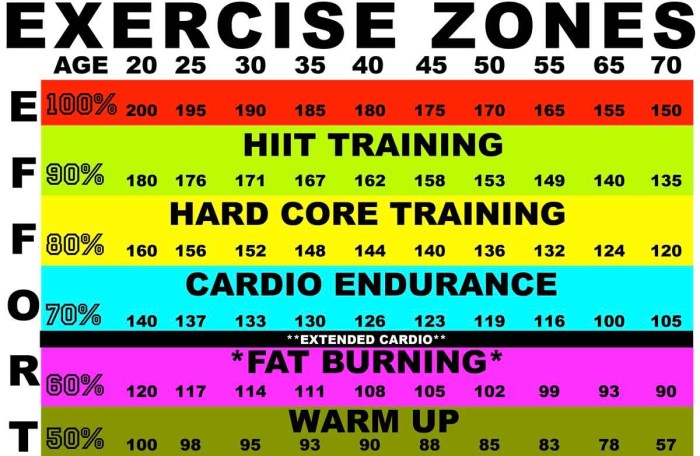
Age, fitness level, genetics, medications, and underlying health conditions can all influence an individual’s maximum heart rate. These factors play a crucial role in determining how high the heart rate can go during physical activity.
Age
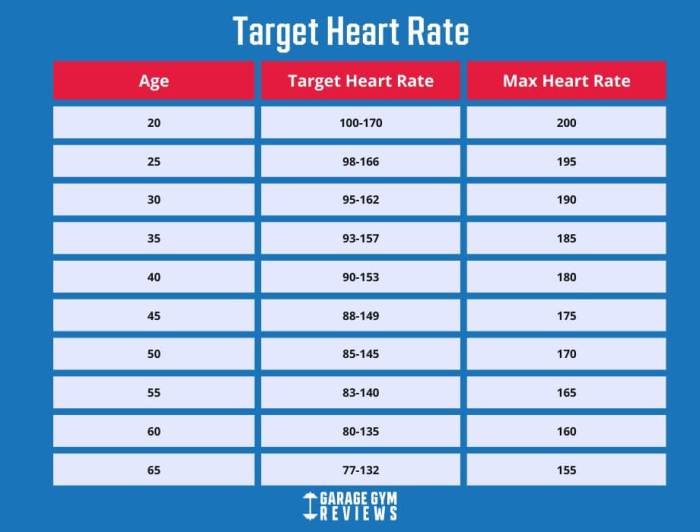
As individuals age, their maximum heart rate typically decreases. This is a natural part of the aging process, as the heart muscle may not be able to beat as fast as it did in younger years. The general formula for estimating maximum heart rate is 220 minus your age, but this is just a rough estimate and can vary among individuals.
Fitness Level
People who are more physically fit tend to have a lower resting heart rate and a higher maximum heart rate. Regular exercise can improve cardiovascular health, making the heart more efficient at pumping blood and oxygen to the muscles. This allows fit individuals to reach higher heart rates during exercise.
Genetics
Genetics can also play a role in determining an individual’s maximum heart rate. Some people may naturally have a higher or lower maximum heart rate based on their genetic makeup. While genetics cannot be changed, they can influence how each person responds to exercise and physical activity.
Medications and Health Conditions
Certain medications or underlying health conditions can impact maximum heart rate. For example, beta-blockers are medications that can lower heart rate, while stimulants can increase it. Health conditions such as heart disease or high blood pressure can also affect how high the heart rate can go during exercise.
It is essential to consult with a healthcare provider before starting an exercise program if you have any health concerns.
Methods of Calculating Maximum Heart Rate
Calculating maximum heart rate is crucial for optimizing exercise intensity and achieving fitness goals. There are various methods available to determine this key metric.
Age-Based Formula
The most common method used to calculate maximum heart rate is the age-based formula, which involves subtracting your age from 220. This simple formula provides a general estimate of your maximum heart rate.
- Maximum Heart Rate = 220 – Age
Karvonen Formula
Another approach to calculating maximum heart rate is the Karvonen formula, which takes into account your resting heart rate. This formula is more personalized and provides a more accurate estimation of your maximum heart rate.
Maximum Heart Rate = ((220
- Age)
- Resting Heart Rate)
- Intensity + Resting Heart Rate
The Karvonen formula adjusts the maximum heart rate based on your fitness level, making it a more precise method for determining optimal exercise intensity.
Implications of Maximum Heart Rate in Exercise
Understanding your maximum heart rate can greatly impact the effectiveness of your workout routine. By knowing this number, you can tailor your exercise intensity to optimize performance and achieve your fitness goals more efficiently. Monitoring your heart rate during exercise is a valuable tool in preventing overexertion and ensuring a safe and effective workout.
Optimizing Workout Intensity
- By staying within a certain percentage of your maximum heart rate during exercise, you can ensure that you are working at an intensity level that is appropriate for your fitness goals.
- For example, if your goal is to improve endurance, you may aim to keep your heart rate within a lower range during longer cardio sessions.
- On the other hand, if you are looking to increase your speed and power, you may push your heart rate higher during shorter, more intense workouts.
Heart Rate Zones and Fitness Goals
- Heart rate zones are specific ranges of heartbeats per minute that correspond to different levels of exercise intensity.
- Each zone targets different fitness goals, such as fat burning, aerobic endurance, anaerobic threshold, and maximum effort.
- By understanding these zones and how they relate to your maximum heart rate, you can design a workout plan that aligns with your desired outcomes.
Preventing Overexertion and Improving Fitness
- Monitoring your heart rate during exercise can help you avoid pushing yourself too hard, which can lead to fatigue, injury, or burnout.
- By staying within your target heart rate zones, you can build cardiovascular fitness, improve endurance, and track your progress over time.
- Consistently monitoring your heart rate can also help you make adjustments to your workout routine to ensure you are challenging yourself appropriately without putting your health at risk.
Wellness Programs
Wellness programs play a crucial role in promoting overall health by focusing on various aspects to improve an individual’s well-being.
Incorporating Various Aspects
Wellness programs are designed to incorporate different components such as exercise, nutrition, stress management, and preventive care to address the holistic health needs of individuals.
- Exercise: Regular physical activity is essential for maintaining a healthy weight, improving cardiovascular health, and boosting overall well-being.
- Nutrition: Proper nutrition is vital for providing the body with essential nutrients and energy to function optimally.
- Stress Management: Techniques such as mindfulness, meditation, and relaxation exercises are incorporated to help individuals cope with stress effectively.
- Preventive Care: Wellness programs focus on preventive measures such as regular health screenings and vaccinations to detect and prevent potential health issues.
Benefits of Participating
Participating in wellness programs can offer numerous benefits for individuals seeking holistic health improvements.
- Improved Physical Health: Regular exercise and healthy eating habits can lead to better physical fitness and a reduced risk of chronic diseases.
- Enhanced Mental Well-being: Stress management techniques can help individuals cope with daily stressors and improve their mental health.
- Increased Productivity: Healthy employees are more productive, engaged, and motivated in their work, leading to better overall performance.
- Cost Savings: Preventive care measures can help reduce healthcare costs by detecting and addressing health issues early on.
Herbal Remedies
Herbal remedies are natural plant-based solutions that have been used for centuries in traditional and alternative medicine practices. These remedies often involve the use of various parts of plants, such as leaves, roots, flowers, and seeds, to harness their medicinal properties and promote overall health and well-being.
Common Herbal Remedies for Heart Health, Inflammation, and Immunity
- Ginger: Known for its anti-inflammatory properties, ginger can help reduce inflammation in the body, including in the heart. It may also support heart health by lowering cholesterol levels and improving blood circulation.
- Hawthorn: Used to promote heart health, hawthorn is believed to strengthen the heart muscle, regulate blood pressure, and improve overall cardiovascular function.
- Echinacea: Often used to boost immunity, echinacea can help the body fight off infections and reduce the risk of illness, supporting overall well-being.
- Turmeric: With its active compound curcumin, turmeric is a powerful anti-inflammatory herb that may help reduce inflammation in the body and support heart health.
It is essential to consult with a healthcare professional before incorporating herbal remedies into your wellness routine, especially if you are taking medications or have underlying health conditions.
Skin Health
Maintaining skin health is crucial for overall well-being as the skin is the body’s largest organ and serves as a protective barrier against external elements. Healthy skin not only enhances our physical appearance but also plays a vital role in regulating body temperature and protecting us from infections.
Factors Impacting Skin Health
- Poor Diet: Consuming a diet high in processed foods, sugar, and unhealthy fats can lead to skin issues such as acne and premature aging.
- Hydration: Dehydration can result in dry, flaky skin and accentuate the appearance of fine lines and wrinkles.
- Sun Exposure: Exposure to UV rays can cause sunburn, skin damage, and increase the risk of skin cancer.
- Skincare Routines: Using harsh chemicals or products not suitable for your skin type can irritate the skin and lead to inflammation.
Tips for Healthy Skin
- Stay Hydrated: Drink plenty of water throughout the day to keep your skin hydrated from within.
- Eat a Balanced Diet: Include fruits, vegetables, lean proteins, and healthy fats in your diet to nourish your skin.
- Protect from Sun: Use sunscreen with at least SPF 30, wear protective clothing, and seek shade to shield your skin from harmful UV rays.
- Establish a Skincare Routine: Cleanse, exfoliate, moisturize, and use products suitable for your skin type to maintain skin health.
Bone Density
Maintaining healthy bone density is crucial in preventing osteoporosis and reducing the risk of fractures. Bone density refers to the amount of mineral content in bones, which determines their strength and resilience. Factors like age, gender, nutritional intake, and physical activity levels can significantly impact bone density.
Factors Influencing Bone Density
- Age: Bone density tends to decrease with age, especially in postmenopausal women.
- Gender: Women are at a higher risk of developing osteoporosis due to lower peak bone mass compared to men.
- Nutrition: Adequate intake of calcium, vitamin D, and other nutrients is essential for maintaining optimal bone density.
- Physical Activity: Weight-bearing exercises and strength training can help improve bone density.
Strategies for Healthy Bone Density
- Include calcium-rich foods like dairy products, leafy greens, and fortified foods in your diet.
- Ensure sufficient vitamin D intake through sunlight exposure and supplementation if needed.
- Engage in weight-bearing exercises such as walking, running, dancing, or resistance training.
- Avoid smoking and limit alcohol consumption, as these habits can negatively impact bone health.
Muscle Mass
Muscle mass plays a crucial role in metabolism, strength, and overall health. Having adequate muscle mass can help increase metabolism, which in turn can aid in weight management. Additionally, stronger muscles can improve balance, posture, and reduce the risk of injuries.
Factors Affecting Muscle Mass
- Age: As we age, we tend to lose muscle mass, especially if we are not actively engaging in resistance training.
- Exercise Routine: Regular strength training exercises can help increase muscle mass and strength.
- Nutrition: Consuming an adequate amount of protein, along with other essential nutrients, is important for muscle growth and repair.
Tips for Increasing Muscle Mass
- Resistance Training: Incorporate exercises like weight lifting, bodyweight exercises, or resistance bands to stimulate muscle growth.
- Adequate Protein Intake: Make sure to consume enough protein to support muscle repair and growth. Aim for around 1.2 to 2.0 grams of protein per kilogram of body weight.
- Recovery Strategies: Allow your muscles to recover by getting enough rest, staying hydrated, and incorporating stretching or foam rolling into your routine.
Dental Care
Maintaining good dental care is crucial for overall health and well-being. It not only helps prevent dental problems but also contributes to better oral health. Common dental issues such as cavities, gum disease, and oral infections can be prevented with proper oral hygiene practices and regular dental check-ups.
Importance of Dental Care
- Poor dental health can lead to various health issues beyond the mouth, including heart disease and diabetes.
- Regular dental check-ups can help detect early signs of dental problems and prevent them from worsening.
- Good oral hygiene practices, such as brushing twice a day and flossing, can prevent tooth decay and gum disease.
Common Dental Issues
- Cavities: Holes in the teeth caused by bacterial plaque that erodes the enamel.
- Gum Disease: Inflammation of the gums caused by bacteria and plaque buildup.
- Oral Infections: Infections in the mouth, such as abscesses, caused by bacteria or viruses.
Recommendations for Good Oral Hygiene
- Brush teeth at least twice a day with fluoride toothpaste.
- Floss daily to remove plaque between teeth.
- Limit sugary foods and drinks that can contribute to tooth decay.
- Visit the dentist for regular check-ups and cleanings.
Eye Health
Maintaining good eye health is crucial for overall well-being. Regular eye examinations are essential for detecting any potential issues early on and preventing further complications.
Common Eye Conditions
- Myopia, also known as nearsightedness, is a common refractive error where distant objects appear blurry.
- Cataracts involve the clouding of the lens in the eye, leading to vision impairment.
- Glaucoma is a group of eye conditions that damage the optic nerve, often caused by high intraocular pressure.
Tips for Maintaining Good Eye Health
- Ensure proper nutrition with foods rich in vitamins A, C, and E, as well as omega-3 fatty acids.
- Wear protective eyewear, such as sunglasses, to shield your eyes from harmful UV rays and debris.
- Schedule regular eye screenings with an optometrist or ophthalmologist to monitor your eye health.
Mental Clarity
Mental clarity refers to the state of having a clear and focused mind, enabling better cognitive function and improved concentration. It plays a crucial role in our daily lives, impacting decision-making, problem-solving, and overall productivity.
Factors Affecting Mental Clarity
Factors such as stress, sleep deprivation, and poor nutrition can significantly affect mental clarity. Stress can lead to mental fog and decreased cognitive function, while lack of quality sleep disrupts brain function and impairs focus. Additionally, a diet lacking essential nutrients can impact brain health and cognitive performance.
- Practice mindfulness: Engaging in mindfulness meditation and breathing exercises can help reduce stress levels and improve mental clarity.
- Brain exercises: Stimulating the brain with puzzles, games, or learning new skills can enhance cognitive function and boost mental clarity.
- Stress management techniques: Adopting stress-reducing strategies such as regular exercise, adequate sleep, and time management can help improve mental clarity.
Joint Flexibility
Having good joint flexibility is crucial for maintaining mobility and preventing injuries. Flexible joints allow for a full range of motion, making daily activities easier and reducing the risk of strains or sprains.
Factors Influencing Joint Flexibility
- Age: As we age, our joints tend to become stiffer and less flexible. Regular stretching and exercise can help counteract this natural decline.
- Physical Activity: Active individuals typically have better joint flexibility due to regular movement and exercise that keeps the joints supple.
- Arthritis: Conditions like arthritis can affect joint flexibility, causing pain and stiffness. Proper management and exercise can help improve flexibility and reduce symptoms.
Exercises and Stretches to Improve Joint Flexibility
- Yoga: Yoga poses focus on stretching and strengthening muscles around the joints, improving flexibility and reducing stiffness.
- Dynamic Stretching: Dynamic stretches involve moving joints through a full range of motion, helping to improve flexibility and warm up the muscles before exercise.
- Joint Mobilization Exercises: These exercises aim to improve the movement of specific joints, promoting flexibility and reducing tightness.
- Foam Rolling: Using a foam roller can help release tension in muscles around the joints, increasing flexibility and reducing stiffness.
Digestive Health
Digestive health refers to the efficient functioning of the digestive system, which plays a crucial role in breaking down food, absorbing nutrients, and eliminating waste from the body. Good digestive health is essential for overall well-being as it ensures proper nutrient absorption, supports the immune system, and maintains a healthy balance of gut bacteria.
Common Digestive Issues
- Indigestion: Indigestion, also known as dyspepsia, is characterized by discomfort or pain in the upper abdomen, bloating, and feeling full quickly during or after eating. It can be caused by overeating, eating too quickly, or consuming spicy or fatty foods.
- Bloating: Bloating is a common digestive issue that causes the abdomen to feel full, tight, and swollen. It can be triggered by gas accumulation in the digestive tract, overeating, or consuming certain foods that are difficult to digest.
- Irritable Bowel Syndrome (IBS): IBS is a chronic gastrointestinal disorder that affects the large intestine and can cause symptoms like abdominal pain, bloating, diarrhea, and constipation. Triggers for IBS can vary from person to person and may include stress, certain foods, or hormonal changes.
Tips for Promoting Digestive Health
- Follow a balanced diet rich in fiber, fruits, vegetables, whole grains, and lean proteins to support healthy digestion and regular bowel movements.
- Stay hydrated by drinking an adequate amount of water throughout the day to help maintain the proper function of the digestive system.
- Incorporate gut-friendly foods like yogurt, kefir, sauerkraut, and kimchi into your diet to promote the growth of beneficial gut bacteria.
Detox Process
Detoxification is the process of eliminating toxins from the body to improve overall health and well-being. By removing harmful substances and waste products, detox programs aim to boost the immune system, increase energy levels, and promote better digestion.
Methods of Detoxing
- Dietary Changes: Adopting a diet rich in fruits, vegetables, whole grains, and lean proteins can support the body’s natural detoxification processes.
- Cleanses: Short-term cleanses or detox programs often involve consuming specific foods or drinks to help flush out toxins.
- Fasting: Some detox programs recommend fasting for a period of time to give the digestive system a break and allow the body to focus on eliminating toxins.
Consulting Healthcare Professionals
It is essential to consult with healthcare professionals before starting any detox program, especially if you have underlying health conditions or are taking medications. They can provide guidance on the safest and most effective ways to detoxify your body without causing harm.
Blood Pressure
Blood pressure is the force of blood pushing against the walls of the arteries as the heart pumps blood. It is an important indicator of cardiovascular health and can help assess the risk of heart disease, stroke, and other health conditions.
Categories of Blood Pressure
- Normal Blood Pressure: Blood pressure readings below 120/80 mmHg are considered normal. This indicates a healthy cardiovascular system with optimal blood flow and heart function.
- High Blood Pressure (Hypertension): High blood pressure, indicated by readings consistently above 130/80 mmHg, can strain the heart and blood vessels, leading to serious health issues if left unmanaged.
- Low Blood Pressure (Hypotension): Blood pressure readings below 90/60 mmHg may indicate poor blood flow to vital organs, causing symptoms like dizziness, fatigue, and fainting.
Managing Blood Pressure Levels
- Healthy Diet: Consuming a diet rich in fruits, vegetables, whole grains, and lean proteins can help maintain a healthy blood pressure.
- Regular Exercise: Engaging in physical activity for at least 150 minutes per week can improve heart health and lower blood pressure.
- Weight Management: Maintaining a healthy weight through diet and exercise can reduce the risk of high blood pressure.
- Stress Reduction: Managing stress through relaxation techniques, meditation, or hobbies can help lower blood pressure levels.
- Medication: In cases of hypertension, doctors may prescribe medications to help control blood pressure and reduce the risk of complications.
Health Screenings
Regular health screenings are essential for the early detection of diseases, allowing for timely intervention and treatment. These screenings help identify potential health issues before they become serious, leading to better health outcomes and quality of life.
Common Health Screenings
- Cholesterol Tests: These tests measure the levels of cholesterol in the blood, which is crucial for assessing heart health and risk of cardiovascular diseases.
- Mammograms: Mammograms are used to detect breast cancer in its early stages, increasing the chances of successful treatment and recovery.
- Blood Sugar Tests: These tests help monitor blood glucose levels, aiding in the prevention and management of diabetes.
Benefits of Preventive Screenings
Regular preventive screenings play a vital role in maintaining overall health and well-being by enabling healthcare providers to detect and address health issues early on. These screenings can help prevent the progression of diseases, reduce healthcare costs, and improve the quality of life for individuals.
Vaccination Programs
Vaccination programs play a crucial role in preventing infectious diseases by providing immunity against harmful pathogens. These programs are designed to protect individuals of all ages from serious illnesses and contribute to public health by reducing the spread of contagious diseases.
Role of Vaccination Programs in Preventing Infectious Diseases
Vaccination programs are essential in preventing the spread of infectious diseases by stimulating the immune system to produce antibodies against specific pathogens. By administering vaccines, individuals develop immunity without having to experience the full-blown illness, thus reducing the risk of infection and transmission to others.
Importance of Vaccinations for Individuals of All Ages
- Vaccinations are crucial for infants and children to protect them from harmful diseases at an early age when their immune systems are still developing.
- Adults benefit from vaccinations to maintain immunity against diseases they may have been vaccinated for in childhood or to receive booster shots for continued protection.
- Elderly individuals can benefit from vaccinations to prevent complications from vaccine-preventable diseases that may be more severe in older age.
Common Misconceptions About Vaccines and Their Effectiveness in Public Health
- Common misconceptions about vaccines include concerns about safety, side effects, and the belief that vaccines are not necessary due to improved sanitation and hygiene. However, vaccines undergo rigorous testing to ensure safety and effectiveness.
- Vaccines have been instrumental in eradicating diseases such as smallpox and significantly reducing the prevalence of others like polio, measles, and influenza, demonstrating their effectiveness in public health.
- Public health initiatives, including vaccination programs, have led to a decrease in mortality rates and improved overall health outcomes by preventing the spread of infectious diseases.
Healthy Habits
Healthy habits are routines or behaviors that contribute to overall wellness and help individuals maintain a healthy lifestyle. These habits have a significant impact on physical, mental, and emotional well-being.
Components of a Healthy Lifestyle
A healthy lifestyle consists of various components that work together to promote well-being. These components include:
- Regular Exercise: Engaging in physical activity helps improve cardiovascular health, build strength, and boost mood.
- Healthy Nutrition: Eating a balanced diet rich in fruits, vegetables, whole grains, and lean proteins provides essential nutrients for optimal body function.
- Adequate Sleep: Getting enough quality sleep is crucial for overall health, as it allows the body to rest, repair, and recharge.
- Stress Management: Practicing stress-relieving techniques such as mindfulness, meditation, or deep breathing can help reduce the impact of stress on the body.
Tips for Developing Healthy Habits
Developing and maintaining healthy habits requires consistency and commitment. Here are some tips to help you establish long-term health benefits:
- Start small and gradually increase the intensity or duration of your healthy habits to avoid burnout.
- Set specific, achievable goals to track your progress and stay motivated.
- Find activities you enjoy to make healthy habits more sustainable and enjoyable.
- Establish a routine and make healthy choices a natural part of your daily life.
- Seek support from friends, family, or a healthcare professional to stay accountable and motivated.
Balanced Hormones
Maintaining balanced hormones is crucial for various bodily functions. Hormones act as messengers in the body, regulating processes such as metabolism, growth, mood, and reproduction. When hormones are imbalanced, it can lead to a range of health issues and impact overall well-being.
Factors Influencing Hormone Balance
- Stress: Chronic stress can disrupt hormone levels, particularly cortisol and adrenaline, leading to imbalances.
- Diet: Consuming a diet high in processed foods, sugar, and unhealthy fats can affect hormone production and regulation.
- Medical Conditions: Certain medical conditions like thyroid disorders or polycystic ovary syndrome (PCOS) can disrupt hormone balance.
Promoting Hormonal Balance
- Healthy Lifestyle: Regular exercise, stress management techniques, and quality sleep can help support hormonal balance.
- Balanced Diet: Eating a diet rich in fruits, vegetables, lean proteins, and healthy fats can aid in maintaining hormone levels.
- Potential Treatments: In some cases, hormone replacement therapy or specific medications may be necessary to restore balance.
Health Coaching
Health coaching is a personalized approach to helping individuals achieve their health goals by providing guidance, support, and motivation. It involves working closely with a health coach to create a tailored plan that addresses specific needs and challenges.
Role of Health Coaching
Health coaching plays a crucial role in supporting individuals in making positive lifestyle changes. By offering personalized guidance and motivation, health coaches empower clients to take control of their health and well-being. They work collaboratively with clients to set achievable goals, develop action plans, and provide ongoing support and accountability.
- Health coaches help clients identify obstacles and develop strategies to overcome them.
- They provide education on nutrition, exercise, stress management, and other health-related topics.
- Health coaches offer emotional support and encouragement to help clients stay motivated and focused on their goals.
- They help clients track progress, adjust goals as needed, and celebrate successes along the way.
Benefits of Health Coaching
Working with a health coach can have numerous benefits, including:
- Personalized guidance and support tailored to individual needs.
- Motivation and accountability to stay on track with health goals.
- Education on healthy lifestyle habits and behavior change strategies.
- Improved overall health and well-being through sustainable lifestyle changes.
Examples of Health Coaching Techniques
Health coaches use a variety of techniques to empower individuals to make positive changes, such as:
- Motivational interviewing to help clients explore their values and goals.
- Goal setting to create specific, measurable, achievable, relevant, and time-bound objectives.
- Behavior change strategies to address habits and patterns that may be hindering progress.
- Positive reinforcement and encouragement to build confidence and self-efficacy.
Fitness Goals
Setting fitness goals is crucial for staying motivated and tracking progress on your wellness journey. Whether you aim to lose weight, build muscle, improve endurance, or enhance flexibility, clear goals provide a roadmap to success.
Importance of Setting Fitness Goals
- Establishing specific goals helps you stay focused and driven during workouts.
- Measurable goals allow you to track your achievements and adjust your fitness routine accordingly.
- Setting realistic goals prevents burnout and promotes a sustainable approach to fitness.
- Having clear targets increases accountability and encourages consistency in your exercise regimen.
Establishing Realistic and Measurable Fitness Goals
- Identify your current fitness level and consider your ultimate objectives.
- Break down larger goals into smaller, achievable milestones to track progress effectively.
- Set deadlines for each goal to create a sense of urgency and maintain motivation.
- Consult with a fitness professional to ensure your goals align with your capabilities and timeframe.
Staying Committed and Adjusting Goals
- Stay committed by creating a workout schedule and prioritizing exercise in your daily routine.
- Celebrate small victories along the way to stay motivated and inspired to continue.
- Regularly assess your progress and adjust your goals based on your evolving fitness level and preferences.
- Seek support from friends, family, or a fitness community to stay accountable and motivated throughout your fitness journey.
Diet Planning
Balanced nutrition plays a crucial role in supporting overall health and fitness. A well-rounded diet provides essential nutrients that help optimize bodily functions, promote energy levels, and enhance performance during exercise. Effective diet planning involves various principles such as portion control, nutrient balance, and meal timing.
By understanding these principles, individuals can create a sustainable and healthy eating plan tailored to their specific dietary needs.
Significance of Balanced Nutrition
- Balanced nutrition ensures that the body receives all the necessary vitamins, minerals, and macronutrients to function optimally.
- It supports muscle growth and repair, boosts immunity, and aids in weight management.
- Proper nutrition can improve energy levels, mental clarity, and overall well-being.
Principles of Effective Diet Planning
- Portion Control: Monitoring portion sizes helps prevent overeating and promotes weight management.
- Nutrient Balance: Including a variety of foods rich in carbohydrates, proteins, fats, vitamins, and minerals ensures a well-rounded diet.
- Meal Timing: Eating at regular intervals and incorporating pre- and post-workout meals can optimize energy levels and recovery.
Tips for Creating a Healthy Eating Plan
- Prioritize whole, unprocessed foods such as fruits, vegetables, lean proteins, whole grains, and healthy fats.
- Stay hydrated by drinking an adequate amount of water throughout the day.
- Plan meals in advance to avoid unhealthy food choices when hungry or pressed for time.
- Listen to your body’s hunger and fullness cues to maintain a healthy relationship with food.
Health Supplements
Health supplements play a crucial role in complementing our diet and addressing any nutritional deficiencies that we may have. They can provide essential vitamins, minerals, and other nutrients that our bodies need to function optimally.
Types of Supplements
- Vitamins: These are organic compounds that are essential for various bodily functions. Common vitamins include Vitamin C, Vitamin D, and the B vitamins.
- Minerals: These are inorganic elements that are vital for maintaining health. Examples include calcium, iron, and magnesium.
- Herbal Extracts: These are supplements derived from plants that are believed to have medicinal properties. Common herbal extracts include echinacea, ginseng, and turmeric.
Choosing High-Quality Supplements
- Look for supplements from reputable brands that have been tested for quality and purity.
- Check for certifications from third-party organizations like the USP or NSF.
- Consider the form of the supplement (capsules, tablets, liquid) based on your preference and absorption rate.
Proper Dosages and Interactions
- Follow the recommended dosage on the supplement label unless advised otherwise by a healthcare professional.
- Avoid taking supplements that may interact with medications you are currently taking without consulting a doctor.
- Be aware of potential side effects and stop taking the supplement if you experience any adverse reactions.
Breathing Techniques
Proper breathing techniques play a crucial role in promoting relaxation, reducing stress, and enhancing exercise performance. By focusing on our breath, we can improve our overall well-being and achieve better results in various aspects of life.
Diaphragmatic Breathing
Diaphragmatic breathing, also known as abdominal or deep breathing, involves engaging the diaphragm to take deep breaths. This technique helps to increase oxygen intake, reduce stress levels, and promote relaxation. To practice diaphragmatic breathing, sit or lie down comfortably, place one hand on your chest and the other on your abdomen, inhale deeply through your nose, and feel your abdomen rise as you fill your lungs with air.
Exhale slowly through your mouth, feeling your abdomen fall. Repeat this process several times to experience its calming effects.
Pursed Lip Breathing, How to calculate maximum heart rate for exercise
Pursed lip breathing is a technique that can help improve breathing efficiency and reduce shortness of breath. To practice pursed lip breathing, inhale slowly through your nose for a count of two, pucker your lips as if you were going to whistle, and exhale slowly and gently through your pursed lips for a count of four.
This technique helps to keep your airways open longer, allowing for better oxygen exchange in the lungs and promoting relaxation.
Box Breathing
Box breathing, also known as square breathing, is a simple yet effective technique to enhance focus, reduce stress, and calm the mind. To practice box breathing, inhale deeply through your nose for a count of four, hold your breath for a count of four, exhale slowly through your mouth for a count of four, and hold your breath again for a count of four.
Repeat this process in a rhythmic manner to create a sense of balance and relaxation.
Disease Prevention: How To Calculate Maximum Heart Rate For Exercise
Preventing diseases through lifestyle choices and proactive measures is crucial for maintaining overall health and well-being. By adopting healthy habits and undergoing regular screenings, individuals can significantly reduce their risk of developing various chronic conditions.
Common Preventable Diseases
- Heart Disease: One of the leading causes of death worldwide, heart disease can often be prevented by maintaining a healthy diet, engaging in regular physical activity, and avoiding smoking.
- Diabetes: Type 2 diabetes, in particular, is closely linked to lifestyle factors such as poor diet and lack of exercise. Making healthy choices can help prevent the onset of this condition.
- Certain Cancers: While not all cancers are preventable, lifestyle factors like maintaining a healthy weight, limiting alcohol consumption, and avoiding tobacco can reduce the risk of developing certain types of cancer.
Strategies for Risk Reduction
- Healthy Habits: Eating a balanced diet, staying physically active, getting enough sleep, and managing stress are all key components of disease prevention.
- Regular Screenings: Routine health screenings can help detect potential health issues early on, allowing for timely intervention and treatment.
Pain Management
Pain management involves various approaches to alleviate acute or chronic pain, aiming to improve quality of life and overall well-being. These approaches can range from non-pharmacological methods to medication, surgery, and lifestyle modifications.
Non-Pharmacological Methods for Pain Relief
Physical therapy, such as exercises and stretches, can help strengthen muscles and improve flexibility, reducing pain levels. Acupuncture, an alternative medicine practice, involves inserting thin needles into specific points on the body to stimulate healing and pain relief. Mindfulness techniques, such as meditation and deep breathing exercises, can help individuals manage pain by promoting relaxation and reducing stress levels.
Role of Medication, Surgery, and Lifestyle Modifications
Medication, such as over-the-counter pain relievers or prescription drugs, can help manage pain by reducing inflammation or blocking pain signals. In some cases, surgery may be necessary to address the underlying cause of pain, especially for conditions like herniated discs or joint problems.
Lifestyle modifications, including maintaining a healthy weight, practicing good posture, and avoiding activities that worsen pain, can also play a crucial role in managing pain effectively.
Holistic Treatments
Holistic treatments encompass an approach that addresses the physical, emotional, and spiritual aspects of health. Unlike traditional medicine that focuses solely on symptoms, holistic treatments aim to treat the whole person, considering their overall well-being and lifestyle.
Alternative Therapies
- Acupuncture: This ancient Chinese practice involves inserting thin needles into specific points on the body to stimulate energy flow and promote healing. It is commonly used to alleviate pain, reduce stress, and improve overall well-being.
- Aromatherapy: Aromatherapy utilizes essential oils extracted from plants to enhance physical and psychological well-being. The scents can be inhaled or applied topically to promote relaxation, reduce anxiety, and improve mood.
- Chiropractic Care: Chiropractors focus on the alignment of the spine and musculoskeletal system to alleviate pain, improve mobility, and enhance overall health. Through adjustments and manipulations, chiropractic care aims to restore the body’s natural balance.
Benefits of Holistic Treatments
- Comprehensive Approach: Holistic treatments address the root cause of health issues, rather than just managing symptoms.
- Personalized Care: Practitioners consider each individual’s unique needs and create tailored treatment plans.
- Emotional Well-being: Holistic treatments promote emotional balance and stress reduction, leading to improved mental health.
Mental Resilience
Mental resilience is the ability to adapt and bounce back from adversity, trauma, or stress. It involves coping with challenges, maintaining a positive outlook, and staying strong in difficult situations. Building mental resilience is crucial for overall well-being and can help individuals navigate through life’s ups and downs effectively.
Factors Contributing to Mental Resilience
- Social Support: Having a strong support system of friends, family, or community can provide comfort and encouragement during tough times.
- Self-Care: Taking care of oneself physically, emotionally, and mentally through healthy habits like exercise, proper nutrition, and adequate rest can boost resilience.
- Positive Mindset: Cultivating a positive outlook, practicing gratitude, and focusing on strengths rather than weaknesses can enhance mental resilience.
Strategies for Enhancing Mental Resilience
- Mindfulness: Engaging in mindfulness practices such as meditation, deep breathing, or yoga can help manage stress and build resilience.
- Self-Reflection: Reflecting on past experiences, identifying strengths and areas for growth, and learning from challenges can foster resilience.
- Stress Management Techniques: Developing healthy coping mechanisms like journaling, talking to a therapist, or engaging in hobbies can improve resilience in the face of stressors.
Closing Summary
In conclusion, understanding and applying the insights shared in this guide can empower individuals to optimize their exercise routines, monitor their progress effectively, and achieve their fitness goals with precision and safety.
Key Questions Answered
How do age, fitness level, and genetics influence maximum heart rate?
These factors play a crucial role in determining an individual’s maximum heart rate, with age generally affecting it inversely, while fitness level and genetics can also impact the rate.
Why is it important to calculate maximum heart rate for exercise?
Knowing your maximum heart rate helps tailor your workouts to specific intensity levels, ensuring safe and effective training that aligns with your fitness goals.
What are the risks associated with inaccurate maximum heart rate calculations?
Inaccurate calculations can lead to overexertion, ineffective workouts, or potential health risks, emphasizing the need for precision in determining this crucial metric.