Nutritionist-approved diet plans: Your Path to Better Health

Nutritionist-approved diet plans

Nutritionist-approved diet plans set the stage for this enthralling narrative, offering readers a glimpse into a story that is rich in detail and brimming with originality from the outset. Wellness programs, herbal remedies, skin health, bone density, muscle mass, and more – all intricately woven into the fabric of a healthier lifestyle.

Dive in to discover the secrets to a balanced and nourishing diet that will transform your well-being inside and out.

Wellness Programs

Wellness programs play a crucial role in promoting overall health by focusing on various aspects of well-being, including physical, mental, and emotional health. These programs aim to educate individuals on healthy lifestyle choices, provide support and resources to help them make positive changes, and create a sense of community and accountability.

Types of Wellness Programs

  • Employee Wellness Programs: Offered by employers to promote the health and well-being of their employees through initiatives such as fitness challenges, nutrition education, and stress management workshops.
  • Community Wellness Programs: Organized by local community centers, gyms, or healthcare facilities to provide access to fitness classes, health screenings, and support groups for individuals of all ages.
  • Online Wellness Programs: Virtual platforms that offer resources, tools, and support for individuals to improve their health and well-being from the comfort of their homes.

Benefits of Wellness Programs

  • Improved Physical Health: Wellness programs encourage regular exercise, healthy eating habits, and preventive screenings, leading to better overall physical health.
  • Enhanced Mental Well-being: By promoting stress management techniques, mindfulness practices, and mental health resources, wellness programs support mental well-being and reduce the risk of burnout and anxiety.
  • Increased Productivity: Healthy employees are more productive, engaged, and motivated, resulting in higher job satisfaction and lower absenteeism rates.
  • Sense of Community: Participating in wellness programs fosters a sense of community and support, creating a positive environment for individuals to connect, share experiences, and motivate each other.

Herbal Remedies

Herbal remedies have been used for centuries to support overall health and well-being. When incorporated into a nutritionist-approved diet plan, these natural remedies can provide additional benefits and support various health concerns.

Popular Herbal Remedies

  • Milk Thistle: Known for its liver-protecting properties, milk thistle is often used to support liver health and detoxification.
  • Ginger: This powerful herb is commonly used to aid digestion, reduce inflammation, and alleviate nausea.
  • Echinacea: Widely used to support the immune system and reduce the duration of colds and flu.
  • Valerian Root: Often used as a natural remedy for insomnia and to promote relaxation and improve sleep quality.

It is important to note that while herbal remedies can offer various health benefits, it is crucial to consult with a healthcare professional before incorporating them into your diet plan. Some herbs may interact with medications or have contraindications for certain health conditions.

Seeking guidance from a qualified professional will ensure that the herbal remedies are safe and effective for your individual needs.

Skin Health

Maintaining healthy skin is not just about what products you use topically, but also what you feed your body. Your diet plays a crucial role in the health and appearance of your skin.

Nutrients for Healthy Skin

Eating a balanced diet rich in essential nutrients can help promote healthy skin from within. Some key nutrients that are essential for maintaining healthy skin include:

  • Vitamin C: Helps in collagen production and protects the skin from sun damage.
  • Vitamin E: Acts as an antioxidant, protecting the skin from free radicals.
  • Omega-3 fatty acids: Maintain the skin’s natural oil barrier, preventing dryness and inflammation.
  • Zinc: Helps in wound healing and reduces inflammation in the skin.
  • Antioxidants: Found in fruits and vegetables, they help fight oxidative stress and prevent premature aging.

Tips for Improving Skin Health

Aside from including skin-friendly nutrients in your diet, here are some tips to improve your skin health through diet and lifestyle changes:

  • Stay hydrated by drinking plenty of water to keep your skin hydrated and plump.
  • Eat a variety of fruits and vegetables to get a range of vitamins and minerals that benefit the skin.
  • Limit processed foods and sugar intake, as they can lead to inflammation and skin issues.
  • Get enough sleep to allow your skin to regenerate and repair itself overnight.
  • Protect your skin from the sun by using sunscreen and wearing protective clothing.

Bone Density

Having strong bone density is crucial for overall health as it helps prevent fractures and osteoporosis, especially as we age. Maintaining optimal bone density is essential for supporting our skeletal structure and overall mobility.

Importance of Diet and Exercise

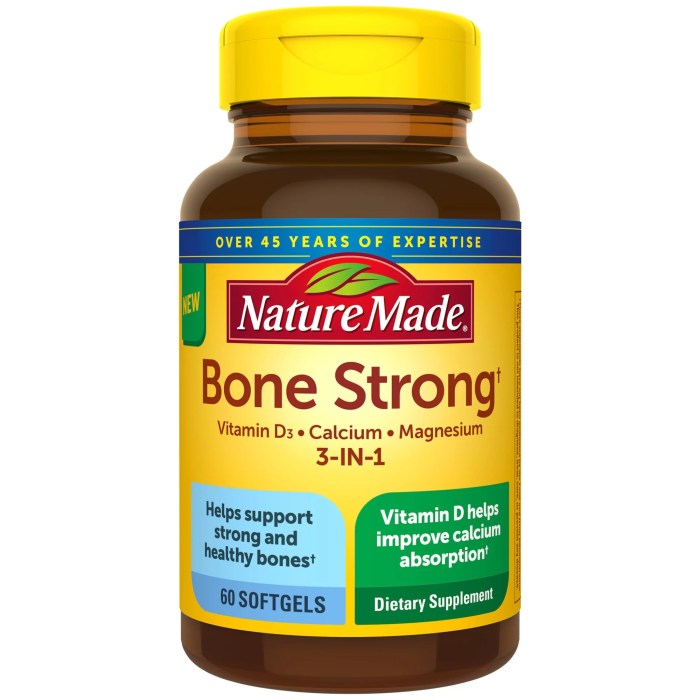
Both diet and exercise play a significant role in improving and maintaining bone density. A balanced diet rich in calcium, vitamin D, magnesium, and other essential nutrients is essential for bone health. Regular weight-bearing exercises such as walking, jogging, or resistance training help stimulate bone growth and strength.

Nutritionist-Approved Diet Plans for Bone Health

  • Include calcium-rich foods such as dairy products, leafy greens, almonds, and tofu in your meals.
  • Consume foods high in vitamin D like fatty fish, egg yolks, and fortified cereals to aid in calcium absorption.
  • Incorporate magnesium sources such as nuts, seeds, whole grains, and legumes to support bone strength.
  • Ensure an adequate intake of vitamin K from foods like spinach, broccoli, and Brussels sprouts, which play a role in bone mineralization.
  • Limit sodium, caffeine, and alcohol intake as they can negatively impact bone health.

Muscle Mass

Building and maintaining muscle mass is crucial for overall health and fitness. Proper nutrition plays a key role in supporting muscle growth and repair.

Importance of Protein

Protein is essential for muscle health as it provides the building blocks (amino acids) needed for muscle growth and repair. It is recommended to include lean sources of protein such as chicken, fish, tofu, and legumes in your diet.

Other Nutrients for Muscle Health

In addition to protein, other nutrients like carbohydrates and fats are also important for fueling workouts and supporting muscle recovery. Carbohydrates provide energy for exercise, while healthy fats help with hormone production and nutrient absorption.

Diet and Exercise Tips for Increasing Muscle Mass

  • Consume an adequate amount of protein throughout the day to support muscle growth.
  • Include complex carbohydrates like whole grains and fruits in your diet for sustained energy.
  • Incorporate strength training exercises into your workout routine to build and maintain muscle mass.
  • Stay hydrated by drinking plenty of water to support muscle function and recovery.

Dental Care

Nutritionist-approved diet plans

Proper nutrition plays a crucial role in maintaining good dental health. The foods we eat can impact the health of our teeth and gums, and incorporating certain foods into our diet can help promote healthy teeth and gums. In addition to regular dental care practices like brushing and flossing, a well-balanced diet can contribute to overall oral health.

Foods for Healthy Teeth and Gums

  • Crunchy fruits and vegetables like apples, carrots, and celery can help clean teeth and stimulate saliva production, which helps neutralize acids in the mouth.
  • Dairy products such as milk, cheese, and yogurt are rich in calcium and phosphorus, which are essential for strong teeth and bones.
  • Leafy greens like spinach and kale are high in vitamins and minerals that promote gum health and protect against inflammation.
  • Lean proteins like poultry, fish, and eggs provide important nutrients like phosphorus and vitamin D, which are beneficial for tooth enamel.

Tips for Maintaining Oral Hygiene through Diet

  • Limit sugary and acidic foods and beverages that can contribute to tooth decay and erosion.
  • Stay hydrated by drinking plenty of water to help rinse away food particles and reduce the risk of cavities.
  • Include foods rich in vitamin C, such as citrus fruits and bell peppers, to support gum health and collagen production.
  • Avoid excessive snacking between meals to reduce the frequency of exposure to sugars and acids that can harm tooth enamel.

Eye Health

Proper nutrition plays a crucial role in maintaining good eye health. The nutrients we consume directly impact the health of our eyes and can help prevent various eye conditions.Excessive exposure to blue light from screens and UV rays from the sun can lead to eye strain and damage over time.

A diet rich in specific nutrients can help protect our eyes and maintain optimal vision.

Key Nutrients for Eye Health

  • Vitamin A: Essential for good vision, especially in low light conditions. Found in foods like carrots, sweet potatoes, and spinach.
  • Omega-3 fatty acids: Help protect against dry eyes and macular degeneration. Sources include fatty fish like salmon, walnuts, and chia seeds.
  • Lutein and Zeaxanthin: Antioxidants that reduce the risk of cataracts and macular degeneration. Found in leafy greens, eggs, and corn.
  • Vitamin C: Supports the health of blood vessels in the eyes and reduces the risk of cataracts. Citrus fruits, strawberries, and bell peppers are good sources.
  • Zinc: Important for the overall health of the retina. Foods like beef, poultry, and lentils are rich in zinc.

Mental Clarity

Proper nutrition plays a vital role in supporting cognitive function and mental clarity. The foods we eat can have a significant impact on our brain health and ability to focus. By incorporating certain nutrients into our diet, we can enhance mental clarity and overall cognitive performance.

Foods for Brain Health

Eating a diet rich in certain nutrients can help boost brain health and improve mental clarity. Foods high in omega-3 fatty acids, such as salmon, walnuts, and flaxseeds, are known to support brain function. Additionally, antioxidants found in berries, dark leafy greens, and dark chocolate can help protect the brain from oxidative stress.

Including foods like avocados, eggs, and nuts can also provide essential nutrients for brain health.

Tips for Enhancing Mental Clarity

1. Stay Hydrated

Dehydration can impair cognitive function, so make sure to drink plenty of water throughout the day.

2. Eat Balanced Meals

Include a variety of nutrient-dense foods in your diet to support overall brain health.

3. Get Enough Sleep

Adequate rest is crucial for mental clarity and focus. Aim for 7-8 hours of quality sleep each night.

4. Manage Stress

Chronic stress can negatively impact cognitive function, so practice stress-reducing activities like meditation or yoga.

5. Stay Active

Regular physical activity can improve blood flow to the brain, enhancing cognitive function and mental clarity.

Joint Flexibility

Maintaining joint health and flexibility is crucial for overall mobility and quality of life. A balanced diet plays a key role in supporting joint function and flexibility.

Nutrients for Joint Health

Proper nutrition can help reduce inflammation and support the health of joints. Some key nutrients that are beneficial for joint health include:

  • Omega-3 fatty acids: Found in fatty fish, flaxseeds, and walnuts, omega-3s help reduce inflammation in the body.
  • Vitamin C: Found in citrus fruits, bell peppers, and strawberries, vitamin C is essential for collagen production, which supports joint structure.
  • Vitamin D: Sunlight exposure and fortified foods can provide vitamin D, which is important for calcium absorption and bone health.
  • Antioxidants: Found in colorful fruits and vegetables, antioxidants help protect joint tissues from damage.

Diet Plans and Exercises

Incorporating foods rich in these nutrients into your daily diet can help support joint flexibility. Additionally, regular exercise, such as low-impact activities like swimming or yoga, can help improve joint mobility and flexibility. Consult with a healthcare provider or a nutritionist to create a personalized diet plan and exercise routine tailored to your specific needs and goals.

Digestive Health

Proper nutrition plays a crucial role in maintaining good digestive health. A well-balanced diet can help prevent digestive issues and promote overall well-being.

Foods for Digestive Health

  • Eat plenty of fiber-rich foods like fruits, vegetables, whole grains, and legumes. Fiber helps keep your digestive system running smoothly.
  • Include probiotic-rich foods such as yogurt, kefir, sauerkraut, and kimchi to promote the growth of good bacteria in your gut.
  • Stay hydrated by drinking an adequate amount of water throughout the day to help with digestion and prevent constipation.
  • Incorporate ginger, peppermint, and chamomile teas into your diet to help soothe digestive discomfort and reduce inflammation.
  • Avoid processed foods, sugary drinks, and excessive amounts of caffeine and alcohol, as they can irritate the digestive system and lead to digestive issues.

Detox Process

Detoxification is a natural process that helps the body eliminate toxins and waste products to maintain optimal health. It is essential for supporting the liver, kidneys, and other organs involved in filtering out harmful substances from the body.

Nutritionist-Approved Detox Plans and Benefits

  • Nutritionist-approved detox plans typically focus on consuming whole foods rich in antioxidants, vitamins, and minerals to support the body’s detoxification processes.
  • Benefits of a detox plan may include improved energy levels, clearer skin, better digestion, weight loss, and overall well-being.
  • Detox plans may also help reduce inflammation, boost the immune system, and promote healthy aging.

Tips for a Safe and Effective Detox Process

  • Stay hydrated by drinking plenty of water throughout the day to support the elimination of toxins through urine and sweat.
  • Avoid processed foods, sugary drinks, alcohol, and caffeine during the detox period to reduce the intake of toxins.
  • Incorporate plenty of fruits, vegetables, whole grains, and lean proteins into your meals to provide essential nutrients for detoxification.
  • Include herbs and spices like turmeric, ginger, and cilantro in your diet to aid in detoxification and reduce inflammation.
  • Engage in regular physical activity, such as yoga, walking, or dancing, to support circulation and the lymphatic system during the detox process.
  • Consult with a healthcare professional or nutritionist before starting a detox plan, especially if you have any underlying health conditions or are pregnant or nursing.

Blood Pressure

Having healthy blood pressure is crucial for overall well-being. Diet plays a significant role in regulating blood pressure levels and maintaining cardiovascular health.

Impact of Diet on Blood Pressure

What you eat can have a direct impact on your blood pressure. A diet high in sodium (salt) can lead to increased blood pressure levels, putting strain on the heart and blood vessels. On the other hand, incorporating foods rich in potassium, magnesium, and fiber can help lower blood pressure and promote heart health.

Role of Nutrients in Blood Pressure Regulation

  • Sodium: Consuming too much salt can raise blood pressure. It’s important to limit processed foods, canned soups, and salty snacks.
  • Potassium: Potassium helps regulate blood pressure by balancing sodium levels in the body. Include potassium-rich foods like bananas, sweet potatoes, and spinach in your diet.
  • Magnesium: Magnesium plays a role in relaxing blood vessels, which can help lower blood pressure. Incorporate nuts, seeds, and leafy greens in your meals.

Diet Plans for Healthy Blood Pressure

  • Focus on a plant-based diet rich in fruits, vegetables, whole grains, and lean proteins.
  • Avoid or limit processed foods, sugary beverages, and high-sodium foods.
  • Include heart-healthy fats like olive oil, avocados, and nuts in your meals.
  • Monitor your salt intake and opt for herbs and spices to flavor your food instead.
  • Stay hydrated by drinking plenty of water throughout the day.

Heart Rate

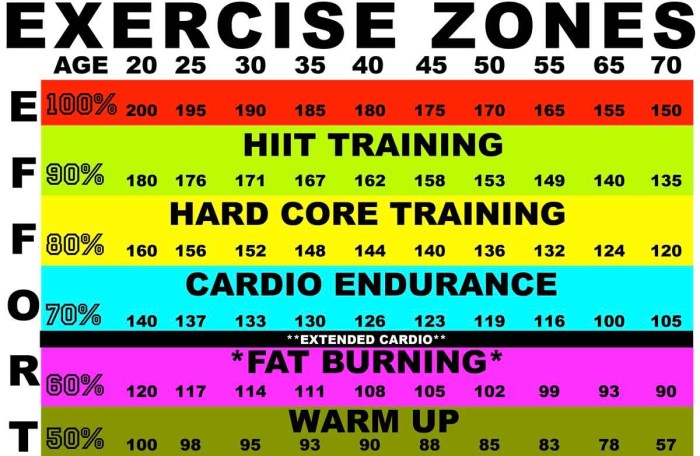
Maintaining a healthy heart rate is crucial for overall cardiovascular health. The relationship between diet and heart rate is significant, as certain foods can impact heart health positively or negatively.

Foods for Cardiovascular Health

Eating a diet rich in fruits, vegetables, whole grains, and lean proteins can support a healthy heart rate. Foods high in omega-3 fatty acids, such as salmon, nuts, and seeds, can also help reduce inflammation and improve heart function.

  • Leafy greens like spinach and kale are packed with vitamins and minerals that support heart health.
  • Berries like blueberries and strawberries are rich in antioxidants that reduce the risk of heart disease.
  • Oats and whole grains are high in fiber, which can help lower cholesterol levels and improve heart function.
  • Legumes like lentils and chickpeas are excellent sources of plant-based proteins that are beneficial for heart health.
  • Avocados are high in monounsaturated fats that can help lower bad cholesterol levels and reduce the risk of heart disease.

Tips for Maintaining a Healthy Heart Rate

It’s essential to limit the intake of processed foods, sugary beverages, and foods high in saturated and trans fats, as these can contribute to heart disease and elevated heart rate.

Remember to stay hydrated by drinking plenty of water throughout the day, as dehydration can strain the heart and lead to an increased heart rate.

Incorporating regular physical activity, managing stress levels, and getting an adequate amount of sleep are also essential factors in maintaining a healthy heart rate through diet and lifestyle choices.

Health Screenings

Regular health screenings play a crucial role in preventive care, helping to detect potential health issues early on and allowing for timely intervention. By staying up-to-date with recommended screenings based on age and risk factors, individuals can take proactive steps towards maintaining their overall health and well-being.

Key Screenings by Age Group

  • For individuals in their 20s and 30s, screenings may include blood pressure, cholesterol, and diabetes tests, as well as skin cancer checks.
  • As individuals enter their 40s and 50s, screenings for colorectal cancer, breast cancer (for women), and prostate cancer (for men) become important.
  • For those aged 60 and above, additional screenings such as bone density tests, vision and hearing assessments, and cognitive function evaluations may be recommended.

Nutrition’s Role in Health Screenings Preparation, Nutritionist-approved diet plans

Nutrition plays a significant role in preparing for health screenings by supporting overall health and potentially influencing test results. Prior to screenings, individuals can focus on a balanced diet rich in fruits, vegetables, whole grains, lean proteins, and healthy fats to promote optimal health.

Additionally, staying hydrated, limiting processed foods and excess sugar intake, and avoiding alcohol and tobacco can help improve overall health markers and potentially enhance screening outcomes.

Vaccination Programs: Nutritionist-approved Diet Plans

Vaccination programs play a crucial role in preventing the spread of infectious diseases and protecting public health. By administering vaccines, individuals can develop immunity to specific pathogens, reducing the risk of contracting and transmitting illnesses.

Importance of Vaccinations

  • Vaccinations help to prevent the spread of infectious diseases within communities.
  • They protect individuals from serious health complications and long-term effects of certain illnesses.
  • Herd immunity is achieved through widespread vaccination, safeguarding vulnerable populations who cannot be vaccinated.

Nutrition and Immune System Support

Nutrition plays a key role in supporting the immune system’s response to vaccines. A well-balanced diet rich in essential nutrients can help enhance the effectiveness of vaccinations and promote overall immune health.

Tips for a Healthy Immune System through Diet

  • Include a variety of fruits and vegetables in your daily meals to boost your intake of vitamins and antioxidants.
  • Opt for lean proteins like poultry, fish, and legumes to support immune function.
  • Incorporate whole grains and healthy fats such as nuts and seeds for sustained energy and immune support.
  • Stay hydrated by drinking an adequate amount of water throughout the day to maintain optimal immune function.
  • Avoid excessive consumption of processed foods, sugary beverages, and high-fat snacks that may compromise immune health.

Healthy Habits

Developing healthy habits is crucial for overall wellness as they contribute to improved physical, mental, and emotional well-being. By incorporating healthy habits into daily routines, individuals can enhance their quality of life and reduce the risk of chronic diseases.

Examples of Healthy Daily Habits

  • Eating a balanced diet rich in fruits, vegetables, whole grains, and lean proteins.
  • Staying hydrated by drinking an adequate amount of water throughout the day.
  • Engaging in regular physical activity, such as walking, jogging, or yoga.
  • Prioritizing quality sleep by maintaining a consistent bedtime routine.
  • Practicing stress-reducing techniques like meditation or deep breathing exercises.

Tips for Incorporating Healthy Habits

  • Start small and gradually introduce one healthy habit at a time to prevent feeling overwhelmed.
  • Create a schedule or routine to help make healthy habits a consistent part of daily life.
  • Set realistic goals and track your progress to stay motivated and accountable.
  • Find a support system or accountability partner to encourage and celebrate your healthy habits journey.
  • Stay flexible and be kind to yourself if you have setbacks, as forming new habits takes time and effort.

Balanced Hormones

Maintaining balanced hormones is crucial for overall health and well-being. Hormones play a vital role in regulating various bodily functions, such as metabolism, energy levels, mood, and reproductive health. Diet can significantly influence hormone balance, as certain nutrients can either support or disrupt the delicate hormonal equilibrium in the body.

Impact of Hormonal Imbalances

Hormonal imbalances can lead to a wide range of health issues, including weight gain, fatigue, mood swings, irregular menstrual cycles, and fertility problems. In severe cases, hormonal imbalances can also increase the risk of conditions such as diabetes, thyroid disorders, and PCOS.

It is essential to address hormonal imbalances through proper nutrition and lifestyle choices to prevent these health complications.

Nutritionist-Approved Diet Plans

  • Eat a balanced diet rich in whole foods, such as fruits, vegetables, whole grains, lean protein, and healthy fats. Avoid processed foods and excessive sugar intake, as they can disrupt hormone levels.
  • Incorporate foods that support hormone production and regulation, such as omega-3 fatty acids, vitamin D, zinc, and magnesium. These nutrients play a key role in hormone synthesis and balance.
  • Include foods that help stabilize blood sugar levels, such as fiber-rich foods, complex carbohydrates, and protein. Blood sugar fluctuations can impact insulin levels and other hormones in the body.
  • Stay hydrated and limit alcohol and caffeine consumption, as dehydration and excessive stimulant intake can affect hormone function.
  • Consult with a nutritionist or healthcare provider to develop a personalized diet plan tailored to your specific hormonal needs and health goals.

Health Coaching

Health coaching plays a crucial role in helping individuals achieve their health and wellness goals by providing personalized guidance, support, and accountability throughout their journey to better health.Working with a health coach has numerous benefits, including:

Personalized guidance

A health coach creates a customized plan based on individual needs, preferences, and goals.

Accountability and motivation

Health coaches help clients stay on track, set realistic goals, and overcome obstacles along the way.

Education and empowerment

Health coaches provide valuable information, resources, and tools to empower clients to make informed decisions about their health.

Long-term success

By focusing on sustainable lifestyle changes, health coaching helps individuals achieve lasting results and maintain overall well-being.When looking for a qualified health coach, consider the following tips:

Credentials and certifications

Look for a health coach with relevant certifications and credentials from reputable organizations.

Experience and expertise

Choose a health coach with experience working with clients similar to your needs and goals.

Communication style

Ensure compatibility with the coach’s communication style and approach to coaching.

Personal connection

Trust and rapport are essential in a coaching relationship, so choose a coach you feel comfortable with.

Choosing the Right Health Coach

When selecting a health coach, it’s essential to find someone who aligns with your goals, values, and communication preferences. Consider scheduling an initial consultation to assess compatibility and discuss your expectations for the coaching relationship. Remember, the right health coach can be a valuable partner in your journey to improved health and well-being.

Fitness Goals

Setting and achieving fitness goals is crucial for maintaining a healthy lifestyle and improving overall well-being. By establishing specific targets, individuals can stay motivated, track progress, and make necessary adjustments to their diet and exercise routines.Nutrition plays a vital role in reaching fitness goals as it provides the fuel needed for physical activity and supports muscle recovery.

A balanced diet rich in nutrients such as proteins, carbohydrates, healthy fats, vitamins, and minerals is essential for optimizing performance and enhancing results.

Nutrition for Fitness Goals

Proper nutrition is key to achieving specific fitness goals. Here are some diet and exercise strategies to help individuals reach their desired outcomes:

  • Focus on consuming lean proteins, whole grains, fruits, vegetables, and healthy fats to support muscle growth and repair.
  • Stay hydrated by drinking an adequate amount of water throughout the day to maintain energy levels and promote recovery.
  • Avoid processed foods, sugary beverages, and excessive amounts of salt and sugar, as they can hinder progress and impact overall health.
  • Incorporate pre and post-workout meals/snacks to fuel workouts, enhance performance, and support muscle recovery.

Diet Planning

When it comes to creating nutritionist-approved diet plans, there are several key steps involved to ensure that the plan is tailored to an individual’s specific needs and goals. This process typically begins with a thorough assessment of the individual’s current eating habits, health goals, and any underlying medical conditions.

Based on this information, the nutritionist can then design a customized plan that provides the right balance of nutrients to support overall health and well-being.

Tailoring Diet Plans

  • Consider individual dietary preferences and restrictions when creating the plan.
  • Adjust portion sizes and meal frequency based on energy needs and weight management goals.
  • Incorporate a variety of nutrient-dense foods to ensure adequate intake of essential vitamins and minerals.
  • Monitor progress and make adjustments as needed to optimize results.

Effective Meal Planning and Preparation Tips

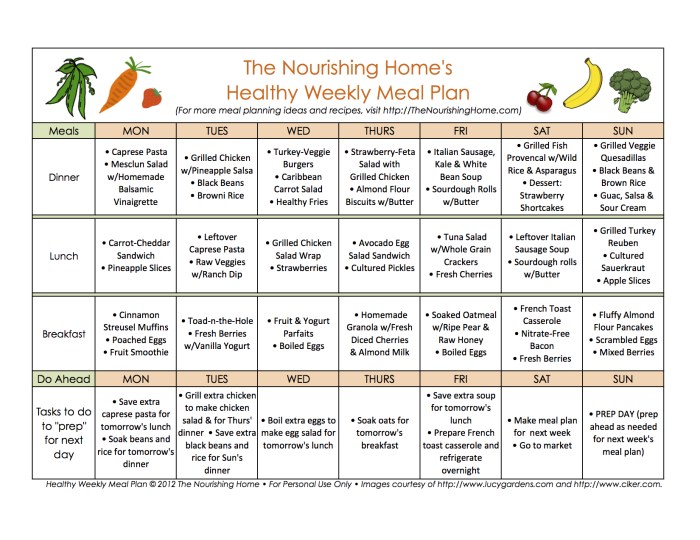
  • Plan meals in advance to ensure a balanced and varied diet throughout the week.
  • Include a mix of lean proteins, whole grains, fruits, vegetables, and healthy fats in each meal.
  • Use cooking methods that preserve the nutritional value of foods, such as steaming, baking, or grilling.
  • Prepare healthy snacks to have on hand for when hunger strikes between meals.

Health Supplements

Health supplements play a crucial role in supporting overall health by providing essential nutrients that may be lacking in our diets. They can help fill nutritional gaps, support specific health needs, and boost overall well-being.

Choosing the Right Supplements

When choosing supplements, it is important to consider your individual health needs and consult with a healthcare provider or nutritionist. Look for supplements that are high quality, third-party tested for purity, and free from unnecessary additives.

  • Consider your specific health goals – whether you need support for bone health, immune function, energy levels, or other concerns.
  • Read labels carefully and choose supplements with the appropriate dosage of key nutrients.
  • Avoid mega-dosing or taking excessive amounts of supplements, as this can have negative health effects.
  • Look for supplements that are bioavailable and in forms that are easily absorbed by the body.

Incorporating Supplements into a Balanced Diet

Supplements should complement a healthy and balanced diet, not replace whole foods. Here are some tips for incorporating supplements into your daily routine:

  • Take supplements with meals to enhance absorption and reduce the risk of stomach upset.
  • Follow recommended dosage guidelines and do not exceed the recommended daily intake unless advised by a healthcare professional.
  • Keep track of your supplement intake and be mindful of potential interactions with medications or other supplements.
  • Monitor your health and consult with a healthcare provider regularly to assess the effectiveness of your supplement regimen.

Breathing Techniques
Nutritionist-approved diet plans

Proper breathing techniques are essential for maintaining good health and promoting relaxation. By focusing on our breath, we can reduce stress, improve overall well-being, and enhance our mental clarity.

Different Breathing Exercises

  • Diaphragmatic Breathing: This exercise involves breathing deeply into the diaphragm to promote relaxation and reduce stress.
  • 4-7-8 Breathing: Inhale for a count of 4, hold for 7, and exhale for 8. This technique can help calm the nervous system and aid in falling asleep.
  • Nadi Shodhana (Alternate Nostril Breathing): This breathing exercise helps balance the right and left sides of the brain, promoting mental clarity and focus.

Tips for Incorporating Breathing Techniques into Daily Routines

  • Start your day with a few minutes of deep breathing to set a positive tone for the day.
  • Practice breathing exercises during moments of stress or anxiety to help calm your mind and body.
  • Incorporate breathing techniques into your workout routine to enhance performance and recovery.

Disease Prevention

Proper nutrition plays a crucial role in preventing chronic diseases by strengthening the immune system and supporting overall health. Adopting a healthy diet and making positive lifestyle choices can significantly reduce the risk of developing various illnesses.

Nutrition and Disease Prevention

  • Eating a diet rich in fruits, vegetables, whole grains, lean proteins, and healthy fats provides essential nutrients that support immune function and reduce inflammation.
  • Limiting the intake of processed foods, sugary beverages, and excess salt can help lower the risk of obesity, heart disease, diabetes, and other chronic conditions.
  • Choosing organic and locally sourced foods can reduce exposure to harmful chemicals and pesticides that may contribute to the development of certain diseases.

Lifestyle Choices for Disease Prevention

  • Regular exercise and physical activity can improve cardiovascular health, strengthen muscles and bones, and help maintain a healthy weight.
  • Getting an adequate amount of sleep each night supports immune function and overall well-being, reducing the risk of various health issues.
  • Managing stress through relaxation techniques, mindfulness practices, and hobbies can lower the risk of stress-related conditions such as high blood pressure and anxiety disorders.

Pain Management

Nutrition can play a crucial role in managing chronic pain by reducing inflammation in the body, which is often a key contributor to pain. By incorporating anti-inflammatory foods and supplements into your diet, you can help alleviate pain and improve overall well-being.

The Connection Between Inflammation and Pain

Inflammation is the body’s natural response to injury or illness, but when it becomes chronic, it can lead to persistent pain. Chronic inflammation is linked to various health conditions, including arthritis, fibromyalgia, and migraines, which can all be sources of ongoing pain.

By reducing inflammation through diet, you can potentially reduce pain levels and improve quality of life.

  • Include omega-3 fatty acids: Foods rich in omega-3s, such as fatty fish (salmon, mackerel, sardines), flaxseeds, chia seeds, and walnuts, have anti-inflammatory properties that can help reduce pain.
  • Turmeric and ginger: These spices contain compounds with powerful anti-inflammatory effects that can help alleviate pain. Consider adding them to your meals or consuming them in supplement form.
  • Vitamin D: Adequate levels of vitamin D have been associated with reduced pain levels in conditions such as fibromyalgia and chronic back pain. Spend time outdoors or consider a vitamin D supplement to support pain management.

Holistic Treatments

Holistic treatments focus on treating the whole person, including their physical, mental, emotional, and spiritual well-being. This approach recognizes the interconnectedness of all aspects of health and aims to address the root cause of health issues rather than just the symptoms.

Integration of Nutrition, Lifestyle, and Alternative Therapies

Holistic treatments often involve a combination of nutrition, lifestyle modifications, and alternative therapies to promote overall well-being. Nutrition plays a crucial role in providing the body with essential nutrients for optimal functioning, while lifestyle changes such as exercise, stress management, and adequate sleep can support a healthy body and mind.

Alternative therapies like acupuncture, massage therapy, and herbal remedies can complement traditional medical treatments to enhance the healing process.

Examples of Holistic Approaches to Health and Wellness

  • Acupuncture: This ancient Chinese practice involves inserting thin needles into specific points on the body to stimulate energy flow and promote healing.
  • Mindfulness Meditation: By focusing on the present moment and cultivating awareness, mindfulness meditation can reduce stress, improve mental clarity, and enhance overall well-being.
  • Herbal Remedies: Natural herbs and plant-based supplements are used to support various health conditions and promote balance within the body.
  • Yoga: This mind-body practice combines physical postures, breathwork, and meditation to improve flexibility, strength, and mental focus.
  • Chiropractic Care: Chiropractors use spinal adjustments and manipulations to restore proper alignment and function of the musculoskeletal system, promoting overall health and wellness.

Mental Resilience

Maintaining mental resilience is crucial for coping with life’s challenges and maintaining overall well-being. It involves the ability to bounce back from setbacks, adapt to change, and manage stress effectively. A resilient mindset can help individuals navigate difficult situations with grace and perseverance.Nutrition and self-care practices play a significant role in supporting mental well-being.

A balanced diet rich in essential nutrients like omega-3 fatty acids, antioxidants, and vitamins can help reduce inflammation in the brain and support cognitive function. Additionally, practicing self-care activities such as mindfulness, meditation, adequate sleep, and regular physical exercise can enhance mood, reduce anxiety, and improve overall mental resilience.

Tips for Building Mental Resilience

  • Focus on a Balanced Diet: Include foods rich in omega-3 fatty acids (found in fatty fish, flaxseeds, and walnuts), antioxidants (found in fruits and vegetables), and vitamins (such as B vitamins) to support brain health and cognitive function.
  • Practice Mindfulness and Meditation: Engage in mindfulness practices to cultivate self-awareness, reduce stress, and enhance emotional regulation. Meditation can help improve focus, clarity, and resilience in challenging situations.
  • Prioritize Sleep: Aim for 7-9 hours of quality sleep each night to promote cognitive function, mood regulation, and overall mental well-being. Lack of sleep can impair decision-making and increase susceptibility to stress.
  • Stay Active: Regular physical exercise releases endorphins, the body’s natural mood boosters, and can help reduce symptoms of anxiety and depression. Exercise also promotes better sleep quality and overall mental resilience.
  • Cultivate Social Connections: Build a strong support network of friends, family, or community members to provide emotional support, encouragement, and a sense of belonging. Social connections can enhance resilience and coping mechanisms in times of stress.

Last Point

In conclusion, Nutritionist-approved diet plans offer a holistic approach to health and wellness, encompassing various aspects from skin health to mental resilience. Embark on this journey towards a healthier you by embracing the power of nutritious foods and expert guidance.

Take charge of your well-being today and experience the transformative benefits of a well-balanced diet.

FAQs

What role do wellness programs play in promoting overall health?

Wellness programs help individuals cultivate healthy habits, manage stress, and improve overall well-being through a combination of nutrition, exercise, and lifestyle changes.

How can herbal remedies be incorporated into nutritionist-approved diet plans?

Herbal remedies can be used to address specific health concerns or support overall wellness, but it’s crucial to consult with a healthcare professional before integrating them into your diet.

What nutrients are essential for maintaining healthy skin?

Key nutrients like vitamins A, C, E, and zinc play a vital role in maintaining healthy skin by promoting collagen production, protecting against UV damage, and supporting overall skin health.


Yoga exercises for controlling blood pressure: Enhancing Wellness Naturally

Yoga exercises for controlling blood pressure

Yoga exercises for controlling blood pressure offer a holistic approach to managing hypertension, focusing on the mind-body connection and promoting overall well-being. Dive into the world of yoga and discover how it can positively impact your blood pressure and quality of life.

From specific poses to wellness programs incorporating yoga, this ancient practice provides a myriad of benefits for individuals looking to improve their blood pressure levels naturally. Explore the different aspects of yoga and its powerful effects on health and wellness.

Introduction to Yoga Exercises for Controlling Blood Pressure

Yoga is a mind-body practice that combines physical postures, breathing exercises, and meditation. It has been shown to have numerous health benefits, including helping to control blood pressure. By incorporating yoga into your routine, you can experience reduced stress levels, improved flexibility, and better overall well-being.

The Link Between Yoga and Relaxation Techniques

Yoga involves deep breathing exercises and relaxation techniques that can help calm the mind and reduce stress levels. By practicing yoga regularly, individuals can learn to manage their body’s response to stress, which in turn can help lower blood pressure levels.

The focus on mindfulness and present moment awareness in yoga can also promote a sense of relaxation and inner peace.

The Importance of Regular Practice for Managing Blood Pressure

Consistency is key when it comes to using yoga to control blood pressure. Regular practice of yoga exercises can have a cumulative effect on regulating blood pressure levels over time. By incorporating yoga into your daily routine, you can potentially see long-term benefits in managing hypertension and improving overall cardiovascular health.

Types of Yoga Poses for Blood Pressure Control

Regular practice of specific yoga asanas can help in regulating blood pressure by promoting relaxation, reducing stress, and improving overall cardiovascular health. Here are some beneficial yoga poses for controlling blood pressure:

Gentle Stretching Poses

  • Child’s Pose (Balasana): This pose helps in calming the mind and reducing stress, which can contribute to lower blood pressure levels.
  • Seated Forward Bend (Paschimottanasana): By gently stretching the back and hamstring muscles, this pose can help in improving circulation and lowering blood pressure.

Breathing Exercises

  • Deep Breathing (Pranayama): Practicing deep breathing techniques like alternate nostril breathing can help in calming the nervous system and reducing hypertension.
  • Bee Breath (Bhramari Pranayama): This breathing exercise can have a soothing effect on the mind and body, aiding in blood pressure control.

Meditation for Stress Reduction

  • Mindfulness Meditation: By focusing on the present moment and cultivating awareness, mindfulness meditation can help in managing stress levels and promoting relaxation, which in turn can positively impact blood pressure.
  • Transcendental Meditation: This form of meditation involves repeating a mantra to achieve a state of deep relaxation, which can be beneficial for individuals dealing with hypertension.

Wellness Programs Incorporating Yoga for Blood Pressure Management

Wellness programs that incorporate yoga as a key component have shown great effectiveness in managing blood pressure and promoting overall health. By combining the physical, mental, and spiritual aspects of yoga, these programs offer a holistic approach to blood pressure control.

Examples of Wellness Initiatives focusing on Yoga for Hypertension

  • Yoga retreats specifically designed for individuals with hypertension, offering tailored yoga classes, meditation sessions, and educational workshops on stress management.
  • Corporate wellness programs that include yoga sessions as part of their employee wellness initiatives, aiming to reduce stress levels and improve overall health, including blood pressure management.
  • Community-based wellness centers that offer free or low-cost yoga classes to individuals at risk for hypertension, promoting accessibility to yoga for blood pressure control.

Effectiveness of Combining Yoga with Other Wellness Activities, Yoga exercises for controlling blood pressure

Integrating yoga with other wellness activities such as mindfulness practices, healthy eating habits, and regular physical exercise can enhance the overall effectiveness of blood pressure management programs. This multifaceted approach addresses various aspects of health and well-being, leading to optimal results in blood pressure control.

Herbal Remedies Complementing Yoga Practices for Blood Pressure

Yoga exercises for controlling blood pressure

When it comes to controlling blood pressure, incorporating herbal remedies along with yoga practices can be highly beneficial. Herbal supplements have been used for centuries to support overall health and wellness, including regulating blood pressure levels. However, it is essential to consult healthcare professionals before integrating any herbal remedies into your routine to ensure they are safe and suitable for you.

Herbs and Natural Remedies for Blood Pressure Regulation

There are several herbs and natural remedies that are known for their ability to help regulate blood pressure levels. Some of the most commonly used ones include:

  • Garlic:Known for its ability to lower blood pressure and improve circulation.
  • Hawthorn:Helps dilate blood vessels and improve heart function.
  • Hibiscus:Contains antioxidants that can help lower blood pressure.
  • Cardamom:Known to reduce blood pressure levels and improve overall heart health.

Enhancing Benefits of Yoga Exercises with Herbal Supplements

When combined with yoga exercises, herbal supplements can enhance the benefits of blood pressure management. For example, certain herbs like hawthorn and garlic can complement the calming effects of yoga, promoting relaxation and stress reduction, which are crucial in maintaining healthy blood pressure levels.

Consulting Healthcare Professionals Before Using Herbal Remedies

Before incorporating any herbal remedies into your routine, it is essential to consult with healthcare professionals, such as your doctor or a qualified herbalist. They can provide guidance on the appropriate dosage, potential interactions with medications, and ensure that the herbal supplements are safe for you to use, especially if you have any underlying health conditions.

Skin Health Benefits of Yoga for Individuals with Blood Pressure Concerns

Yoga practices not only help in controlling blood pressure but also offer various skin health benefits. The following points elaborate on how yoga can promote skin health while managing blood pressure effectively.

Promotion of Skin Health and Blood Circulation

Yoga involves various poses and breathing techniques that stimulate blood circulation throughout the body. Improved blood flow helps in delivering essential nutrients and oxygen to the skin cells, promoting skin regeneration and overall skin health.

Connection Between Stress Reduction Through Yoga and Improved Skin Conditions

Stress is a known trigger for various skin conditions such as acne, eczema, and psoriasis. By reducing stress levels through yoga practices, individuals with blood pressure concerns can experience a significant improvement in their skin conditions. The relaxation and mindfulness techniques in yoga help in calming the mind and body, leading to healthier skin.

Holistic Approach of Yoga Towards Overall Well-Being Including Skin Health

Yoga takes a holistic approach towards well-being, focusing on the interconnectedness of the mind, body, and spirit. By addressing underlying stress factors and promoting relaxation, yoga helps in maintaining overall health, which reflects positively on the skin. The combination of physical postures, breathing exercises, and meditation in yoga contributes to improved skin health and a radiant complexion.

Bone Density Improvement Through Yoga Exercises for Blood Pressure Control

Maintaining bone density is crucial for individuals with hypertension as they are at a higher risk of bone-related issues. Specific yoga poses can play a significant role in improving bone health and preventing conditions like osteoporosis.

Weight-Bearing Yoga Poses for Bone Health

  • Poses like Tree Pose (Vrikshasana) and Warrior Poses (Virabhadrasana) are weight-bearing poses that help in strengthening bones and improving bone density.
  • These poses require individuals to support their body weight using their bones, which in turn stimulates bone growth and prevents bone loss.
  • Regular practice of these weight-bearing yoga poses can help in maintaining bone density and reducing the risk of fractures in hypertensive individuals.

Importance of Regular Yoga Practice for Bone Health

  • Consistent practice of yoga not only helps in controlling blood pressure but also plays a vital role in maintaining overall bone health.
  • Yoga poses that involve bearing weight on the bones help in increasing bone mass and strength, thus reducing the risk of bone-related issues.
  • By incorporating yoga into their daily routine, individuals with hypertension can improve their bone density and enhance their overall quality of life.

Muscle Mass Preservation and Strengthening with Yoga for Blood Pressure Patients

Regular practice of yoga can play a crucial role in preserving muscle mass and strength for individuals managing blood pressure. By incorporating specific yoga poses into their routine, hypertensive individuals can target different muscle groups and promote overall muscle health.

Yoga Poses for Muscle Strengthening

  • Warrior Pose (Virabhadrasana): Strengthens the legs, arms, and core muscles, improving overall body strength.
  • Plank Pose (Phalakasana): Engages the core, arms, and leg muscles, enhancing muscle endurance and stability.
  • Chair Pose (Utkatasana): Works the quadriceps, glutes, and core muscles, contributing to lower body strength.
  • Bridge Pose (Setu Bandhasana): Targets the back, glutes, and hamstrings, promoting muscle tone and strength in the posterior chain.

Dental Care Practices to Enhance the Benefits of Yoga for Blood Pressure Management

Yoga not only helps in managing blood pressure but also contributes to overall well-being, including dental health. The connection between stress reduction through yoga and improved oral health is significant, as stress is a common factor in various dental issues such as teeth grinding, gum disease, and jaw pain.

By incorporating dental care practices along with yoga exercises, individuals can achieve a more holistic approach to their health and well-being.

Benefits of Yoga for Dental Health

Yoga promotes relaxation and reduces stress levels, which can help in preventing teeth grinding and jaw clenching, common habits associated with stress. By practicing yoga regularly, individuals can maintain a calm and relaxed state, benefiting their oral health.

Connection between Yoga, Stress Reduction, and Oral Health

Stress can weaken the immune system, making individuals more susceptible to oral infections and other dental issues. Yoga helps in reducing stress hormones like cortisol, thus improving immune function and overall oral health. Moreover, breathing exercises in yoga can enhance blood circulation, benefiting gum health.

Tips for Incorporating Dental Care Practices with Yoga

  • Brush and floss regularly to maintain oral hygiene alongside your yoga routine.
  • Stay hydrated to promote saliva production, which helps in neutralizing acids and preventing tooth decay.
  • Avoid consuming sugary or acidic foods that can harm teeth, and opt for a balanced diet rich in nutrients for overall oral health.
  • Visit your dentist for regular check-ups and cleanings to ensure proper dental care in combination with yoga practices.

Eye Health Benefits of Yoga Exercises for Blood Pressure Control

Yoga exercises not only help in managing blood pressure but also offer numerous benefits for eye health. Let’s explore how specific yoga poses and eye exercises can contribute to maintaining healthy eyes for individuals dealing with high blood pressure.

Reducing Eye Strain and Improving Vision

  • Yoga poses that involve gentle stretching and relaxation techniques can help reduce eye strain caused by prolonged screen time or other activities.
  • Practicing eye exercises like focusing on distant objects and near objects alternately can enhance vision and prevent eye fatigue.
  • Improved blood circulation through yoga can also benefit the eyes by providing essential nutrients and oxygen for better functioning.

Eye Relaxation Techniques for Overall Eye Health

  • Incorporating eye relaxation techniques such as palming, blinking exercises, and eye rotations in your yoga routine can help in relieving stress and tension in the eyes.
  • Regular practice of these techniques can promote relaxation of the eye muscles, reduce eye strain, and prevent conditions like dry eyes.
  • Combining these relaxation techniques with yoga poses for blood pressure control can enhance overall eye health and contribute to better vision quality.

Mental Clarity Enhancement Through Yoga for Better Blood Pressure Management

Yoga practices not only benefit physical health but also play a crucial role in enhancing mental clarity and focus for individuals dealing with hypertension. The combination of physical postures, breathing exercises, and meditation techniques in yoga can have a profound impact on cognitive function and overall mental well-being.

Benefits of Yoga on Brain Function and Clarity

  • Yoga helps reduce stress and anxiety levels, which are common triggers for high blood pressure. By calming the mind and promoting relaxation, yoga can improve mental clarity and focus.
  • Regular practice of yoga has been shown to enhance cognitive function, memory, and concentration. The mindfulness aspect of yoga encourages individuals to be present in the moment, promoting mental resilience and clarity.
  • Yoga stimulates the release of feel-good hormones like endorphins, dopamine, and serotonin, which can uplift mood and enhance mental clarity. This positive impact on brain chemistry can help individuals better manage stress and emotional well-being.

Meditation Techniques in Yoga for Mental Clarity

  • One key aspect of yoga that promotes mental clarity is meditation. Techniques such as mindfulness meditation, focused breathing (pranayama), and visualization can help individuals cultivate a sense of inner peace and mental focus.
  • Practicing meditation regularly can help individuals develop better self-awareness, emotional regulation, and cognitive flexibility. These skills are essential for managing stress and maintaining mental clarity in daily life.
  • Through meditation, individuals can learn to quiet the mind, improve concentration, and enhance mental clarity. This inner stillness and focus can have a positive impact on overall well-being and blood pressure management.

Joint Flexibility Improvement with Yoga Poses for Blood Pressure Control

Regular practice of yoga can play a significant role in improving joint flexibility and mobility for individuals managing blood pressure. Yoga focuses on gentle stretching exercises that help enhance joint health, which is crucial for hypertensive individuals looking to maintain overall well-being.

Examples of Yoga Asanas for Enhancing Joint Flexibility

  • Mountain Pose (Tadasana): This foundational pose helps improve posture and alignment, benefiting joints throughout the body.
  • Downward-Facing Dog (Adho Mukha Svanasana): This pose stretches the entire body, including the shoulders, hamstrings, calves, and arches of the feet, promoting joint flexibility.
  • Warrior II (Virabhadrasana II): Warrior II helps open the hips and chest while strengthening the legs, enhancing flexibility in the joints.
  • Cat-Cow Stretch (Marjaryasana-Bitilasana): This gentle flow between two poses helps increase spine flexibility and mobility, benefiting the joints in the back and hips.
  • Seated Forward Bend (Paschimottanasana): This pose stretches the spine, hamstrings, and shoulders, promoting flexibility in the joints of the lower back and legs.

Digestive Health Support Through Yoga Practices for Blood Pressure Patients

Regular practice of yoga can significantly improve digestive health and alleviate gastrointestinal issues in individuals with hypertension. The deep breathing techniques, gentle stretching, and relaxation exercises involved in yoga help in reducing stress levels, which in turn positively impacts digestive function.

Yoga Poses for Digestive Health

  • Twists: Poses like seated twists or supine spinal twists help in massaging the abdominal organs, improving digestion, and relieving bloating.
  • Forward Folds: Asanas such as seated forward fold or standing forward fold can stimulate digestion and relieve constipation by compressing the abdomen.
  • Cat-Cow Pose: This dynamic pose helps in stretching and contracting the abdominal muscles, promoting digestion and relieving indigestion.

Detox Process Facilitation with Yoga for Blood Pressure Control

Yoga plays a significant role in facilitating the detox process for individuals with high blood pressure. Through specific poses and breathing techniques, yoga helps in eliminating toxins from the body, promoting overall health and aiding in blood pressure regulation.

Yoga Poses and Breathing Techniques for Detoxification

  • Twisting poses like Ardha Matsyendrasana (Half Lord of the Fishes Pose) help in wringing out toxins from the organs and improving digestion.
  • Kapalabhati Pranayama (Skull Shining Breath) is a powerful breathing technique that detoxifies the respiratory system and increases lung capacity.
  • Viparita Karani (Legs-Up-the-Wall Pose) promotes circulation and lymphatic drainage, aiding in the removal of toxins from the body.

Importance of Detoxification for Blood Pressure Control

Detoxification is crucial for maintaining overall health and supporting blood pressure regulation. By eliminating harmful substances from the body, detox processes help in reducing inflammation, improving circulation, and enhancing the functioning of vital organs like the heart.

Yoga Sequences for Detoxing the Body and Supporting Heart Health

  • A dynamic sequence including Sun Salutations (Surya Namaskar) helps in warming up the body and stimulating detoxification through movement and breath coordination.
  • Backbends like Bhujangasana (Cobra Pose) open the chest and improve circulation, supporting heart health and detoxification.
  • Inversions such as Sarvangasana (Shoulder Stand) reverse blood flow and promote lymphatic drainage, aiding in detoxification and heart function.

Blood Pressure Regulation Through Yoga and its Impact on Heart Rate

Regular practice of yoga exercises can significantly help in regulating blood pressure and maintaining a healthy heart rate. Yoga involves a combination of physical postures, breathing techniques, and meditation, which work together to improve overall cardiovascular health.

Connection between Yoga Practice, Stress Reduction, and Heart Rate Variability

  • Yoga practice helps reduce stress levels by calming the mind and relaxing the body, which in turn can lead to a decrease in heart rate.
  • By incorporating deep breathing exercises and mindfulness techniques, yoga can improve heart rate variability, the variation in time intervals between heartbeats, which is an indicator of heart health.
  • Reducing stress through yoga can also lower levels of cortisol, a stress hormone that can contribute to high blood pressure and heart rate abnormalities.

Long-Term Benefits of Yoga on Heart Health and Overall Cardiovascular Well-Being

  • Regular practice of yoga has been shown to lower blood pressure over time, reducing the risk of heart disease and stroke.
  • Improved circulation from yoga poses can enhance blood flow to the heart, improving its efficiency and reducing the workload on the cardiovascular system.
  • Yoga can help maintain a healthy weight, which is crucial for heart health, as obesity is a risk factor for high blood pressure and heart disease.

Importance of Health Screenings in Conjunction with Yoga for Blood Pressure Management

Regular health screenings play a crucial role in monitoring the overall health and well-being of individuals, especially those practicing yoga to manage their blood pressure effectively. These screenings provide valuable insights into the impact of yoga on blood pressure control and help in identifying any underlying health issues that may affect the management of hypertension.

Significance of Health Screenings for Yoga Practitioners

  • Health screenings can help in detecting any changes in blood pressure levels over time, allowing individuals to make necessary adjustments to their yoga practice or lifestyle.
  • Screenings can identify other risk factors or health conditions that may contribute to high blood pressure, enabling a more comprehensive approach to managing hypertension through yoga.
  • Regular screenings create a baseline for monitoring progress and evaluating the effectiveness of yoga interventions in controlling blood pressure.

Guidance on Incorporating Health Screenings with Yoga Practice

  • Consult with healthcare professionals to determine the frequency and specific screenings needed based on individual health history and risk factors.
  • Integrate health screenings into routine check-ups or wellness visits to ensure continuity in monitoring blood pressure and overall health status.
  • Use the information from screenings to tailor yoga practices, dietary choices, and stress management techniques to optimize blood pressure control and overall well-being.

Vaccination Programs and the Role of Yoga in Boosting Immunity for Blood Pressure Patients: Yoga Exercises For Controlling Blood Pressure

Yoga exercises for controlling blood pressure

Yoga practices can play a significant role in boosting immunity for individuals managing blood pressure. When combined with vaccination programs, yoga can enhance the body’s ability to respond to vaccines effectively, thus improving overall health outcomes.

Immune-Boosting Benefits of Yoga for Better Vaccination Response

  • Yoga helps reduce stress levels, which can have a positive impact on the immune system. Lower stress levels can lead to better vaccine responses.
  • Regular yoga practice can improve circulation and lymphatic flow, facilitating the transportation of immune cells throughout the body.
  • Certain yoga poses, such as inversions, can stimulate the thymus gland, which plays a key role in immune function and response to vaccines.

Importance of Maintaining a Strong Immune System through Yoga

  • Individuals with hypertension are often at higher risk for infections and other health complications, making a strong immune system crucial for overall well-being.
  • Yoga can help regulate the immune system by reducing inflammation and promoting a balanced response to pathogens, ensuring optimal immune function.
  • By incorporating yoga into their routine, individuals managing blood pressure can support their immune system and enhance their body’s ability to fight off illnesses.

Healthy Habits Reinforcement with Yoga Practices for Blood Pressure Control

Maintaining healthy habits is crucial for individuals with high blood pressure to complement the benefits of yoga exercises. By incorporating mindfulness and self-care practices, one can enhance the effectiveness of yoga in managing blood pressure levels. Here are some tips on creating a wellness routine that combines yoga with healthy habits for overall health improvement:

Identifying Healthy Habits

  • Follow a balanced diet rich in fruits, vegetables, whole grains, and lean proteins to support blood pressure management.
  • Engage in regular physical activity apart from yoga, such as walking, swimming, or cycling, to further strengthen cardiovascular health.
  • Avoid smoking and limit alcohol consumption to promote better blood pressure control.
  • Practice stress-reducing techniques like deep breathing exercises and meditation to alleviate tension and improve overall well-being.

Role of Mindfulness and Self-Care

By incorporating mindfulness practices into daily routines, individuals can become more aware of their body’s signals and respond effectively to stressors. Self-care activities like adequate sleep, hydration, and relaxation techniques can complement yoga exercises in promoting holistic health.

Tips for Creating a Wellness Routine

  1. Schedule regular yoga sessions throughout the week and gradually increase the duration and intensity of the practice.
  2. Set realistic goals for blood pressure management and track progress through monitoring devices or journaling.
  3. Include other wellness activities like nature walks, journaling, or hobbies to maintain a balanced lifestyle.
  4. Seek guidance from healthcare professionals or yoga instructors for personalized recommendations based on individual health needs.

Balanced Hormones and the Influence of Yoga on Blood Pressure Regulation

Yoga practices have been shown to have a positive impact on hormone balance in individuals with hypertension. By incorporating specific poses and breathing techniques, yoga can help regulate hormonal levels, which in turn can contribute to better blood pressure management.

Impact of Stress Reduction Through Yoga on Hormonal Levels and Blood Pressure

  • Reducing stress through yoga can lower the production of cortisol, the primary stress hormone, which is known to elevate blood pressure levels.
  • Yoga helps activate the parasympathetic nervous system, which promotes relaxation and reduces the release of stress hormones.
  • By calming the mind and body, yoga can create a more balanced hormonal environment, leading to improved blood pressure regulation.

Examples of Yoga Poses Targeting Hormone Regulation for Better Blood Pressure Management

  • Child’s Pose (Balasana):This pose helps calm the mind and reduce stress, leading to a decrease in cortisol levels.
  • Bridge Pose (Setu Bandhasana):By stimulating the thyroid gland, this pose can help regulate hormones that impact blood pressure.
  • Legs Up the Wall Pose (Viparita Karani):This pose promotes relaxation and can aid in balancing hormonal levels for improved blood pressure control.

Health Coaching Support for Individuals Using Yoga to Manage Blood Pressure

Regular health coaching can play a crucial role in guiding individuals who are utilizing yoga as a method to manage their blood pressure. Health coaches are equipped to provide personalized support and motivation to help individuals maintain a consistent yoga routine, which is essential for long-term blood pressure management.

Role of Health Coaching in Guiding Individuals Practicing Yoga for Blood Pressure Control

Health coaches act as mentors, offering guidance and encouragement to individuals seeking to incorporate yoga into their daily routine for blood pressure control. They can help create personalized yoga plans tailored to the specific needs and capabilities of each individual, ensuring that the practice is safe and effective.

Benefits of Combining Health Coaching with Yoga Practices for Long-Term Blood Pressure Management

  • Health coaches provide accountability and motivation, helping individuals stay committed to their yoga practice for optimal blood pressure management.
  • Through regular check-ins and assessments, health coaches can track progress and make necessary adjustments to the yoga routine to ensure maximum benefits.
  • Health coaching offers a holistic approach to blood pressure management, addressing not only physical aspects but also mental and emotional well-being through yoga practices.
  • By combining health coaching with yoga, individuals can develop a deeper understanding of how their lifestyle choices impact their blood pressure and overall health, leading to sustainable changes.

Fitness Goals Achievement Through Yoga Exercises for Better Blood Pressure Control

Regular yoga practice can be a valuable tool for individuals with hypertension looking to set and achieve fitness goals. By incorporating specific yoga poses and sequences tailored to blood pressure management, individuals can work towards improving their overall health and well-being.

Role of Goal Setting and Progress Tracking in Yoga Routine

  • Setting specific, measurable fitness goals can help individuals stay motivated and focused on their blood pressure management journey through yoga.
  • Tracking progress regularly, such as recording improvements in flexibility, strength, and mindfulness, can provide a sense of accomplishment and encourage consistency in yoga practice.
  • Goal setting and progress tracking create a roadmap for individuals to monitor their fitness goals, adjust their yoga routine as needed, and celebrate achievements along the way.

Tips for Aligning Fitness Goals with Yoga Practices

  • Consulting with a yoga instructor or healthcare provider to develop a personalized yoga routine that targets blood pressure control and aligns with specific fitness goals.
  • Incorporating a variety of yoga poses that focus on strength, flexibility, balance, and relaxation to address different aspects of physical fitness and overall well-being.
  • Practicing mindfulness and deep breathing techniques during yoga sessions to reduce stress, improve mental clarity, and enhance the mind-body connection while working towards fitness goals.

Diet Planning Tips to Enhance the Benefits of Yoga for Blood Pressure Regulation

Maintaining a balanced diet is crucial for individuals managing blood pressure, and when combined with yoga exercises, it can significantly enhance the overall effectiveness of blood pressure control.

The Importance of a Balanced Diet in Conjunction with Yoga for Optimal Blood Pressure Control

Eating a well-balanced diet rich in nutrients is essential for supporting the body’s natural ability to regulate blood pressure. When paired with yoga practices, a balanced diet can amplify the benefits of yoga, leading to improved blood pressure management.

  • Include plenty of fruits and vegetables in your daily meals to ensure a good intake of vitamins, minerals, and antioxidants that support heart health.
  • Opt for whole grains like brown rice, quinoa, and oats to maintain stable blood sugar levels and promote overall cardiovascular health.
  • Choose lean sources of protein such as poultry, fish, beans, and legumes to reduce saturated fat intake and support muscle health.
  • Limit processed foods, sugary beverages, and foods high in sodium, as these can contribute to elevated blood pressure levels.
  • Stay hydrated by drinking an adequate amount of water throughout the day to help maintain proper blood volume and circulation.

Examples of Dietary Guidelines that Support the Effectiveness of Yoga Practices for Better Blood Pressure Management

  • Adopt the DASH (Dietary Approaches to Stop Hypertension) diet, which emphasizes fruits, vegetables, whole grains, lean proteins, and low-fat dairy to reduce blood pressure levels.
  • Incorporate foods rich in potassium, such as bananas, sweet potatoes, and spinach, to help counteract the effects of sodium on blood pressure.
  • Include foods high in magnesium, such as nuts, seeds, and leafy greens, to promote relaxation of blood vessels and lower blood pressure.
  • Avoid trans fats and opt for healthy fats like those found in avocados, nuts, and olive oil to support heart health and blood pressure regulation.
  • Monitor your salt intake and season your meals with herbs and spices instead of salt to reduce sodium levels in your diet.

Health Supplements and Their Role in Conjunction with Yoga for Blood Pressure Patients

Health supplements can play a significant role in enhancing the benefits of yoga exercises for individuals dealing with hypertension. These supplements can provide additional support to the body, helping to regulate blood pressure levels effectively.

Examples of Supplements Supporting Blood Pressure Management Alongside Yoga Practices

  • Omega-3 Fatty Acids:Omega-3 supplements, such as fish oil, can help reduce inflammation and improve heart health, supporting overall blood pressure regulation.
  • Coenzyme Q10 (CoQ10):CoQ10 is known for its antioxidant properties and its ability to improve cardiovascular health, which can be beneficial for individuals managing blood pressure through yoga.
  • Magnesium:Magnesium supplements can help relax blood vessels, promoting better blood flow and potentially lowering blood pressure levels when combined with yoga practices.
  • Garlic Extract:Garlic supplements may have a positive impact on blood pressure due to their ability to widen blood vessels and improve circulation.

Breathing Techniques in Yoga for Blood Pressure Control and Stress Reduction

Breathing techniques in yoga play a crucial role in regulating blood pressure levels and reducing stress. By incorporating specific pranayama practices into your yoga routine, you can effectively manage your blood pressure and promote relaxation.

Importance of Mindful Breathing Exercises

  • Deep Breathing: Focus on inhaling deeply through your nose, filling your lungs with air, and exhaling slowly through your mouth. This helps calm the nervous system and reduce stress levels.
  • Alternate Nostril Breathing: This technique involves breathing in through one nostril and exhaling through the other, promoting balance in the body and mind.
  • Belly Breathing: Also known as diaphragmatic breathing, this technique involves breathing deeply into your belly to activate the body’s relaxation response and reduce blood pressure.

Disease Prevention Strategies Through Yoga Practices for Blood Pressure Management

Yoga practices can play a significant role in disease prevention, particularly for individuals dealing with hypertension. The holistic approach of yoga towards overall health and well-being not only helps in managing blood pressure but also contributes to preventing various other health conditions.

Benefits of Yoga Practices for Disease Prevention

  • Yoga promotes relaxation and stress reduction, which are key factors in preventing diseases associated with chronic stress, such as heart disease and diabetes.
  • Regular yoga practice can improve circulation, strengthen the cardiovascular system, and enhance overall heart health, reducing the risk of heart-related conditions.
  • Yoga helps in maintaining a healthy weight, which is crucial in preventing obesity-related diseases like hypertension, diabetes, and certain types of cancer.
  • By incorporating breathing techniques and mindfulness practices, yoga can boost the immune system, making the body more resilient to various illnesses.

Examples of Disease Prevention Strategies Using Yoga

  • Implementing a daily yoga routine that includes asanas, pranayama, and meditation to reduce stress levels and promote overall well-being.
  • Attending specialized yoga classes focusing on heart health and blood pressure management to learn specific poses and techniques beneficial for disease prevention.
  • Participating in wellness retreats or workshops that combine yoga sessions with nutrition education and lifestyle guidance to create a comprehensive approach to health.
  • Engaging in community yoga events or group classes to stay motivated and connected with like-minded individuals who prioritize disease prevention through yoga practices.

Pain Management Techniques in Yoga for Individuals with High Blood Pressure

Yoga offers various techniques that can be beneficial for individuals managing high blood pressure, especially when it comes to pain management. Chronic pain associated with hypertension can be alleviated through specific yoga practices that focus on relaxation, mindfulness, and gentle movements.

Yoga Poses for Pain Relief

  • Child’s Pose (Balasana): This pose helps stretch the lower back and hips, relieving tension and promoting relaxation.
  • Cat-Cow Stretch (Marjaryasana-Bitilasana): This gentle flow between arching and rounding the back can help alleviate back pain and improve spinal flexibility.
  • Legs-Up-The-Wall Pose (Viparita Karani): By elevating the legs, this pose can reduce swelling in the legs and feet, improving circulation and reducing pain.
  • Corpse Pose (Savasana): This relaxation pose allows for total relaxation of the body and mind, promoting overall stress relief and pain management.

Holistic Treatments Incorporating Yoga for Comprehensive Blood Pressure Management

Yoga is often integrated into holistic treatments for a comprehensive approach to managing blood pressure. By combining yoga with other holistic therapies, individuals with hypertension can experience a synergistic effect that promotes overall well-being.

Synergistic Effects of Yoga and Holistic Treatments for Blood Pressure Management

  • Yoga practices such as deep breathing, meditation, and gentle movement help reduce stress levels, which can contribute to high blood pressure.
  • When combined with other holistic treatments like acupuncture, massage therapy, or herbal remedies, yoga can enhance the effectiveness of these therapies in regulating blood pressure.
  • The holistic approach addresses not only the physical aspects of hypertension but also the mental, emotional, and spiritual components, leading to a more balanced and sustainable blood pressure management plan.

Mental Resilience Building with Yoga Practices for Individuals Managing Blood Pressure

Yoga practices play a significant role in helping individuals with hypertension build mental resilience and develop coping mechanisms to manage stress effectively. The psychological benefits of yoga extend beyond physical health, impacting mental well-being positively.

Yoga Techniques for Enhancing Mental Resilience

  • Pranayama: Controlled breathing techniques in yoga help calm the mind, reduce stress, and enhance focus, promoting mental clarity and resilience.
  • Mindfulness Meditation: Practicing mindfulness through meditation improves self-awareness, emotional regulation, and coping skills, leading to better stress management.
  • Yoga Nidra: Deep relaxation techniques like Yoga Nidra promote deep rest and relaxation, reducing anxiety and enhancing overall mental well-being.
  • Guided Visualization: Visualization exercises in yoga help individuals create positive mental imagery, fostering optimism, resilience, and a sense of control over stressors.
  • Mantra Chanting: Repetitive chanting of affirmations or mantras in yoga aids in shifting focus from negative thoughts to positive affirmations, boosting mental resilience.

Final Conclusion

In conclusion, incorporating yoga exercises into your routine can lead to better blood pressure management, improved overall health, and a greater sense of well-being. Embrace the transformative power of yoga and embark on a journey towards a healthier, more balanced life.

Common Queries

Can yoga really help in controlling blood pressure?

Yes, yoga has been shown to have positive effects on blood pressure levels through its focus on relaxation, stress reduction, and overall wellness.

Are there specific yoga poses that are more beneficial for blood pressure control?

Absolutely, certain poses like Savasana, Sukhasana, and Balasana are known to be particularly effective in managing blood pressure.

Is it necessary to consult a healthcare professional before starting yoga for blood pressure management?

It’s always recommended to seek advice from a healthcare provider, especially if you have existing health conditions like high blood pressure.

How to use supplements to support bone density

How to use supplements to support bone density

How to use supplements to support bone density sets the stage for this enthralling narrative, offering readers a glimpse into a story that is rich in detail with casual formal language style and brimming with originality from the outset.

Bone density is crucial for overall health, and supplements play a key role in maintaining it. By understanding the factors affecting bone density and choosing the right supplements, individuals can support their bone health effectively. This guide will delve into the world of supplements for bone density, providing valuable insights and practical tips to enhance bone strength.

Introduction to Bone Density and Supplements

Bone density refers to the amount of minerals, such as calcium and phosphorus, present in your bones. It is a crucial factor in determining bone strength and overall skeletal health. Low bone density can lead to conditions like osteoporosis, making bones more fragile and prone to fractures.Supplements play a vital role in supporting bone density by providing essential nutrients that may be lacking in your diet.

These supplements can help maintain bone strength, prevent bone loss, and reduce the risk of fractures.

Common Supplements for Bone Health

  • Calcium: Essential for bone strength and density, calcium supplements help ensure you meet your daily requirements for this vital mineral.
  • Vitamin D: Facilitates calcium absorption and plays a crucial role in maintaining bone health. Supplementing with vitamin D is especially important for individuals with limited sun exposure.
  • Magnesium: Supports bone density by aiding in the absorption of calcium and contributing to bone formation.
  • Vitamin K: Helps regulate calcium in the body and is essential for bone mineralization.

Factors Affecting Bone Density

Age, gender, diet, lifestyle, genetics, medical conditions, and physical activity all play a crucial role in determining bone density. Let’s delve deeper into how these factors impact bone health.

Age and Gender

As we age, our bone density naturally decreases, making older adults more susceptible to osteoporosis and fractures. Women, especially after menopause, are at a higher risk due to hormonal changes affecting bone strength.

Diet and Lifestyle

A diet rich in calcium, vitamin D, and other nutrients essential for bone health can help maintain or improve bone density. On the other hand, excessive alcohol consumption, smoking, and a sedentary lifestyle can contribute to bone loss.

Genetics and Medical Conditions

Genetics can influence bone density, with a family history of osteoporosis increasing the likelihood of developing the condition. Medical conditions like rheumatoid arthritis, hormonal imbalances, and gastrointestinal disorders can also impact bone health.

Physical Activity

Regular weight-bearing exercises, such as walking, running, or strength training, can help build and maintain bone density. Physical activity stimulates bone formation and strengthens the skeletal structure, reducing the risk of fractures.

Choosing the Right Supplements for Bone Density

When it comes to improving bone density, choosing the right supplements is crucial for achieving optimal results. Different types of supplements cater to various needs and health conditions, so it’s essential to select the ones that align with your specific requirements.

Calcium Supplements

Calcium is a key nutrient for bone health, and calcium supplements are commonly recommended to support bone density. It’s important to choose calcium citrate or calcium carbonate supplements, as they are more easily absorbed by the body compared to other forms.

Vitamin D Supplements

Vitamin D is essential for calcium absorption, making it a vital component in maintaining strong bones. Look for vitamin D3 supplements, as they are more effective in raising vitamin D levels in the body.

Magnesium Supplements

Magnesium plays a role in bone formation and density. Consider adding magnesium supplements to your regimen, especially if you have low magnesium levels in your body.

Consulting a Healthcare Provider

Before starting any new supplement regimen to support bone density, it’s crucial to consult a healthcare provider. They can assess your individual needs, health conditions, and any potential interactions with medications, ensuring you choose the right supplements for your specific situation.

Incorporating Supplements into Daily Routine

How to use supplements to support bone density

When it comes to supporting bone health, incorporating supplements into your daily routine is essential. Here are some tips on how to seamlessly include bone-supporting supplements into your meals or routines:

Creating Nutrient-Rich Meals

One of the best ways to incorporate bone-supporting supplements is by creating meals that are rich in nutrients essential for bone health. Include foods high in calcium, vitamin D, magnesium, and vitamin K in your daily diet.

  • Start your day with a breakfast smoothie packed with leafy greens, yogurt, and almond milk for calcium and vitamin D.
  • Snack on nuts and seeds throughout the day for a magnesium boost.
  • Include salmon, tuna, or egg yolks in your meals for vitamin D.

Ideal Timing and Dosage

Timing and dosage play a crucial role in maximizing the benefits of bone-supporting supplements. It is recommended to take supplements with meals to enhance absorption.

Consult with a healthcare provider to determine the ideal dosage of supplements based on your individual needs and current bone health status.

Divide your supplement intake throughout the day to ensure a steady supply of nutrients to support bone density. Remember to follow the suggested dosage instructions provided on the supplement packaging.

Monitoring and Adjusting Supplement Intake: How To Use Supplements To Support Bone Density

How to use supplements to support bone density

Regular monitoring of bone density levels is crucial to assess the effectiveness of supplements in supporting bone health. This helps in tracking any improvements or changes that may occur over time. Adjusting supplement intake based on these results is necessary to ensure optimal bone density and overall health.

Importance of Regular Monitoring

Regular monitoring of bone density levels through tests like DEXA scans allows individuals to gauge the impact of supplements on their bone health. By tracking changes in bone density, one can determine if the current supplement regimen is effective or if adjustments are needed to support bone strength.

  • Monitoring bone density helps in early detection of bone loss or osteoporosis.
  • It enables healthcare providers to recommend appropriate changes in supplement intake for better bone health.
  • Regular monitoring provides valuable insights into the effectiveness of lifestyle changes and supplement usage.

Tracking Supplement Effectiveness

To track the effectiveness of supplements in supporting bone health, individuals can work closely with healthcare providers to analyze bone density test results and assess any improvements or declines. Regular follow-ups and discussions can help in determining the impact of supplements and making informed decisions about adjusting intake.

  • Comparing bone density test results before and after starting supplements can indicate progress.
  • Observing changes in bone health symptoms or overall well-being can also reflect the effectiveness of supplements.
  • Consulting with a healthcare provider for professional evaluation and guidance is essential in tracking supplement effectiveness.

Guidelines for Adjusting Supplement Intake

Adjusting supplement intake based on changes in bone density or overall health requires a personalized approach. Healthcare providers can provide specific recommendations tailored to individual needs and goals to optimize bone health effectively.

  • Follow healthcare provider’s advice on adjusting supplement dosage or type based on bone density test results.
  • Consider factors like age, gender, lifestyle, and overall health when making changes to supplement intake.
  • Regularly review and update supplement intake in consultation with healthcare providers to ensure ongoing support for bone density.

Complementary Practices for Bone Health

Regular exercise plays a crucial role in improving bone density and strength. Lifestyle changes can also enhance the effectiveness of bone-supporting supplements. Maintaining a balanced diet is essential to support overall bone health.

Role of Exercise in Bone Health

Regular weight-bearing exercises such as walking, running, dancing, and weightlifting can help increase bone density and strength. These activities put stress on the bones, stimulating them to become stronger over time.

Lifestyle Changes for Better Bone Health, How to use supplements to support bone density

Incorporating healthy habits like quitting smoking, limiting alcohol intake, and getting an adequate amount of sunlight for vitamin D synthesis can improve the effectiveness of bone-supporting supplements. These lifestyle changes can create a more conducive environment for bone health.

Balanced Diet for Bone Health

Consuming a diet rich in calcium, vitamin D, magnesium, and other nutrients essential for bone health is crucial. Include dairy products, leafy greens, nuts, seeds, and fortified foods in your meals to support the overall health of your bones.

Potential Risks and Side Effects of Supplements

When it comes to using supplements to support bone density, it is important to be aware of potential risks and side effects that may come with certain products. While supplements can be beneficial, improper use or interactions with medications can lead to adverse effects on bone health.

Interactions with Medications

  • Some supplements, such as calcium and vitamin D, may interact with certain medications like bisphosphonates or thyroid medications, affecting their absorption or effectiveness.
  • It is essential to consult with a healthcare provider before starting any new supplement regimen, especially if you are taking prescription medications for bone health.
  • Monitoring for signs of interactions, such as changes in medication effectiveness or unexpected side effects, is crucial for maintaining bone health.

Recognizing Adverse Reactions

  • Common side effects of supplements for bone health can include gastrointestinal issues like constipation, diarrhea, or stomach upset.
  • If you experience persistent or severe side effects while taking supplements, it is important to stop use and consult with a healthcare provider.
  • Some supplements, particularly in high doses, can lead to toxicity and adverse effects on bone health, highlighting the importance of proper dosing and monitoring.

Final Summary

In conclusion, utilizing supplements to support bone density is a proactive approach towards maintaining optimal bone health. By incorporating the right supplements into daily routines and staying vigilant about monitoring bone density levels, individuals can take charge of their bone health and overall well-being.

Start your journey towards stronger bones today!

Question Bank

How do supplements contribute to supporting bone density?

Supplements provide essential nutrients that may be lacking in a person’s diet, helping to strengthen bones and improve overall bone health.

Is it necessary to consult a healthcare provider before taking supplements for bone density?

Yes, it’s important to seek professional advice before starting any new supplement regimen to ensure it aligns with individual health needs.

Can supplements alone improve bone density, or do other factors play a role?

While supplements can support bone density, factors like diet, exercise, and lifestyle choices also significantly impact overall bone health.

How to calculate maximum heart rate for exercise: A Complete Guide

How to calculate maximum heart rate for exercise

How to calculate maximum heart rate for exercise sets the stage for this informative exploration, shedding light on the intricacies of determining an essential metric for effective workouts.

The discussion delves into the significance of maximum heart rate, various calculation methods, and practical implications, offering a comprehensive understanding of this vital aspect of fitness.

Understanding Maximum Heart Rate Calculation

Maximum heart rate is the highest number of heartbeats per minute that your heart can reach during intense exercise. It is a crucial metric to determine your exercise intensity and tailor your workouts for optimal results.

Importance of Knowing Your Maximum Heart Rate

Knowing your maximum heart rate helps you stay within safe exercise zones, preventing overexertion or undertraining. It allows you to set appropriate workout intensities to achieve fitness goals effectively.

Calculating Maximum Heart Rate

The most common formula used to estimate maximum heart rate is:

Maximum Heart Rate = 220

Age

Factors Affecting Maximum Heart Rate

How to calculate maximum heart rate for exercise

Age, fitness level, genetics, medications, and underlying health conditions can all influence an individual’s maximum heart rate. These factors play a crucial role in determining how high the heart rate can go during physical activity.

Age

As individuals age, their maximum heart rate typically decreases. This is a natural part of the aging process, as the heart muscle may not be able to beat as fast as it did in younger years. The general formula for estimating maximum heart rate is 220 minus your age, but this is just a rough estimate and can vary among individuals.

Fitness Level

People who are more physically fit tend to have a lower resting heart rate and a higher maximum heart rate. Regular exercise can improve cardiovascular health, making the heart more efficient at pumping blood and oxygen to the muscles. This allows fit individuals to reach higher heart rates during exercise.

Genetics

Genetics can also play a role in determining an individual’s maximum heart rate. Some people may naturally have a higher or lower maximum heart rate based on their genetic makeup. While genetics cannot be changed, they can influence how each person responds to exercise and physical activity.

Medications and Health Conditions

Certain medications or underlying health conditions can impact maximum heart rate. For example, beta-blockers are medications that can lower heart rate, while stimulants can increase it. Health conditions such as heart disease or high blood pressure can also affect how high the heart rate can go during exercise.

It is essential to consult with a healthcare provider before starting an exercise program if you have any health concerns.

Methods of Calculating Maximum Heart Rate

Calculating maximum heart rate is crucial for optimizing exercise intensity and achieving fitness goals. There are various methods available to determine this key metric.

Age-Based Formula

The most common method used to calculate maximum heart rate is the age-based formula, which involves subtracting your age from 220. This simple formula provides a general estimate of your maximum heart rate.

  • Maximum Heart Rate = 220 – Age

Karvonen Formula

Another approach to calculating maximum heart rate is the Karvonen formula, which takes into account your resting heart rate. This formula is more personalized and provides a more accurate estimation of your maximum heart rate.

Maximum Heart Rate = ((220

  • Age)
  • Resting Heart Rate)
  • Intensity + Resting Heart Rate

The Karvonen formula adjusts the maximum heart rate based on your fitness level, making it a more precise method for determining optimal exercise intensity.

Implications of Maximum Heart Rate in Exercise

Understanding your maximum heart rate can greatly impact the effectiveness of your workout routine. By knowing this number, you can tailor your exercise intensity to optimize performance and achieve your fitness goals more efficiently. Monitoring your heart rate during exercise is a valuable tool in preventing overexertion and ensuring a safe and effective workout.

Optimizing Workout Intensity

  • By staying within a certain percentage of your maximum heart rate during exercise, you can ensure that you are working at an intensity level that is appropriate for your fitness goals.
  • For example, if your goal is to improve endurance, you may aim to keep your heart rate within a lower range during longer cardio sessions.
  • On the other hand, if you are looking to increase your speed and power, you may push your heart rate higher during shorter, more intense workouts.

Heart Rate Zones and Fitness Goals

  • Heart rate zones are specific ranges of heartbeats per minute that correspond to different levels of exercise intensity.
  • Each zone targets different fitness goals, such as fat burning, aerobic endurance, anaerobic threshold, and maximum effort.
  • By understanding these zones and how they relate to your maximum heart rate, you can design a workout plan that aligns with your desired outcomes.

Preventing Overexertion and Improving Fitness

  • Monitoring your heart rate during exercise can help you avoid pushing yourself too hard, which can lead to fatigue, injury, or burnout.
  • By staying within your target heart rate zones, you can build cardiovascular fitness, improve endurance, and track your progress over time.
  • Consistently monitoring your heart rate can also help you make adjustments to your workout routine to ensure you are challenging yourself appropriately without putting your health at risk.

Wellness Programs

Wellness programs play a crucial role in promoting overall health by focusing on various aspects to improve an individual’s well-being.

Incorporating Various Aspects

Wellness programs are designed to incorporate different components such as exercise, nutrition, stress management, and preventive care to address the holistic health needs of individuals.

  • Exercise: Regular physical activity is essential for maintaining a healthy weight, improving cardiovascular health, and boosting overall well-being.
  • Nutrition: Proper nutrition is vital for providing the body with essential nutrients and energy to function optimally.
  • Stress Management: Techniques such as mindfulness, meditation, and relaxation exercises are incorporated to help individuals cope with stress effectively.
  • Preventive Care: Wellness programs focus on preventive measures such as regular health screenings and vaccinations to detect and prevent potential health issues.

Benefits of Participating

Participating in wellness programs can offer numerous benefits for individuals seeking holistic health improvements.

  • Improved Physical Health: Regular exercise and healthy eating habits can lead to better physical fitness and a reduced risk of chronic diseases.
  • Enhanced Mental Well-being: Stress management techniques can help individuals cope with daily stressors and improve their mental health.
  • Increased Productivity: Healthy employees are more productive, engaged, and motivated in their work, leading to better overall performance.
  • Cost Savings: Preventive care measures can help reduce healthcare costs by detecting and addressing health issues early on.

Herbal Remedies

Herbal remedies are natural plant-based solutions that have been used for centuries in traditional and alternative medicine practices. These remedies often involve the use of various parts of plants, such as leaves, roots, flowers, and seeds, to harness their medicinal properties and promote overall health and well-being.

Common Herbal Remedies for Heart Health, Inflammation, and Immunity

  • Ginger: Known for its anti-inflammatory properties, ginger can help reduce inflammation in the body, including in the heart. It may also support heart health by lowering cholesterol levels and improving blood circulation.
  • Hawthorn: Used to promote heart health, hawthorn is believed to strengthen the heart muscle, regulate blood pressure, and improve overall cardiovascular function.
  • Echinacea: Often used to boost immunity, echinacea can help the body fight off infections and reduce the risk of illness, supporting overall well-being.
  • Turmeric: With its active compound curcumin, turmeric is a powerful anti-inflammatory herb that may help reduce inflammation in the body and support heart health.

It is essential to consult with a healthcare professional before incorporating herbal remedies into your wellness routine, especially if you are taking medications or have underlying health conditions.

Skin Health

Maintaining skin health is crucial for overall well-being as the skin is the body’s largest organ and serves as a protective barrier against external elements. Healthy skin not only enhances our physical appearance but also plays a vital role in regulating body temperature and protecting us from infections.

Factors Impacting Skin Health

  • Poor Diet: Consuming a diet high in processed foods, sugar, and unhealthy fats can lead to skin issues such as acne and premature aging.
  • Hydration: Dehydration can result in dry, flaky skin and accentuate the appearance of fine lines and wrinkles.
  • Sun Exposure: Exposure to UV rays can cause sunburn, skin damage, and increase the risk of skin cancer.
  • Skincare Routines: Using harsh chemicals or products not suitable for your skin type can irritate the skin and lead to inflammation.

Tips for Healthy Skin

  • Stay Hydrated: Drink plenty of water throughout the day to keep your skin hydrated from within.
  • Eat a Balanced Diet: Include fruits, vegetables, lean proteins, and healthy fats in your diet to nourish your skin.
  • Protect from Sun: Use sunscreen with at least SPF 30, wear protective clothing, and seek shade to shield your skin from harmful UV rays.
  • Establish a Skincare Routine: Cleanse, exfoliate, moisturize, and use products suitable for your skin type to maintain skin health.

Bone Density

Maintaining healthy bone density is crucial in preventing osteoporosis and reducing the risk of fractures. Bone density refers to the amount of mineral content in bones, which determines their strength and resilience. Factors like age, gender, nutritional intake, and physical activity levels can significantly impact bone density.

Factors Influencing Bone Density

  • Age: Bone density tends to decrease with age, especially in postmenopausal women.
  • Gender: Women are at a higher risk of developing osteoporosis due to lower peak bone mass compared to men.
  • Nutrition: Adequate intake of calcium, vitamin D, and other nutrients is essential for maintaining optimal bone density.
  • Physical Activity: Weight-bearing exercises and strength training can help improve bone density.

Strategies for Healthy Bone Density

  • Include calcium-rich foods like dairy products, leafy greens, and fortified foods in your diet.
  • Ensure sufficient vitamin D intake through sunlight exposure and supplementation if needed.
  • Engage in weight-bearing exercises such as walking, running, dancing, or resistance training.
  • Avoid smoking and limit alcohol consumption, as these habits can negatively impact bone health.

Muscle Mass

Muscle mass plays a crucial role in metabolism, strength, and overall health. Having adequate muscle mass can help increase metabolism, which in turn can aid in weight management. Additionally, stronger muscles can improve balance, posture, and reduce the risk of injuries.

Factors Affecting Muscle Mass

  • Age: As we age, we tend to lose muscle mass, especially if we are not actively engaging in resistance training.
  • Exercise Routine: Regular strength training exercises can help increase muscle mass and strength.
  • Nutrition: Consuming an adequate amount of protein, along with other essential nutrients, is important for muscle growth and repair.

Tips for Increasing Muscle Mass

  • Resistance Training: Incorporate exercises like weight lifting, bodyweight exercises, or resistance bands to stimulate muscle growth.
  • Adequate Protein Intake: Make sure to consume enough protein to support muscle repair and growth. Aim for around 1.2 to 2.0 grams of protein per kilogram of body weight.
  • Recovery Strategies: Allow your muscles to recover by getting enough rest, staying hydrated, and incorporating stretching or foam rolling into your routine.

Dental Care

Maintaining good dental care is crucial for overall health and well-being. It not only helps prevent dental problems but also contributes to better oral health. Common dental issues such as cavities, gum disease, and oral infections can be prevented with proper oral hygiene practices and regular dental check-ups.

Importance of Dental Care

  • Poor dental health can lead to various health issues beyond the mouth, including heart disease and diabetes.
  • Regular dental check-ups can help detect early signs of dental problems and prevent them from worsening.
  • Good oral hygiene practices, such as brushing twice a day and flossing, can prevent tooth decay and gum disease.

Common Dental Issues

  • Cavities: Holes in the teeth caused by bacterial plaque that erodes the enamel.
  • Gum Disease: Inflammation of the gums caused by bacteria and plaque buildup.
  • Oral Infections: Infections in the mouth, such as abscesses, caused by bacteria or viruses.

Recommendations for Good Oral Hygiene

  • Brush teeth at least twice a day with fluoride toothpaste.
  • Floss daily to remove plaque between teeth.
  • Limit sugary foods and drinks that can contribute to tooth decay.
  • Visit the dentist for regular check-ups and cleanings.

Eye Health

Maintaining good eye health is crucial for overall well-being. Regular eye examinations are essential for detecting any potential issues early on and preventing further complications.

Common Eye Conditions

  • Myopia, also known as nearsightedness, is a common refractive error where distant objects appear blurry.
  • Cataracts involve the clouding of the lens in the eye, leading to vision impairment.
  • Glaucoma is a group of eye conditions that damage the optic nerve, often caused by high intraocular pressure.

Tips for Maintaining Good Eye Health

  • Ensure proper nutrition with foods rich in vitamins A, C, and E, as well as omega-3 fatty acids.
  • Wear protective eyewear, such as sunglasses, to shield your eyes from harmful UV rays and debris.
  • Schedule regular eye screenings with an optometrist or ophthalmologist to monitor your eye health.

Mental Clarity

Mental clarity refers to the state of having a clear and focused mind, enabling better cognitive function and improved concentration. It plays a crucial role in our daily lives, impacting decision-making, problem-solving, and overall productivity.

Factors Affecting Mental Clarity

Factors such as stress, sleep deprivation, and poor nutrition can significantly affect mental clarity. Stress can lead to mental fog and decreased cognitive function, while lack of quality sleep disrupts brain function and impairs focus. Additionally, a diet lacking essential nutrients can impact brain health and cognitive performance.

  • Practice mindfulness: Engaging in mindfulness meditation and breathing exercises can help reduce stress levels and improve mental clarity.
  • Brain exercises: Stimulating the brain with puzzles, games, or learning new skills can enhance cognitive function and boost mental clarity.
  • Stress management techniques: Adopting stress-reducing strategies such as regular exercise, adequate sleep, and time management can help improve mental clarity.

Joint Flexibility

How to calculate maximum heart rate for exercise

Having good joint flexibility is crucial for maintaining mobility and preventing injuries. Flexible joints allow for a full range of motion, making daily activities easier and reducing the risk of strains or sprains.

Factors Influencing Joint Flexibility

  • Age: As we age, our joints tend to become stiffer and less flexible. Regular stretching and exercise can help counteract this natural decline.
  • Physical Activity: Active individuals typically have better joint flexibility due to regular movement and exercise that keeps the joints supple.
  • Arthritis: Conditions like arthritis can affect joint flexibility, causing pain and stiffness. Proper management and exercise can help improve flexibility and reduce symptoms.

Exercises and Stretches to Improve Joint Flexibility

  • Yoga: Yoga poses focus on stretching and strengthening muscles around the joints, improving flexibility and reducing stiffness.
  • Dynamic Stretching: Dynamic stretches involve moving joints through a full range of motion, helping to improve flexibility and warm up the muscles before exercise.
  • Joint Mobilization Exercises: These exercises aim to improve the movement of specific joints, promoting flexibility and reducing tightness.
  • Foam Rolling: Using a foam roller can help release tension in muscles around the joints, increasing flexibility and reducing stiffness.

Digestive Health

Digestive health refers to the efficient functioning of the digestive system, which plays a crucial role in breaking down food, absorbing nutrients, and eliminating waste from the body. Good digestive health is essential for overall well-being as it ensures proper nutrient absorption, supports the immune system, and maintains a healthy balance of gut bacteria.

Common Digestive Issues

  • Indigestion: Indigestion, also known as dyspepsia, is characterized by discomfort or pain in the upper abdomen, bloating, and feeling full quickly during or after eating. It can be caused by overeating, eating too quickly, or consuming spicy or fatty foods.

  • Bloating: Bloating is a common digestive issue that causes the abdomen to feel full, tight, and swollen. It can be triggered by gas accumulation in the digestive tract, overeating, or consuming certain foods that are difficult to digest.
  • Irritable Bowel Syndrome (IBS): IBS is a chronic gastrointestinal disorder that affects the large intestine and can cause symptoms like abdominal pain, bloating, diarrhea, and constipation. Triggers for IBS can vary from person to person and may include stress, certain foods, or hormonal changes.

Tips for Promoting Digestive Health

  • Follow a balanced diet rich in fiber, fruits, vegetables, whole grains, and lean proteins to support healthy digestion and regular bowel movements.
  • Stay hydrated by drinking an adequate amount of water throughout the day to help maintain the proper function of the digestive system.
  • Incorporate gut-friendly foods like yogurt, kefir, sauerkraut, and kimchi into your diet to promote the growth of beneficial gut bacteria.

Detox Process

Detoxification is the process of eliminating toxins from the body to improve overall health and well-being. By removing harmful substances and waste products, detox programs aim to boost the immune system, increase energy levels, and promote better digestion.

Methods of Detoxing

  • Dietary Changes: Adopting a diet rich in fruits, vegetables, whole grains, and lean proteins can support the body’s natural detoxification processes.
  • Cleanses: Short-term cleanses or detox programs often involve consuming specific foods or drinks to help flush out toxins.
  • Fasting: Some detox programs recommend fasting for a period of time to give the digestive system a break and allow the body to focus on eliminating toxins.

Consulting Healthcare Professionals

It is essential to consult with healthcare professionals before starting any detox program, especially if you have underlying health conditions or are taking medications. They can provide guidance on the safest and most effective ways to detoxify your body without causing harm.

Blood Pressure

Blood pressure is the force of blood pushing against the walls of the arteries as the heart pumps blood. It is an important indicator of cardiovascular health and can help assess the risk of heart disease, stroke, and other health conditions.

Categories of Blood Pressure

  • Normal Blood Pressure: Blood pressure readings below 120/80 mmHg are considered normal. This indicates a healthy cardiovascular system with optimal blood flow and heart function.
  • High Blood Pressure (Hypertension): High blood pressure, indicated by readings consistently above 130/80 mmHg, can strain the heart and blood vessels, leading to serious health issues if left unmanaged.
  • Low Blood Pressure (Hypotension): Blood pressure readings below 90/60 mmHg may indicate poor blood flow to vital organs, causing symptoms like dizziness, fatigue, and fainting.

Managing Blood Pressure Levels

  • Healthy Diet: Consuming a diet rich in fruits, vegetables, whole grains, and lean proteins can help maintain a healthy blood pressure.
  • Regular Exercise: Engaging in physical activity for at least 150 minutes per week can improve heart health and lower blood pressure.
  • Weight Management: Maintaining a healthy weight through diet and exercise can reduce the risk of high blood pressure.
  • Stress Reduction: Managing stress through relaxation techniques, meditation, or hobbies can help lower blood pressure levels.
  • Medication: In cases of hypertension, doctors may prescribe medications to help control blood pressure and reduce the risk of complications.

Health Screenings

Regular health screenings are essential for the early detection of diseases, allowing for timely intervention and treatment. These screenings help identify potential health issues before they become serious, leading to better health outcomes and quality of life.

Common Health Screenings

  • Cholesterol Tests: These tests measure the levels of cholesterol in the blood, which is crucial for assessing heart health and risk of cardiovascular diseases.
  • Mammograms: Mammograms are used to detect breast cancer in its early stages, increasing the chances of successful treatment and recovery.
  • Blood Sugar Tests: These tests help monitor blood glucose levels, aiding in the prevention and management of diabetes.

Benefits of Preventive Screenings

Regular preventive screenings play a vital role in maintaining overall health and well-being by enabling healthcare providers to detect and address health issues early on. These screenings can help prevent the progression of diseases, reduce healthcare costs, and improve the quality of life for individuals.

Vaccination Programs

Vaccination programs play a crucial role in preventing infectious diseases by providing immunity against harmful pathogens. These programs are designed to protect individuals of all ages from serious illnesses and contribute to public health by reducing the spread of contagious diseases.

Role of Vaccination Programs in Preventing Infectious Diseases

Vaccination programs are essential in preventing the spread of infectious diseases by stimulating the immune system to produce antibodies against specific pathogens. By administering vaccines, individuals develop immunity without having to experience the full-blown illness, thus reducing the risk of infection and transmission to others.

Importance of Vaccinations for Individuals of All Ages

  • Vaccinations are crucial for infants and children to protect them from harmful diseases at an early age when their immune systems are still developing.
  • Adults benefit from vaccinations to maintain immunity against diseases they may have been vaccinated for in childhood or to receive booster shots for continued protection.
  • Elderly individuals can benefit from vaccinations to prevent complications from vaccine-preventable diseases that may be more severe in older age.

Common Misconceptions About Vaccines and Their Effectiveness in Public Health

  • Common misconceptions about vaccines include concerns about safety, side effects, and the belief that vaccines are not necessary due to improved sanitation and hygiene. However, vaccines undergo rigorous testing to ensure safety and effectiveness.
  • Vaccines have been instrumental in eradicating diseases such as smallpox and significantly reducing the prevalence of others like polio, measles, and influenza, demonstrating their effectiveness in public health.
  • Public health initiatives, including vaccination programs, have led to a decrease in mortality rates and improved overall health outcomes by preventing the spread of infectious diseases.

Healthy Habits

Healthy habits are routines or behaviors that contribute to overall wellness and help individuals maintain a healthy lifestyle. These habits have a significant impact on physical, mental, and emotional well-being.

Components of a Healthy Lifestyle

A healthy lifestyle consists of various components that work together to promote well-being. These components include:

  • Regular Exercise: Engaging in physical activity helps improve cardiovascular health, build strength, and boost mood.
  • Healthy Nutrition: Eating a balanced diet rich in fruits, vegetables, whole grains, and lean proteins provides essential nutrients for optimal body function.
  • Adequate Sleep: Getting enough quality sleep is crucial for overall health, as it allows the body to rest, repair, and recharge.
  • Stress Management: Practicing stress-relieving techniques such as mindfulness, meditation, or deep breathing can help reduce the impact of stress on the body.

Tips for Developing Healthy Habits

Developing and maintaining healthy habits requires consistency and commitment. Here are some tips to help you establish long-term health benefits:

  • Start small and gradually increase the intensity or duration of your healthy habits to avoid burnout.
  • Set specific, achievable goals to track your progress and stay motivated.
  • Find activities you enjoy to make healthy habits more sustainable and enjoyable.
  • Establish a routine and make healthy choices a natural part of your daily life.
  • Seek support from friends, family, or a healthcare professional to stay accountable and motivated.

Balanced Hormones

Maintaining balanced hormones is crucial for various bodily functions. Hormones act as messengers in the body, regulating processes such as metabolism, growth, mood, and reproduction. When hormones are imbalanced, it can lead to a range of health issues and impact overall well-being.

Factors Influencing Hormone Balance

  • Stress: Chronic stress can disrupt hormone levels, particularly cortisol and adrenaline, leading to imbalances.
  • Diet: Consuming a diet high in processed foods, sugar, and unhealthy fats can affect hormone production and regulation.
  • Medical Conditions: Certain medical conditions like thyroid disorders or polycystic ovary syndrome (PCOS) can disrupt hormone balance.

Promoting Hormonal Balance

  • Healthy Lifestyle: Regular exercise, stress management techniques, and quality sleep can help support hormonal balance.
  • Balanced Diet: Eating a diet rich in fruits, vegetables, lean proteins, and healthy fats can aid in maintaining hormone levels.
  • Potential Treatments: In some cases, hormone replacement therapy or specific medications may be necessary to restore balance.

Health Coaching

Health coaching is a personalized approach to helping individuals achieve their health goals by providing guidance, support, and motivation. It involves working closely with a health coach to create a tailored plan that addresses specific needs and challenges.

Role of Health Coaching

Health coaching plays a crucial role in supporting individuals in making positive lifestyle changes. By offering personalized guidance and motivation, health coaches empower clients to take control of their health and well-being. They work collaboratively with clients to set achievable goals, develop action plans, and provide ongoing support and accountability.

  • Health coaches help clients identify obstacles and develop strategies to overcome them.
  • They provide education on nutrition, exercise, stress management, and other health-related topics.
  • Health coaches offer emotional support and encouragement to help clients stay motivated and focused on their goals.
  • They help clients track progress, adjust goals as needed, and celebrate successes along the way.

Benefits of Health Coaching

Working with a health coach can have numerous benefits, including:

  • Personalized guidance and support tailored to individual needs.
  • Motivation and accountability to stay on track with health goals.
  • Education on healthy lifestyle habits and behavior change strategies.
  • Improved overall health and well-being through sustainable lifestyle changes.

Examples of Health Coaching Techniques

Health coaches use a variety of techniques to empower individuals to make positive changes, such as:

  • Motivational interviewing to help clients explore their values and goals.
  • Goal setting to create specific, measurable, achievable, relevant, and time-bound objectives.
  • Behavior change strategies to address habits and patterns that may be hindering progress.
  • Positive reinforcement and encouragement to build confidence and self-efficacy.

Fitness Goals

Setting fitness goals is crucial for staying motivated and tracking progress on your wellness journey. Whether you aim to lose weight, build muscle, improve endurance, or enhance flexibility, clear goals provide a roadmap to success.

Importance of Setting Fitness Goals

  • Establishing specific goals helps you stay focused and driven during workouts.
  • Measurable goals allow you to track your achievements and adjust your fitness routine accordingly.
  • Setting realistic goals prevents burnout and promotes a sustainable approach to fitness.
  • Having clear targets increases accountability and encourages consistency in your exercise regimen.

Establishing Realistic and Measurable Fitness Goals

  • Identify your current fitness level and consider your ultimate objectives.
  • Break down larger goals into smaller, achievable milestones to track progress effectively.
  • Set deadlines for each goal to create a sense of urgency and maintain motivation.
  • Consult with a fitness professional to ensure your goals align with your capabilities and timeframe.

Staying Committed and Adjusting Goals

  • Stay committed by creating a workout schedule and prioritizing exercise in your daily routine.
  • Celebrate small victories along the way to stay motivated and inspired to continue.
  • Regularly assess your progress and adjust your goals based on your evolving fitness level and preferences.
  • Seek support from friends, family, or a fitness community to stay accountable and motivated throughout your fitness journey.

Diet Planning

Balanced nutrition plays a crucial role in supporting overall health and fitness. A well-rounded diet provides essential nutrients that help optimize bodily functions, promote energy levels, and enhance performance during exercise. Effective diet planning involves various principles such as portion control, nutrient balance, and meal timing.

By understanding these principles, individuals can create a sustainable and healthy eating plan tailored to their specific dietary needs.

Significance of Balanced Nutrition

  • Balanced nutrition ensures that the body receives all the necessary vitamins, minerals, and macronutrients to function optimally.
  • It supports muscle growth and repair, boosts immunity, and aids in weight management.
  • Proper nutrition can improve energy levels, mental clarity, and overall well-being.

Principles of Effective Diet Planning

  • Portion Control: Monitoring portion sizes helps prevent overeating and promotes weight management.
  • Nutrient Balance: Including a variety of foods rich in carbohydrates, proteins, fats, vitamins, and minerals ensures a well-rounded diet.
  • Meal Timing: Eating at regular intervals and incorporating pre- and post-workout meals can optimize energy levels and recovery.

Tips for Creating a Healthy Eating Plan

  • Prioritize whole, unprocessed foods such as fruits, vegetables, lean proteins, whole grains, and healthy fats.
  • Stay hydrated by drinking an adequate amount of water throughout the day.
  • Plan meals in advance to avoid unhealthy food choices when hungry or pressed for time.
  • Listen to your body’s hunger and fullness cues to maintain a healthy relationship with food.

Health Supplements

Health supplements play a crucial role in complementing our diet and addressing any nutritional deficiencies that we may have. They can provide essential vitamins, minerals, and other nutrients that our bodies need to function optimally.

Types of Supplements

  • Vitamins: These are organic compounds that are essential for various bodily functions. Common vitamins include Vitamin C, Vitamin D, and the B vitamins.
  • Minerals: These are inorganic elements that are vital for maintaining health. Examples include calcium, iron, and magnesium.
  • Herbal Extracts: These are supplements derived from plants that are believed to have medicinal properties. Common herbal extracts include echinacea, ginseng, and turmeric.

Choosing High-Quality Supplements

  • Look for supplements from reputable brands that have been tested for quality and purity.
  • Check for certifications from third-party organizations like the USP or NSF.
  • Consider the form of the supplement (capsules, tablets, liquid) based on your preference and absorption rate.

Proper Dosages and Interactions

  • Follow the recommended dosage on the supplement label unless advised otherwise by a healthcare professional.
  • Avoid taking supplements that may interact with medications you are currently taking without consulting a doctor.
  • Be aware of potential side effects and stop taking the supplement if you experience any adverse reactions.

Breathing Techniques

Proper breathing techniques play a crucial role in promoting relaxation, reducing stress, and enhancing exercise performance. By focusing on our breath, we can improve our overall well-being and achieve better results in various aspects of life.

Diaphragmatic Breathing

Diaphragmatic breathing, also known as abdominal or deep breathing, involves engaging the diaphragm to take deep breaths. This technique helps to increase oxygen intake, reduce stress levels, and promote relaxation. To practice diaphragmatic breathing, sit or lie down comfortably, place one hand on your chest and the other on your abdomen, inhale deeply through your nose, and feel your abdomen rise as you fill your lungs with air.

Exhale slowly through your mouth, feeling your abdomen fall. Repeat this process several times to experience its calming effects.

Pursed Lip Breathing, How to calculate maximum heart rate for exercise

Pursed lip breathing is a technique that can help improve breathing efficiency and reduce shortness of breath. To practice pursed lip breathing, inhale slowly through your nose for a count of two, pucker your lips as if you were going to whistle, and exhale slowly and gently through your pursed lips for a count of four.

This technique helps to keep your airways open longer, allowing for better oxygen exchange in the lungs and promoting relaxation.

Box Breathing

Box breathing, also known as square breathing, is a simple yet effective technique to enhance focus, reduce stress, and calm the mind. To practice box breathing, inhale deeply through your nose for a count of four, hold your breath for a count of four, exhale slowly through your mouth for a count of four, and hold your breath again for a count of four.

Repeat this process in a rhythmic manner to create a sense of balance and relaxation.

Disease Prevention: How To Calculate Maximum Heart Rate For Exercise

Preventing diseases through lifestyle choices and proactive measures is crucial for maintaining overall health and well-being. By adopting healthy habits and undergoing regular screenings, individuals can significantly reduce their risk of developing various chronic conditions.

Common Preventable Diseases

  • Heart Disease: One of the leading causes of death worldwide, heart disease can often be prevented by maintaining a healthy diet, engaging in regular physical activity, and avoiding smoking.
  • Diabetes: Type 2 diabetes, in particular, is closely linked to lifestyle factors such as poor diet and lack of exercise. Making healthy choices can help prevent the onset of this condition.
  • Certain Cancers: While not all cancers are preventable, lifestyle factors like maintaining a healthy weight, limiting alcohol consumption, and avoiding tobacco can reduce the risk of developing certain types of cancer.

Strategies for Risk Reduction

  • Healthy Habits: Eating a balanced diet, staying physically active, getting enough sleep, and managing stress are all key components of disease prevention.
  • Regular Screenings: Routine health screenings can help detect potential health issues early on, allowing for timely intervention and treatment.

Pain Management

Pain management involves various approaches to alleviate acute or chronic pain, aiming to improve quality of life and overall well-being. These approaches can range from non-pharmacological methods to medication, surgery, and lifestyle modifications.

Non-Pharmacological Methods for Pain Relief

Physical therapy, such as exercises and stretches, can help strengthen muscles and improve flexibility, reducing pain levels. Acupuncture, an alternative medicine practice, involves inserting thin needles into specific points on the body to stimulate healing and pain relief. Mindfulness techniques, such as meditation and deep breathing exercises, can help individuals manage pain by promoting relaxation and reducing stress levels.

Role of Medication, Surgery, and Lifestyle Modifications

Medication, such as over-the-counter pain relievers or prescription drugs, can help manage pain by reducing inflammation or blocking pain signals. In some cases, surgery may be necessary to address the underlying cause of pain, especially for conditions like herniated discs or joint problems.

Lifestyle modifications, including maintaining a healthy weight, practicing good posture, and avoiding activities that worsen pain, can also play a crucial role in managing pain effectively.

Holistic Treatments

Holistic treatments encompass an approach that addresses the physical, emotional, and spiritual aspects of health. Unlike traditional medicine that focuses solely on symptoms, holistic treatments aim to treat the whole person, considering their overall well-being and lifestyle.

Alternative Therapies

  • Acupuncture: This ancient Chinese practice involves inserting thin needles into specific points on the body to stimulate energy flow and promote healing. It is commonly used to alleviate pain, reduce stress, and improve overall well-being.
  • Aromatherapy: Aromatherapy utilizes essential oils extracted from plants to enhance physical and psychological well-being. The scents can be inhaled or applied topically to promote relaxation, reduce anxiety, and improve mood.
  • Chiropractic Care: Chiropractors focus on the alignment of the spine and musculoskeletal system to alleviate pain, improve mobility, and enhance overall health. Through adjustments and manipulations, chiropractic care aims to restore the body’s natural balance.

Benefits of Holistic Treatments

  • Comprehensive Approach: Holistic treatments address the root cause of health issues, rather than just managing symptoms.
  • Personalized Care: Practitioners consider each individual’s unique needs and create tailored treatment plans.
  • Emotional Well-being: Holistic treatments promote emotional balance and stress reduction, leading to improved mental health.

Mental Resilience

Mental resilience is the ability to adapt and bounce back from adversity, trauma, or stress. It involves coping with challenges, maintaining a positive outlook, and staying strong in difficult situations. Building mental resilience is crucial for overall well-being and can help individuals navigate through life’s ups and downs effectively.

Factors Contributing to Mental Resilience

  • Social Support: Having a strong support system of friends, family, or community can provide comfort and encouragement during tough times.
  • Self-Care: Taking care of oneself physically, emotionally, and mentally through healthy habits like exercise, proper nutrition, and adequate rest can boost resilience.
  • Positive Mindset: Cultivating a positive outlook, practicing gratitude, and focusing on strengths rather than weaknesses can enhance mental resilience.

Strategies for Enhancing Mental Resilience

  • Mindfulness: Engaging in mindfulness practices such as meditation, deep breathing, or yoga can help manage stress and build resilience.
  • Self-Reflection: Reflecting on past experiences, identifying strengths and areas for growth, and learning from challenges can foster resilience.
  • Stress Management Techniques: Developing healthy coping mechanisms like journaling, talking to a therapist, or engaging in hobbies can improve resilience in the face of stressors.

Closing Summary

In conclusion, understanding and applying the insights shared in this guide can empower individuals to optimize their exercise routines, monitor their progress effectively, and achieve their fitness goals with precision and safety.

Key Questions Answered

How do age, fitness level, and genetics influence maximum heart rate?

These factors play a crucial role in determining an individual’s maximum heart rate, with age generally affecting it inversely, while fitness level and genetics can also impact the rate.

Why is it important to calculate maximum heart rate for exercise?

Knowing your maximum heart rate helps tailor your workouts to specific intensity levels, ensuring safe and effective training that aligns with your fitness goals.

What are the risks associated with inaccurate maximum heart rate calculations?

Inaccurate calculations can lead to overexertion, ineffective workouts, or potential health risks, emphasizing the need for precision in determining this crucial metric.