Benefits of tai chi for joint flexibility and balance takes center stage in this exploration of the ancient practice’s transformative effects. Dive into a world where fluid movements lead to enhanced well-being and vitality, shaping a narrative that resonates with both the mind and body.
Discover the key principles behind tai chi’s ability to improve joint flexibility and balance, paving the way for a more harmonious and agile lifestyle.
Joint Flexibility
Tai chi is a gentle and flowing form of exercise that can greatly improve joint flexibility. The slow and controlled movements in tai chi help to increase range of motion in the joints, promoting flexibility and reducing stiffness.
Tai Chi Movements for Joint Flexibility
- Wave Hands Like Clouds: This movement involves fluid arm motions that help to open up the shoulder joints and improve flexibility.
- Needle at Sea Bottom: This movement stretches the lower back and hips, increasing flexibility in the spine and hip joints.
- Grasping the Bird’s Tail: This sequence involves gentle twisting motions that can improve flexibility in the waist and lower back.
Benefits of Increased Joint Flexibility
- Enhanced Mobility: Improved joint flexibility allows for a wider range of motion, making everyday movements easier and reducing the risk of injury.
- Joint Health: Flexible joints are less prone to stiffness and pain, promoting overall joint health and longevity.
- Balance and Stability: Flexible joints contribute to better balance and stability, reducing the risk of falls, especially in older adults.
Balance
Tai chi is a gentle form of exercise that can significantly improve balance through a series of slow, controlled movements and shifting of body weight. This practice helps individuals develop a strong sense of body awareness and stability, leading to enhanced balance over time.
Importance of Balance
Maintaining good balance is crucial in preventing falls and injuries, especially as we age. By practicing tai chi regularly, individuals can strengthen their muscles, improve coordination, and increase flexibility, all of which contribute to better balance. This is particularly important for older adults who may be at a higher risk of falling.
- Tai chi helps improve proprioception, which is the body’s ability to sense its position in space. This heightened awareness allows individuals to make quick adjustments to prevent falls.
- Enhanced balance from tai chi practice can also lead to better posture, reducing strain on joints and muscles during daily activities.
- Studies have shown that tai chi can reduce the risk of falls in older adults by up to 45%, making it an effective way to prevent injuries and maintain independence as we age.
Wellness Programs
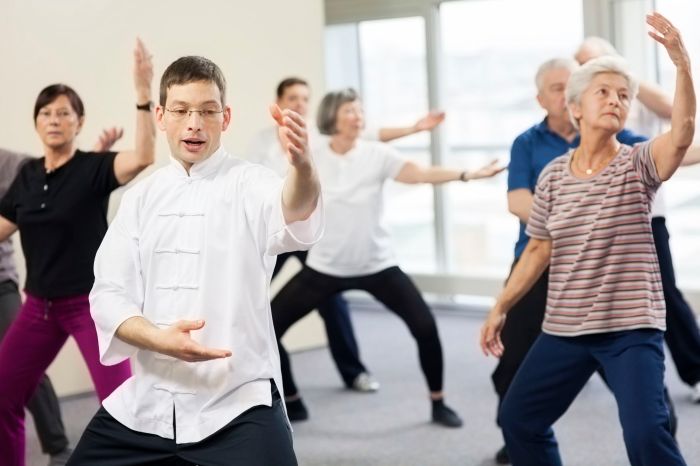
Tai chi is a popular practice that can be seamlessly integrated into wellness programs to promote overall well-being. Its gentle movements and focus on mindfulness make it a perfect addition to any wellness initiative.
Role of Tai Chi in Wellness Programs
- Tai chi helps reduce stress and anxiety, which are common barriers to overall wellness. By incorporating tai chi into wellness programs, participants can learn to manage their stress levels effectively.
- The practice of tai chi improves mental clarity and focus, enhancing cognitive function and overall well-being. This can lead to better productivity and performance in various aspects of life.
- Regular practice of tai chi can boost energy levels and improve sleep quality, essential components of a well-rounded wellness program. Adequate rest and relaxation are crucial for overall health and vitality.
Examples of Successful Wellness Programs with Tai Chi, Benefits of tai chi for joint flexibility and balance
One successful wellness program that incorporates tai chi is the “Mindful Movement Initiative” offered by a local community center. Participants engage in weekly tai chi sessions to improve joint flexibility and balance, contributing to their overall physical and mental well-being.
Another example is the corporate wellness program at a leading tech company, where tai chi classes are provided to employees as part of their wellness benefits package. This initiative has been well-received, with employees reporting reduced stress levels and improved work-life balance.
Disease Prevention
Tai chi plays a crucial role in disease prevention by enhancing joint flexibility and balance, ultimately contributing to overall health and well-being.
Specific Health Conditions
- Tai chi can help prevent and manage arthritis by improving joint mobility and reducing stiffness and pain.
- Regular practice of tai chi has been shown to lower the risk of falls in older adults, reducing the chances of fractures and injuries.
- Individuals with cardiovascular issues can benefit from tai chi as it helps in lowering blood pressure and improving heart health.
- Diabetes management can also be supported through tai chi practice, as it helps regulate blood sugar levels and promote better insulin sensitivity.
Holistic Benefits
- Tai chi promotes stress reduction and relaxation, which can boost the immune system and reduce the risk of various illnesses.
- Improved circulation from tai chi practice can have a positive impact on overall health, aiding in the prevention of vascular diseases.
- Enhanced mental clarity and focus through tai chi can contribute to better cognitive function and reduce the risk of cognitive decline.
Pain Management
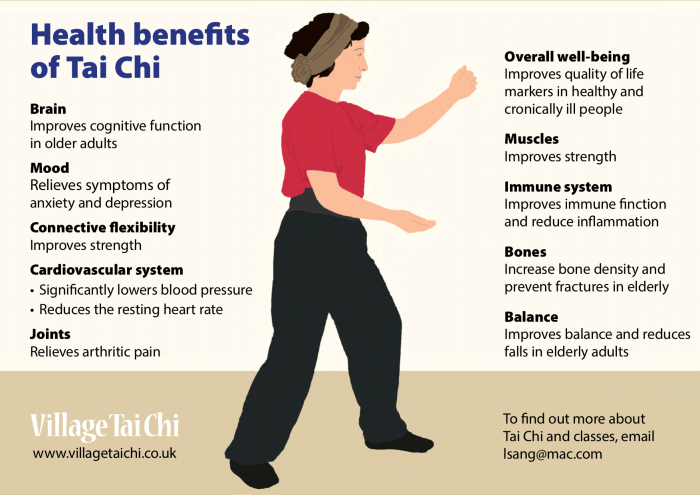
Tai chi can play a crucial role in managing joint pain and discomfort, offering a gentle yet effective way to alleviate symptoms and improve overall well-being. The slow, flowing movements of tai chi help increase flexibility, strength, and range of motion in the joints, which can significantly reduce pain and stiffness.
Effectiveness of Tai Chi for Pain Relief
- Tai chi has been shown in studies to be effective in reducing pain associated with conditions such as arthritis, fibromyalgia, and back pain.
- Regular practice of tai chi can help release tension in the muscles surrounding the joints, promoting better alignment and reducing stress on the affected areas.
- Individuals who incorporate tai chi into their pain management routine often report decreased pain levels, increased mobility, and a greater sense of relaxation.
Natural Alternative to Traditional Pain Management
- Tai chi offers a holistic approach to pain management, focusing on mind-body connection and gentle movements to alleviate discomfort without relying on medication.
- By promoting relaxation, reducing inflammation, and improving circulation, tai chi can address the root causes of pain rather than just masking symptoms.
- Many people find that practicing tai chi regularly not only helps manage their pain but also enhances their overall quality of life, providing a sustainable and natural alternative to traditional pain management methods.
Mental Resilience: Benefits Of Tai Chi For Joint Flexibility And Balance
Tai chi practice goes beyond physical benefits; it also contributes to mental resilience and emotional well-being. The mind-body connection in tai chi helps individuals manage stress, enhance mental clarity, and build overall resilience.
Stress Reduction and Mental Clarity
- Tai chi involves slow, deliberate movements combined with deep breathing and focused attention, promoting relaxation and reducing stress levels.
- Regular practice of tai chi has been shown to improve cognitive function, enhance concentration, and provide mental clarity.
- By cultivating mindfulness and being present in the moment during tai chi practice, individuals can experience a sense of calm and inner peace, leading to better stress management.
Psychological Benefits and Coping Mechanisms
- Engaging in tai chi can help individuals develop coping mechanisms to deal with challenges and adversities in life.
- The meditative aspect of tai chi encourages self-reflection, emotional regulation, and a positive outlook on life, contributing to improved psychological well-being.
- Practicing tai chi regularly can enhance emotional resilience, allowing individuals to bounce back from setbacks and maintain a balanced mental state.
Outcome Summary
Embark on a journey towards improved health and vitality as you embrace the enriching benefits of tai chi for joint flexibility and balance. Let the ancient art guide you towards a more balanced and resilient way of living, where movement becomes a pathway to holistic well-being.
General Inquiries
How can tai chi improve joint flexibility?
Tai chi enhances joint flexibility through gentle, flowing movements that target specific areas of the body, promoting greater range of motion and flexibility.
Why is balance important in preventing falls and injuries?
Balance is crucial for stability and coordination, reducing the risk of falls and injuries, especially in older adults.
Can tai chi be integrated into wellness programs?
Absolutely, tai chi is a popular component of many wellness programs due to its proven benefits for joint flexibility, balance, and overall well-being.
How does tai chi aid in disease prevention?
Regular practice of tai chi helps prevent diseases by improving joint flexibility and balance, boosting the body’s overall health and immunity.
What role does tai chi play in managing joint pain?
Tai chi serves as a natural method for managing joint pain and discomfort by promoting relaxation, reducing inflammation, and improving circulation.