How to use supplements to support bone density sets the stage for this enthralling narrative, offering readers a glimpse into a story that is rich in detail with casual formal language style and brimming with originality from the outset.
Bone density is crucial for overall health, and supplements play a key role in maintaining it. By understanding the factors affecting bone density and choosing the right supplements, individuals can support their bone health effectively. This guide will delve into the world of supplements for bone density, providing valuable insights and practical tips to enhance bone strength.
Introduction to Bone Density and Supplements
Bone density refers to the amount of minerals, such as calcium and phosphorus, present in your bones. It is a crucial factor in determining bone strength and overall skeletal health. Low bone density can lead to conditions like osteoporosis, making bones more fragile and prone to fractures.Supplements play a vital role in supporting bone density by providing essential nutrients that may be lacking in your diet.
These supplements can help maintain bone strength, prevent bone loss, and reduce the risk of fractures.
Common Supplements for Bone Health
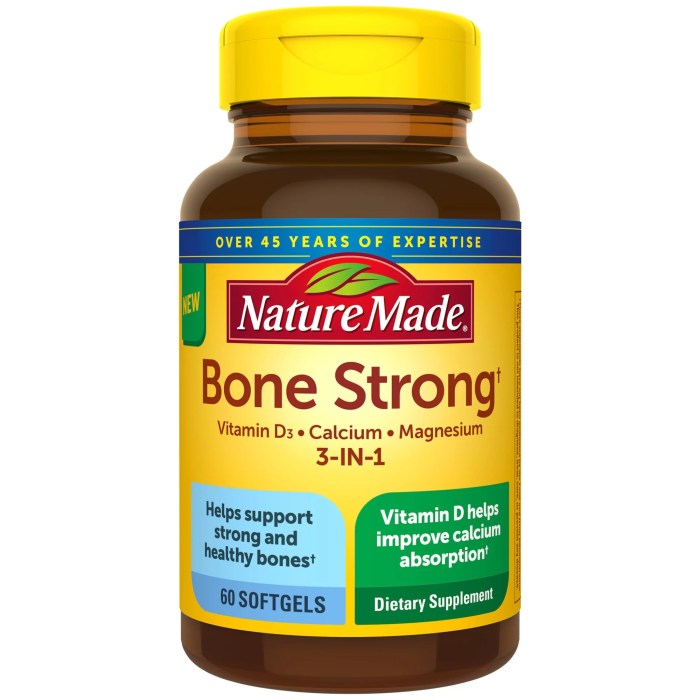
- Calcium: Essential for bone strength and density, calcium supplements help ensure you meet your daily requirements for this vital mineral.
- Vitamin D: Facilitates calcium absorption and plays a crucial role in maintaining bone health. Supplementing with vitamin D is especially important for individuals with limited sun exposure.
- Magnesium: Supports bone density by aiding in the absorption of calcium and contributing to bone formation.
- Vitamin K: Helps regulate calcium in the body and is essential for bone mineralization.
Factors Affecting Bone Density
Age, gender, diet, lifestyle, genetics, medical conditions, and physical activity all play a crucial role in determining bone density. Let’s delve deeper into how these factors impact bone health.
Age and Gender
As we age, our bone density naturally decreases, making older adults more susceptible to osteoporosis and fractures. Women, especially after menopause, are at a higher risk due to hormonal changes affecting bone strength.
Diet and Lifestyle
A diet rich in calcium, vitamin D, and other nutrients essential for bone health can help maintain or improve bone density. On the other hand, excessive alcohol consumption, smoking, and a sedentary lifestyle can contribute to bone loss.
Genetics and Medical Conditions
Genetics can influence bone density, with a family history of osteoporosis increasing the likelihood of developing the condition. Medical conditions like rheumatoid arthritis, hormonal imbalances, and gastrointestinal disorders can also impact bone health.
Physical Activity
Regular weight-bearing exercises, such as walking, running, or strength training, can help build and maintain bone density. Physical activity stimulates bone formation and strengthens the skeletal structure, reducing the risk of fractures.
Choosing the Right Supplements for Bone Density
When it comes to improving bone density, choosing the right supplements is crucial for achieving optimal results. Different types of supplements cater to various needs and health conditions, so it’s essential to select the ones that align with your specific requirements.
Calcium Supplements
Calcium is a key nutrient for bone health, and calcium supplements are commonly recommended to support bone density. It’s important to choose calcium citrate or calcium carbonate supplements, as they are more easily absorbed by the body compared to other forms.
Vitamin D Supplements
Vitamin D is essential for calcium absorption, making it a vital component in maintaining strong bones. Look for vitamin D3 supplements, as they are more effective in raising vitamin D levels in the body.
Magnesium Supplements
Magnesium plays a role in bone formation and density. Consider adding magnesium supplements to your regimen, especially if you have low magnesium levels in your body.
Consulting a Healthcare Provider
Before starting any new supplement regimen to support bone density, it’s crucial to consult a healthcare provider. They can assess your individual needs, health conditions, and any potential interactions with medications, ensuring you choose the right supplements for your specific situation.
Incorporating Supplements into Daily Routine

When it comes to supporting bone health, incorporating supplements into your daily routine is essential. Here are some tips on how to seamlessly include bone-supporting supplements into your meals or routines:
Creating Nutrient-Rich Meals
One of the best ways to incorporate bone-supporting supplements is by creating meals that are rich in nutrients essential for bone health. Include foods high in calcium, vitamin D, magnesium, and vitamin K in your daily diet.
- Start your day with a breakfast smoothie packed with leafy greens, yogurt, and almond milk for calcium and vitamin D.
- Snack on nuts and seeds throughout the day for a magnesium boost.
- Include salmon, tuna, or egg yolks in your meals for vitamin D.
Ideal Timing and Dosage
Timing and dosage play a crucial role in maximizing the benefits of bone-supporting supplements. It is recommended to take supplements with meals to enhance absorption.
Consult with a healthcare provider to determine the ideal dosage of supplements based on your individual needs and current bone health status.
Divide your supplement intake throughout the day to ensure a steady supply of nutrients to support bone density. Remember to follow the suggested dosage instructions provided on the supplement packaging.
Monitoring and Adjusting Supplement Intake: How To Use Supplements To Support Bone Density
Regular monitoring of bone density levels is crucial to assess the effectiveness of supplements in supporting bone health. This helps in tracking any improvements or changes that may occur over time. Adjusting supplement intake based on these results is necessary to ensure optimal bone density and overall health.
Importance of Regular Monitoring
Regular monitoring of bone density levels through tests like DEXA scans allows individuals to gauge the impact of supplements on their bone health. By tracking changes in bone density, one can determine if the current supplement regimen is effective or if adjustments are needed to support bone strength.
- Monitoring bone density helps in early detection of bone loss or osteoporosis.
- It enables healthcare providers to recommend appropriate changes in supplement intake for better bone health.
- Regular monitoring provides valuable insights into the effectiveness of lifestyle changes and supplement usage.
Tracking Supplement Effectiveness
To track the effectiveness of supplements in supporting bone health, individuals can work closely with healthcare providers to analyze bone density test results and assess any improvements or declines. Regular follow-ups and discussions can help in determining the impact of supplements and making informed decisions about adjusting intake.
- Comparing bone density test results before and after starting supplements can indicate progress.
- Observing changes in bone health symptoms or overall well-being can also reflect the effectiveness of supplements.
- Consulting with a healthcare provider for professional evaluation and guidance is essential in tracking supplement effectiveness.
Guidelines for Adjusting Supplement Intake
Adjusting supplement intake based on changes in bone density or overall health requires a personalized approach. Healthcare providers can provide specific recommendations tailored to individual needs and goals to optimize bone health effectively.
- Follow healthcare provider’s advice on adjusting supplement dosage or type based on bone density test results.
- Consider factors like age, gender, lifestyle, and overall health when making changes to supplement intake.
- Regularly review and update supplement intake in consultation with healthcare providers to ensure ongoing support for bone density.
Complementary Practices for Bone Health
Regular exercise plays a crucial role in improving bone density and strength. Lifestyle changes can also enhance the effectiveness of bone-supporting supplements. Maintaining a balanced diet is essential to support overall bone health.
Role of Exercise in Bone Health
Regular weight-bearing exercises such as walking, running, dancing, and weightlifting can help increase bone density and strength. These activities put stress on the bones, stimulating them to become stronger over time.
Lifestyle Changes for Better Bone Health, How to use supplements to support bone density
Incorporating healthy habits like quitting smoking, limiting alcohol intake, and getting an adequate amount of sunlight for vitamin D synthesis can improve the effectiveness of bone-supporting supplements. These lifestyle changes can create a more conducive environment for bone health.
Balanced Diet for Bone Health
Consuming a diet rich in calcium, vitamin D, magnesium, and other nutrients essential for bone health is crucial. Include dairy products, leafy greens, nuts, seeds, and fortified foods in your meals to support the overall health of your bones.
Potential Risks and Side Effects of Supplements
When it comes to using supplements to support bone density, it is important to be aware of potential risks and side effects that may come with certain products. While supplements can be beneficial, improper use or interactions with medications can lead to adverse effects on bone health.
Interactions with Medications
- Some supplements, such as calcium and vitamin D, may interact with certain medications like bisphosphonates or thyroid medications, affecting their absorption or effectiveness.
- It is essential to consult with a healthcare provider before starting any new supplement regimen, especially if you are taking prescription medications for bone health.
- Monitoring for signs of interactions, such as changes in medication effectiveness or unexpected side effects, is crucial for maintaining bone health.
Recognizing Adverse Reactions
- Common side effects of supplements for bone health can include gastrointestinal issues like constipation, diarrhea, or stomach upset.
- If you experience persistent or severe side effects while taking supplements, it is important to stop use and consult with a healthcare provider.
- Some supplements, particularly in high doses, can lead to toxicity and adverse effects on bone health, highlighting the importance of proper dosing and monitoring.
Final Summary
In conclusion, utilizing supplements to support bone density is a proactive approach towards maintaining optimal bone health. By incorporating the right supplements into daily routines and staying vigilant about monitoring bone density levels, individuals can take charge of their bone health and overall well-being.
Start your journey towards stronger bones today!
Question Bank
How do supplements contribute to supporting bone density?
Supplements provide essential nutrients that may be lacking in a person’s diet, helping to strengthen bones and improve overall bone health.
Is it necessary to consult a healthcare provider before taking supplements for bone density?
Yes, it’s important to seek professional advice before starting any new supplement regimen to ensure it aligns with individual health needs.
Can supplements alone improve bone density, or do other factors play a role?
While supplements can support bone density, factors like diet, exercise, and lifestyle choices also significantly impact overall bone health.