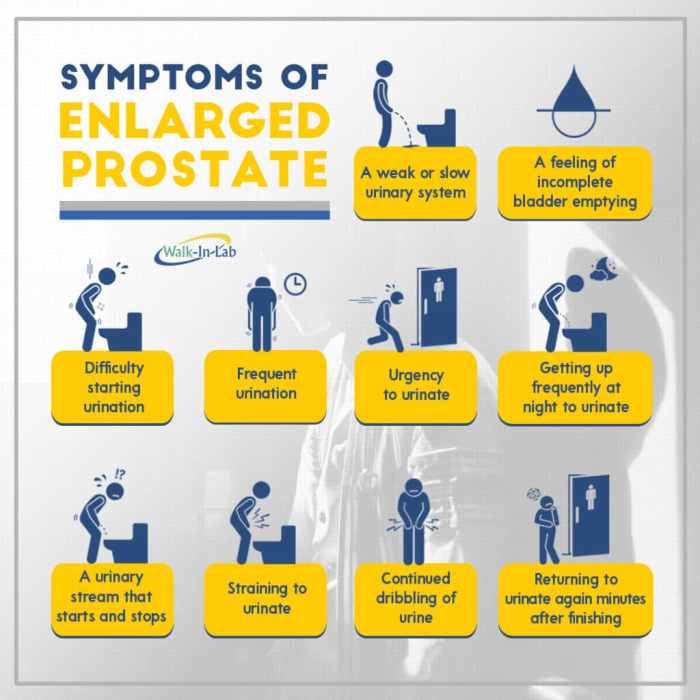
How to recognize symptoms for prostate screenings is crucial for early detection and prevention of potential health issues. Understanding the signs and taking proactive measures can make a significant difference in one’s well-being.
As we delve into the common symptoms and risk factors associated with prostate health, it becomes evident that being aware and informed can lead to better health outcomes.
Symptoms of Prostate Screenings
When it comes to prostate health, recognizing symptoms that may indicate the need for a screening is crucial. Early detection can lead to timely intervention and better outcomes for individuals at risk.
Common Symptoms to Watch Out For
- Difficulty urinating or weak urine flow
- Frequent urination, especially at night
- Pain or discomfort in the pelvic area
- Blood in urine or semen
These symptoms, if persistent, should not be ignored and may signal underlying prostate issues.
Significance of Symptoms
- Difficulty urinating or weak urine flow can indicate an enlarged prostate or potential blockages.
- Frequent urination, especially at night, might be a sign of an overactive bladder or prostate problems.
- Pain or discomfort in the pelvic area could be linked to prostatitis or other prostate conditions.
- Finding blood in urine or semen should prompt immediate medical attention as it could indicate serious issues like infection or cancer.
Importance of Early Recognition
- Early recognition of these symptoms can lead to timely screenings and diagnosis, improving treatment outcomes.
- Regular screenings can help detect prostate cancer at an early, more treatable stage.
- Ignoring symptoms may lead to the progression of prostate conditions, potentially impacting quality of life and treatment options.
Importance of Early Detection
Early detection of prostate issues is crucial for ensuring timely treatment and better outcomes for patients. Prostate cancer, if detected early, has a higher chance of being successfully treated, leading to improved survival rates and quality of life for individuals.
Statistics on Early Detection
Research shows that prostate cancer detected in its early stages has a five-year survival rate of nearly 100%. Regular screenings and early detection can significantly increase the chances of successful treatment and recovery.
Benefits of Early Detection
- Early detection allows for less aggressive treatment options, reducing the risk of side effects and complications.
- Individuals who undergo regular screenings and detect prostate issues early have a better chance of preserving their quality of life and overall health.
- Early detection can lead to more effective and targeted treatment plans, tailored to the specific needs of the patient.
Real-Life Examples
John, a 55-year-old man, underwent regular prostate screenings and was diagnosed with early-stage prostate cancer. Thanks to early detection, John received prompt treatment and is now cancer-free, enjoying a healthy life with his family.
Risk Factors for Prostate Health
When it comes to prostate health, there are several risk factors that can increase the likelihood of developing issues. These factors can range from lifestyle choices to genetic predispositions.
Lifestyle Factors
- Diets high in red meat and low in fruits and vegetables have been linked to an increased risk of prostate issues.
- Sedentary lifestyles and lack of exercise can also contribute to poor prostate health.
- Excessive alcohol consumption and smoking have been associated with a higher risk of prostate problems.
Genetics
Family history plays a significant role in prostate health. Men with a family history of prostate cancer are at a higher risk of developing the disease themselves.
Age and Health Conditions
- Age is a major risk factor for prostate issues, with the likelihood of developing problems increasing as men get older.
- Other health conditions such as obesity, diabetes, and high blood pressure can also impact prostate health negatively.
- Certain medications and hormonal imbalances can contribute to prostate issues as well.
Screening Methods
Regular prostate screenings are crucial for early detection and treatment of prostate cancer. There are several screening methods available, each with its own pros and cons. It is essential to understand these methods to make informed decisions about your prostate health.
Digital Rectal Exam (DRE)
- The DRE involves a healthcare provider manually checking the prostate gland for any abnormalities by inserting a gloved, lubricated finger into the rectum.
- Pros:
- Simple and quick procedure.
- Can detect irregularities in the prostate gland.
- Cons:
- May not detect small tumors or early-stage cancer.
- Can be uncomfortable or embarrassing for some individuals.
Prostate-Specific Antigen (PSA) Test
- The PSA test measures the levels of PSA in the blood, which can indicate potential issues with the prostate.
- Pros:
- Non-invasive procedure.
- Can detect elevated PSA levels, which may indicate prostate problems.
- Cons:
- PSA levels can be elevated due to other factors besides cancer.
- False positives and false negatives are possible.
Recommendations
- Men should discuss with their healthcare provider about starting prostate screenings at age 50.
- For individuals at higher risk, such as African American men or those with a family history of prostate cancer, screenings may begin earlier, around age 45.
- The frequency of screenings will depend on individual risk factors and overall health, so it is important to have open communication with a healthcare provider.
Wellness Programs
Wellness programs play a crucial role in supporting prostate health by promoting healthy lifestyle habits and early detection of any potential issues. These programs focus on overall well-being, including physical activity, nutrition, stress management, and regular screenings.
Components of a Comprehensive Wellness Program
- Regular Exercise: Physical activity, such as aerobic exercises and strength training, can help improve prostate health and reduce the risk of developing prostate issues.
- Healthy Diet: A diet rich in fruits, vegetables, whole grains, and lean proteins can support prostate health and overall well-being.
- Stress Management: Techniques like meditation, yoga, and mindfulness can help reduce stress levels, which can have a positive impact on prostate health.
- Regular Screenings: Wellness programs often emphasize the importance of regular prostate screenings to detect any abnormalities early on.
Examples of Effective Wellness Programs for Prostate Health
- Prostate Cancer Foundation’s Men’s Health Initiative:This program provides educational resources, support groups, and access to screenings for men at risk of prostate cancer.
- Healthy Aging Program:This program focuses on promoting healthy lifestyle habits, including diet and exercise, to support prostate health as men age.
- Workplace Wellness Programs:Many companies offer wellness programs that include prostate screenings, educational workshops, and incentives for employees to prioritize their health.
Herbal Remedies
Herbal remedies have been used for centuries to promote prostate health and alleviate symptoms associated with prostate issues. These natural alternatives are believed to provide various benefits and can be integrated into a holistic health regimen.
Common Herbal Remedies
- Saw Palmetto: Known for reducing symptoms of benign prostatic hyperplasia (BPH) and promoting urinary tract health.
- Pygeum: May help improve urinary function and reduce inflammation in the prostate.
- Nettle Root: Has anti-inflammatory properties and may support prostate health.
Benefits and Risks, How to recognize symptoms for prostate screenings
While herbal remedies are often praised for their natural origins, it’s important to acknowledge that they can also come with potential risks. Some herbs may interact with medications or have side effects. Consulting with a healthcare provider before incorporating herbal remedies is crucial to ensure safety and efficacy.
Incorporating Herbal Remedies
When considering herbal remedies for prostate health, it is advisable to start with one herb at a time to monitor its effects. Keeping a journal of symptoms and changes can help track progress. Additionally, purchasing herbal supplements from reputable sources and following recommended dosages are essential for optimal results.
Skin Health
Skin health plays a crucial role in our overall well-being. The condition of our skin can often be indicative of our internal health, reflecting any underlying issues that may need attention. Therefore, it is important to pay attention to our skin as part of our wellness routine.
Maintaining Healthy Skin
Maintaining healthy skin involves a combination of skincare practices and lifestyle choices. Here are some tips to help you keep your skin in optimal condition:
- Avoid prolonged sun exposure and always wear sunscreen to protect your skin from harmful UV rays.
- Stay hydrated by drinking plenty of water to keep your skin hydrated from within.
- Eat a balanced diet rich in fruits, vegetables, and healthy fats to nourish your skin from the inside out.
- Establish a regular skincare routine that includes cleansing, moisturizing, and exfoliating to keep your skin clean and clear.
- Avoid smoking and limit alcohol consumption, as these habits can negatively impact your skin’s health.
Bone Density
Healthy bone density is essential for overall health as it helps to support our body structure, protect our organs, and enable movement.
Factors Affecting Bone Density
Several factors can influence bone density, including:
- Age: Bone density tends to decrease as we age, making older adults more vulnerable to osteoporosis.
- Diet: Adequate intake of calcium and vitamin D is crucial for maintaining strong bones.
- Exercise: Weight-bearing and resistance exercises help to build and maintain bone density.
- Genetics: Family history plays a role in determining bone density levels.
Recommendations for Healthy Bone Density
To maintain healthy bone density, consider the following recommendations:
- Consume a balanced diet rich in calcium and vitamin D, including dairy products, leafy greens, and fortified foods.
- Engage in regular weight-bearing and muscle-strengthening exercises, such as walking, running, and weightlifting.
- Avoid smoking and limit alcohol consumption, as these habits can negatively impact bone health.
- Consult with a healthcare provider to assess your bone density and discuss any necessary supplements or treatments.
Muscle Mass
Muscle mass plays a crucial role in overall health and wellness. It not only contributes to physical strength and endurance but also impacts metabolism and daily functioning. Building and maintaining muscle mass is important for individuals of all ages to support a healthy and active lifestyle.
Importance of Muscle Mass
Having adequate muscle mass is essential for various reasons:
- Improved metabolism: Muscles burn more calories at rest compared to fat, so having more muscle mass can help boost metabolism and maintain a healthy weight.
- Enhanced physical performance: Strong muscles support better balance, coordination, and overall physical performance in daily activities and exercise.
- Better injury prevention: Muscles provide support to joints and bones, reducing the risk of injuries and improving overall stability.
Tips for Building and Maintaining Muscle Mass
Here are some tips to help you increase and preserve muscle mass:
- Engage in strength training exercises at least 2-3 times a week to stimulate muscle growth.
- Consume an adequate amount of protein to support muscle repair and growth.
- Get enough rest and quality sleep to allow muscles to recover and grow.
- Stay hydrated and maintain a balanced diet rich in nutrients to support overall muscle health.
- Avoid prolonged periods of inactivity to prevent muscle loss and maintain muscle mass.
Dental Care
Maintaining good dental hygiene is crucial for overall well-being. Poor oral health can lead to various health issues beyond just tooth decay and gum disease. It can impact your cardiovascular health, respiratory health, and even your mental well-being.
Importance of Oral Health
- Regular brushing and flossing can prevent plaque buildup, which can lead to gum disease and tooth decay.
- Visiting the dentist for regular check-ups can help detect oral health issues early and prevent them from escalating.
- Poor oral health has been linked to conditions such as heart disease, diabetes, and respiratory infections.
Tips for Maintaining Good Dental Hygiene
- Brush your teeth at least twice a day and floss daily to remove plaque and food particles.
- Use fluoride toothpaste to strengthen tooth enamel and prevent cavities.
- Avoid sugary and acidic foods that can erode tooth enamel and lead to decay.
- Replace your toothbrush every three to four months or sooner if the bristles are frayed.
How Dental Health Can Affect Other Aspects of Wellness
- Oral health is connected to overall health, so taking care of your teeth and gums can improve your quality of life.
- Chronic gum disease has been linked to an increased risk of heart disease and stroke.
- Untreated oral infections can spread to other parts of the body and cause systemic health issues.
Eye Health
Regular eye exams are crucial for overall health as they can help detect early signs of eye conditions and even underlying health issues. Taking care of your eyes can prevent vision loss and improve your quality of life.
Common Eye Conditions
- Refractive errors such as nearsightedness, farsightedness, and astigmatism can affect your vision and require corrective lenses.
- Cataracts are a clouding of the lens in the eye and can lead to blurred vision.
- Glaucoma is a group of eye conditions that damage the optic nerve and can result in vision loss if left untreated.
- Age-related macular degeneration (AMD) affects the central vision and is a leading cause of vision loss in older adults.
Tips for Good Eye Health
- Schedule regular eye exams with an eye care professional to monitor your eye health and address any concerns.
- Eat a healthy diet rich in fruits and vegetables, especially those high in vitamins A, C, and E, which are beneficial for eye health.
- Protect your eyes from UV radiation by wearing sunglasses outdoors and using protective eyewear during sports or activities that could cause eye injury.
- Avoid smoking, as it is linked to an increased risk of eye diseases such as cataracts and AMD.
- Give your eyes a break from digital screens by following the 20-20-20 rule: every 20 minutes, look at something 20 feet away for at least 20 seconds.
Mental Clarity
Mental clarity plays a crucial role in overall wellness, impacting our cognitive function, decision-making abilities, and emotional well-being. It is essential for maintaining focus, processing information efficiently, and managing stress effectively.
Strategies for Improving Mental Focus
- Adequate Sleep: Prioritize getting 7-9 hours of quality sleep each night to enhance cognitive function and improve concentration.
- Healthy Diet: Fuel your brain with nutrient-dense foods like fruits, vegetables, whole grains, and omega-3 fatty acids to support mental clarity.
- Regular Exercise: Engage in physical activity to boost blood flow to the brain, reduce stress, and enhance memory and cognitive function.
- Mindfulness Practices: Practice meditation, deep breathing, or yoga to improve focus, reduce distractions, and promote mental clarity.
Impact of Mental Clarity on Daily Life
Maintaining mental clarity can lead to increased productivity, better decision-making, improved relationships, and overall well-being. It allows individuals to handle challenges more effectively, stay organized, and achieve their goals with greater efficiency.
Joint Flexibility
Maintaining joint flexibility is crucial for overall health as it helps in preventing injuries, reducing joint pain, and improving mobility. It also contributes to better posture and balance, leading to a better quality of life.
Exercises and Activities for Joint Flexibility
- Yoga and Pilates: These low-impact exercises focus on stretching and strengthening muscles, which can help improve joint flexibility.
- Swimming: Water-based activities are gentle on the joints and can help increase flexibility without putting too much strain on them.
- Walking: A simple yet effective way to keep joints mobile and flexible. Regular walking can help maintain joint health.
Tips for Preventing Joint Stiffness and Improving Flexibility
- Stay Active: Regular physical activity helps keep joints lubricated and flexible.
- Warm-Up and Cool Down: Always warm up before exercising and cool down afterward to prevent stiffness.
- Stay Hydrated: Drinking plenty of water helps maintain the elasticity of connective tissues in the joints.
- Maintain a Healthy Weight: Excess weight puts strain on joints, leading to stiffness and reduced flexibility.
- Stretch Regularly: Incorporate stretching exercises into your daily routine to improve joint flexibility.
Digestive Health
Good digestive health plays a crucial role in overall well-being, as it helps the body absorb nutrients, eliminate waste, and maintain a healthy immune system.
Impact of Diet and Lifestyle Choices
- Include plenty of fiber-rich foods like fruits, vegetables, whole grains, and legumes in your diet to promote regular bowel movements and prevent constipation.
- Avoid excessive intake of processed foods, fried foods, and sugary snacks, as they can disrupt the balance of good bacteria in the gut.
- Stay hydrated by drinking an adequate amount of water throughout the day to support digestion and prevent dehydration.
- Engage in regular physical activity to stimulate digestion and maintain a healthy weight, reducing the risk of digestive issues.
Tips for Maintaining Good Digestive Health
- Eat meals at regular times each day to establish a consistent routine for your digestive system.
- Avoid eating large meals late at night, as this can lead to indigestion and disrupted sleep.
- Practice mindful eating by chewing food slowly and thoroughly to aid in digestion and prevent bloating.
- Manage stress through relaxation techniques like deep breathing, meditation, or yoga, as stress can negatively impact digestion.
Detox Process
Detoxification is the process of removing toxins and impurities from the body, allowing it to function optimally. It plays a crucial role in maintaining overall health and well-being by supporting the organs responsible for eliminating waste and toxins.
Natural Ways to Support Detox Process
- Adequate Hydration: Drinking plenty of water helps flush out toxins and supports kidney function.
- Healthy Diet: Incorporating whole foods rich in antioxidants, fiber, and nutrients can aid in detoxification.
- Regular Exercise: Physical activity promotes circulation and sweating, which can help eliminate toxins through the skin.
- Quality Sleep: Getting enough rest allows the body to repair and regenerate, supporting the detox process.
Tips for Incorporating Detox Practices into a Wellness Routine
- Start the day with warm lemon water to kickstart the detox process and support digestion.
- Include detoxifying foods like leafy greens, cruciferous vegetables, and berries in your meals.
- Practice mindful eating to focus on nourishing your body and avoiding processed foods and excessive sugar.
- Consider intermittent fasting or juice cleanses for a more intensive detoxification experience.
Blood Pressure
Maintaining healthy blood pressure levels is crucial for overall health and well-being. High blood pressure, also known as hypertension, can increase the risk of heart disease, stroke, and other serious health conditions. Monitoring blood pressure regularly can help in early detection and prevention of potential health issues.
Significance of Monitoring Blood Pressure
- Regular monitoring of blood pressure can help identify any fluctuations or abnormalities in blood pressure levels.
- Early detection of high blood pressure can prevent the development of more serious health conditions.
- Monitoring blood pressure can aid in assessing the effectiveness of lifestyle changes or medications in managing blood pressure.
Factors Influencing Blood Pressure Levels
- Factors such as diet, physical activity, stress levels, and genetics can influence blood pressure levels.
- Consuming a diet high in sodium and low in potassium can contribute to high blood pressure.
- Lack of physical activity and chronic stress can also impact blood pressure levels.
- Genetic factors can predispose individuals to high blood pressure.
Tips for Maintaining Healthy Blood Pressure
- Aim for a balanced diet rich in fruits, vegetables, whole grains, and lean proteins to support healthy blood pressure levels.
- Engage in regular physical activity to help manage stress and maintain a healthy weight.
- Limit sodium intake by avoiding processed foods and opting for fresh ingredients in cooking.
- Practice stress-reducing techniques such as meditation, yoga, or deep breathing exercises.
- Consult with a healthcare provider for regular blood pressure screenings and personalized recommendations for maintaining healthy blood pressure.
Heart Rate
Monitoring your heart rate is crucial for assessing your cardiovascular health and overall well-being. It can provide valuable insights into your fitness levels, stress levels, and even potential health issues.
Importance of Heart Rate
Heart rate is an indicator of how efficiently your heart is functioning and how well it can supply oxygenated blood to the rest of your body. A normal resting heart rate typically falls between 60-100 beats per minute, with lower rates often indicating better cardiovascular fitness.
- Regularly monitoring your heart rate can help you track changes in your fitness level over time.
- An elevated heart rate, especially at rest, could indicate underlying health issues such as high blood pressure, heart disease, or stress.
- By understanding your heart rate patterns, you can take proactive steps to improve your cardiovascular health and overall well-being.
Tips for Monitoring and Maintaining a Healthy Heart Rate
Here are some practical tips to help you monitor and maintain a healthy heart rate:
- Aim for at least 150 minutes of moderate-intensity exercise per week to improve cardiovascular fitness and lower your resting heart rate.
- Practice stress-reducing techniques such as meditation, deep breathing, or yoga to keep your heart rate in check.
- Avoid excessive caffeine, alcohol, and tobacco consumption, as these can elevate your heart rate and negatively impact your cardiovascular health.
- Consult with your healthcare provider to establish a target heart rate range based on your age, fitness level, and health goals.
Health Screenings
Regular health screenings are essential for preventive care as they help in early detection of potential health issues, allowing for timely intervention and treatment. By undergoing routine screenings, individuals can monitor their health status and take necessary steps to maintain overall well-being.
Common Health Screenings
- Blood pressure measurement: Regular monitoring of blood pressure levels helps in detecting hypertension, a major risk factor for cardiovascular diseases.
- Cholesterol testing: Screening for cholesterol levels aids in assessing the risk of heart disease and stroke.
- Blood sugar testing: Checking blood sugar levels is crucial for diabetes management and prevention of complications.
- Colonoscopy: Recommended for individuals above a certain age to screen for colorectal cancer.
- Mammograms: Vital for breast cancer detection in women, especially those above a certain age or with a family history of the disease.
Scheduling and Preparation
- Consult with your healthcare provider to determine the appropriate timing and frequency of screenings based on your age, gender, and medical history.
- Follow any pre-screening instructions provided, such as fasting before blood tests or specific dietary restrictions.
- Ensure to keep track of screening appointments and maintain a record of results for future reference and monitoring.
Vaccination Programs: How To Recognize Symptoms For Prostate Screenings
Vaccination programs play a crucial role in disease prevention by boosting immunity against various infectious diseases. By administering vaccines, individuals can develop protection against specific illnesses, reducing the risk of outbreaks and safeguarding public health.
Common Vaccinations for Adults
- Seasonal Influenza Vaccine: Recommended annually to protect against the flu virus and its complications.
- Tetanus, Diphtheria, Pertussis (Tdap) Vaccine: Provides immunity against these bacterial infections.
- Human Papillomavirus (HPV) Vaccine: Helps prevent HPV-related cancers and genital warts.
- Pneumococcal Vaccine: Protects against pneumonia, meningitis, and bloodstream infections caused by the bacterium Streptococcus pneumoniae.
Benefits of Vaccination Programs
Vaccination programs offer numerous benefits for public health, including:
- Preventing the spread of infectious diseases within communities.
- Reducing the severity of illnesses and associated complications.
- Protecting vulnerable populations such as infants, elderly individuals, and those with weakened immune systems.
- Contributing to herd immunity, where a high percentage of vaccinated individuals helps prevent outbreaks.
- Promoting overall health and well-being by preventing the onset of preventable diseases.
Healthy Habits
Maintaining overall wellness is not just about screenings and treatments; it also involves adopting healthy habits in your daily life. These habits can significantly impact your quality of life and contribute to your overall well-being. By incorporating simple yet effective practices into your routine, you can improve your physical, mental, and emotional health.
Examples of Healthy Habits
- Eating a balanced diet rich in fruits, vegetables, whole grains, and lean proteins.
- Engaging in regular physical activity such as walking, jogging, yoga, or swimming.
- Getting an adequate amount of sleep each night to allow your body to rest and recharge.
- Staying hydrated by drinking plenty of water throughout the day.
- Managing stress through relaxation techniques like meditation, deep breathing, or mindfulness.
Tips for Developing and Sustaining Healthy Habits
- Start small and gradually incorporate new habits into your routine to avoid feeling overwhelmed.
- Set specific, achievable goals to help you stay motivated and track your progress.
- Find activities you enjoy to make healthy habits more sustainable in the long run.
- Establish a support system by sharing your goals with friends or family members who can hold you accountable.
- Reward yourself for reaching milestones to reinforce positive behavior and encourage consistency.
Balanced Hormones
Maintaining balanced hormones is crucial for overall health and well-being. Hormones play a vital role in regulating various bodily functions and processes, impacting everything from mood and energy levels to metabolism and immune function.
Importance of Hormonal Balance
When hormones are imbalanced, it can lead to a range of health issues and symptoms. For instance, an excess of cortisol, known as the stress hormone, can contribute to anxiety, weight gain, and sleep disturbances. On the other hand, low levels of thyroid hormones can result in fatigue, depression, and weight gain.
Tips for Natural Hormone Balance
- Avoid processed foods and sugar, which can disrupt hormone levels.
- Incorporate regular exercise into your routine to help balance hormones and reduce stress.
- Get enough sleep to support hormone regulation and overall health.
- Manage stress through relaxation techniques such as meditation or yoga.
- Include hormone-balancing foods in your diet, such as fatty fish, nuts, seeds, and leafy greens.
Health Coaching
Health coaching is a personalized approach to help individuals achieve their wellness goals by focusing on behavior change and lifestyle improvements. It involves working with a qualified health coach who provides guidance, support, and accountability throughout the journey towards better health.
Benefits of Health Coaching
- Personalized guidance and support tailored to individual needs
- Accountability to stay on track with health goals
- Education on healthy lifestyle choices and behavior change
- Motivation to make sustainable changes for long-term health
Finding a Qualified Health Coach
- Look for certifications from reputable coaching programs
- Check for experience and expertise in relevant areas of health and wellness
- Seek recommendations from trusted sources or healthcare professionals
- Ensure a good fit in terms of communication style and approach to coaching
Fitness Goals
Setting fitness goals is crucial for achieving optimal health and well-being. It provides direction, motivation, and a sense of accomplishment. Here are some tips for creating realistic fitness goals and staying committed to them:
Importance of Setting Fitness Goals
Setting specific, measurable, achievable, relevant, and time-bound (SMART) goals is essential. For example, instead of saying “I want to lose weight,” a SMART goal would be “I aim to lose 10 pounds in the next three months by exercising three times a week and following a balanced diet.”
- Start with small, attainable goals to build momentum and confidence.
- Track your progress regularly to stay accountable and make adjustments as needed.
- Celebrate your achievements, no matter how small, to stay motivated and focused on your fitness journey.
Strategies for Staying Motivated and Accountable
Maintaining motivation and accountability is key to reaching your fitness goals. Consider the following strategies:
- Find a workout buddy or join a fitness group for social support and encouragement.
- Reward yourself for reaching milestones, such as buying new workout gear or treating yourself to a healthy meal.
- Keep a fitness journal to record your workouts, progress, and setbacks, allowing you to reflect on your journey and make necessary adjustments.
Diet Planning
When it comes to overall health and well-being, diet plays a crucial role in providing the necessary nutrients for the body to function optimally. A balanced diet can help prevent chronic diseases, boost immunity, maintain a healthy weight, and improve energy levels.
Principles of Balanced Nutrition
- Aim for variety: Include a wide range of food groups in your diet to ensure you are getting all the essential nutrients.
- Focus on whole foods: Opt for whole grains, fruits, vegetables, lean proteins, and healthy fats to fuel your body with quality nutrients.
- Watch portion sizes: Be mindful of portion sizes to avoid overeating and maintain a healthy weight.
- Stay hydrated: Drink plenty of water throughout the day to support digestion, metabolism, and overall health.
Tips for Meal Planning
- Plan ahead: Take time to plan your meals for the week to ensure you have nutritious options readily available.
- Include a variety of colors: Incorporate different colored fruits and vegetables to maximize nutrient intake and add visual appeal to your meals.
- Cook at home: Cooking your meals allows you to control ingredients, portion sizes, and cooking methods for healthier choices.
- Limit processed foods: Minimize the consumption of processed foods high in added sugars, unhealthy fats, and preservatives.
Health Supplements
When it comes to supporting overall wellness, health supplements can play a vital role in providing essential nutrients that may be lacking in our diets. These supplements can help bridge the gap and ensure our bodies are functioning optimally. It is important to understand the common types of health supplements available and how to make informed choices when incorporating them into our daily routine.
Types of Health Supplements and Their Benefits
- Vitamins: Essential for various bodily functions, vitamins such as Vitamin C, Vitamin D, and Vitamin B complex can help boost immunity, support bone health, and improve energy levels.
- Minerals: Important for proper cellular function, minerals like calcium, magnesium, and iron play a crucial role in maintaining overall health, from bone density to muscle function.
- Omega-3 Fatty Acids: Known for their anti-inflammatory properties, Omega-3 fatty acids are beneficial for heart health, brain function, and joint health.
- Probiotics: These beneficial bacteria support gut health and digestion, promoting a healthy balance of microorganisms in the gut.
- Herbal Supplements: Natural remedies like turmeric, ginger, and garlic can provide antioxidant properties, reduce inflammation, and support overall wellness.
Choosing and Using Health Supplements Wisely
- Consult a healthcare provider: Before starting any new supplement regimen, it is essential to consult with a healthcare provider to ensure the supplements are safe and appropriate for your individual needs.
- Quality matters: Look for supplements from reputable brands that undergo testing for purity and potency to ensure you are getting a high-quality product.
- Follow recommended dosages: It is crucial to follow the recommended dosages provided on the supplement packaging to avoid potential adverse effects.
- Monitor your body: Pay attention to how your body responds to the supplements and make adjustments as needed based on any changes or reactions you may experience.
Breathing Techniques
Proper breathing is essential for overall health as it helps to oxygenate the body, reduce stress, and promote relaxation. Incorporating breathing exercises into a daily routine can have a significant impact on well-being.
Importance of Proper Breathing
Proper breathing is crucial for maintaining optimal health as it ensures the body receives an adequate supply of oxygen. It can help reduce stress levels, improve focus, and enhance overall well-being.
Different Breathing Techniques for Relaxation and Stress Relief
There are various breathing techniques that can promote relaxation and relieve stress. Some popular techniques include:
- Diaphragmatic breathing: Focus on breathing deeply into the diaphragm to promote relaxation.
- Box breathing: Inhale for a count of four, hold for four, exhale for four, and hold for four, repeating the cycle.
- Alternate nostril breathing: Inhale and exhale through one nostril at a time to balance the body’s energy.
Tips for Incorporating Breathing Exercises into a Daily Routine
It’s important to find time in your day to practice breathing exercises. Here are some tips for incorporating them into your daily routine:
- Set aside dedicated time each day for breathing exercises, such as in the morning or before bed.
- Practice deep breathing while performing everyday tasks, such as sitting at your desk or driving.
- Use breathing exercises as a way to manage stress during challenging situations or moments of anxiety.
Disease Prevention
Preventing diseases is crucial for maintaining overall health and well-being. By taking proactive measures, individuals can reduce the risk of developing various illnesses and conditions. Lifestyle choices play a significant role in disease prevention, along with regular screenings and healthcare practices.
Significance of Preventive Measures
- Preventive measures help in identifying risk factors early on, allowing for timely intervention and treatment.
- By adopting healthy habits and behaviors, individuals can strengthen their immune system and improve their overall health.
- Regular health screenings can detect potential issues before they escalate into serious health concerns.
- Preventive care reduces healthcare costs in the long run by avoiding expensive treatments for advanced stages of diseases.
Key Strategies for Disease Prevention through Lifestyle Choices
- Follow a balanced diet rich in fruits, vegetables, whole grains, and lean proteins to maintain a healthy weight and reduce the risk of chronic diseases.
- Engage in regular physical activity to improve cardiovascular health, strengthen muscles, and boost overall well-being.
- Avoid smoking and limit alcohol consumption to prevent various types of cancers, respiratory diseases, and liver damage.
- Practice stress management techniques such as meditation, yoga, or deep breathing exercises to reduce the negative impact of stress on the body.
Examples of Preventive Healthcare Practices
- Schedule annual check-ups with your healthcare provider to monitor your health status and address any concerns promptly.
- Get recommended vaccinations to protect yourself from infectious diseases and prevent their spread in the community.
- Practice good hygiene habits such as regular handwashing to prevent the transmission of bacteria and viruses.
- Use sunscreen and protective gear to shield yourself from harmful UV rays and reduce the risk of skin cancer.
Pain Management
Pain management is crucial for improving the quality of life for individuals dealing with chronic pain. Effective management not only helps in reducing discomfort but also allows individuals to engage in daily activities and maintain overall well-being.
Approaches to Pain Management
- Medication: Prescription and over-the-counter medications can help in managing pain. It is essential to follow the dosage instructions provided by healthcare professionals.
- Alternative Therapies: Techniques such as acupuncture, massage therapy, physical therapy, and meditation can also be effective in reducing pain and improving quality of life.
- Exercise: Engaging in regular physical activity can help in strengthening muscles, reducing stiffness, and improving overall mobility, which can contribute to pain management.
- Diet and Nutrition: Maintaining a healthy diet rich in vitamins and minerals can help in reducing inflammation and supporting overall health, which can have a positive impact on pain management.
Tips for Coping with Chronic Pain
- Practice Relaxation Techniques: Techniques such as deep breathing, progressive muscle relaxation, and mindfulness can help in reducing stress and managing pain effectively.
- Maintain a Healthy Lifestyle: Getting an adequate amount of sleep, staying hydrated, and avoiding activities that exacerbate pain can contribute to better pain management.
- Seek Support: Connecting with support groups, counselors, or healthcare professionals can provide emotional support and guidance in coping with chronic pain.
- Stay Active: Engaging in light physical activities or hobbies that bring joy can help in distracting from pain and improving overall well-being.
Holistic Treatments
Holistic treatments focus on treating the whole person, addressing the mind, body, and spirit to promote overall well-being. These therapies aim to restore balance and harmony within the individual, taking into account physical, emotional, mental, and spiritual aspects of health.
Examples of Holistic Treatments and Benefits
- Acupuncture: This ancient Chinese therapy involves inserting thin needles into specific points on the body to promote healing and relieve pain. Acupuncture can help reduce stress, improve sleep, and alleviate various health conditions.
- Yoga: A mind-body practice that combines physical postures, breathing exercises, and meditation. Yoga can enhance flexibility, strength, and relaxation while reducing stress and anxiety.
- Meditation: A practice that involves focusing the mind and eliminating distractions to achieve a state of calm and clarity. Meditation can reduce stress, improve concentration, and promote emotional well-being.
- Herbal Medicine: The use of plants and plant extracts to promote healing and wellness. Herbal remedies can support the body’s natural healing processes and help manage various health issues.
- Massage Therapy: Manipulation of soft tissues to improve circulation, reduce muscle tension, and promote relaxation. Massage therapy can alleviate pain, enhance flexibility, and reduce stress levels.
Mental Resilience
Mental resilience is crucial in navigating life’s challenges and maintaining overall well-being. It refers to the ability to adapt to stress, adversity, and trauma, bouncing back from difficult situations with a positive mindset.Building and strengthening mental resilience involves various strategies that can help individuals cope with stress and setbacks more effectively.
Here are some tips for enhancing mental well-being and cultivating resilience:
Develop a Growth Mindset
- Cultivate a positive outlook on challenges, seeing them as opportunities for growth and learning.
- Embrace setbacks as temporary and focus on the lessons learned from each experience.
- Practice self-compassion and treat yourself with kindness during difficult times.
Build Strong Relationships
- Connect with supportive friends and family members who can provide encouragement and perspective.
- Seek out a mentor or therapist for guidance and to help process emotions in a healthy way.
- Participate in social activities and maintain a strong support network to lean on during tough times.
Practice Mindfulness and Relaxation Techniques
- Engage in mindfulness meditation, deep breathing exercises, or yoga to reduce stress and increase mental clarity.
- Take breaks throughout the day to relax and recharge, promoting a sense of calm and balance.
- Develop a consistent self-care routine that prioritizes mental and emotional well-being.
Conclusion
In conclusion, recognizing symptoms for prostate screenings is not just about identifying warning signs but also taking charge of your health. By staying informed and proactive, individuals can prioritize their well-being and potentially prevent serious health conditions.
FAQ Resource
What are the lifestyle factors that may increase the risk of prostate issues?
Lifestyle factors such as poor diet, lack of exercise, and smoking can increase the risk of prostate problems.
How can age and other health conditions impact prostate health?
As individuals age, the risk of prostate issues may increase. Additionally, certain health conditions like diabetes can also impact prostate health.