
Nutritionist-approved diet plans set the stage for this enthralling narrative, offering readers a glimpse into a story that is rich in detail and brimming with originality from the outset. Wellness programs, herbal remedies, skin health, bone density, muscle mass, and more – all intricately woven into the fabric of a healthier lifestyle.
Dive in to discover the secrets to a balanced and nourishing diet that will transform your well-being inside and out.
Wellness Programs
Wellness programs play a crucial role in promoting overall health by focusing on various aspects of well-being, including physical, mental, and emotional health. These programs aim to educate individuals on healthy lifestyle choices, provide support and resources to help them make positive changes, and create a sense of community and accountability.
Types of Wellness Programs
- Employee Wellness Programs: Offered by employers to promote the health and well-being of their employees through initiatives such as fitness challenges, nutrition education, and stress management workshops.
- Community Wellness Programs: Organized by local community centers, gyms, or healthcare facilities to provide access to fitness classes, health screenings, and support groups for individuals of all ages.
- Online Wellness Programs: Virtual platforms that offer resources, tools, and support for individuals to improve their health and well-being from the comfort of their homes.
Benefits of Wellness Programs
- Improved Physical Health: Wellness programs encourage regular exercise, healthy eating habits, and preventive screenings, leading to better overall physical health.
- Enhanced Mental Well-being: By promoting stress management techniques, mindfulness practices, and mental health resources, wellness programs support mental well-being and reduce the risk of burnout and anxiety.
- Increased Productivity: Healthy employees are more productive, engaged, and motivated, resulting in higher job satisfaction and lower absenteeism rates.
- Sense of Community: Participating in wellness programs fosters a sense of community and support, creating a positive environment for individuals to connect, share experiences, and motivate each other.
Herbal Remedies
Herbal remedies have been used for centuries to support overall health and well-being. When incorporated into a nutritionist-approved diet plan, these natural remedies can provide additional benefits and support various health concerns.
Popular Herbal Remedies
- Milk Thistle: Known for its liver-protecting properties, milk thistle is often used to support liver health and detoxification.
- Ginger: This powerful herb is commonly used to aid digestion, reduce inflammation, and alleviate nausea.
- Echinacea: Widely used to support the immune system and reduce the duration of colds and flu.
- Valerian Root: Often used as a natural remedy for insomnia and to promote relaxation and improve sleep quality.
It is important to note that while herbal remedies can offer various health benefits, it is crucial to consult with a healthcare professional before incorporating them into your diet plan. Some herbs may interact with medications or have contraindications for certain health conditions.
Seeking guidance from a qualified professional will ensure that the herbal remedies are safe and effective for your individual needs.
Skin Health
Maintaining healthy skin is not just about what products you use topically, but also what you feed your body. Your diet plays a crucial role in the health and appearance of your skin.
Nutrients for Healthy Skin
Eating a balanced diet rich in essential nutrients can help promote healthy skin from within. Some key nutrients that are essential for maintaining healthy skin include:
- Vitamin C: Helps in collagen production and protects the skin from sun damage.
- Vitamin E: Acts as an antioxidant, protecting the skin from free radicals.
- Omega-3 fatty acids: Maintain the skin’s natural oil barrier, preventing dryness and inflammation.
- Zinc: Helps in wound healing and reduces inflammation in the skin.
- Antioxidants: Found in fruits and vegetables, they help fight oxidative stress and prevent premature aging.
Tips for Improving Skin Health
Aside from including skin-friendly nutrients in your diet, here are some tips to improve your skin health through diet and lifestyle changes:
- Stay hydrated by drinking plenty of water to keep your skin hydrated and plump.
- Eat a variety of fruits and vegetables to get a range of vitamins and minerals that benefit the skin.
- Limit processed foods and sugar intake, as they can lead to inflammation and skin issues.
- Get enough sleep to allow your skin to regenerate and repair itself overnight.
- Protect your skin from the sun by using sunscreen and wearing protective clothing.
Bone Density
Having strong bone density is crucial for overall health as it helps prevent fractures and osteoporosis, especially as we age. Maintaining optimal bone density is essential for supporting our skeletal structure and overall mobility.
Importance of Diet and Exercise
Both diet and exercise play a significant role in improving and maintaining bone density. A balanced diet rich in calcium, vitamin D, magnesium, and other essential nutrients is essential for bone health. Regular weight-bearing exercises such as walking, jogging, or resistance training help stimulate bone growth and strength.
Nutritionist-Approved Diet Plans for Bone Health
- Include calcium-rich foods such as dairy products, leafy greens, almonds, and tofu in your meals.
- Consume foods high in vitamin D like fatty fish, egg yolks, and fortified cereals to aid in calcium absorption.
- Incorporate magnesium sources such as nuts, seeds, whole grains, and legumes to support bone strength.
- Ensure an adequate intake of vitamin K from foods like spinach, broccoli, and Brussels sprouts, which play a role in bone mineralization.
- Limit sodium, caffeine, and alcohol intake as they can negatively impact bone health.
Muscle Mass
Building and maintaining muscle mass is crucial for overall health and fitness. Proper nutrition plays a key role in supporting muscle growth and repair.
Importance of Protein
Protein is essential for muscle health as it provides the building blocks (amino acids) needed for muscle growth and repair. It is recommended to include lean sources of protein such as chicken, fish, tofu, and legumes in your diet.
Other Nutrients for Muscle Health
In addition to protein, other nutrients like carbohydrates and fats are also important for fueling workouts and supporting muscle recovery. Carbohydrates provide energy for exercise, while healthy fats help with hormone production and nutrient absorption.
Diet and Exercise Tips for Increasing Muscle Mass
- Consume an adequate amount of protein throughout the day to support muscle growth.
- Include complex carbohydrates like whole grains and fruits in your diet for sustained energy.
- Incorporate strength training exercises into your workout routine to build and maintain muscle mass.
- Stay hydrated by drinking plenty of water to support muscle function and recovery.
Dental Care
Proper nutrition plays a crucial role in maintaining good dental health. The foods we eat can impact the health of our teeth and gums, and incorporating certain foods into our diet can help promote healthy teeth and gums. In addition to regular dental care practices like brushing and flossing, a well-balanced diet can contribute to overall oral health.
Foods for Healthy Teeth and Gums
- Crunchy fruits and vegetables like apples, carrots, and celery can help clean teeth and stimulate saliva production, which helps neutralize acids in the mouth.
- Dairy products such as milk, cheese, and yogurt are rich in calcium and phosphorus, which are essential for strong teeth and bones.
- Leafy greens like spinach and kale are high in vitamins and minerals that promote gum health and protect against inflammation.
- Lean proteins like poultry, fish, and eggs provide important nutrients like phosphorus and vitamin D, which are beneficial for tooth enamel.
Tips for Maintaining Oral Hygiene through Diet
- Limit sugary and acidic foods and beverages that can contribute to tooth decay and erosion.
- Stay hydrated by drinking plenty of water to help rinse away food particles and reduce the risk of cavities.
- Include foods rich in vitamin C, such as citrus fruits and bell peppers, to support gum health and collagen production.
- Avoid excessive snacking between meals to reduce the frequency of exposure to sugars and acids that can harm tooth enamel.
Eye Health
Proper nutrition plays a crucial role in maintaining good eye health. The nutrients we consume directly impact the health of our eyes and can help prevent various eye conditions.Excessive exposure to blue light from screens and UV rays from the sun can lead to eye strain and damage over time.
A diet rich in specific nutrients can help protect our eyes and maintain optimal vision.
Key Nutrients for Eye Health
- Vitamin A: Essential for good vision, especially in low light conditions. Found in foods like carrots, sweet potatoes, and spinach.
- Omega-3 fatty acids: Help protect against dry eyes and macular degeneration. Sources include fatty fish like salmon, walnuts, and chia seeds.
- Lutein and Zeaxanthin: Antioxidants that reduce the risk of cataracts and macular degeneration. Found in leafy greens, eggs, and corn.
- Vitamin C: Supports the health of blood vessels in the eyes and reduces the risk of cataracts. Citrus fruits, strawberries, and bell peppers are good sources.
- Zinc: Important for the overall health of the retina. Foods like beef, poultry, and lentils are rich in zinc.
Mental Clarity
Proper nutrition plays a vital role in supporting cognitive function and mental clarity. The foods we eat can have a significant impact on our brain health and ability to focus. By incorporating certain nutrients into our diet, we can enhance mental clarity and overall cognitive performance.
Foods for Brain Health
Eating a diet rich in certain nutrients can help boost brain health and improve mental clarity. Foods high in omega-3 fatty acids, such as salmon, walnuts, and flaxseeds, are known to support brain function. Additionally, antioxidants found in berries, dark leafy greens, and dark chocolate can help protect the brain from oxidative stress.
Including foods like avocados, eggs, and nuts can also provide essential nutrients for brain health.
Tips for Enhancing Mental Clarity
1. Stay Hydrated
Dehydration can impair cognitive function, so make sure to drink plenty of water throughout the day.
2. Eat Balanced Meals
Include a variety of nutrient-dense foods in your diet to support overall brain health.
3. Get Enough Sleep
Adequate rest is crucial for mental clarity and focus. Aim for 7-8 hours of quality sleep each night.
4. Manage Stress
Chronic stress can negatively impact cognitive function, so practice stress-reducing activities like meditation or yoga.
5. Stay Active
Regular physical activity can improve blood flow to the brain, enhancing cognitive function and mental clarity.
Joint Flexibility
Maintaining joint health and flexibility is crucial for overall mobility and quality of life. A balanced diet plays a key role in supporting joint function and flexibility.
Nutrients for Joint Health
Proper nutrition can help reduce inflammation and support the health of joints. Some key nutrients that are beneficial for joint health include:
- Omega-3 fatty acids: Found in fatty fish, flaxseeds, and walnuts, omega-3s help reduce inflammation in the body.
- Vitamin C: Found in citrus fruits, bell peppers, and strawberries, vitamin C is essential for collagen production, which supports joint structure.
- Vitamin D: Sunlight exposure and fortified foods can provide vitamin D, which is important for calcium absorption and bone health.
- Antioxidants: Found in colorful fruits and vegetables, antioxidants help protect joint tissues from damage.
Diet Plans and Exercises
Incorporating foods rich in these nutrients into your daily diet can help support joint flexibility. Additionally, regular exercise, such as low-impact activities like swimming or yoga, can help improve joint mobility and flexibility. Consult with a healthcare provider or a nutritionist to create a personalized diet plan and exercise routine tailored to your specific needs and goals.
Digestive Health
Proper nutrition plays a crucial role in maintaining good digestive health. A well-balanced diet can help prevent digestive issues and promote overall well-being.
Foods for Digestive Health
- Eat plenty of fiber-rich foods like fruits, vegetables, whole grains, and legumes. Fiber helps keep your digestive system running smoothly.
- Include probiotic-rich foods such as yogurt, kefir, sauerkraut, and kimchi to promote the growth of good bacteria in your gut.
- Stay hydrated by drinking an adequate amount of water throughout the day to help with digestion and prevent constipation.
- Incorporate ginger, peppermint, and chamomile teas into your diet to help soothe digestive discomfort and reduce inflammation.
- Avoid processed foods, sugary drinks, and excessive amounts of caffeine and alcohol, as they can irritate the digestive system and lead to digestive issues.
Detox Process
Detoxification is a natural process that helps the body eliminate toxins and waste products to maintain optimal health. It is essential for supporting the liver, kidneys, and other organs involved in filtering out harmful substances from the body.
Nutritionist-Approved Detox Plans and Benefits
- Nutritionist-approved detox plans typically focus on consuming whole foods rich in antioxidants, vitamins, and minerals to support the body’s detoxification processes.
- Benefits of a detox plan may include improved energy levels, clearer skin, better digestion, weight loss, and overall well-being.
- Detox plans may also help reduce inflammation, boost the immune system, and promote healthy aging.
Tips for a Safe and Effective Detox Process
- Stay hydrated by drinking plenty of water throughout the day to support the elimination of toxins through urine and sweat.
- Avoid processed foods, sugary drinks, alcohol, and caffeine during the detox period to reduce the intake of toxins.
- Incorporate plenty of fruits, vegetables, whole grains, and lean proteins into your meals to provide essential nutrients for detoxification.
- Include herbs and spices like turmeric, ginger, and cilantro in your diet to aid in detoxification and reduce inflammation.
- Engage in regular physical activity, such as yoga, walking, or dancing, to support circulation and the lymphatic system during the detox process.
- Consult with a healthcare professional or nutritionist before starting a detox plan, especially if you have any underlying health conditions or are pregnant or nursing.
Blood Pressure
Having healthy blood pressure is crucial for overall well-being. Diet plays a significant role in regulating blood pressure levels and maintaining cardiovascular health.
Impact of Diet on Blood Pressure
What you eat can have a direct impact on your blood pressure. A diet high in sodium (salt) can lead to increased blood pressure levels, putting strain on the heart and blood vessels. On the other hand, incorporating foods rich in potassium, magnesium, and fiber can help lower blood pressure and promote heart health.
Role of Nutrients in Blood Pressure Regulation
- Sodium: Consuming too much salt can raise blood pressure. It’s important to limit processed foods, canned soups, and salty snacks.
- Potassium: Potassium helps regulate blood pressure by balancing sodium levels in the body. Include potassium-rich foods like bananas, sweet potatoes, and spinach in your diet.
- Magnesium: Magnesium plays a role in relaxing blood vessels, which can help lower blood pressure. Incorporate nuts, seeds, and leafy greens in your meals.
Diet Plans for Healthy Blood Pressure
- Focus on a plant-based diet rich in fruits, vegetables, whole grains, and lean proteins.
- Avoid or limit processed foods, sugary beverages, and high-sodium foods.
- Include heart-healthy fats like olive oil, avocados, and nuts in your meals.
- Monitor your salt intake and opt for herbs and spices to flavor your food instead.
- Stay hydrated by drinking plenty of water throughout the day.
Heart Rate
Maintaining a healthy heart rate is crucial for overall cardiovascular health. The relationship between diet and heart rate is significant, as certain foods can impact heart health positively or negatively.
Foods for Cardiovascular Health
Eating a diet rich in fruits, vegetables, whole grains, and lean proteins can support a healthy heart rate. Foods high in omega-3 fatty acids, such as salmon, nuts, and seeds, can also help reduce inflammation and improve heart function.
- Leafy greens like spinach and kale are packed with vitamins and minerals that support heart health.
- Berries like blueberries and strawberries are rich in antioxidants that reduce the risk of heart disease.
- Oats and whole grains are high in fiber, which can help lower cholesterol levels and improve heart function.
- Legumes like lentils and chickpeas are excellent sources of plant-based proteins that are beneficial for heart health.
- Avocados are high in monounsaturated fats that can help lower bad cholesterol levels and reduce the risk of heart disease.
Tips for Maintaining a Healthy Heart Rate
It’s essential to limit the intake of processed foods, sugary beverages, and foods high in saturated and trans fats, as these can contribute to heart disease and elevated heart rate.
Remember to stay hydrated by drinking plenty of water throughout the day, as dehydration can strain the heart and lead to an increased heart rate.
Incorporating regular physical activity, managing stress levels, and getting an adequate amount of sleep are also essential factors in maintaining a healthy heart rate through diet and lifestyle choices.
Health Screenings
Regular health screenings play a crucial role in preventive care, helping to detect potential health issues early on and allowing for timely intervention. By staying up-to-date with recommended screenings based on age and risk factors, individuals can take proactive steps towards maintaining their overall health and well-being.
Key Screenings by Age Group
- For individuals in their 20s and 30s, screenings may include blood pressure, cholesterol, and diabetes tests, as well as skin cancer checks.
- As individuals enter their 40s and 50s, screenings for colorectal cancer, breast cancer (for women), and prostate cancer (for men) become important.
- For those aged 60 and above, additional screenings such as bone density tests, vision and hearing assessments, and cognitive function evaluations may be recommended.
Nutrition’s Role in Health Screenings Preparation, Nutritionist-approved diet plans
Nutrition plays a significant role in preparing for health screenings by supporting overall health and potentially influencing test results. Prior to screenings, individuals can focus on a balanced diet rich in fruits, vegetables, whole grains, lean proteins, and healthy fats to promote optimal health.
Additionally, staying hydrated, limiting processed foods and excess sugar intake, and avoiding alcohol and tobacco can help improve overall health markers and potentially enhance screening outcomes.
Vaccination Programs: Nutritionist-approved Diet Plans
Vaccination programs play a crucial role in preventing the spread of infectious diseases and protecting public health. By administering vaccines, individuals can develop immunity to specific pathogens, reducing the risk of contracting and transmitting illnesses.
Importance of Vaccinations
- Vaccinations help to prevent the spread of infectious diseases within communities.
- They protect individuals from serious health complications and long-term effects of certain illnesses.
- Herd immunity is achieved through widespread vaccination, safeguarding vulnerable populations who cannot be vaccinated.
Nutrition and Immune System Support
Nutrition plays a key role in supporting the immune system’s response to vaccines. A well-balanced diet rich in essential nutrients can help enhance the effectiveness of vaccinations and promote overall immune health.
Tips for a Healthy Immune System through Diet
- Include a variety of fruits and vegetables in your daily meals to boost your intake of vitamins and antioxidants.
- Opt for lean proteins like poultry, fish, and legumes to support immune function.
- Incorporate whole grains and healthy fats such as nuts and seeds for sustained energy and immune support.
- Stay hydrated by drinking an adequate amount of water throughout the day to maintain optimal immune function.
- Avoid excessive consumption of processed foods, sugary beverages, and high-fat snacks that may compromise immune health.
Healthy Habits
Developing healthy habits is crucial for overall wellness as they contribute to improved physical, mental, and emotional well-being. By incorporating healthy habits into daily routines, individuals can enhance their quality of life and reduce the risk of chronic diseases.
Examples of Healthy Daily Habits
- Eating a balanced diet rich in fruits, vegetables, whole grains, and lean proteins.
- Staying hydrated by drinking an adequate amount of water throughout the day.
- Engaging in regular physical activity, such as walking, jogging, or yoga.
- Prioritizing quality sleep by maintaining a consistent bedtime routine.
- Practicing stress-reducing techniques like meditation or deep breathing exercises.
Tips for Incorporating Healthy Habits
- Start small and gradually introduce one healthy habit at a time to prevent feeling overwhelmed.
- Create a schedule or routine to help make healthy habits a consistent part of daily life.
- Set realistic goals and track your progress to stay motivated and accountable.
- Find a support system or accountability partner to encourage and celebrate your healthy habits journey.
- Stay flexible and be kind to yourself if you have setbacks, as forming new habits takes time and effort.
Balanced Hormones
Maintaining balanced hormones is crucial for overall health and well-being. Hormones play a vital role in regulating various bodily functions, such as metabolism, energy levels, mood, and reproductive health. Diet can significantly influence hormone balance, as certain nutrients can either support or disrupt the delicate hormonal equilibrium in the body.
Impact of Hormonal Imbalances
Hormonal imbalances can lead to a wide range of health issues, including weight gain, fatigue, mood swings, irregular menstrual cycles, and fertility problems. In severe cases, hormonal imbalances can also increase the risk of conditions such as diabetes, thyroid disorders, and PCOS.
It is essential to address hormonal imbalances through proper nutrition and lifestyle choices to prevent these health complications.
Nutritionist-Approved Diet Plans
- Eat a balanced diet rich in whole foods, such as fruits, vegetables, whole grains, lean protein, and healthy fats. Avoid processed foods and excessive sugar intake, as they can disrupt hormone levels.
- Incorporate foods that support hormone production and regulation, such as omega-3 fatty acids, vitamin D, zinc, and magnesium. These nutrients play a key role in hormone synthesis and balance.
- Include foods that help stabilize blood sugar levels, such as fiber-rich foods, complex carbohydrates, and protein. Blood sugar fluctuations can impact insulin levels and other hormones in the body.
- Stay hydrated and limit alcohol and caffeine consumption, as dehydration and excessive stimulant intake can affect hormone function.
- Consult with a nutritionist or healthcare provider to develop a personalized diet plan tailored to your specific hormonal needs and health goals.
Health Coaching
Health coaching plays a crucial role in helping individuals achieve their health and wellness goals by providing personalized guidance, support, and accountability throughout their journey to better health.Working with a health coach has numerous benefits, including:
Personalized guidance
A health coach creates a customized plan based on individual needs, preferences, and goals.
Accountability and motivation
Health coaches help clients stay on track, set realistic goals, and overcome obstacles along the way.
Education and empowerment
Health coaches provide valuable information, resources, and tools to empower clients to make informed decisions about their health.
Long-term success
By focusing on sustainable lifestyle changes, health coaching helps individuals achieve lasting results and maintain overall well-being.When looking for a qualified health coach, consider the following tips:
Credentials and certifications
Look for a health coach with relevant certifications and credentials from reputable organizations.
Experience and expertise
Choose a health coach with experience working with clients similar to your needs and goals.
Communication style
Ensure compatibility with the coach’s communication style and approach to coaching.
Personal connection
Trust and rapport are essential in a coaching relationship, so choose a coach you feel comfortable with.
Choosing the Right Health Coach
When selecting a health coach, it’s essential to find someone who aligns with your goals, values, and communication preferences. Consider scheduling an initial consultation to assess compatibility and discuss your expectations for the coaching relationship. Remember, the right health coach can be a valuable partner in your journey to improved health and well-being.
Fitness Goals
Setting and achieving fitness goals is crucial for maintaining a healthy lifestyle and improving overall well-being. By establishing specific targets, individuals can stay motivated, track progress, and make necessary adjustments to their diet and exercise routines.Nutrition plays a vital role in reaching fitness goals as it provides the fuel needed for physical activity and supports muscle recovery.
A balanced diet rich in nutrients such as proteins, carbohydrates, healthy fats, vitamins, and minerals is essential for optimizing performance and enhancing results.
Nutrition for Fitness Goals
Proper nutrition is key to achieving specific fitness goals. Here are some diet and exercise strategies to help individuals reach their desired outcomes:
- Focus on consuming lean proteins, whole grains, fruits, vegetables, and healthy fats to support muscle growth and repair.
- Stay hydrated by drinking an adequate amount of water throughout the day to maintain energy levels and promote recovery.
- Avoid processed foods, sugary beverages, and excessive amounts of salt and sugar, as they can hinder progress and impact overall health.
- Incorporate pre and post-workout meals/snacks to fuel workouts, enhance performance, and support muscle recovery.
Diet Planning
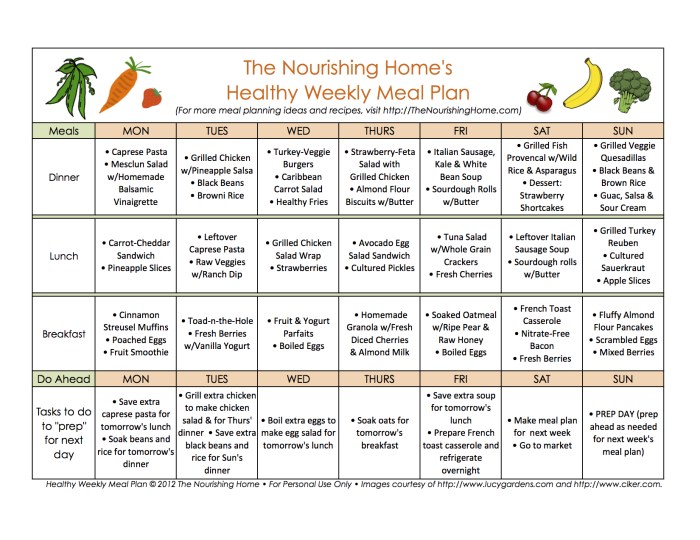
When it comes to creating nutritionist-approved diet plans, there are several key steps involved to ensure that the plan is tailored to an individual’s specific needs and goals. This process typically begins with a thorough assessment of the individual’s current eating habits, health goals, and any underlying medical conditions.
Based on this information, the nutritionist can then design a customized plan that provides the right balance of nutrients to support overall health and well-being.
Tailoring Diet Plans
- Consider individual dietary preferences and restrictions when creating the plan.
- Adjust portion sizes and meal frequency based on energy needs and weight management goals.
- Incorporate a variety of nutrient-dense foods to ensure adequate intake of essential vitamins and minerals.
- Monitor progress and make adjustments as needed to optimize results.
Effective Meal Planning and Preparation Tips
- Plan meals in advance to ensure a balanced and varied diet throughout the week.
- Include a mix of lean proteins, whole grains, fruits, vegetables, and healthy fats in each meal.
- Use cooking methods that preserve the nutritional value of foods, such as steaming, baking, or grilling.
- Prepare healthy snacks to have on hand for when hunger strikes between meals.
Health Supplements
Health supplements play a crucial role in supporting overall health by providing essential nutrients that may be lacking in our diets. They can help fill nutritional gaps, support specific health needs, and boost overall well-being.
Choosing the Right Supplements
When choosing supplements, it is important to consider your individual health needs and consult with a healthcare provider or nutritionist. Look for supplements that are high quality, third-party tested for purity, and free from unnecessary additives.
- Consider your specific health goals – whether you need support for bone health, immune function, energy levels, or other concerns.
- Read labels carefully and choose supplements with the appropriate dosage of key nutrients.
- Avoid mega-dosing or taking excessive amounts of supplements, as this can have negative health effects.
- Look for supplements that are bioavailable and in forms that are easily absorbed by the body.
Incorporating Supplements into a Balanced Diet
Supplements should complement a healthy and balanced diet, not replace whole foods. Here are some tips for incorporating supplements into your daily routine:
- Take supplements with meals to enhance absorption and reduce the risk of stomach upset.
- Follow recommended dosage guidelines and do not exceed the recommended daily intake unless advised by a healthcare professional.
- Keep track of your supplement intake and be mindful of potential interactions with medications or other supplements.
- Monitor your health and consult with a healthcare provider regularly to assess the effectiveness of your supplement regimen.
Breathing Techniques
Proper breathing techniques are essential for maintaining good health and promoting relaxation. By focusing on our breath, we can reduce stress, improve overall well-being, and enhance our mental clarity.
Different Breathing Exercises
- Diaphragmatic Breathing: This exercise involves breathing deeply into the diaphragm to promote relaxation and reduce stress.
- 4-7-8 Breathing: Inhale for a count of 4, hold for 7, and exhale for 8. This technique can help calm the nervous system and aid in falling asleep.
- Nadi Shodhana (Alternate Nostril Breathing): This breathing exercise helps balance the right and left sides of the brain, promoting mental clarity and focus.
Tips for Incorporating Breathing Techniques into Daily Routines
- Start your day with a few minutes of deep breathing to set a positive tone for the day.
- Practice breathing exercises during moments of stress or anxiety to help calm your mind and body.
- Incorporate breathing techniques into your workout routine to enhance performance and recovery.
Disease Prevention
Proper nutrition plays a crucial role in preventing chronic diseases by strengthening the immune system and supporting overall health. Adopting a healthy diet and making positive lifestyle choices can significantly reduce the risk of developing various illnesses.
Nutrition and Disease Prevention
- Eating a diet rich in fruits, vegetables, whole grains, lean proteins, and healthy fats provides essential nutrients that support immune function and reduce inflammation.
- Limiting the intake of processed foods, sugary beverages, and excess salt can help lower the risk of obesity, heart disease, diabetes, and other chronic conditions.
- Choosing organic and locally sourced foods can reduce exposure to harmful chemicals and pesticides that may contribute to the development of certain diseases.
Lifestyle Choices for Disease Prevention
- Regular exercise and physical activity can improve cardiovascular health, strengthen muscles and bones, and help maintain a healthy weight.
- Getting an adequate amount of sleep each night supports immune function and overall well-being, reducing the risk of various health issues.
- Managing stress through relaxation techniques, mindfulness practices, and hobbies can lower the risk of stress-related conditions such as high blood pressure and anxiety disorders.
Pain Management
Nutrition can play a crucial role in managing chronic pain by reducing inflammation in the body, which is often a key contributor to pain. By incorporating anti-inflammatory foods and supplements into your diet, you can help alleviate pain and improve overall well-being.
The Connection Between Inflammation and Pain
Inflammation is the body’s natural response to injury or illness, but when it becomes chronic, it can lead to persistent pain. Chronic inflammation is linked to various health conditions, including arthritis, fibromyalgia, and migraines, which can all be sources of ongoing pain.
By reducing inflammation through diet, you can potentially reduce pain levels and improve quality of life.
- Include omega-3 fatty acids: Foods rich in omega-3s, such as fatty fish (salmon, mackerel, sardines), flaxseeds, chia seeds, and walnuts, have anti-inflammatory properties that can help reduce pain.
- Turmeric and ginger: These spices contain compounds with powerful anti-inflammatory effects that can help alleviate pain. Consider adding them to your meals or consuming them in supplement form.
- Vitamin D: Adequate levels of vitamin D have been associated with reduced pain levels in conditions such as fibromyalgia and chronic back pain. Spend time outdoors or consider a vitamin D supplement to support pain management.
Holistic Treatments
Holistic treatments focus on treating the whole person, including their physical, mental, emotional, and spiritual well-being. This approach recognizes the interconnectedness of all aspects of health and aims to address the root cause of health issues rather than just the symptoms.
Integration of Nutrition, Lifestyle, and Alternative Therapies
Holistic treatments often involve a combination of nutrition, lifestyle modifications, and alternative therapies to promote overall well-being. Nutrition plays a crucial role in providing the body with essential nutrients for optimal functioning, while lifestyle changes such as exercise, stress management, and adequate sleep can support a healthy body and mind.
Alternative therapies like acupuncture, massage therapy, and herbal remedies can complement traditional medical treatments to enhance the healing process.
Examples of Holistic Approaches to Health and Wellness
- Acupuncture: This ancient Chinese practice involves inserting thin needles into specific points on the body to stimulate energy flow and promote healing.
- Mindfulness Meditation: By focusing on the present moment and cultivating awareness, mindfulness meditation can reduce stress, improve mental clarity, and enhance overall well-being.
- Herbal Remedies: Natural herbs and plant-based supplements are used to support various health conditions and promote balance within the body.
- Yoga: This mind-body practice combines physical postures, breathwork, and meditation to improve flexibility, strength, and mental focus.
- Chiropractic Care: Chiropractors use spinal adjustments and manipulations to restore proper alignment and function of the musculoskeletal system, promoting overall health and wellness.
Mental Resilience
Maintaining mental resilience is crucial for coping with life’s challenges and maintaining overall well-being. It involves the ability to bounce back from setbacks, adapt to change, and manage stress effectively. A resilient mindset can help individuals navigate difficult situations with grace and perseverance.Nutrition and self-care practices play a significant role in supporting mental well-being.
A balanced diet rich in essential nutrients like omega-3 fatty acids, antioxidants, and vitamins can help reduce inflammation in the brain and support cognitive function. Additionally, practicing self-care activities such as mindfulness, meditation, adequate sleep, and regular physical exercise can enhance mood, reduce anxiety, and improve overall mental resilience.
Tips for Building Mental Resilience
- Focus on a Balanced Diet: Include foods rich in omega-3 fatty acids (found in fatty fish, flaxseeds, and walnuts), antioxidants (found in fruits and vegetables), and vitamins (such as B vitamins) to support brain health and cognitive function.
- Practice Mindfulness and Meditation: Engage in mindfulness practices to cultivate self-awareness, reduce stress, and enhance emotional regulation. Meditation can help improve focus, clarity, and resilience in challenging situations.
- Prioritize Sleep: Aim for 7-9 hours of quality sleep each night to promote cognitive function, mood regulation, and overall mental well-being. Lack of sleep can impair decision-making and increase susceptibility to stress.
- Stay Active: Regular physical exercise releases endorphins, the body’s natural mood boosters, and can help reduce symptoms of anxiety and depression. Exercise also promotes better sleep quality and overall mental resilience.
- Cultivate Social Connections: Build a strong support network of friends, family, or community members to provide emotional support, encouragement, and a sense of belonging. Social connections can enhance resilience and coping mechanisms in times of stress.
Last Point
In conclusion, Nutritionist-approved diet plans offer a holistic approach to health and wellness, encompassing various aspects from skin health to mental resilience. Embark on this journey towards a healthier you by embracing the power of nutritious foods and expert guidance.
Take charge of your well-being today and experience the transformative benefits of a well-balanced diet.
FAQs
What role do wellness programs play in promoting overall health?
Wellness programs help individuals cultivate healthy habits, manage stress, and improve overall well-being through a combination of nutrition, exercise, and lifestyle changes.
How can herbal remedies be incorporated into nutritionist-approved diet plans?
Herbal remedies can be used to address specific health concerns or support overall wellness, but it’s crucial to consult with a healthcare professional before integrating them into your diet.
What nutrients are essential for maintaining healthy skin?
Key nutrients like vitamins A, C, E, and zinc play a vital role in maintaining healthy skin by promoting collagen production, protecting against UV damage, and supporting overall skin health.