How to support eye health with omega-3 fatty acids takes center stage, beckoning readers into a world of knowledge and insight. Dive into the essentials of maintaining optimal eye health through the power of omega-3 fatty acids.
Explore the different aspects of omega-3’s role in eye health, from dietary sources to supplements and lifestyle changes that can make a significant impact.
Overview of Omega-3 Fatty Acids for Eye Health
Omega-3 fatty acids play a crucial role in supporting overall eye health. These essential fats are known for their anti-inflammatory properties, which can help reduce inflammation in the eyes and promote proper functioning.
Types of Omega-3 Fatty Acids Beneficial for the Eyes
- EPA (Eicosapentaenoic Acid): EPA is a type of omega-3 fatty acid that is particularly beneficial for eye health. It helps maintain healthy blood vessels in the eyes, supporting optimal circulation and reducing the risk of eye conditions.
- DHA (Docosahexaenoic Acid): DHA is another important omega-3 fatty acid that is essential for the development and maintenance of the retina. It plays a key role in visual signaling and protecting the cells in the eyes from damage.
How Omega-3 Fatty Acids Can Help Prevent Age-Related Eye Conditions
Omega-3 fatty acids have been shown to be effective in preventing age-related eye conditions such as macular degeneration and dry eye syndrome. The anti-inflammatory properties of omega-3s can help protect the eyes from oxidative stress and inflammation, which are common contributors to these conditions.
Dietary Sources of Omega-3 Fatty Acids
Omega-3 fatty acids are essential for eye health and can be obtained through various dietary sources. Incorporating these foods into your diet can help support your vision and overall eye health.
Foods Rich in Omega-3 Fatty Acids
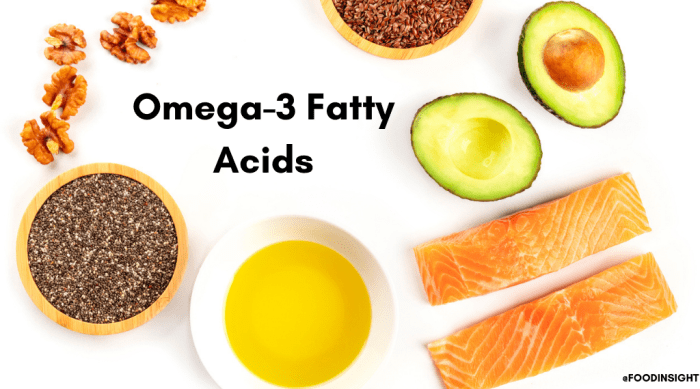
- Fatty fish such as salmon, mackerel, sardines, and trout
- Walnuts
- Flaxseeds and chia seeds
- Canola oil
- Soybeans
Effectiveness of Plant-Based vs. Fish-Derived Omega-3 Sources
While both plant-based and fish-derived omega-3 sources provide essential fatty acids, fish-derived sources contain EPA and DHA in a more bioavailable form, making them more effective for eye health.
Recommended Daily Intake of Omega-3 Fatty Acids for Eye Health
- The American Heart Association recommends consuming at least two servings of fatty fish per week to meet omega-3 fatty acid needs.
- For individuals who do not consume fish regularly, supplementing with fish oil capsules can help meet the recommended intake.
Supplements for Eye Health
Omega-3 fatty acid supplements are often recommended for maintaining eye health, especially for conditions like dry eyes and age-related macular degeneration. These supplements are rich in EPA (eicosapentaenoic acid) and DHA (docosahexaenoic acid), which are essential for the proper functioning of the eyes.
Dosage and Frequency
When it comes to omega-3 supplements for eye health, the recommended dosage typically ranges from 250 mg to 500 mg of combined EPA and DHA per day. However, for specific eye conditions, higher doses may be prescribed by a healthcare professional.
It is essential to follow the dosage instructions provided on the supplement packaging or as advised by your doctor.
- For general eye health maintenance: 250-500 mg of EPA and DHA per day
- For dry eyes: 1,000-2,000 mg of EPA and DHA per day
- For age-related macular degeneration: 1,000-2,000 mg of EPA and DHA per day
Potential Risks or Side Effects
While omega-3 supplements are generally safe for most people, there are a few potential risks and side effects to be aware of. Some individuals may experience mild gastrointestinal issues such as bloating, diarrhea, or indigestion. Taking high doses of omega-3 supplements may also increase the risk of bleeding, so it is essential to consult with a healthcare provider before starting any new supplement regimen, especially if you are on blood-thinning medications.
It is crucial to choose high-quality omega-3 supplements from reputable brands to ensure purity and potency.
Lifestyle Changes to Support Eye Health
When it comes to supporting eye health, incorporating omega-3 rich foods into your daily meals can be a great way to start. However, there are other lifestyle changes that can further optimize your eye health and overall well-being.
Incorporating Omega-3 Rich Foods
Omega-3 fatty acids can be found in various foods such as fatty fish (salmon, mackerel, sardines), flaxseeds, chia seeds, and walnuts. Including these foods in your diet regularly can provide the necessary nutrients to support your eye health.
Regular Eye Exams, How to support eye health with omega-3 fatty acids
Alongside incorporating omega-3 rich foods, it is essential to schedule regular eye exams with an eye care professional. These exams can help detect any potential issues early on and ensure that you are taking the necessary steps to maintain optimal eye health.
Other Lifestyle Modifications
- Protect your eyes from harmful UV rays by wearing sunglasses when outdoors.
- Avoid smoking, as it can increase the risk of developing eye diseases.
- Practice good eye hygiene, such as washing your hands before touching your eyes and taking breaks from screen time to reduce eye strain.
- Stay hydrated by drinking plenty of water, as dehydration can affect eye health.
Research and Studies on Omega-3 Fatty Acids and Eye Health
Omega-3 fatty acids have been extensively studied for their role in maintaining eye health. Recent findings suggest that incorporating omega-3s into your diet can help prevent eye diseases and promote overall eye health.
Effectiveness of Omega-3 Fatty Acids
- Research has shown that omega-3 fatty acids, particularly EPA and DHA, play a crucial role in reducing inflammation and oxidative stress in the eyes, which can help prevent age-related macular degeneration (AMD) and dry eye syndrome.
- Clinical trials have demonstrated that omega-3 supplementation can improve tear quality and reduce symptoms of dry eye, such as itching, burning, and redness.
Scientific Evidence Supporting Omega-3 for Eye Health
- A study published in the journal Ophthalmology found that individuals who consumed higher levels of omega-3 fatty acids had a lower risk of developing AMD.
- Another study in the American Journal of Clinical Nutrition reported that omega-3 supplementation was associated with a reduced risk of developing diabetic retinopathy, a common complication of diabetes that affects the eyes.
Benefits of Omega-3 in Preventing Eye Diseases
- Various studies have highlighted the benefits of omega-3 fatty acids in preventing eye diseases such as cataracts, glaucoma, and retinal degeneration.
- Omega-3s are known to support the structure and function of cell membranes in the eyes, improving vision and protecting against damage from UV light and free radicals.
Final Wrap-Up: How To Support Eye Health With Omega-3 Fatty Acids
Discover the key takeaways from this comprehensive guide on supporting eye health with omega-3 fatty acids. Empower yourself with the knowledge needed to prioritize your eye health and overall well-being.
Detailed FAQs
What are the best dietary sources of omega-3 fatty acids for eye health?
The best dietary sources include fatty fish like salmon, walnuts, chia seeds, and flaxseeds.
Can omega-3 supplements replace natural food sources for eye health?
Supplements can complement a diet lacking in omega-3 rich foods, but it’s ideal to get nutrients from natural sources whenever possible.
Are there any side effects of taking omega-3 supplements for eye health?
Potential side effects may include gastrointestinal issues or a fishy aftertaste, but these are usually mild and temporary.