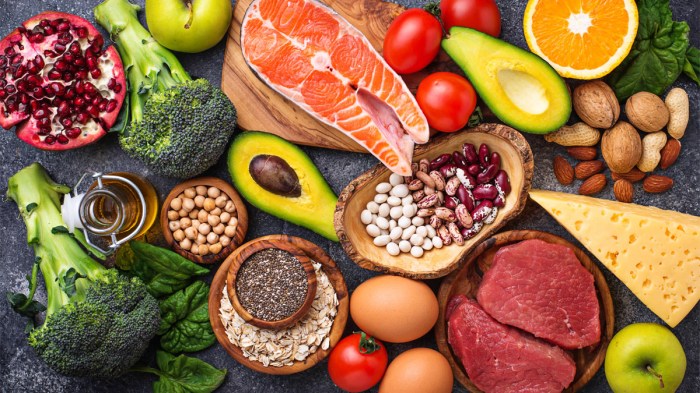
With Importance of proper nutrition for muscle growth at the forefront, this paragraph opens a window to an amazing start and intrigue, inviting readers to embark on a storytelling casual formal language style filled with unexpected twists and insights.
Proper nutrition is essential for muscle growth and development. Understanding how macronutrients and micronutrients play a crucial role in supporting muscle repair and growth, along with the impact of hydration, is key to achieving your fitness goals. Let’s delve into the significance of nutrition in maximizing muscle potential.
Importance of Proper Nutrition for Muscle Growth
Proper nutrition plays a crucial role in supporting muscle growth and development. By understanding the significance of macronutrients, micronutrients, and hydration, individuals can optimize their diet to enhance their muscle function and growth.
Role of Macronutrients in Muscle Development
Macronutrients, including protein, carbohydrates, and fats, are essential for muscle growth.
- Protein: Protein is the building block of muscles, providing amino acids necessary for muscle repair and growth. Adequate protein intake is crucial for maximizing muscle development.
- Carbohydrates: Carbohydrates are the primary energy source for muscle contractions during exercise. Consuming enough carbs ensures optimal performance and supports muscle growth.
- Fats: Healthy fats play a role in hormone production, which is important for muscle growth and recovery. Including sources of healthy fats in the diet is beneficial for overall muscle development.
Significance of Micronutrients for Muscle Repair and Growth
Micronutrients such as vitamins and minerals are vital for various physiological processes that support muscle repair and growth.
- Vitamins: Vitamins like vitamin D, C, and E have antioxidant properties and aid in reducing muscle damage caused by exercise. They also play a role in immune function, which is essential for overall health and muscle recovery.
- Minerals: Minerals like calcium, magnesium, and zinc are involved in muscle contractions and protein synthesis. Ensuring an adequate intake of minerals supports muscle function and growth.
Impact of Hydration on Muscle Function and Growth
Staying hydrated is crucial for optimal muscle function and growth.
- Hydration: Water is essential for nutrient transport, temperature regulation, and waste removal in the body. Dehydration can negatively impact muscle performance and recovery. Maintaining proper hydration levels is key for supporting muscle growth and overall health.
Wellness Programs
Wellness programs encompass a variety of initiatives aimed at promoting overall health and well-being. These programs often focus on incorporating healthy habits, such as proper nutrition and regular exercise, into daily routines to improve physical and mental health.
Types of Wellness Programs
- Employee Wellness Programs: These are offered by employers to support the health and well-being of their employees through initiatives like gym memberships, healthy food options, and stress management resources.
- Community Wellness Programs: These are designed to engage the local community in activities that promote healthy living, such as group exercise classes, nutrition workshops, and health screenings.
- Online Wellness Programs: These programs provide virtual resources, such as workout videos, meal planning tools, and wellness challenges, to help individuals improve their health from the comfort of their own homes.
Benefits of Wellness Programs
- Improved Physical Health: Wellness programs encourage the adoption of healthy habits, leading to better fitness levels, weight management, and reduced risk of chronic diseases.
- Enhanced Mental Well-being: By promoting stress management techniques and mindfulness practices, wellness programs can help individuals cope with daily challenges and improve mental health.
- Increased Productivity: Healthy employees are more productive, focused, and engaged, resulting in a positive impact on work performance and overall job satisfaction.
Supporting Muscle Growth through Wellness Programs
Wellness programs play a crucial role in supporting muscle growth by providing the necessary tools and resources for individuals to optimize their nutrition and exercise routines. By promoting healthy eating habits rich in protein, vitamins, and minerals, and offering fitness classes and workout plans, these programs can help individuals achieve their muscle-building goals effectively and sustainably.
Herbal Remedies
Proper nutrition is essential for muscle growth and recovery, and herbal remedies have been used for centuries to promote overall health and well-being. When it comes to improving muscle strength and recovery, certain herbs are known for their beneficial properties.
Traditional Herbal Remedies for Muscle Health
- Ashwagandha: Known for its adaptogenic properties, ashwagandha can help reduce inflammation and improve muscle strength.
- Turmeric: With its active compound curcumin, turmeric has anti-inflammatory effects that can aid in muscle recovery.
- Ginseng: This herb is believed to enhance physical performance and reduce muscle damage during exercise.
It is important to consult a healthcare professional before incorporating herbal remedies into your routine, especially if you have any underlying health conditions or are taking medications.
Skin Health
Proper nutrition not only plays a crucial role in muscle growth but also significantly impacts skin health. The connection between nutrition, skin health, and muscle growth is intertwined as the body requires essential nutrients to function optimally in all aspects, including maintaining healthy skin while supporting muscle development.
Impact of Antioxidants and Vitamins
Antioxidants, such as vitamin C and E, play a vital role in promoting skin health and aiding in muscle recovery. These nutrients help combat oxidative stress, reduce inflammation, and protect cells from damage caused by free radicals. Including foods rich in antioxidants in your diet can contribute to healthier skin and faster muscle repair.
- Antioxidant-rich foods like berries, citrus fruits, nuts, and seeds can help improve skin elasticity and overall complexion while supporting muscle recovery.
- Vitamins like A, C, and E are essential for collagen production, which is crucial for skin elasticity and wound healing, benefiting both skin health and muscle repair.
- Omega-3 fatty acids found in fish, flaxseeds, and walnuts can help reduce inflammation, promoting skin health and aiding in muscle recovery post-workout.
Skincare Routines
Incorporating a proper skincare routine alongside a muscle-building diet can further enhance skin health and overall well-being. By following a consistent skincare regimen, you can complement your efforts in maintaining healthy skin while supporting muscle growth.
- Hydrate: Drinking an adequate amount of water daily helps keep the skin hydrated, promoting elasticity and supporting muscle recovery.
- Cleanse: Using a gentle cleanser suitable for your skin type helps remove dirt, oil, and impurities, preventing breakouts and maintaining skin health.
- Moisturize: Applying a moisturizer helps keep the skin hydrated and nourished, supporting skin elasticity and aiding in muscle recovery.
- Sun Protection: Using sunscreen daily protects the skin from harmful UV rays, preventing premature aging and maintaining skin health while supporting muscle growth.
Bone Density
Proper nutrition plays a crucial role in maintaining optimal bone density, which is essential for supporting muscle growth and overall health.
Role of Calcium and Vitamin D
Calcium and vitamin D are key nutrients for bone health and muscle function. Calcium is the building block of bones, while vitamin D helps in the absorption of calcium. A deficiency in these nutrients can lead to weakened bones and increased risk of fractures.
It is important to include calcium-rich foods such as dairy products, leafy greens, and fortified foods in your diet. Additionally, getting enough sunlight exposure is essential for vitamin D synthesis.
Other Nutrients for Bone Health
In addition to calcium and vitamin D, other nutrients like magnesium, phosphorus, and vitamin K also play a role in maintaining bone density. Magnesium helps in calcium absorption, phosphorus is important for bone structure, and vitamin K is essential for bone mineralization.
Including a variety of fruits, vegetables, whole grains, and nuts in your diet can help ensure you get an adequate intake of these nutrients.
Tips for Improving Bone Density
- Engage in weight-bearing exercises like walking, running, or weightlifting to stimulate bone growth.
- Avoid smoking and excessive alcohol consumption, as they can negatively impact bone health.
- Include foods rich in vitamin C, such as citrus fruits and bell peppers, as vitamin C is important for collagen production in bones.
- Consider adding bone-healthy supplements like calcium and vitamin D if you have trouble meeting your needs through diet alone.
Muscle Mass
Proper nutrition plays a crucial role in muscle mass gain, working hand in hand with exercise to achieve optimal results. One key aspect of nutrition for muscle growth is protein intake, which is essential for muscle protein synthesis and overall muscle development.
Importance of Protein Intake
Protein is the building block of muscles, necessary for repairing and building muscle tissue after exercise. Consuming an adequate amount of protein is vital for supporting muscle growth and recovery. Protein intake stimulates muscle protein synthesis, which is the process of building new muscle tissue.
- Lean meats such as chicken, turkey, and lean beef are excellent sources of high-quality protein.
- Fish, such as salmon and tuna, are rich in protein and also provide essential omega-3 fatty acids that support muscle health.
- Dairy products like Greek yogurt, cottage cheese, and milk are great sources of protein and contain calcium, which is important for muscle function.
Muscle-Building Foods and Supplements
In addition to whole foods, there are various supplements that can support muscle growth and recovery. Whey protein powder is a popular choice among athletes and fitness enthusiasts due to its quick absorption and high protein content. Creatine is another supplement that can enhance muscle performance and promote muscle growth.
- Eggs are a complete protein source, containing all essential amino acids necessary for muscle growth.
- Quinoa is a plant-based protein source that also provides fiber and other nutrients important for overall health.
- Almonds and other nuts are rich in protein, healthy fats, and antioxidants that can support muscle recovery.
Dental Care
Proper dental care is essential not only for maintaining oral health but also for supporting overall nutrition absorption, which is crucial for muscle growth. The link between dental hygiene, inflammation, and muscle recovery highlights the importance of good oral health practices in optimizing muscle health.
Impact of Oral Health on Nutrition Absorption
Maintaining good oral health is crucial for proper digestion and absorption of nutrients that are essential for muscle growth. Poor oral health, such as gum disease or infections, can lead to difficulty in chewing and swallowing food, which can affect the body’s ability to absorb essential nutrients like proteins, vitamins, and minerals necessary for muscle repair and growth.
Link between Dental Hygiene, Inflammation, and Muscle Recovery
Inflammation in the mouth caused by poor dental hygiene can have systemic effects on the body, including increased levels of inflammation that can impact muscle recovery. Chronic inflammation from gum disease, for example, can interfere with the body’s ability to repair and build muscle tissue after exercise, hindering muscle growth and recovery.
Tips for Maintaining Good Oral Health for Muscle Health
- Brush your teeth at least twice a day and floss daily to prevent gum disease and maintain overall oral health.
- Visit your dentist regularly for check-ups and cleanings to address any oral health issues promptly.
- Avoid sugary and acidic foods and drinks that can contribute to tooth decay and gum disease.
- Stay hydrated and chew sugar-free gum to stimulate saliva production, which helps cleanse the mouth and neutralize acids that can harm teeth and gums.
- Incorporate foods rich in vitamins and minerals like calcium, vitamin C, and vitamin D, which are essential for strong teeth and gums.
Eye Health
Proper eye health is essential for overall well-being, especially when it comes to achieving fitness goals. Nutrients like vitamin A and omega-3 fatty acids play a crucial role in supporting eye health and muscle function.
Nutrients for Eye Health and Muscle Function
- Vitamin A: This nutrient is essential for maintaining good vision and supporting the health of the retina, which is crucial for proper muscle function.
- Omega-3 Fatty Acids: These healthy fats help reduce inflammation in the eyes and support overall eye health, indirectly benefiting muscle growth.
Importance of Regular Eye Check-ups
Regular eye check-ups are important not only for maintaining good vision but also for monitoring overall health and fitness goals. Issues with vision can impact your ability to perform exercises correctly and reach your muscle growth targets.
Eye Exercises and Habits for Improved Vision
- Palming: Rub your palms together to create heat and then place them gently over your closed eyes. This helps relax the eye muscles and improve blood circulation.
- Eye Yoga: Practice exercises that involve moving your eyes in different directions to strengthen eye muscles and improve focus.
- Blinking: Remember to blink regularly to keep your eyes lubricated and prevent strain, especially when focusing on screens for extended periods.
Mental Clarity
Proper nutrition plays a crucial role not only in muscle growth but also in mental clarity. The connection between nutrition, mental clarity, and muscle growth is intertwined, as the brain requires essential nutrients to function optimally, especially during intense workouts.Focus and cognitive function are key components that impact workout performance and muscle development.
When your mind is clear and focused, you are better able to push yourself during training sessions, leading to improved muscle gains. Additionally, mental clarity helps you stay motivated and consistent with your fitness goals.
Foods and Supplements for Mental Clarity
- Eat foods rich in omega-3 fatty acids, such as salmon, walnuts, and flaxseeds, to support brain health and cognitive function.
- Include leafy greens like spinach and kale in your diet, as they are packed with antioxidants and nutrients that promote mental clarity.
- Consider adding adaptogenic herbs like ashwagandha and rhodiola to your routine to reduce stress levels and enhance focus during workouts.
- Incorporate protein-rich foods like lean meats, eggs, and legumes to provide the amino acids necessary for neurotransmitter production, which can improve mental clarity.
- Supplement with vitamins like B-complex vitamins, vitamin D, and magnesium to support overall brain health and cognitive function.
Joint Flexibility
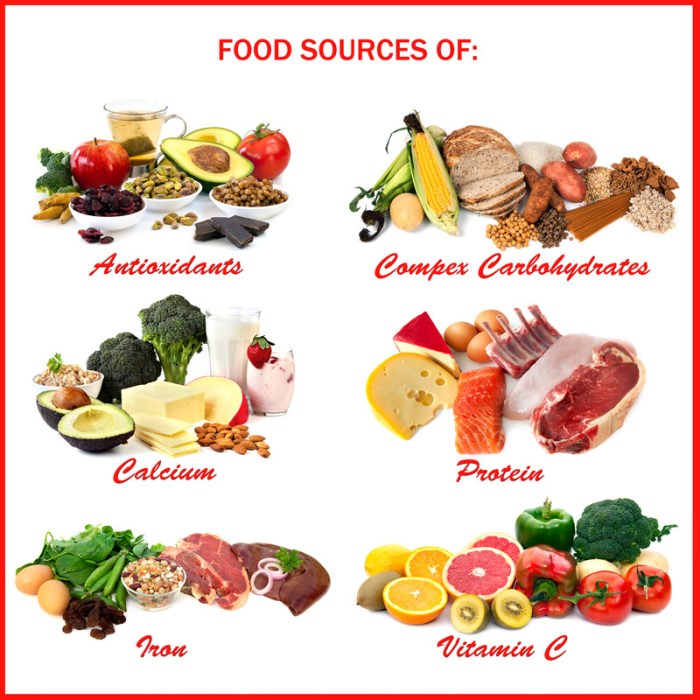
Proper nutrition is essential not only for muscle growth but also for maintaining joint health. Joint flexibility plays a crucial role in optimal muscle movement and overall physical performance.Certain nutrients can help reduce inflammation and support joint flexibility. Omega-3 fatty acids found in foods like salmon, flaxseeds, and walnuts have anti-inflammatory properties that can benefit joint health.
Collagen, which is abundant in bone broth and gelatin, supports the structure and elasticity of joints.
Nutrients for Joint Health
- Omega-3 fatty acids: Found in salmon, flaxseeds, and walnuts, these fats can reduce inflammation in the joints.
- Collagen: Abundant in bone broth and gelatin, collagen supports joint structure and elasticity.
- Vitamin C: Found in citrus fruits, bell peppers, and strawberries, vitamin C aids in collagen production for joint health.
Exercises for Joint Flexibility
- Yoga: Practicing yoga can improve joint flexibility and range of motion.
- Dynamic stretching: Incorporating dynamic stretches into your routine can help keep joints mobile and flexible.
- Resistance training: Strength training exercises can support joint stability and function.
Digestive Health
Proper digestion is crucial for overall health and plays a significant role in nutrient absorption and muscle growth. A healthy digestive system ensures that the body can effectively break down and absorb the essential nutrients needed to support muscle recovery and growth.
Impact of Probiotics, Fiber, and Hydration
- Probiotics: These beneficial bacteria help maintain a healthy balance in the gut, aiding in digestion and nutrient absorption. Including probiotic-rich foods like yogurt, kefir, and sauerkraut in your diet can support a healthy gut microbiome.
- Fiber: Fiber is essential for promoting regular bowel movements and supporting a healthy digestive system. It also helps in maintaining a feeling of fullness, which can aid in weight management and muscle growth. Include fruits, vegetables, whole grains, and legumes in your diet to increase fiber intake.
- Hydration: Staying hydrated is essential for proper digestion and nutrient absorption. Water helps in the breakdown of food and the transport of nutrients throughout the body. Aim to drink an adequate amount of water throughout the day to support optimal digestion.
Tips for Promoting Digestive Health
- Eat a balanced diet rich in fruits, vegetables, whole grains, lean proteins, and healthy fats to support overall digestive health.
- Avoid processed and high-fat foods, as they can slow down digestion and lead to digestive issues.
- Practice mindful eating by chewing your food thoroughly and eating at a slower pace to aid digestion.
- Incorporate regular physical activity into your routine, as exercise can help promote healthy digestion.
- Manage stress levels through relaxation techniques like deep breathing, meditation, or yoga, as stress can negatively impact digestion.
Detox Process
Detoxifying the body plays a crucial role in supporting overall health and muscle growth. By eliminating toxins that may hinder muscle development, detox diets or practices can help optimize the body’s functions and enhance the effectiveness of nutrition for muscle growth.
Benefits of Detox Diets
- Elimination of harmful toxins: Detox diets help rid the body of toxins that can accumulate from poor dietary choices, environmental factors, or lifestyle habits.
- Improved nutrient absorption: By cleansing the digestive system, detox diets can enhance the absorption of essential nutrients needed for muscle growth.
- Enhanced energy levels: Removing toxins can boost energy levels, allowing for better performance during workouts and muscle-building activities.
- Optimized metabolism: Detoxifying the body can help regulate metabolism, leading to more efficient nutrient utilization for muscle repair and growth.
Safe Detox Practices
- Stay hydrated: Drinking plenty of water is essential for flushing out toxins and supporting the body’s detoxification processes.
- Incorporate antioxidant-rich foods: Foods high in antioxidants, such as fruits, vegetables, and green tea, can help protect cells from damage caused by toxins.
- Avoid processed foods: Minimizing intake of processed foods, sugar, and artificial additives can reduce the toxin burden on the body.
- Consult a healthcare professional: Before starting any detox program, it’s important to consult a healthcare provider to ensure it aligns with your nutritional needs and health goals.
Blood Pressure
Proper nutrition plays a crucial role in managing blood pressure levels, which is essential for optimal muscle function and overall well-being. By following a balanced diet, individuals can support their fitness goals and promote muscle growth while keeping their blood pressure in check.
The Relationship Between Nutrition, Blood Pressure, and Muscle Function
- Eating a diet rich in fruits, vegetables, whole grains, and lean proteins can help lower blood pressure levels and improve circulation, which is vital for muscle health.
- Consuming foods high in potassium, such as bananas, sweet potatoes, and spinach, can help regulate blood pressure and support muscle function.
- Avoiding processed foods, excess salt, and saturated fats can prevent high blood pressure and promote cardiovascular health, essential for muscle growth.
Tips for Maintaining Healthy Blood Pressure for Muscle Growth
- Monitor your blood pressure regularly and consult with a healthcare professional to ensure it stays within healthy ranges.
- Stay hydrated by drinking an adequate amount of water each day to support proper blood flow and muscle function.
- Incorporate regular exercise, such as cardio and strength training, into your routine to help manage blood pressure and promote muscle growth.
Heart Rate
Proper nutrition is essential not only for muscle growth but also for maintaining a healthy heart rate, which is crucial for effective workouts and overall cardiovascular health.
Nutrition and Heart Rate
A balanced diet rich in fruits, vegetables, whole grains, lean proteins, and healthy fats can help regulate heart rate by providing essential nutrients like potassium, magnesium, and antioxidants. These nutrients support heart function and help maintain a steady heart rate during exercise.
Cardiovascular Health and Muscle Endurance
The health of your cardiovascular system directly affects muscle endurance and strength. A strong heart can pump oxygen-rich blood efficiently to your muscles during workouts, improving endurance and performance. By incorporating cardiovascular exercises like running, cycling, or swimming into your routine, you can strengthen your heart and enhance muscle endurance.
Supporting a Healthy Heart Rate
Engage in aerobic exercises
Regular aerobic activities like brisk walking, jogging, or dancing can help improve cardiovascular health and maintain a healthy heart rate.
Limit sodium intake
High sodium consumption can lead to high blood pressure, affecting heart rate and overall heart health. Opt for low-sodium options and avoid processed foods.
Stay hydrated
Proper hydration is essential for maintaining blood volume and supporting heart function. Drink an adequate amount of water throughout the day to keep your heart rate steady.
Include heart-healthy foods
Foods like salmon, nuts, seeds, and leafy greens are rich in omega-3 fatty acids, fiber, and antioxidants that promote heart health and contribute to a healthy heart rate.
Health Screenings: Importance Of Proper Nutrition For Muscle Growth
Regular health screenings are crucial for monitoring overall well-being and muscle health. These screenings help identify potential issues affecting muscle growth and allow for early detection of any health concerns that may hinder fitness goals.
Specific Screenings for Muscle Health
- Blood Tests: Regular blood tests can measure levels of important nutrients like protein, iron, and vitamin D, which are essential for muscle growth.
- Bone Density Scan: This screening can detect osteoporosis or bone loss, which can impact muscle strength and overall health.
- Body Composition Analysis: By analyzing body fat percentage and muscle mass, this screening can provide insights into muscle growth progress.
Benefits of Early Detection
- Preventive Measures: Early detection through health screenings allows for timely intervention to address any issues affecting muscle health.
- Optimal Muscle Growth: By identifying and managing health concerns early on, individuals can maintain optimal conditions for muscle growth and overall fitness.
- Improved Fitness Goals: Health screenings help individuals stay on track with their fitness goals by addressing any health issues that may impede progress.
Vaccination Programs
Vaccination programs play a crucial role in supporting overall health and immunity, which is essential for muscle recovery and growth. By getting vaccinated, individuals can protect themselves from various diseases that could hinder their fitness goals.
Importance of Staying Up to Date
Staying up to date with vaccination programs is especially important for fitness enthusiasts as it helps prevent the spread of contagious diseases that could negatively impact their training routine. By maintaining immunity through vaccinations, individuals can ensure that they are in optimal health to support muscle growth and recovery.
- Vaccines such as the flu shot can help prevent illnesses that could lead to muscle weakness and fatigue, allowing individuals to maintain their workout schedule.
- Tetanus vaccines are crucial for preventing infections that could result from cuts or injuries during exercise, ensuring that muscle recovery is not compromised.
- Other vaccinations like the measles, mumps, and rubella (MMR) vaccine can protect against serious illnesses that may require downtime from training, affecting muscle health and performance.
Healthy Habits
Proper nutrition is essential for muscle growth, but it is equally important to adopt healthy habits that can complement your fitness journey. Here, we will explore key habits like sleep, hydration, and stress management, and how they contribute to achieving your fitness goals.
Sleep
Getting an adequate amount of quality sleep is crucial for muscle recovery and growth. During sleep, your body repairs and rebuilds muscle tissues that have been broken down during exercise. Aim for 7-9 hours of uninterrupted sleep each night to support optimal muscle development.
Hydration
Staying hydrated is essential for overall health and muscle function. Water plays a key role in nutrient transport, waste removal, and maintaining electrolyte balance. Drink at least 8-10 glasses of water a day, and more if you are engaging in intense workouts to support muscle growth.
Stress Management
Chronic stress can negatively impact muscle growth by increasing cortisol levels, which can lead to muscle breakdown. Practice stress-reducing activities such as meditation, yoga, deep breathing exercises, or spending time in nature to help manage stress levels and support muscle recovery.
Tips for Adopting Sustainable Healthy Habits
- Start small and gradually incorporate healthy habits into your routine to make them more sustainable.
- Set specific, achievable goals related to sleep, hydration, and stress management to track your progress.
- Prioritize self-care and listen to your body’s signals to avoid burnout and support long-term muscle development.
Balanced Hormones
Proper nutrition plays a crucial role in maintaining balanced hormone levels, which in turn impacts muscle growth and development. Hormones like testosterone, insulin, and growth hormone are especially important in this process, as they regulate various functions in the body that are essential for building muscle mass.
Role of Testosterone
Testosterone is a key hormone for muscle growth, as it promotes protein synthesis and the development of lean muscle mass. To support healthy testosterone levels, it is important to include foods rich in zinc, vitamin D, and healthy fats in your diet.
Role of Insulin
Insulin is another hormone that influences muscle growth by facilitating the uptake of glucose and amino acids into muscle cells. To keep insulin levels stable, focus on consuming complex carbohydrates, lean proteins, and fiber-rich foods.
Role of Growth Hormone
Growth hormone stimulates cell growth and regeneration, making it crucial for muscle repair and recovery. To naturally boost growth hormone levels, prioritize getting enough quality sleep, reducing stress, and consuming adequate protein and amino acids.
Health Coaching
Health coaching plays a crucial role in optimizing nutrition for muscle growth by providing personalized guidance and support to individuals aiming to achieve their fitness goals.
Benefits of Health Coaching
- Health coaches offer tailored nutrition plans specifically designed to support muscle-building diets and routines.
- They provide motivation and accountability to help individuals stay on track with their nutrition and fitness goals.
- Health coaches can educate clients on the importance of proper nutrition for muscle growth and overall health.
Supporting Fitness Goals
- Health coaches work with individuals to set realistic and achievable fitness goals based on their unique needs and circumstances.
- They offer guidance on workout routines, meal planning, and lifestyle changes to support muscle growth and overall well-being.
- Health coaches provide ongoing support and encouragement to help clients stay committed to their fitness journey.
Examples of Health Coaching Strategies
- Implementing a balanced diet rich in lean proteins, complex carbohydrates, and healthy fats to support muscle growth.
- Creating personalized workout plans that focus on strength training and resistance exercises to build muscle mass.
- Teaching clients how to track their progress and make adjustments to their nutrition and fitness routines as needed.
Fitness Goals
Setting realistic fitness goals is crucial for achieving muscle growth effectively. These goals help keep us motivated, focused, and accountable throughout our fitness journey. When it comes to muscle development, having specific targets can guide our training and nutrition plans towards success.
Importance of Setting Realistic Fitness Goals
- Setting realistic goals ensures that we are not setting ourselves up for failure or disappointment.
- Goals provide a clear direction and purpose, helping us stay on track with our muscle growth efforts.
- Having measurable goals allows us to track progress and make necessary adjustments to our fitness routines.
Nutrition’s Role in Achieving Fitness Objectives
- Nutrition plays a vital role in fueling our bodies for workouts, supporting muscle recovery, and promoting overall health.
- A well-balanced diet rich in lean proteins, complex carbohydrates, healthy fats, and essential nutrients is essential for muscle growth.
- Proper hydration is also key for optimal muscle function and performance during workouts.
Tips for Designing a Nutrition Plan for Muscle Development
- Calculate your daily caloric needs based on your fitness goals and activity level.
- Include an adequate amount of protein in each meal to support muscle repair and growth.
- Incorporate a variety of fruits, vegetables, whole grains, and healthy fats to ensure a well-rounded diet.
- Consider consulting with a nutritionist or dietitian to tailor a nutrition plan specifically for your muscle development goals.
Diet Planning
Proper diet planning is essential for maximizing muscle growth and overall fitness progress. It involves calculating the right macronutrient ratios and calorie intake to support your specific fitness goals. By following a well-designed meal plan, you can ensure that your body receives the necessary nutrients to build and repair muscle tissue effectively.
Calculating Macronutrient Ratios and Calorie Intake
To determine the ideal macronutrient ratios for muscle growth, you need to consider your individual needs and fitness goals. A common approach is to follow the macronutrient distribution range recommended by fitness experts:
Protein: 25-35% of total calorie intakeCarbohydrates: 45-65% of total calorie intakeFat: 20-35% of total calorie intake
Once you have established your macronutrient ratios, you can calculate your daily calorie intake based on factors such as your weight, activity level, and fitness objectives. Online calculators and fitness apps can be useful tools for determining the optimal calorie target to support muscle growth.
Example Meal Plans and Dietary Guidelines
Here are some general dietary guidelines that can help you create a meal plan to support muscle development:
- Include lean protein sources such as chicken, turkey, fish, tofu, and legumes in each meal to promote muscle repair and growth.
- Incorporate complex carbohydrates like brown rice, quinoa, sweet potatoes, and whole grains to provide energy for workouts and support recovery.
- Include healthy fats from sources like avocados, nuts, seeds, and olive oil to support hormone production and overall health.
- Stay hydrated by drinking an adequate amount of water throughout the day to support digestion, nutrient absorption, and muscle function.
- Consider working with a nutritionist or dietitian to tailor your meal plan to your specific needs and preferences.
Health Supplements
Proper nutrition is essential for muscle growth, and health supplements can play a vital role in enhancing the necessary nutrients for optimal muscle development. While supplements can offer benefits, it is important to understand their role, benefits, and potential risks when it comes to muscle health.
Role of Health Supplements in Muscle Growth
Health supplements can provide additional nutrients that may be lacking in a person’s diet, especially for those looking to build muscle mass. They can help improve muscle recovery, enhance performance during workouts, and support overall muscle health.
Benefits and Risks of Popular Supplements, Importance of proper nutrition for muscle growth
Popular supplements like protein powders, creatine, and branched-chain amino acids (BCAAs) are commonly used to support muscle growth. Protein powders can help meet daily protein requirements, creatine can boost strength and muscle mass, and BCAAs can aid in muscle recovery.
However, it is important to be cautious of potential risks such as digestive issues, allergic reactions, or interactions with medications.
Guidelines for Choosing Safe Supplements
When selecting health supplements for muscle growth, it is crucial to choose products from reputable brands that undergo third-party testing for quality and purity. It is advisable to consult with a healthcare provider or a nutritionist to determine the right supplements for individual needs and goals.
Additionally, it is essential to follow recommended dosages and not exceed the daily limits to avoid any adverse effects on health.
Breathing Techniques
Proper breathing techniques play a crucial role in enhancing muscle growth and overall workout performance. By focusing on the way you breathe during exercises, you can optimize oxygen flow to your muscles, leading to better results and faster recovery.
Importance of Proper Breathing
During workouts, the way you breathe can impact your exercise performance significantly. Proper breathing ensures that your muscles receive an adequate amount of oxygen, which is essential for energy production and muscle function. It also helps in maintaining proper form and reducing the risk of injury.
- Focus on Deep Breathing: Engage in deep breathing exercises to fully oxygenate your body and muscles. This can help improve endurance and stamina during workouts.
- Controlled Breathing Patterns: Practice controlling your breath by inhaling and exhaling slowly and steadily. This can help regulate your heart rate and keep you calm during intense workouts.
- Breath Awareness: Pay attention to your breathing patterns and make adjustments as needed. Being mindful of how you breathe can lead to better oxygen flow and improved muscle recovery.
Disease Prevention
Proper nutrition and lifestyle choices play a crucial role in disease prevention, not only for overall health but also for optimal muscle function. By incorporating the right nutrients and habits into your daily routine, you can significantly reduce the risk of various diseases while supporting muscle growth.
Role of Antioxidants, Anti-Inflammatory Foods, and Immune Support
Antioxidants, found in fruits, vegetables, and nuts, help protect cells from damage caused by free radicals, reducing the risk of chronic diseases such as cancer and heart disease. Anti-inflammatory foods like fatty fish, turmeric, and green tea can help combat inflammation, which is linked to conditions like arthritis and diabetes.
Additionally, immune-supporting nutrients like vitamin C, zinc, and probiotics can strengthen your body’s defenses against infections and illnesses.
- Include a variety of colorful fruits and vegetables in your diet to benefit from a range of antioxidants.
- Incorporate anti-inflammatory foods like fatty fish, nuts, seeds, and olive oil into your meals to reduce inflammation.
- Ensure you get enough immune-supporting nutrients through foods like citrus fruits, lean meats, whole grains, and fermented foods.
Pain Management
Proper nutrition plays a crucial role in managing pain, especially when it comes to muscle recovery. By understanding the connection between nutrition, inflammation, and pain management, individuals can optimize their diet to alleviate muscle soreness and promote faster recovery while focusing on muscle growth.
Foods and Supplements for Pain Management
- Include anti-inflammatory foods such as fatty fish, berries, leafy greens, and nuts to reduce inflammation in the body.
- Consider incorporating turmeric, ginger, and tart cherry juice into your diet, as they have been shown to have pain-relieving properties.
- Omega-3 fatty acids found in fish oil supplements can also help reduce muscle soreness and aid in the recovery process.
Lifestyle Strategies for Pain Management
- Stay hydrated to support muscle function and recovery, as dehydration can exacerbate muscle soreness.
- Get enough rest and prioritize quality sleep to allow your body to repair and recover from intense workouts.
- Consider incorporating stress-reducing activities such as yoga, meditation, or deep breathing exercises to manage pain and promote relaxation.
Holistic Treatments
Holistic treatments focus on treating the whole person, not just the symptoms, to support overall health and muscle development. These treatments consider physical, mental, emotional, and spiritual well-being to achieve balance and optimal health.
Alternative Therapies and Practices
- Acupuncture: This traditional Chinese medicine technique involves inserting thin needles into specific points on the body to promote energy flow and stimulate the body’s natural healing process.
- Yoga: Practicing yoga can improve flexibility, strength, and mental clarity, all of which are beneficial for muscle growth and overall well-being.
- Meditation: Mindfulness meditation can reduce stress, improve focus, and enhance recovery, allowing for better muscle development.
- Massage Therapy: Regular massages can help relax muscles, improve circulation, and reduce muscle tension, aiding in recovery and growth.
Examples of Holistic Treatments
- Herbal Remedies: Utilizing herbs and plants for their medicinal properties can complement nutrition and support muscle growth naturally.
- Aromatherapy: Essential oils can be used to reduce inflammation, improve sleep quality, and promote relaxation, all of which are beneficial for muscle recovery.
- Chiropractic Care: Aligning the spine and addressing musculoskeletal issues through chiropractic adjustments can enhance overall physical well-being and support muscle development.
- Reiki: This energy healing technique aims to balance the body’s energy flow, promoting relaxation, reducing stress, and supporting the body’s natural healing abilities.
Mental Resilience
Proper nutrition and fitness routines are essential for muscle growth, but mental resilience plays a crucial role in staying committed to these goals. Your mindset and motivation greatly impact your workout consistency and ultimately influence the results you achieve. Building mental resilience is key to overcoming challenges and setbacks on your fitness journey.
Strategies for Building Mental Resilience
- Practice Mindfulness: Engage in mindfulness activities such as meditation or deep breathing exercises to help reduce stress and improve focus.
- Set Realistic Goals: Break down your fitness goals into smaller, achievable targets to maintain motivation and track progress effectively.
- Stay Positive: Focus on the progress you have made rather than dwelling on setbacks. Positive thinking can help you stay motivated and resilient.
- Seek Support: Surround yourself with a supportive community of friends, family, or fitness buddies who can encourage and motivate you on your journey.
- Take Breaks: Allow yourself time to rest and recover both physically and mentally. Overtraining can lead to burnout and decreased resilience.
- Practice Self-Care: Prioritize self-care activities such as adequate sleep, healthy nutrition, and relaxation techniques to support your overall well-being.
Ending Remarks
In conclusion, the path to effective muscle growth is paved with proper nutrition. By fueling your body with the right nutrients, you pave the way for optimal muscle development and overall health. Remember, a balanced diet tailored to your fitness goals is the cornerstone of a successful muscle-building journey.
Clarifying Questions
How do macronutrients contribute to muscle growth?
Macronutrients like protein, carbs, and fats provide the essential building blocks for muscle repair and growth. Protein, in particular, plays a vital role in muscle protein synthesis.
Why is hydration important for muscle function?
Hydration is crucial for maintaining optimal muscle function as it helps transport nutrients to cells, regulate body temperature, and support overall performance during workouts.
Which micronutrients are beneficial for muscle health?
Vitamins and minerals such as vitamin D, calcium, and magnesium are essential for muscle repair, recovery, and overall growth.