Benefits of a balanced diet for improving eye health: Enhancing Vision Naturally delves into the crucial link between nutrition and eye health, shedding light on the impact of specific nutrients on our eyes. From antioxidants to omega-3 fatty acids, this topic explores how simple dietary choices can lead to better vision and overall eye health.
As we unravel the importance of maintaining a balanced diet for optimal eye health, we uncover the key nutrients that play a vital role in protecting our eyes from age-related conditions. Let’s embark on this enlightening journey towards sharper vision and healthier eyes through the power of nutrition.
Benefits of a balanced diet for improving eye health
Eating a balanced diet rich in essential nutrients is crucial for maintaining good eye health. The specific nutrients found in a well-rounded diet play a vital role in protecting our eyes and preventing various eye conditions.
Nutrients in a balanced diet
A diet that includes a variety of nutrients such as vitamins, minerals, and antioxidants can significantly improve eye health. These nutrients work together to support the overall function of the eyes and reduce the risk of developing eye diseases.
Impact of antioxidants
Antioxidants like vitamin C, vitamin E, and beta-carotene help combat oxidative stress in the eyes, which can lead to age-related macular degeneration. By neutralizing free radicals, antioxidants protect the cells in the eyes from damage and reduce the risk of vision loss.
Role of omega-3 fatty acids
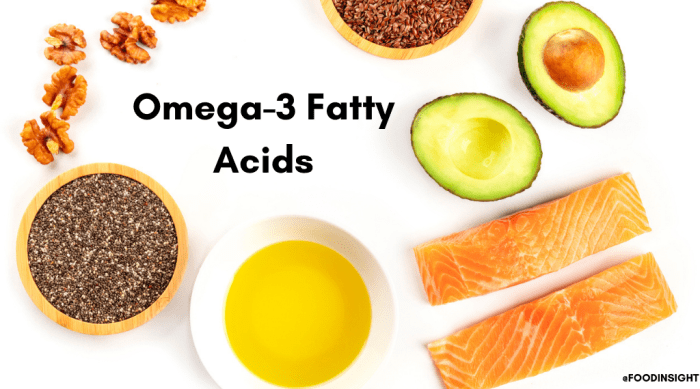
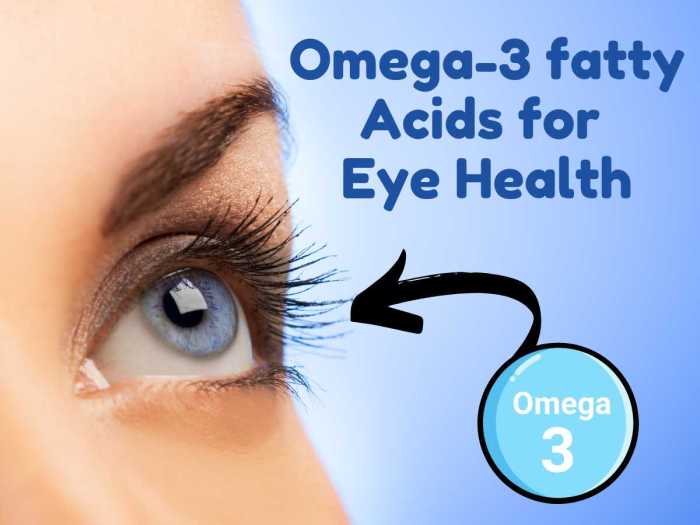
Omega-3 fatty acids, particularly DHA and EPA, are essential for maintaining good vision. These healthy fats support the structure of the eye’s retina and help prevent dry eyes and macular degeneration. Including sources of omega-3s in your diet, such as fatty fish, flaxseeds, and walnuts, can promote optimal eye health.
Diet rich in vitamin C
Vitamin C is known for its powerful antioxidant properties and its ability to boost the immune system. In terms of eye health, vitamin C plays a crucial role in preventing cataracts, a condition characterized by clouding of the lens in the eye.
Consuming foods high in vitamin C, like citrus fruits, berries, and bell peppers, can help protect the lens and maintain clear vision.
Wellness Programs
Wellness programs play a crucial role in promoting eye health by educating individuals on healthy habits and providing resources for maintaining optimal vision. These programs focus on preventive measures and early detection to ensure overall well-being.
Examples of Wellness Programs for Eye Health
- Employee wellness programs offered by companies that include vision screenings and eye health education.
- Community health initiatives that provide free eye exams and promote the importance of regular check-ups.
- School programs that educate students on eye-healthy practices and offer resources for vision care.
Importance of Regular Eye Exams in Wellness Programs
Regular eye exams are essential in wellness programs to detect any potential vision issues early on, allowing for timely intervention and treatment. These exams can help prevent serious eye conditions and ensure optimal eye health for individuals.
Educating Individuals on Eye-Healthy Lifestyle Habits
- Wellness programs teach individuals about the significance of proper nutrition for eye health, such as consuming foods rich in vitamins A, C, and E.
- They emphasize the importance of protecting the eyes from harmful UV rays and blue light exposure through the use of sunglasses and computer glasses.
- Wellness programs also promote the benefits of adequate hydration and getting sufficient sleep for maintaining healthy vision.
Benefits of Incorporating Eye Exercises into Wellness Programs
Eye exercises can help improve focus, reduce eye strain, and enhance overall visual acuity. By incorporating eye exercises into wellness programs, individuals can strengthen their eye muscles and promote better eye coordination and flexibility.
Herbal Remedies for Eye Health
When it comes to maintaining good vision and overall eye health, herbal remedies can play a significant role in complementing a balanced diet. These natural remedies offer a variety of benefits that can help support and improve the health of your eyes.
Bilberry
- Bilberry is a herb known for its antioxidant properties, which can help protect the eyes from damage caused by free radicals.
- Studies have shown that bilberry may improve night vision and overall eye function.
- It is often used to support healthy circulation in the eyes and reduce inflammation.
Ginkgo Biloba
- Ginkgo biloba is another herb that is commonly used to support eye health due to its antioxidant and anti-inflammatory properties.
- It may help improve blood flow to the eyes and protect against age-related macular degeneration.
- Some research suggests that ginkgo biloba can enhance visual function and reduce the risk of developing cataracts.
Eyebright, Benefits of a balanced diet for improving eye health
- Eyebright is an herb that has been traditionally used to treat various eye conditions, including inflammation and infections.
- It is believed to have anti-inflammatory and astringent properties that can help reduce eye irritation and redness.
- Eyebright is often used in herbal eye drops or compresses to soothe tired and strained eyes.
When incorporating herbal remedies into your routine for better eye health, it is essential to consult with a healthcare professional or herbalist to determine the appropriate dosage and ensure safety. It is also crucial to source high-quality herbs from reputable suppliers to maximize their benefits.
By combining herbal remedies with a balanced diet rich in nutrients, you can take proactive steps towards maintaining optimal eye health and preserving your vision.
Skin Health and Eye Health Connection
Maintaining healthy skin is not only important for aesthetics but also plays a crucial role in supporting eye health. The skin and eyes are closely connected, and certain skin conditions can have a direct impact on the eyes. By understanding this relationship and taking care of our skin, we can indirectly benefit our eye health as well.
Impact of Skin Conditions on Eye Health
Certain skin conditions, such as eczema or psoriasis, can also affect the eyes. For example, eczema on the eyelids can lead to inflammation and irritation in the eyes, impacting vision and overall eye health. It is essential to address these skin conditions promptly to prevent any complications in the eyes.
Benefits of Healthy Skin for Eye Health
Healthy skin acts as a protective barrier for the eyes, shielding them from harmful environmental factors and reducing the risk of infections. Proper skincare routines can help maintain the integrity of the skin around the eyes, keeping them healthy and preventing any potential issues that could affect vision.
Tips for Skincare Routines Supporting Eye Health
- Avoid harsh chemicals or fragrances in skincare products, especially around the eyes.
- Use sunscreen to protect the skin from UV damage, which can also impact the eyes.
- Stay hydrated to keep the skin and eyes moisturized from within.
- Get enough sleep to allow the skin to regenerate and repair, benefiting both skin and eye health.
- Eat a balanced diet rich in antioxidants and vitamins that support skin and eye health.
Last Recap
In conclusion, Benefits of a balanced diet for improving eye health emphasizes the profound influence of nutrition on our eyesight. By making informed dietary decisions and incorporating eye-healthy foods into our meals, we pave the way for clearer vision and long-term eye wellness.
Let’s continue to prioritize our eye health through the simple yet impactful act of maintaining a balanced diet.
Essential FAQs
How can antioxidants improve eye health?
Antioxidants help reduce the risk of age-related macular degeneration, a common eye condition.
Why are omega-3 fatty acids important for vision?
Omega-3 fatty acids play a crucial role in maintaining good vision and eye health.
Can vitamin C prevent cataracts?
Yes, a diet rich in vitamin C can help prevent the development of cataracts.
Are there specific herbs that benefit eye health?
Yes, certain herbs like bilberry and ginkgo biloba are known to support eye health.
How does skin health relate to eye health?
Healthy skin indirectly benefits eye health, showing the interconnected nature of our body’s wellness.