
Beginning with Health screenings for detecting heart disease early, the narrative unfolds in a compelling and distinctive manner, drawing readers into a story that promises to be both engaging and uniquely memorable.
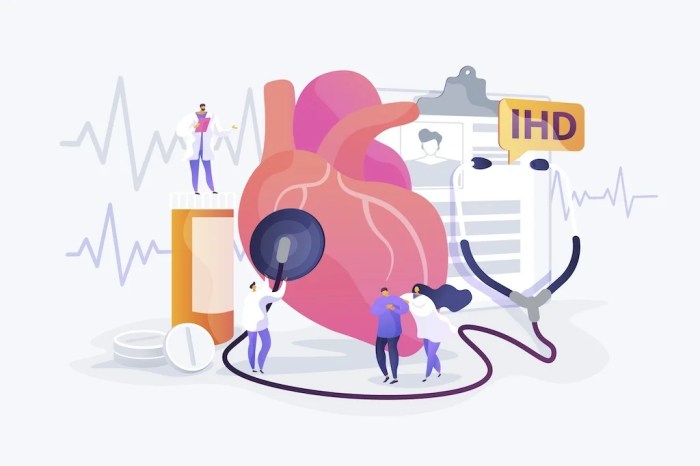
This topic delves into the significance of health screenings for detecting heart disease early, exploring various aspects such as wellness programs, herbal remedies, skin health, and more.
Importance of Health Screenings for Detecting Heart Disease Early
Regular health screenings are crucial for early detection of heart disease as they can help identify risk factors and warning signs before serious complications arise. Early detection through screenings allows for timely intervention and management to prevent heart conditions from worsening.
Common Screening Tests for Detecting Heart Disease
- Blood pressure measurement: High blood pressure is a major risk factor for heart disease, and regular monitoring can help detect hypertension early.
- Cholesterol level test: High levels of LDL cholesterol can lead to plaque buildup in the arteries, increasing the risk of heart disease.
- Electrocardiogram (ECG): This test records the electrical activity of the heart and can help identify irregularities that may indicate heart problems.
- Stress test: This test measures how your heart responds to physical activity and can help detect blockages in the arteries.
- Echocardiogram: This ultrasound test provides detailed images of the heart’s structure and function, allowing for early detection of heart abnormalities.
Wellness Programs for Heart Health
Wellness programs play a crucial role in promoting heart health by focusing on preventive measures and lifestyle changes that can reduce the risk of heart disease.
Components of a Comprehensive Wellness Program
- Educational Workshops: Providing information on heart-healthy habits such as balanced diet, regular exercise, and stress management.
- Physical Activity Sessions: Incorporating regular physical activity tailored to individual fitness levels to improve cardiovascular health.
- Health Screenings: Regular check-ups and screenings to monitor key indicators like blood pressure, cholesterol levels, and blood sugar.
- Nutritional Counseling: Guidance on healthy eating habits and personalized meal plans to support heart health.
- Behavioral Support: Encouraging positive behavior changes and offering resources to help individuals maintain a healthy lifestyle.
Benefits of Participating in Wellness Programs
- Reduced Risk of Heart Disease: By adopting heart-healthy habits and making positive lifestyle changes, individuals can lower their risk of developing heart disease.
- Improved Overall Health: Wellness programs not only benefit heart health but also contribute to overall well-being by promoting healthy habits and reducing the risk of other chronic conditions.
- Enhanced Quality of Life: By focusing on preventive measures and early intervention, wellness programs help individuals lead a more active and fulfilling life with better heart health.
Herbal Remedies for Heart Health: Health Screenings For Detecting Heart Disease Early
Herbal remedies have been used for centuries to promote heart health and prevent heart disease. These natural remedies are known for their positive effects on cardiovascular health and can be a valuable addition to a heart-healthy lifestyle.Certain herbs can help in maintaining a healthy heart by reducing inflammation, lowering cholesterol levels, improving blood circulation, and supporting overall heart function.
It is important to note that while herbal remedies can offer benefits, they should not replace conventional medical treatment.
Hawthorn
Hawthorn is a popular herb known for its ability to improve heart health. It has been used traditionally to strengthen the heart muscle, regulate blood pressure, and improve circulation. Hawthorn may also help reduce cholesterol levels and support overall cardiovascular function.
Garlic
Garlic is another herb that can benefit heart health. It has been shown to lower cholesterol and blood pressure levels, reduce inflammation, and improve circulation. Garlic may also help prevent blood clots and protect against heart disease.
Ginger, Health screenings for detecting heart disease early
Ginger is known for its anti-inflammatory properties and can help reduce inflammation in the body, including the cardiovascular system. It may also help lower cholesterol levels, improve blood flow, and support heart health.
Consulting a Healthcare Professional
Before using herbal remedies for heart disease prevention, it is important to consult a healthcare professional. They can provide guidance on the appropriate dosage, potential interactions with medications, and ensure that the herbal remedy is safe and effective for your individual health needs.
Importance of Skin Health in Relation to Heart Disease
Skin health plays a crucial role in overall well-being, including heart health. The condition of our skin can sometimes serve as an indicator of underlying heart issues, making it essential to pay attention to skin health as part of a heart-healthy lifestyle.
Connection between Skin Health and Heart Disease
Maintaining healthy skin is not only about aesthetics but also about monitoring potential signs of heart disease. Research has shown that certain skin conditions, such as yellowish plaques around the eyes or a condition called xanthelasma, can be associated with an increased risk of heart problems.
These signs can be caused by high cholesterol levels, which are a significant risk factor for heart disease.
- Yellowish plaques around the eyes, known as xanthelasma, can indicate high cholesterol levels and a higher risk of heart disease.
- Other skin conditions like psoriasis, eczema, and acne have also been linked to an increased risk of cardiovascular issues.
Tips for Maintaining Healthy Skin for Heart Health
Taking care of your skin not only enhances your appearance but also contributes to your heart health. Here are some tips to help you maintain healthy skin as part of a heart-healthy lifestyle:
- Stay hydrated by drinking plenty of water throughout the day to keep your skin hydrated and healthy.
- Eat a balanced diet rich in fruits, vegetables, and lean proteins to provide essential nutrients for skin health.
- Protect your skin from the sun by using sunscreen and wearing protective clothing to reduce the risk of skin damage and premature aging.
- Manage stress levels through relaxation techniques like yoga or meditation, as stress can affect skin health and overall heart health.
Bone Density and its Impact on Heart Health
Maintaining optimal bone density is not only crucial for strong bones but also plays a significant role in heart health. Research has shown a direct relationship between bone density and the risk of heart disease.
Exercises for Bone Density and Heart Health
Regular weight-bearing exercises such as walking, jogging, dancing, or strength training can help improve bone density and also benefit heart health. These exercises stimulate bone growth and strengthen the heart muscles, reducing the risk of cardiovascular issues.
Dietary Choices for Bone Density and Heart Health
Consuming calcium-rich foods like dairy products, leafy greens, almonds, and fortified foods can support bone density and heart health. Additionally, foods high in vitamin D, magnesium, and potassium are essential for maintaining strong bones and a healthy heart.
Muscle Mass and Heart Health
Building and maintaining muscle mass is not only beneficial for strength and mobility but also plays a significant role in promoting heart health.
The Link Between Muscle Mass and Heart Health
Having adequate muscle mass can positively impact heart health by improving overall cardiovascular function. Muscles require more oxygen and nutrients, leading to increased blood flow to the heart. This helps in enhancing heart efficiency and reducing the risk of heart disease.
Role of Strength Training in Promoting Cardiovascular Wellness
Strength training exercises such as weightlifting or resistance training can help in increasing muscle mass, which in turn benefits heart health. These exercises stimulate the heart to work harder, leading to improved circulation and a stronger heart muscle. Regular strength training can also help lower blood pressure and cholesterol levels, further reducing the risk of heart disease.
Dental Care Practices for Heart Disease Prevention
Maintaining good dental care practices is not only essential for oral health but also plays a crucial role in preventing heart disease. The connection between oral health and heart health has been increasingly recognized in recent years, highlighting the importance of proper dental hygiene in reducing the risk of heart-related complications.
The Link Between Dental Care and Heart Health
Poor dental hygiene can lead to the accumulation of bacteria in the mouth, causing inflammation and infections. These bacteria can enter the bloodstream through the gums, contributing to the development of cardiovascular problems. Research has shown that the same bacteria involved in gum disease are also found in the plaques that clog arteries, increasing the risk of heart disease.
- Brush your teeth at least twice a day and floss daily to remove plaque and prevent gum disease.
- Visit your dentist regularly for check-ups and cleanings to maintain good oral health.
- Avoid tobacco use, as smoking is a significant risk factor for both gum disease and heart disease.
- Follow a healthy diet low in sugar and high in fruits and vegetables to support overall oral and heart health.
- Manage stress levels, as stress can contribute to teeth grinding and other habits that can harm oral health.
Importance of Eye Health in Relation to Heart Disease
Eye health is closely linked to heart health, as certain eye conditions can serve as indicators of underlying heart issues. By paying attention to our eyes, we can potentially catch warning signs of heart disease early on. Here are some tips for maintaining good eye health as part of overall heart disease prevention.
Correlation between Eye Health and Heart Disease
- Research suggests that individuals with retinopathy, a condition where the blood vessels in the retina are damaged, may also have an increased risk of heart disease.
- High blood pressure can cause changes in the blood vessels in the eyes, which can be an early sign of heart problems.
- Certain eye medications, like beta-blockers, are commonly used to treat both eye conditions and heart conditions, highlighting the connection between the two systems.
Maintaining Good Eye Health for Heart Disease Prevention
- Get regular eye exams to monitor for any changes in your vision or eye health.
- Eat a diet rich in antioxidants, vitamins, and minerals to support eye health and overall cardiovascular health.
- Avoid smoking, as it can increase the risk of both eye conditions and heart disease.
- Manage underlying health conditions like diabetes and high blood pressure, which can impact both eye and heart health.
Mental Clarity and Heart Health
Maintaining mental clarity and cognitive function is crucial for overall heart health. Research suggests that there is a strong connection between the brain and the heart, and cognitive health can significantly impact the risk of heart disease.
Strategies for Improving Mental Clarity to Support Heart Health
- Engage in regular physical exercise to improve blood flow to the brain and enhance cognitive function.
- Practice mindfulness and meditation to reduce stress and improve focus, which can positively impact heart health.
- Get an adequate amount of sleep to support brain function and overall cognitive health.
- Stay socially connected and engage in activities that stimulate the mind to maintain mental sharpness.
Importance of Stress Management in Preventing Heart Disease
- Chronic stress can have a negative impact on both mental clarity and heart health.
- High levels of stress hormones can contribute to inflammation and plaque buildup in the arteries, increasing the risk of heart disease.
- Implement stress-reducing techniques such as deep breathing, yoga, or spending time in nature to protect your heart health.
- Seek professional help if you are struggling to manage stress effectively to lower your risk of heart disease.
Enhancing Joint Flexibility for Heart Health
Maintaining good joint flexibility is crucial for heart health as it allows for better circulation and overall cardiovascular function. When joints are stiff or immobile, it can put extra strain on the heart as it works harder to pump blood throughout the body.
Improving joint flexibility can help reduce this strain and promote better heart health.
Benefits of Maintaining Good Joint Flexibility
- Enhanced blood flow: Flexible joints allow for better circulation, ensuring that oxygen and nutrients are efficiently delivered to the heart and other vital organs.
- Reduced risk of injury: Flexible joints are less prone to strains and injuries, which can impact overall physical activity levels and heart health.
- Improved range of motion: Better joint flexibility can enhance mobility and physical performance, supporting a more active lifestyle that benefits heart health.
Exercises and Activities to Improve Joint Flexibility and Heart Health
- Yoga: Practicing yoga poses can help increase flexibility and range of motion in the joints, promoting better heart health through improved circulation and stress reduction.
- Stretching exercises: Incorporating regular stretching routines can help maintain joint flexibility, reduce muscle tension, and support overall cardiovascular wellness.
- Swimming: Swimming is a low-impact exercise that can improve joint flexibility while providing a great cardiovascular workout that benefits heart health.
Final Wrap-Up
As we conclude our discussion on health screenings for detecting heart disease early, it becomes evident that proactive measures such as regular screenings, maintaining overall wellness, and consulting healthcare professionals are vital in safeguarding heart health.
FAQ Guide
Can heart disease be detected early through screenings?
Yes, regular screenings such as blood tests, ECGs, and stress tests can help in early detection of heart issues.
Are herbal remedies effective in maintaining heart health?
While some herbs have shown positive effects, it’s crucial to consult a healthcare professional before using them for heart disease prevention.
How does joint flexibility relate to heart health?
Maintaining good joint flexibility through exercises can contribute to overall cardiovascular wellness and heart health.