As Benefits of a low-FODMAP diet for digestive health takes center stage, this opening passage beckons readers with casual formal language style into a world crafted with good knowledge, ensuring a reading experience that is both absorbing and distinctly original.
A low-FODMAP diet offers a natural solution to digestive issues, providing relief from symptoms and promoting overall gut health. By understanding the role of FODMAPs and making smart dietary choices, individuals can embark on a journey towards improved well-being and digestive wellness.
Benefits of a low-FODMAP diet for digestive health
A low-FODMAP diet has shown to be beneficial for individuals with digestive disorders like Irritable Bowel Syndrome (IBS) by reducing symptoms such as bloating, gas, abdominal pain, and diarrhea.
Reducing FODMAPs to Improve Gut Health
FODMAPs (Fermentable Oligosaccharides, Disaccharides, Monosaccharides, and Polyols) are short-chain carbohydrates that can be poorly absorbed in the small intestine, leading to fermentation in the colon and triggering symptoms in sensitive individuals. By reducing high-FODMAP foods in the diet, the fermentation process is minimized, providing relief for those with digestive issues.
High-FODMAP Foods to Avoid and Low-FODMAP Alternatives
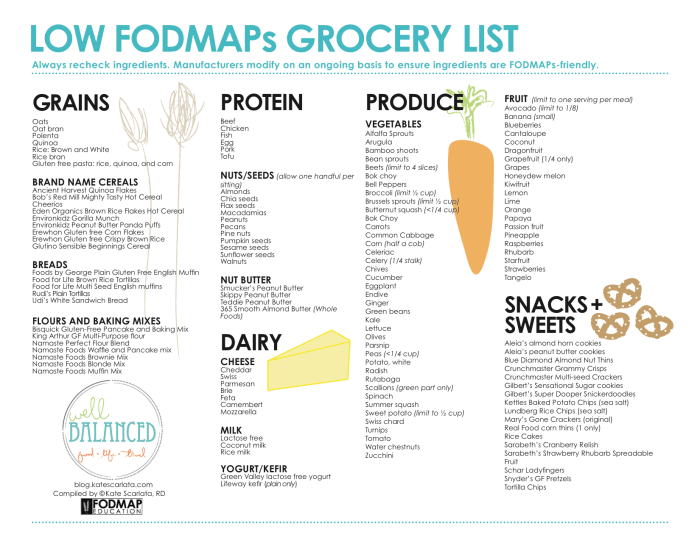
Some examples of high-FODMAP foods to avoid include onions, garlic, wheat, dairy products, apples, pears, and legumes. Instead, individuals can opt for low-FODMAP alternatives such as green beans, strawberries, lactose-free dairy, quinoa, and gluten-free products to support their digestive health.
Long-Term Effects on Digestive Wellness
Following a low-FODMAP diet in the long term can lead to improved overall digestive wellness by reducing inflammation, promoting a healthier gut microbiome, and alleviating chronic digestive symptoms. It is essential to work with a healthcare professional or a dietitian to ensure balanced nutrition while adhering to a low-FODMAP diet for extended periods.
Wellness Programs
Wellness programs are designed to promote overall health and well-being by addressing various aspects of an individual’s health, including physical, mental, and emotional well-being. These programs often incorporate a combination of activities, resources, and support systems to help individuals improve their health and quality of life.
Key Components of Effective Wellness Programs
- Health Screenings: Regular health screenings can help identify health issues early on and allow for timely intervention.
- Nutrition Education: Providing information on healthy eating habits and the importance of a balanced diet.
- Physical Activity: Encouraging regular exercise and physical activity to improve cardiovascular health and overall fitness.
- Stress Management: Teaching stress-reduction techniques such as mindfulness and relaxation exercises.
Importance of Incorporating Physical, Mental, and Emotional Well-being
It is crucial to address physical, mental, and emotional well-being in wellness programs as they are interconnected and impact overall health. Mental health issues can affect physical health, and vice versa. By addressing all aspects of well-being, individuals can achieve a better quality of life and improved health outcomes.
Examples of Wellness Initiatives
- Onsite Fitness Classes: Offering exercise classes at the workplace to encourage physical activity among employees.
- Mental Health Workshops: Providing workshops on stress management and mental health awareness to support employee well-being.
- Healthy Eating Challenges: Organizing challenges to promote healthy eating habits and educate employees on nutrition.
Role of Wellness Programs in Preventing Chronic Diseases
- Chronic Disease Management: Wellness programs can help individuals manage chronic conditions such as diabetes, hypertension, and obesity through lifestyle changes and support.
- Preventive Care: By promoting regular health screenings and healthy habits, wellness programs can prevent the onset of chronic diseases.
- Improving Quality of Life: Wellness initiatives can enhance the overall quality of life for individuals by focusing on holistic health and well-being.
Herbal Remedies
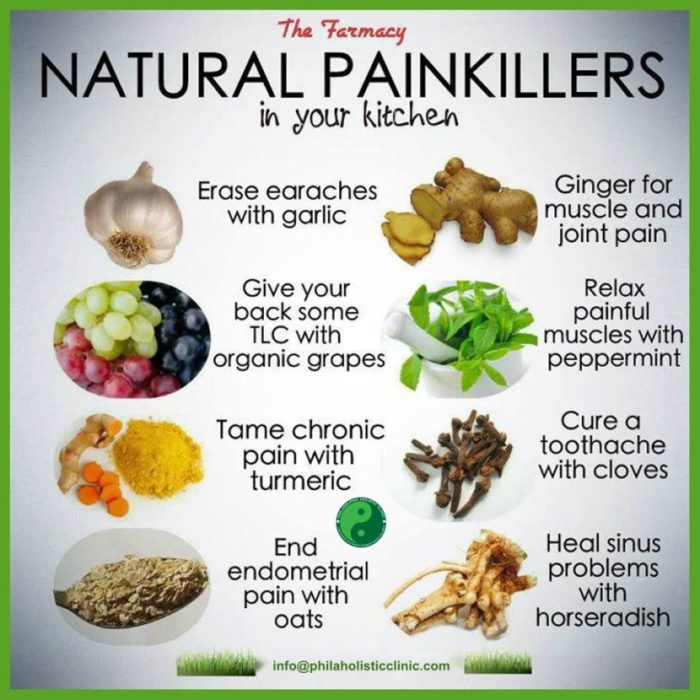
Herbal remedies have been used for centuries to address various health issues, including digestion, inflammation, and stress. These natural remedies offer a gentle yet effective way to support the body’s healing process.
Benefits of Herbal Remedies
- Herbal remedies can help improve digestion by soothing the gastrointestinal tract and reducing bloating and gas.
- They have anti-inflammatory properties that can help alleviate pain and swelling in the body.
- Herbs like chamomile and lavender are known for their calming effects, making them excellent choices for reducing stress and promoting relaxation.
Consulting with a Healthcare Provider
Before incorporating herbal remedies into your routine, it is essential to consult with a healthcare provider, especially if you are taking any medications or have underlying health conditions. They can provide guidance on the right herbs to use and ensure they do not interact negatively with any existing treatments.
Popular Herbs and Their Therapeutic Properties
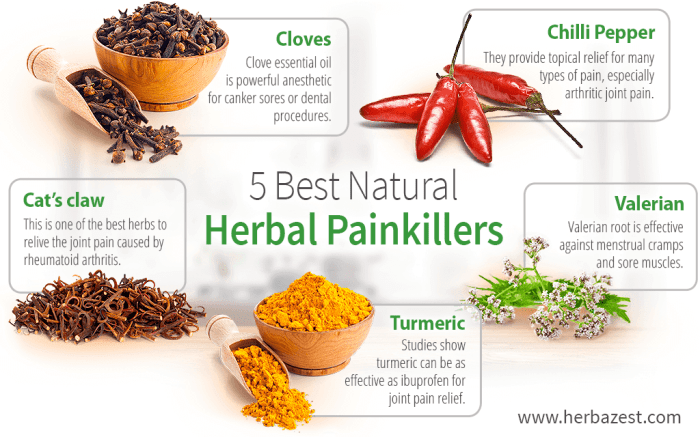
| Herb | Therapeutic Properties |
|---|---|
| Peppermint | Helps with indigestion and bloating |
| Turmeric | Anti-inflammatory and antioxidant properties |
| Valerian Root | Promotes relaxation and better sleep |
Complementing Traditional Medicine
Herbal remedies can complement traditional medicine by providing additional support for overall well-being. They offer a holistic approach to health, addressing not just the symptoms but also the root causes of various health issues. When used in conjunction with conventional treatments, herbal remedies can enhance the healing process and promote a balanced state of health.
Skin Health
Maintaining healthy skin goes beyond just external skincare routines. Your diet and lifestyle choices play a significant role in the health and appearance of your skin. By making conscious decisions about what you eat and how you take care of your body, you can improve your skin health naturally.
Impact of Diet and Lifestyle Choices on Skin Health
What you eat directly affects the health of your skin. Consuming a diet rich in fruits, vegetables, whole grains, and lean proteins can provide your skin with essential nutrients and antioxidants. On the other hand, consuming processed foods, sugary snacks, and excessive dairy products can lead to inflammation and skin issues.
Role of Hydration, Nutrition, and Skincare Routines
Hydration is key to maintaining healthy skin. Drinking an adequate amount of water each day helps keep your skin hydrated and plump. Additionally, consuming foods rich in vitamins A, C, and E can promote skin health. Establishing a consistent skincare routine that includes cleansing, moisturizing, and protection from the sun is essential for healthy skin.
Tips for Improving Skin Health Naturally
- Avoiding excessive sun exposure and using sunscreen daily.
- Eating a balanced diet with plenty of fruits and vegetables.
- Staying hydrated by drinking enough water throughout the day.
- Getting enough sleep to allow your skin time to repair and regenerate.
- Managing stress through relaxation techniques like meditation or yoga.
Connection Between Digestive Health and Skin Conditions
There is a strong connection between digestive health and skin conditions like acne and eczema. Digestive issues can lead to inflammation in the body, which may manifest as skin problems. By maintaining a healthy gut through a balanced diet and good digestion, you can improve the overall health of your skin.
Bone Density
Maintaining optimal bone density is crucial for overall health and mobility. Our bones provide structural support, protect vital organs, and store minerals essential for various bodily functions.
Risk Factors for Low Bone Density
- Age: Bone density decreases as we age, making older adults more susceptible to osteoporosis.
- Gender: Women are at a higher risk of developing low bone density and osteoporosis, especially post-menopause.
- Dietary Deficiencies: Inadequate calcium and vitamin D intake can lead to weakened bones.
- Lack of Physical Activity: Sedentary lifestyle can contribute to bone loss and decreased bone density.
Preventing Bone Loss
- Regular Exercise: Weight-bearing and resistance exercises help maintain bone density and strength.
- Healthy Diet: Consuming foods rich in calcium, vitamin D, magnesium, and other nutrients essential for bone health.
- Supplements: If unable to meet nutrient requirements through diet alone, consider supplements under medical guidance.
- Avoiding Smoking and Excessive Alcohol: Both can negatively impact bone health and density.
Supporting Bone Health
- Calcium-Rich Foods: Dairy products, leafy greens, nuts, and seeds are good sources of calcium.
- Vitamin D: Sunlight exposure and fortified foods help in the absorption of calcium.
- Magnesium: Nuts, seeds, whole grains, and legumes are rich in magnesium, essential for bone health.
- Regular Bone Density Tests: Screening can help monitor bone health and detect early signs of bone loss.
Muscle Mass
Muscle mass plays a crucial role in metabolism, strength, and overall health. It contributes to the body’s ability to burn calories, maintain proper function of organs, and support posture and movement. Having a healthy amount of muscle mass can also help prevent injuries, improve balance, and enhance athletic performance.
Factors Influencing Muscle Mass
- Diet: Consuming an adequate amount of protein, along with essential nutrients like vitamins and minerals, is essential for muscle growth and repair.
- Exercise: Regular strength training exercises, such as weightlifting, resistance training, and bodyweight exercises, are key in building and maintaining muscle mass.
- Age: As we age, muscle mass tends to decrease if not actively maintained through proper nutrition and exercise routines.
Tips for Building and Preserving Muscle Mass
- Consume enough protein: Aim for a balanced diet with sources of lean protein like chicken, fish, tofu, and legumes to support muscle growth.
- Stay hydrated: Proper hydration is crucial for muscle function and recovery.
- Incorporate strength training: Include resistance exercises in your fitness routine to stimulate muscle growth and prevent muscle loss.
- Get enough rest: Adequate sleep and rest are essential for muscle recovery and growth.
Benefits of Maintaining Healthy Muscle Mass
- Improved metabolism: Muscle tissue burns more calories at rest compared to fat tissue, leading to an increase in metabolic rate.
- Enhanced strength and endurance: Having strong muscles can improve physical performance and reduce the risk of injuries.
- Better overall health: Maintaining healthy muscle mass is associated with lower risk of chronic conditions like diabetes, heart disease, and osteoporosis.
Dental Care
Good oral hygiene is essential for overall health and well-being. Taking care of your teeth and gums not only helps prevent common dental issues but also plays a crucial role in preventing systemic conditions.
Importance of Oral Hygiene
Proper oral hygiene is important to maintain healthy teeth and gums. It helps prevent dental issues such as cavities, gum disease, and bad breath. Additionally, good oral health can contribute to overall well-being and reduce the risk of systemic conditions.
Common Dental Issues and Preventive Measures
Common dental issues include cavities, gum disease, and tooth sensitivity. To prevent these problems, it is essential to brush your teeth twice a day, floss daily, and visit your dentist regularly for check-ups and cleanings.
Tips for Caring for Teeth and Gums
- Brush your teeth at least twice a day with fluoride toothpaste.
- Floss daily to remove plaque and food particles between teeth.
- Use mouthwash to help reduce plaque and prevent gum disease.
- Avoid sugary and acidic foods that can damage tooth enamel.
Oral Health and Systemic Conditions
There is a strong connection between oral health and systemic conditions such as heart disease, diabetes, and respiratory infections. Poor oral hygiene can lead to inflammation in the mouth, which may contribute to these systemic conditions. Maintaining good oral health is crucial for overall well-being.
Eye Health
Maintaining good eye health is crucial for overall quality of life and independence. Our eyes allow us to see and experience the world around us, making it essential to take care of them to prevent vision problems that could impact daily activities.
Common Eye Conditions and Preventive Measures
- Age-related macular degeneration (AMD): Symptoms include blurred vision, difficulty seeing colors, and vision distortion. To prevent AMD, consume a diet rich in antioxidants, wear sunglasses to protect from UV rays, and avoid smoking.
- Cataracts: Symptoms include cloudy or blurred vision, sensitivity to light, and seeing halos around lights. Prevent cataracts by wearing sunglasses, eating a diet high in fruits and vegetables, and avoiding excessive alcohol consumption.
- Glaucoma: Symptoms include gradual loss of peripheral vision, eye pain, and blurred vision. Regular eye exams are crucial for early detection and treatment of glaucoma to prevent irreversible vision loss.
Tips for Protecting Eye Health
Eat a well-balanced diet rich in fruits, vegetables, and omega-3 fatty acids to support eye health.
- Avoid smoking and limit alcohol consumption to reduce the risk of developing eye conditions.
- Protect your eyes from UV rays by wearing sunglasses whenever outdoors, even on cloudy days.
- Take regular breaks when working on screens to prevent eye strain and fatigue.
Early Detection and Treatment of Eye Problems
Regular eye exams are essential for early detection of any potential eye issues. By identifying problems such as glaucoma or retinal diseases early on, appropriate treatment can be administered to prevent vision loss and maintain eye health.
Mental Clarity
When we talk about mental clarity, we refer to the state of having a sharp and focused mind that allows for clear thinking, improved cognitive function, and increased productivity.
Factors Influencing Mental Clarity
Several factors can impact mental clarity, including:
- Stress: High levels of stress can cloud the mind and make it difficult to concentrate.
- Sleep: Inadequate or poor-quality sleep can impair cognitive function and lead to mental fog.
- Nutrition: A diet rich in essential nutrients and low in processed foods can support brain health and clarity.
Techniques for Improving Mental Clarity
There are various techniques that can help enhance mental clarity:
- Practicing Mindfulness: Engaging in mindfulness meditation or deep breathing exercises can help calm the mind and improve focus.
- Cognitive Exercises: Activities like puzzles, brain games, and learning new skills can stimulate the brain and enhance mental sharpness.
Link Between Mental Clarity and Overall Well-being
Mental clarity is closely linked to overall well-being, including emotional health and decision-making:
- Emotional Health: Clarity of mind can lead to better emotional regulation and a more positive outlook on life.
- Decision-making: When the mind is clear, it becomes easier to make sound decisions and solve problems effectively.
Joint Flexibility
Joint flexibility is crucial for maintaining mobility and preventing injuries. It allows for smooth movement and helps reduce the risk of strains and sprains.
Importance of Maintaining Joint Flexibility
Factors such as age, level of physical activity, and underlying health conditions can impact joint health. As we age, our joints tend to stiffen, making it harder to move freely. Regular exercise can help improve flexibility and strengthen the muscles around the joints, providing better support and stability.
Tips for Improving Joint Flexibility
- Engage in regular stretching exercises to increase flexibility and range of motion.
- Incorporate strength training exercises to build muscle around the joints for added support.
- Maintain proper posture to reduce strain on the joints and prevent stiffness.
Impact on Overall Physical Function
Having good joint flexibility can enhance overall physical function and quality of life. It allows for better performance in daily activities, sports, and exercise, leading to a more active and fulfilling lifestyle.
Detox Process
Detoxification is a natural process in the body that involves eliminating toxins and harmful substances to maintain overall health and well-being. It plays a crucial role in supporting the liver, kidneys, and other organs in filtering out waste and promoting optimal functioning.
Natural Ways to Support Detox Process
Hydration is key to supporting the body’s detox process as it helps flush out toxins through urine and sweat. Consuming a diet rich in fruits, vegetables, and whole grains provides essential nutrients and antioxidants that aid in detoxification. Regular exercise also helps stimulate circulation and the lymphatic system, further assisting in toxin removal.
Detox Diets, Supplements, and Practices
- Detox diets typically involve eliminating processed foods, sugar, alcohol, and caffeine while increasing intake of plant-based foods, lean proteins, and healthy fats. These diets aim to reduce inflammation, support digestion, and enhance the body’s detox mechanisms.
- Supplements like milk thistle, dandelion root, and probiotics are commonly used to support liver function and digestive health during detox. Herbal teas and detox drinks containing ingredients like lemon, ginger, and turmeric may also aid in cleansing the body.
- Practices such as dry brushing, sauna sessions, and Epsom salt baths are believed to help the body release toxins through the skin, promoting detoxification. Mind-body techniques like meditation and deep breathing can also reduce stress and support overall detox processes.
Benefits and Risks of Detox Programs
- Benefits of detox programs may include improved digestion, increased energy levels, clearer skin, and weight loss. Detoxification can also enhance immune function and reduce inflammation in the body, leading to better overall health.
- However, detox programs may carry risks such as nutrient deficiencies, electrolyte imbalances, and potential adverse reactions to detox supplements or practices. It is important to consult a healthcare provider before starting any detox program, especially for individuals with underlying health conditions or medications.
Blood Pressure
Maintaining healthy blood pressure levels is crucial for cardiovascular health. High blood pressure, also known as hypertension, can strain the heart and blood vessels, leading to serious conditions such as heart disease, stroke, and kidney damage. On the other hand, low blood pressure, or hypotension, can cause symptoms like dizziness, fainting, and fatigue.
Factors Influencing Blood Pressure
- Diet: Consuming a diet high in sodium, saturated fats, and processed foods can contribute to high blood pressure. On the other hand, a diet rich in fruits, vegetables, whole grains, and lean proteins can help lower blood pressure.
- Exercise: Regular physical activity can help regulate blood pressure by improving heart health and circulation. Aim for at least 150 minutes of moderate-intensity exercise per week.
- Stress: Chronic stress can elevate blood pressure levels. Practicing stress-reducing activities such as yoga, meditation, or deep breathing exercises can help manage stress and lower blood pressure.
Tips for Managing Blood Pressure
- Monitor your blood pressure regularly and consult with your healthcare provider.
- Follow a balanced diet low in sodium and high in potassium, magnesium, and fiber.
- Maintain a healthy weight through a combination of diet and exercise.
- Avoid smoking and limit alcohol consumption.
- Manage stress through relaxation techniques and adequate sleep.
Consequences of High or Low Blood Pressure
- High Blood Pressure: Increases the risk of heart disease, stroke, kidney disease, and vision loss.
- Low Blood Pressure: Can cause dizziness, fainting, dehydration, and fatigue.
Heart Rate
The heart rate is a crucial indicator of cardiovascular fitness and overall health. It measures how many times the heart beats per minute, showing how effectively the heart is pumping blood throughout the body. Understanding the relationship between heart rate and various aspects of health is essential for maintaining a healthy lifestyle.
Relationship between Heart Rate and Cardiovascular Fitness
Maintaining an optimal heart rate during physical activity is essential for improving cardiovascular fitness. By increasing your heart rate through exercise, you strengthen the heart muscle, improve blood circulation, and enhance overall cardiovascular health. Regular exercise helps lower resting heart rate, which is a sign of a strong and efficient heart.
Heart Rate Variability and Overall Health
Heart rate variability refers to the variation in time intervals between heartbeats. It is a crucial indicator of overall health and stress levels. Higher heart rate variability is associated with better cardiovascular fitness, lower stress levels, and improved ability to handle physical and emotional challenges.
Techniques for Monitoring and Regulating Heart Rate
There are various techniques for monitoring and regulating heart rate during exercise and rest. One effective method is using a heart rate monitor to track your heart rate in real-time. It’s important to stay within your target heart rate zone during exercise to maximize the benefits and prevent overexertion.
Techniques such as deep breathing, meditation, and yoga can help regulate heart rate during rest and reduce stress levels.
Impact of Heart Rate on Endurance and Performance
Heart rate plays a significant role in endurance, performance, and recovery during physical activities. By training at different heart rate zones, you can improve aerobic capacity, endurance, and overall performance. Monitoring your heart rate during workouts can help you optimize training intensity, avoid burnout, and enhance recovery post-exercise.
Health Screenings
Regular health screenings play a crucial role in early detection of diseases and risk factors, allowing for timely intervention and treatment. These screenings are essential for maintaining overall wellness and preventing serious health issues. By undergoing specific screenings based on age groups and health conditions, individuals can stay informed about their health status and make proactive decisions to improve their well-being.
Common Health Screenings
- Annual physical exams: Regular check-ups with healthcare providers to monitor overall health and detect any abnormalities.
- Blood pressure screenings: To assess cardiovascular health and risk of hypertension.
- Cholesterol tests: To evaluate heart health and risk of heart disease.
- Blood glucose tests: For early detection of diabetes and monitoring blood sugar levels.
Importance of Regular Health Screenings
Regular health screenings are vital in identifying health issues in their early stages when they are more treatable. They help individuals understand their health risks, make lifestyle changes, and seek appropriate medical care to prevent the progression of diseases. By staying proactive with screenings, individuals can take control of their health and well-being.
Specific Screenings for Different Age Groups
- Children and adolescents: Vaccinations, growth and development assessments, vision and hearing screenings.
- Adults: Cancer screenings (mammograms, colonoscopies), bone density tests, prostate exams.
- Elderly: Osteoporosis screenings, cognitive assessments, fall risk evaluations.
Role of Health Screenings in Informed Decision-Making
Health screenings provide valuable information that empowers individuals to make informed decisions about their health. By understanding their risk factors and health status through screenings, individuals can work with healthcare providers to develop personalized prevention and treatment plans. This proactive approach can lead to better health outcomes and improved quality of life.
Vaccination Programs
Vaccination programs play a crucial role in preventing infectious diseases and safeguarding community health. By administering vaccines, individuals develop immunity to specific illnesses, reducing the risk of outbreaks and protecting vulnerable populations.
Importance of Vaccinations
Vaccinations are essential in preventing the spread of contagious illnesses by building immunity within the population. They not only protect individuals from getting sick but also contribute to the overall health of the community by reducing the transmission of diseases.
Recommended Vaccines
- Children: Vaccines such as MMR (Measles, Mumps, Rubella), DTaP (Diphtheria, Tetanus, Pertussis), and HPV (Human Papillomavirus) are recommended for children to protect them from serious diseases.
- Adults: Vaccines like influenza, Tdap (Tetanus, Diphtheria, Pertussis), and shingles are recommended for adults to maintain immunity and prevent the spread of certain illnesses.
- Travelers: Depending on the destination, vaccines for diseases like yellow fever, typhoid, and hepatitis A/B may be recommended to ensure protection against region-specific infections.
Herd Immunity and Public Health
Vaccination not only benefits individuals but also contributes to herd immunity, where a significant portion of the population is immune to a disease, making it less likely to spread. This collective immunity helps protect those who cannot be vaccinated, such as individuals with compromised immune systems, and contributes to better public health outcomes overall.
Healthy Habits
Maintaining healthy habits is crucial for overall well-being and longevity. Establishing routines for sleep, exercise, nutrition, and stress management can significantly impact your health. Making small, sustainable changes in your daily habits can lead to remarkable improvements in both physical and mental health.
Key Healthy Habits for Well-Being
- Get an adequate amount of sleep each night to allow your body to rest and recharge.
- Engage in regular physical activity to strengthen your body, improve cardiovascular health, and boost mood.
- Eat a balanced diet rich in fruits, vegetables, whole grains, lean proteins, and healthy fats to provide essential nutrients for optimal functioning.
- Practice stress management techniques such as meditation, deep breathing, or yoga to reduce cortisol levels and promote relaxation.
Tips for Cultivating Healthy Habits
- Start small and gradually incorporate new habits into your routine to prevent overwhelm.
- Set specific, achievable goals to track your progress and stay motivated.
- Find an accountability partner or join a support group to stay committed to your healthy habits.
- Reward yourself for reaching milestones along your wellness journey to reinforce positive behavior.
Overcoming Barriers to Lifestyle Changes
- Identify potential obstacles such as lack of time, motivation, or resources, and brainstorm solutions to overcome them.
- Seek professional guidance from a health coach, nutritionist, or therapist to address any underlying issues hindering your progress.
- Build a strong support system of friends and family members who encourage and uplift you in your pursuit of a healthier lifestyle.
- Practice self-compassion and patience as you navigate inevitable setbacks on your wellness journey.
Benefits of Small, Sustainable Changes
- Even minor adjustments in your habits can lead to significant improvements in energy levels, mood, and overall quality of life.
- Consistent healthy choices can reduce the risk of chronic diseases, enhance longevity, and improve your body’s resilience to illness.
- By prioritizing self-care and wellness, you can experience greater mental clarity, emotional balance, and physical vitality.
- Cultivating healthy habits is a lifelong journey that evolves over time, leading to lasting transformations in your health and well-being.
Balanced Hormones
Hormones play a crucial role in regulating various bodily functions and maintaining homeostasis. They act as chemical messengers, influencing processes like metabolism, growth, mood, and reproduction. When hormones are in balance, the body functions optimally, but disruptions can lead to a range of health issues.
Factors Affecting Hormonal Balance
Environmental toxins, stress, poor diet, and lack of exercise can all disrupt hormonal balance. These factors can interfere with the production, release, and function of hormones, leading to imbalances that affect overall health.
- Environmental Toxins: Exposure to pollutants, pesticides, and chemicals in everyday products can disrupt the endocrine system, impacting hormone levels.
- Stress: Chronic stress triggers the release of cortisol, the stress hormone, which can throw off the balance of other hormones in the body.
- Poor Diet: Consuming processed foods, high sugar, and unhealthy fats can contribute to hormonal imbalances, especially insulin and leptin.
- Lack of Exercise: Sedentary lifestyles can affect hormone production and metabolism, leading to imbalances that impact overall health.
Promoting Balanced Hormones
Making positive lifestyle choices and dietary modifications can help promote balanced hormones and improve overall health.
- Eat a Balanced Diet: Include whole foods rich in nutrients, fiber, and healthy fats to support hormone production and balance.
- Manage Stress: Practice relaxation techniques, meditation, or yoga to reduce stress levels and support hormone balance.
- Regular Exercise: Engage in physical activity to boost metabolism, improve insulin sensitivity, and promote hormonal balance.
- Get Adequate Sleep: Lack of sleep can disrupt hormone production, so aim for 7-8 hours of quality sleep each night.
Impact of Hormonal Imbalance
Hormonal imbalances can have a significant impact on overall health, affecting mood, energy levels, and reproductive health.
- Mood: Hormonal fluctuations can lead to mood swings, irritability, anxiety, and depression.
- Energy Levels: Imbalanced hormones can cause fatigue, lethargy, and a lack of motivation.
- Reproductive Health: Hormonal disruptions can affect menstrual cycles, fertility, and libido in both men and women.
Health Coaching
Health coaches play a crucial role in supporting individuals to achieve their wellness goals by providing personalized guidance and accountability. They work with clients to develop strategies for behavior change and empower them to make sustainable lifestyle improvements.
Role of Health Coaches
- Health coaches act as mentors and motivators, helping individuals set achievable health goals.
- They provide education on nutrition, exercise, stress management, and other aspects of well-being.
- Health coaches offer ongoing support and encouragement to keep clients on track with their health goals.
Benefits of Health Coaching
- Personalized guidance tailored to individual needs and preferences.
- Accountability to help clients stay committed to their health goals.
- Empowerment to make sustainable lifestyle changes for long-term health benefits.
Health Coaching Approaches and Tools, Benefits of a low-FODMAP diet for digestive health
- One-on-one coaching sessions to address specific health concerns and goals.
- Goal-setting techniques to establish clear objectives and track progress.
- Behavioral change strategies to overcome obstacles and create healthy habits.
Strategies for Behavior Change
- Identifying triggers and barriers to healthy habits.
- Creating action plans with manageable steps towards wellness goals.
- Implementing positive reinforcement techniques to maintain motivation.
Fitness Goals
Setting specific, measurable fitness goals is crucial for staying motivated and tracking progress on your fitness journey. Whether you’re looking to improve your endurance, build strength, or increase flexibility, having clear goals can help you stay focused and committed to your health and wellness.
Importance of Setting Specific Goals
- Specific goals provide clarity and direction, helping you stay motivated and committed to your fitness routine.
- Measurable goals allow you to track your progress and make adjustments to your workout plan as needed.
- Setting achievable goals gives you a sense of accomplishment and boosts your confidence, encouraging you to keep pushing towards your ultimate fitness objectives.
Creating Realistic Fitness Goals
- Assess your current fitness level and identify areas for improvement based on your individual needs and preferences.
- Set goals that are challenging yet attainable within a reasonable timeframe to prevent burnout and frustration.
- Consider consulting with a fitness professional to help you establish realistic goals that align with your capabilities and lifestyle.
Developing a Well-Rounded Fitness Plan
- Incorporate a mix of cardiovascular exercises, strength training, and flexibility workouts to target different aspects of fitness and prevent plateaus.
- Include activities that you enjoy to make your fitness routine more sustainable and enjoyable in the long run.
- Rotate between different types of exercises to challenge your body and prevent boredom, while also reducing the risk of overuse injuries.
Benefits of Achieving Fitness Goals
- Improves physical health by boosting cardiovascular fitness, muscle strength, and flexibility.
- Enhances mental well-being by reducing stress, anxiety, and depression through the release of endorphins during exercise.
- Increases overall quality of life by promoting better sleep, energy levels, and self-confidence.
Diet Planning
Proper nutrition plays a crucial role in supporting overall health and well-being. A balanced diet provides essential nutrients that our bodies need to function optimally, helping to prevent chronic diseases and maintain a healthy weight.
Importance of Balanced Nutrition
- Ensures adequate intake of essential nutrients like vitamins, minerals, and antioxidants.
- Promotes proper growth and development, especially in children and adolescents.
- Supports a strong immune system and reduces the risk of infections and diseases.
- Helps maintain a healthy weight and reduces the risk of obesity-related conditions.
Mindful Eating and Meal Planning
- Practice mindful eating by paying attention to hunger and fullness cues, eating slowly, and savoring each bite.
- Plan your meals in advance to ensure a well-rounded diet with a variety of foods from different food groups.
- Use portion control to avoid overeating and maintain a healthy weight.
Personalized Meal Plans
- Consider your dietary preferences, such as vegetarian, vegan, or gluten-free, when creating meal plans.
- Take into account any food allergies or intolerances to avoid potential reactions or digestive issues.
- Set specific health goals, whether it’s weight loss, muscle gain, or improved energy levels, to tailor your meal plans accordingly.
Diet Quality and Disease Prevention
- A high-quality diet rich in fruits, vegetables, whole grains, lean proteins, and healthy fats can lower the risk of chronic diseases like heart disease, diabetes, and cancer.
- Poor diet choices, such as excessive intake of processed foods, sugary beverages, and unhealthy fats, can lead to nutrient deficiencies and increased inflammation in the body.
- Eating a variety of nutrient-dense foods can help boost energy levels, improve mental clarity, and support overall well-being.
Health Supplements
Health supplements play a crucial role in filling nutrient gaps and supporting overall health. They can provide essential vitamins, minerals, and other nutrients that may be lacking in our diets, helping us maintain optimal health and well-being.
Types of Health Supplements
- Vitamin Supplements: These can help boost our intake of essential vitamins like Vitamin C, Vitamin D, and Vitamin B12, which are important for various bodily functions such as immune support, bone health, and energy production.
- Mineral Supplements: Minerals like calcium, magnesium, and iron are vital for maintaining strong bones, muscle function, and overall health. Supplements can ensure we meet our daily requirements.
- Probiotics: These supplements contain beneficial bacteria that support gut health and digestion, helping to maintain a healthy balance of microorganisms in the gut.
Choosing Quality Supplements and Dosages
When selecting health supplements, it is important to choose high-quality products from reputable brands to ensure safety and effectiveness. It is also essential to follow recommended dosages provided on the labels or by healthcare professionals to avoid any potential risks or side effects.
Interactions with Medications
- It is crucial to consult with a healthcare provider before starting any new supplements, as they may interact with medications or existing health conditions. Some supplements can interfere with the absorption or effectiveness of certain medications.
- Always disclose all supplements and medications you are taking to your healthcare provider to prevent any adverse reactions or interactions.
Complementing a Balanced Diet with Supplements
Health supplements should not be used as a replacement for a healthy diet and lifestyle. Instead, they should complement a balanced diet by filling nutrient gaps and supporting overall wellness. When combined with healthy eating habits and regular physical activity, supplements can help us achieve optimal health and well-being.
Breathing Techniques
Proper breathing techniques play a crucial role in reducing stress, enhancing focus, and promoting relaxation. By incorporating different breathing exercises into your routine, you can improve your overall well-being.
Diaphragmatic Breathing
- Diaphragmatic breathing, also known as belly breathing, involves breathing deeply into your diaphragm rather than shallowly into your chest.
- This technique helps to activate the body’s relaxation response, reducing stress and anxiety levels.
- To practice diaphragmatic breathing, sit or lie down comfortably, place one hand on your chest and the other on your abdomen, inhale deeply through your nose, feeling your abdomen rise, then exhale slowly through your mouth, feeling your abdomen fall.
Pranayama Breathing
- Pranayama is a yoga breathing technique that focuses on breath control to improve physical and mental well-being.
- This practice includes various breathing exercises such as alternate nostril breathing, kapalabhati, and ujjayi breathing.
- Each pranayama technique serves a specific purpose, from calming the mind to energizing the body.
Physiological Effects
- Controlled breathing has a direct impact on the nervous system, helping to regulate stress responses and promote relaxation.
- By practicing breathing exercises regularly, you can improve mental clarity, focus, and emotional balance.
- Deep breathing techniques increase oxygen flow to the brain, enhancing cognitive function and overall well-being.
Disease Prevention
Preventing common chronic diseases is essential for maintaining overall health and well-being. Lifestyle modifications play a crucial role in reducing the risk of developing serious health conditions. By focusing on aspects such as diet, exercise, stress management, and regular health screenings, individuals can take proactive steps towards disease prevention.
Key Strategies for Disease Prevention
- Follow a balanced diet rich in fruits, vegetables, whole grains, and lean proteins to support overall health and reduce the risk of heart disease, diabetes, and cancer.
- Engage in regular physical activity to maintain a healthy weight, improve cardiovascular health, and boost immunity.
- Practice stress-reducing techniques such as meditation, yoga, or deep breathing exercises to manage stress levels and promote mental well-being.
- Attend routine health screenings for early detection of potential health issues and to monitor key health indicators such as blood pressure, cholesterol levels, and blood sugar.
Preventive Measures for Specific Conditions
Preventive measures can vary based on the specific chronic disease. Here are some examples:
| Condition | Preventive Measures |
|---|---|
| Heart Disease | Adopt a heart-healthy diet, exercise regularly, maintain a healthy weight, avoid smoking, and manage conditions like high blood pressure and cholesterol. |
| Diabetes | Monitor blood sugar levels, follow a balanced diet, engage in regular physical activity, and attend regular check-ups with a healthcare provider. |
| Cancer | Participate in cancer screenings, avoid tobacco and excessive alcohol consumption, maintain a healthy weight, and eat a diet rich in fruits and vegetables. |
Importance of Early Detection and Healthy Habits
- Early detection through screenings can help identify health issues in their early stages when they are more treatable.
- Developing healthy habits such as eating nutritious foods, staying active, managing stress, and getting regular check-ups can significantly reduce the risk of developing chronic illnesses.
Pain Management
Effective pain management is crucial for improving the quality of life for individuals experiencing chronic pain. By implementing strategies to alleviate or reduce pain, individuals can enhance their overall well-being, mood, and daily functioning.
Non-Pharmacological Approaches to Pain Relief
- Physical Therapy: Engaging in targeted exercises and stretches can help strengthen muscles, improve flexibility, and reduce pain associated with various conditions.
- Acupuncture: This traditional Chinese medicine practice involves inserting thin needles into specific points on the body to alleviate pain and promote healing.
- Mindfulness: Techniques such as meditation, deep breathing, and guided imagery can help individuals manage pain by promoting relaxation and reducing stress.
Tips for Managing Chronic Pain Conditions
- Lifestyle Changes: Adopting a healthy diet, regular exercise routine, and adequate sleep habits can positively impact chronic pain management.
- Relaxation Techniques: Incorporating practices like progressive muscle relaxation, yoga, or aromatherapy can help reduce muscle tension and stress levels.
- Self-Care: Prioritizing self-care activities such as massage therapy, hot/cold therapy, and sufficient hydration can contribute to pain relief and overall well-being.
Impact of Pain Management on Overall Well-Being
- Improved Mood: Effective pain management techniques can lead to reduced stress, anxiety, and depression, fostering a positive outlook and emotional well-being.
- Enhanced Daily Functioning: By effectively managing pain, individuals can engage in daily activities, work, and social interactions with greater ease and comfort.
Holistic Treatments: Benefits Of A Low-FODMAP Diet For Digestive Health
Holistic medicine focuses on treating the whole person, addressing physical, emotional, and spiritual aspects of well-being, not just symptoms. This approach aims to create a balance that promotes optimal health outcomes.
Common Holistic Treatments
- Acupuncture: An ancient Chinese practice involving the insertion of thin needles into specific points on the body to promote healing and relieve pain.
- Chiropractic Care: A form of alternative medicine that focuses on the diagnosis and treatment of mechanical disorders of the musculoskeletal system, particularly the spine.
- Herbal Medicine: The use of plants and plant extracts to promote health and treat various illnesses. Herbal remedies have been used for centuries in different cultures around the world.
Integrative Approaches
- Combining Conventional and Complementary Therapies: Integrative medicine combines mainstream medical therapies with complementary and alternative treatments to achieve comprehensive care.
- Personalized Treatment Plans: Holistic practitioners often tailor treatment plans to individual needs, considering not only physical symptoms but also emotional and spiritual well-being.
Addressing Physical, Emotional, and Spiritual Well-Being
Holistic treatments aim to address the interconnectedness of physical, emotional, and spiritual health. By considering all aspects of a person’s well-being, holistic medicine seeks to promote overall wellness and healing.
Mental Resilience
Mental resilience refers to the ability to adapt and bounce back from challenges, stress, and adversity. It involves coping with difficult situations, maintaining a positive outlook, and continuing to function effectively despite setbacks.Factors that contribute to mental resilience include:
Social Support
- Having a strong support system of friends, family, or a community can provide emotional assistance and practical help during tough times.
- Connecting with others and seeking support can help reduce feelings of isolation and promote resilience.
Mindfulness
- Practicing mindfulness techniques such as meditation, deep breathing, or yoga can help increase self-awareness and reduce stress.
- Being present in the moment and accepting thoughts and emotions without judgment can build resilience and enhance emotional well-being.
Self-Care
- Taking care of oneself through proper nutrition, exercise, sleep, and relaxation can improve overall resilience.
- Engaging in activities that bring joy, practicing self-compassion, and setting boundaries can help maintain mental well-being.
Strategies for building and strengthening mental resilience in daily life and challenging situations:
- Cultivate a growth mindset that sees setbacks as opportunities for growth and learning.
- Develop problem-solving skills and adaptability to navigate obstacles effectively.
- Practice positive self-talk, optimism, and gratitude to foster a resilient mindset.
The connection between mental resilience, emotional well-being, and overall mental health is crucial. Building resilience can help individuals cope with stress, manage emotions, and maintain mental wellness. By incorporating strategies to enhance mental resilience, individuals can better navigate life’s challenges and cultivate a positive outlook.
Epilogue
In conclusion, embracing a low-FODMAP diet can lead to significant improvements in digestive health, offering a path to long-term wellness and vitality. By prioritizing gut health through dietary modifications, individuals can experience relief from digestive disorders and enjoy a renewed sense of well-being.
Common Queries
Can a low-FODMAP diet help with other digestive issues apart from IBS?
Yes, a low-FODMAP diet can also benefit individuals with other digestive disorders like SIBO and Crohn’s disease by reducing symptoms and improving gut health.
Are there any potential side effects of following a low-FODMAP diet long-term?
Some individuals may experience nutrient deficiencies if not careful, so it’s essential to work with a healthcare provider or dietitian to ensure nutritional needs are met.
How long does it take to see improvements in digestive health on a low-FODMAP diet?
Many individuals report symptom relief within a few weeks of starting a low-FODMAP diet, but the timeline can vary depending on individual responses.