How to manage stress for hormone regulation opens the door to a world where well-being and balance intertwine. Dive into the realm of stress management techniques and hormone regulation for a healthier you.
Wellness Programs
Wellness programs play a crucial role in managing stress for hormone regulation by providing individuals with tools and resources to cope with stress effectively. These programs focus on promoting overall well-being through a combination of physical, mental, and emotional health practices.
Examples of Wellness Programs
- Yoga and Meditation Classes: These programs teach relaxation techniques and mindfulness practices to help individuals reduce stress levels and promote hormone balance.
- Nutrition and Diet Counseling: Wellness programs that offer guidance on healthy eating habits can help regulate hormones and improve overall well-being.
- Exercise and Fitness Programs: Physical activity is known to reduce stress and release endorphins, which can positively impact hormone regulation.
- Mindfulness Workshops: These programs teach individuals how to be present in the moment and manage stress through techniques like deep breathing and positive thinking.
Benefits of Participating in Wellness Programs
- Stress Reduction: Wellness programs provide individuals with tools to manage stress effectively, leading to lower cortisol levels and improved hormone balance.
- Improved Health: By focusing on overall well-being, these programs can help individuals adopt healthier habits that support hormone regulation and prevent chronic conditions.
- Enhanced Resilience: Participating in wellness programs can build resilience against stressors, allowing individuals to better cope with challenges and maintain hormone balance in the long run.
- Community Support: Wellness programs often create a sense of community and support, which can positively impact mental health and hormone regulation through social connections.
Herbal Remedies
Herbal remedies have been used for centuries to help reduce stress levels and balance hormones naturally. These remedies offer a holistic approach to managing stress and promoting overall well-being.
Specific Herbs for Stress Relief and Hormone Regulation
- Lavender: Known for its calming properties, lavender can help reduce stress and anxiety levels.
- Ashwagandha: This adaptogenic herb can help regulate cortisol levels and improve the body’s response to stress.
- Rhodiola Rosea: Helps the body adapt to stress and supports balanced hormone levels.
- Chamomile: A soothing herb that can promote relaxation and reduce stress and tension.
Incorporating Herbal Remedies into Daily Routine
- Herbal Teas: Enjoy a cup of herbal tea like chamomile or lavender before bedtime to promote relaxation.
- Herbal Supplements: Consider taking herbal supplements like ashwagandha or rhodiola rosea to support hormone balance.
- Aromatherapy: Use essential oils like lavender in a diffuser or diluted in a carrier oil for a calming effect.
- Herbal Baths: Add dried herbs like chamomile or lavender to your bath for a soothing and relaxing experience.
Skin Health
Stress, hormones, and skin health are closely interconnected. When stress levels are high, the body releases hormones like cortisol, which can trigger inflammation and exacerbate skin conditions such as acne, eczema, and psoriasis. This hormonal imbalance can lead to dull, dry, or oily skin, affecting the overall complexion.Managing stress effectively can significantly improve skin conditions and promote a healthy complexion.
By reducing stress levels, the body can regulate hormone production, leading to a decrease in inflammation and skin issues. This can result in clearer, more radiant skin and a more balanced complexion.
Tips for Maintaining Good Skin Health
- Practice stress-reducing activities such as yoga, meditation, deep breathing exercises, or mindfulness techniques to calm the mind and body.
- Get an adequate amount of sleep each night to allow the skin to repair and regenerate, promoting a healthy glow.
- Stay hydrated by drinking plenty of water throughout the day to flush out toxins and keep the skin hydrated from within.
- Follow a balanced diet rich in antioxidants, vitamins, and minerals to nourish the skin and support overall skin health.
- Establish a skincare routine that includes gentle cleansing, exfoliation, moisturizing, and sun protection to keep the skin clean and protected.
- Avoid triggers such as caffeine, alcohol, and processed foods that can exacerbate stress levels and contribute to skin issues.
Bone Density

Stress can have a significant impact on bone density and hormone regulation. When the body is under stress, it produces higher levels of cortisol, which can lead to a decrease in bone density over time. This can increase the risk of osteoporosis and fractures in the long run.
Lifestyle Changes for Bone Health and Hormone Balance
- A balanced diet rich in calcium, vitamin D, and other nutrients essential for bone health is crucial. Incorporate dairy products, leafy greens, nuts, and seeds into your meals.
- Regular weight-bearing exercises like walking, jogging, or strength training can help improve bone density and hormone balance.
- Avoid smoking and excessive alcohol consumption, as they can negatively impact bone health and hormone regulation.
- Ensure an adequate amount of sleep each night to support hormone balance and overall well-being.
Importance of Stress Management for Optimal Bone Density
Stress management is key in maintaining optimal bone density as it helps regulate cortisol levels in the body. Chronic stress can disrupt the balance of hormones responsible for bone health, leading to a decrease in bone density. By implementing stress-reducing techniques such as mindfulness, meditation, yoga, and relaxation exercises, you can support your bone health and overall well-being.
Muscle Mass
Stress can have a significant impact on hormone levels, which in turn can affect muscle mass. When the body is under stress, cortisol levels tend to increase, leading to muscle breakdown and decreased muscle growth. Therefore, it is essential to manage stress effectively to support hormone regulation and preserve muscle mass.
Exercise Strategies for Managing Stress and Supporting Muscle Growth
Exercise is a powerful tool for managing stress and promoting muscle growth. Incorporating a combination of strength training and cardiovascular exercise can help reduce stress levels and support muscle development. Strength training exercises, such as weightlifting, can help increase muscle mass, while cardiovascular activities like running or cycling can improve overall fitness and reduce stress.
- Include regular strength training sessions in your workout routine to build muscle and support hormone balance.
- Incorporate stress-relieving activities like yoga or meditation to help reduce cortisol levels and promote muscle recovery.
- Stay consistent with your exercise routine to maintain muscle mass and manage stress effectively.
Role of Hormone Regulation in Preserving Muscle Mass During Stressful Periods
Hormone regulation plays a crucial role in preserving muscle mass, especially during stressful periods. Testosterone and growth hormone are essential hormones for muscle growth and repair. High levels of cortisol, on the other hand, can lead to muscle breakdown and hinder muscle recovery.
Optimizing hormone levels through proper nutrition, adequate sleep, and stress management techniques can help preserve muscle mass during times of stress.
Dental Care
Stress can have a significant impact on dental health and hormone levels. When we are stressed, our bodies produce higher levels of cortisol, which can lead to inflammation and weaken our immune system. This can result in an increased risk of gum disease, tooth decay, and other oral health issues.
Mitigating the Impact of Stress on Teeth and Gums
- Practice good oral hygiene: Brushing and flossing regularly can help prevent plaque buildup and reduce the risk of gum disease.
- Avoid clenching and grinding: Stress can often lead to teeth grinding or clenching, which can cause damage to the teeth and jaw. Using a mouthguard at night can help protect your teeth.
- Eat a balanced diet: Consuming a healthy diet rich in vitamins and minerals can support overall oral health and help combat the effects of stress on the body.
- Stay hydrated: Drinking plenty of water can help wash away bacteria and food particles that can contribute to dental issues.
Importance of Stress Management for Dental Well-being
Managing stress is crucial for maintaining good dental health. Chronic stress can weaken the immune system, making it harder for the body to fight off infections in the mouth. By incorporating stress-reducing activities such as exercise, meditation, or deep breathing techniques into your daily routine, you can help protect your teeth and gums from the negative effects of stress.
Eye Health
Stress can have a significant impact on our hormone levels, which in turn can affect various aspects of our health, including eye health. The connection between stress, hormones, and eye health is crucial to understand in order to maintain good vision and overall well-being.
Reducing Eye Strain
- Avoid prolonged screen time: Take breaks every 20 minutes to look at something in the distance.
- Ensure proper lighting: Position your computer screen to reduce glare and adjust lighting in the room to avoid straining your eyes.
- Practice eye exercises: Regularly blink, focus on distant objects, and do eye massages to relax the eye muscles.
Impact of Stress on Hormone Levels and Eye Health
Chronic stress can lead to an imbalance in hormone levels, specifically cortisol, which can affect eye health in the following ways:
- Increased risk of eye conditions:High cortisol levels can contribute to conditions like glaucoma and cataracts.
- Decreased tear production:Stress can reduce tear production, leading to dry eyes and discomfort.
- Impaired vision:Hormonal imbalances from stress can result in blurry vision or difficulty focusing.
Mental Clarity
Stress can significantly impact mental clarity and hormone balance. When the body is under stress, it releases cortisol, a hormone that can interfere with cognitive function and lead to brain fog, memory issues, and difficulty concentrating. In addition, high levels of cortisol can disrupt the balance of other hormones in the body, further affecting mental clarity.
Cognitive Techniques for Mental Focus
- Practice mindfulness meditation to increase awareness of the present moment and reduce stress levels.
- Engage in deep breathing exercises to calm the mind and improve focus.
- Adequate sleep is crucial for cognitive function, so establish a regular sleep schedule and prioritize rest.
Strategies for Improving Mental Clarity
- Regular physical exercise can help reduce stress and improve cognitive function.
- Eat a balanced diet rich in nutrients that support brain health, such as omega-3 fatty acids and antioxidants.
- Engage in activities that bring joy and relaxation, such as hobbies, spending time in nature, or socializing with loved ones.
Joint Flexibility
Stress, hormones, and joint flexibility are interconnected in the body. When stress levels are high, the body releases cortisol, a stress hormone that can lead to inflammation in the joints. This inflammation can cause stiffness and reduced range of motion in the joints, affecting flexibility.To improve joint mobility and reduce stress, incorporating regular exercise and stretching routines can be highly beneficial.
Activities like yoga, Pilates, and gentle stretching exercises can help increase flexibility, reduce tension in the muscles surrounding the joints, and promote relaxation to lower stress levels.Managing stress effectively not only helps in maintaining healthy hormone balance but also plays a significant role in supporting healthy joints.
By reducing stress, the body can decrease the production of cortisol, which in turn helps in preventing inflammation in the joints and preserving joint flexibility over time.
Digestive Health
Stress can have a significant impact on digestion and hormone regulation. When we are stressed, our body enters into a “fight or flight” mode, which can slow down digestion and affect the balance of hormones in our body.
Dietary Recommendations
To support digestive health and manage stress, it is essential to focus on a diet rich in fiber, fruits, vegetables, and whole grains. These foods can help regulate digestion and provide essential nutrients to support hormone balance. Additionally, incorporating probiotic-rich foods like yogurt and kefir can promote a healthy gut flora, which is crucial for overall digestive health.
Link Between Stress Management, Gut Health, and Hormonal Balance
There is a strong connection between stress management, gut health, and hormonal balance. Chronic stress can disrupt the balance of bacteria in the gut, leading to digestive issues and impacting hormone production. By managing stress through techniques like meditation, yoga, and deep breathing exercises, we can support a healthy gut microbiome and promote hormonal equilibrium.
Detox Process
Stress can significantly impact the body’s detoxification process and hormone balance. When we experience high levels of stress, our body’s natural detox mechanisms may become compromised, leading to a buildup of toxins that can disrupt hormone regulation.
Detox Strategies for Stress Management and Hormone Regulation
- Stay hydrated: Drinking plenty of water helps flush out toxins and supports overall detoxification.
- Eat a balanced diet: Consuming nutrient-rich foods like fruits, vegetables, and whole grains can aid in detoxification and promote hormone balance.
- Exercise regularly: Physical activity not only helps reduce stress but also supports the body’s detox processes by improving circulation and promoting sweating.
- Practice mindfulness: Techniques like meditation and deep breathing can help lower stress levels, allowing the body to focus on detoxification.
- Get enough sleep: Adequate rest is crucial for the body to repair and detoxify, so aim for 7-9 hours of quality sleep each night.
Enhancing Natural Detox Mechanisms through Stress Reduction
- Avoid processed foods: Limiting your intake of processed foods and alcohol can reduce the burden on your liver and support detoxification.
- Manage stress: Engage in activities that help you relax and unwind, such as yoga, journaling, or spending time in nature.
- Consider supplements: Certain supplements like milk thistle, dandelion root, and turmeric can aid in liver detoxification and support hormone balance.
- Sweat it out: Regular sauna sessions or hot baths can help eliminate toxins through the skin, complementing the body’s natural detox processes.
Blood Pressure: How To Manage Stress For Hormone Regulation
Stress, hormones, and blood pressure are interconnected in the body’s response to various stimuli. When stress levels are high, the body releases stress hormones like cortisol and adrenaline, which can lead to an increase in blood pressure. This is due to the body’s natural fight-or-flight response, which prepares the body to handle perceived threats or dangers.
Controlling Blood Pressure Through Stress Management Techniques
- Practice relaxation techniques such as deep breathing, meditation, or yoga to reduce stress levels.
- Engage in regular physical activity to help lower blood pressure and manage stress effectively.
- Ensure you have a healthy diet rich in fruits, vegetables, whole grains, and lean proteins to support overall well-being.
- Avoid excessive caffeine and alcohol consumption, as they can contribute to increased blood pressure levels.
Impact of Stress on Hormone Levels and Blood Pressure
Stress can disrupt the balance of hormones in the body, leading to an overproduction of cortisol and adrenaline. This hormonal imbalance can contribute to high blood pressure, as these stress hormones can constrict blood vessels and increase heart rate. Chronic stress can further exacerbate these effects, putting a strain on the cardiovascular system and potentially leading to long-term health issues if left unmanaged.
Heart Rate
Stress can have a significant impact on heart rate and hormone balance. When we experience stress, our body releases hormones like adrenaline and cortisol, which can increase heart rate and blood pressure. This physiological response is known as the “fight or flight” response, designed to help us react quickly to perceived threats.
Relaxation Techniques for Heart Rate Regulation
- Deep breathing exercises: Taking slow, deep breaths can help activate the body’s relaxation response and lower heart rate.
- Meditation: Mindfulness meditation can help reduce stress and promote a sense of calm, which can in turn regulate heart rate.
- Yoga: Practicing yoga can help decrease sympathetic nervous system activity, leading to a lower heart rate.
Connection between Stress Management, Heart Health, and Hormonal Equilibrium
Stress management plays a crucial role in maintaining heart health and hormonal balance. Chronic stress can lead to long-term imbalances in hormones, such as cortisol, which can have detrimental effects on the cardiovascular system. By incorporating relaxation techniques and stress-reducing activities into our daily routine, we can help regulate heart rate, support heart health, and maintain hormonal equilibrium.
Health Screenings
Regular health screenings play a crucial role in monitoring hormone levels and detecting early signs of stress-related conditions. By incorporating health screenings into a stress management routine, individuals can proactively address hormonal imbalances and maintain overall well-being.
Importance of Health Screenings
- Health screenings help in assessing hormone levels and identifying any abnormalities that may be caused by stress.
- Early detection through screenings allows for timely intervention and treatment, preventing potential health complications.
- Monitoring hormone levels can provide valuable insights into the impact of stress on the body and guide lifestyle adjustments for better hormone regulation.
Role of Regular Screenings in Detecting Hormonal Imbalances
- Regular health screenings enable healthcare providers to track changes in hormone levels over time and identify patterns associated with chronic stress.
- Screenings can detect hormonal imbalances that may contribute to symptoms such as fatigue, mood swings, weight fluctuations, and sleep disturbances.
- Early identification of hormonal imbalances allows for targeted interventions, such as hormone therapy or lifestyle modifications, to restore balance and improve overall health.
Benefits of Incorporating Health Screenings into Stress Management
- Health screenings provide a proactive approach to managing stress-related conditions by addressing underlying hormonal imbalances.
- Regular screenings empower individuals to take control of their health and make informed decisions about lifestyle changes and treatment options.
- By monitoring hormone levels through screenings, individuals can better understand the impact of stress on their body and take steps to optimize hormone regulation for improved well-being.
Vaccination Programs
Vaccination programs play a crucial role in supporting overall health by helping to prevent the spread of infectious diseases. In addition to their direct impact on physical health, vaccines also play a role in hormone regulation by supporting a healthy immune system.
Significance of Vaccination Programs
Vaccination programs are essential for maintaining overall health and hormone regulation as they help the body develop immunity to specific diseases. Vaccines contain antigens that stimulate the immune system to produce antibodies, which not only protect against the targeted disease but also contribute to the overall balance of the immune system.
By preventing infections and reducing inflammation caused by diseases, vaccines indirectly support hormone regulation by minimizing stress on the body.
Impact of Stress on Immune Response and Hormone Function
Stress can have a significant impact on the immune response to vaccines and hormone function. Chronic stress can weaken the immune system, making it less effective at producing a robust response to vaccines. This can result in reduced vaccine efficacy and leave individuals more susceptible to infections.
Moreover, stress hormones like cortisol can disrupt the balance of other hormones in the body, affecting various bodily functions, including reproductive health, metabolism, and mood regulation.
Vaccination Schedules and Stress Management
It is important to consider vaccination schedules that align with stress management practices to optimize the immune response and hormone regulation. By prioritizing stress reduction techniques such as mindfulness, exercise, adequate sleep, and healthy nutrition, individuals can support their immune system’s ability to respond effectively to vaccines.
Additionally, consulting healthcare providers for personalized vaccination recommendations based on individual stress levels and overall health status can help ensure optimal protection against diseases while promoting hormone balance.
Healthy Habits
Maintaining healthy habits is crucial for promoting hormone balance and reducing stress levels. By incorporating positive daily routines into your lifestyle, you can effectively manage stress and support your overall health. Here are some tips for cultivating sustainable healthy habits for long-term stress management.
Consistent Sleep Schedule
- Aim for 7-9 hours of quality sleep each night to allow your body to rest and recharge.
- Establish a bedtime routine to signal to your body that it’s time to wind down and prepare for sleep.
- Avoid screens and electronic devices at least an hour before bedtime to promote better sleep quality.
Regular Exercise Routine
- Engage in physical activity for at least 30 minutes a day to boost endorphins and reduce stress levels.
- Choose activities that you enjoy to make exercise a fun and sustainable habit.
- Incorporate a mix of cardio, strength training, and flexibility exercises for overall health benefits.
Healthy Nutrition Choices
- Eat a balanced diet rich in fruits, vegetables, lean proteins, and whole grains to support hormone balance.
- Stay hydrated by drinking plenty of water throughout the day to maintain optimal body functions.
- Limit processed foods, sugar, and caffeine intake to reduce inflammation and promote overall well-being.
Balanced Hormones
Balanced hormones play a crucial role in overall health and effective stress management. When our hormones are in harmony, our body functions optimally, leading to improved well-being and resilience against stressors.
Role of Stress in Hormone Dysregulation and Strategies for Achieving Hormonal Balance
Chronic stress can disrupt the delicate balance of hormones in our body, leading to issues such as adrenal fatigue, thyroid dysfunction, and imbalanced sex hormones. To achieve hormonal balance, it is essential to incorporate stress-reducing practices into our daily routine.
This may include mindfulness meditation, regular exercise, adequate sleep, and a balanced diet rich in nutrients that support hormone production.
- Practice stress management techniques such as deep breathing, yoga, or journaling to reduce cortisol levels and support hormone balance.
- Ensure adequate intake of essential nutrients like omega-3 fatty acids, vitamin D, and magnesium to support hormone production and regulation.
- Avoid exposure to endocrine-disrupting chemicals found in plastics, pesticides, and personal care products that can interfere with hormonal balance.
- Consult with a healthcare provider or functional medicine practitioner to assess hormone levels and explore potential treatment options such as bio-identical hormone therapy or herbal supplements.
How Hormone Balance Contributes to Effective Stress Management
When our hormones are balanced, our body can effectively respond to stress and maintain homeostasis. Balanced cortisol levels help regulate our stress response, while optimal levels of thyroid hormones support metabolism and energy production. Additionally, balanced sex hormones play a role in mood regulation and overall well-being, contributing to our ability to cope with stressors effectively.
- Proper hormone balance can enhance resilience to stress, improve mood, and promote overall mental and emotional well-being.
- Optimal hormone levels support healthy sleep patterns, energy levels, and cognitive function, which are essential for managing stress effectively.
- Balanced hormones can also positively impact other aspects of health, such as immune function, digestion, and cardiovascular health, further supporting our ability to cope with stress and maintain overall wellness.
Health Coaching
Health coaching plays a crucial role in helping individuals manage stress and regulate hormones effectively. By providing personalized support and guidance, health coaches can assist individuals in developing strategies to cope with stress and adopt lifestyle changes that promote hormonal balance.
Benefits of Health Coaching
- Health coaches offer personalized support tailored to individual needs, helping individuals identify sources of stress and develop coping mechanisms.
- Through regular sessions, health coaches can provide guidance on stress management techniques such as mindfulness, relaxation exercises, and healthy lifestyle habits.
- Health coaching empowers individuals to take control of their health and well-being, leading to improved stress management and hormone regulation.
Support and Guidance from Health Coaches
- Health coaches work collaboratively with individuals to identify triggers of stress and develop personalized strategies to address them effectively.
- By offering continuous support and accountability, health coaches help individuals stay motivated and committed to implementing stress management techniques.
- Health coaches can provide resources and tools to enhance stress management skills and promote overall well-being.
Impact of Health Coaching on Long-Term Health Goals
- Health coaching can contribute to the achievement of long-term health goals by fostering sustainable lifestyle changes and promoting healthy habits.
- By addressing stress management and hormone regulation, health coaching plays a vital role in enhancing overall health and well-being.
- Individuals who engage in health coaching are more likely to maintain hormonal balance and experience lasting improvements in their health outcomes.
Fitness Goals
Setting fitness goals plays a crucial role in managing stress levels and regulating hormones. Physical activity has been proven to reduce stress by releasing endorphins, which are feel-good hormones that help combat the effects of stress. Additionally, exercise can also help regulate cortisol levels, the stress hormone, leading to a more balanced hormonal profile.
Tips for Setting Fitness Goals
- Start by setting realistic and achievable goals that align with your current fitness level and lifestyle. This will help prevent feelings of failure or disappointment.
- Consider incorporating a mix of cardiovascular exercise, strength training, and flexibility exercises to improve overall fitness and reduce stress.
- Set specific and measurable goals, such as running a certain distance, lifting a certain weight, or improving flexibility by a certain percentage. This will help track progress and stay motivated.
- Establish a routine and schedule your workouts to make them a priority. Consistency is key to reaching your fitness goals and managing stress effectively.
- Listen to your body and adjust your goals as needed. It’s important to be flexible and make changes based on how your body responds to exercise and stress levels.
Benefits of Achieving Fitness Goals
- Improved physical health, including better cardiovascular health, muscle tone, and bone density.
- Reduced stress levels and improved mental health, thanks to the release of endorphins during exercise.
- Enhanced hormonal balance, with regulated cortisol levels and increased production of feel-good hormones like serotonin.
- Increased energy levels and improved sleep quality, which can further reduce stress and promote overall well-being.
Diet Planning
Managing stress levels and supporting hormone balance can greatly benefit from a well-planned diet. Nutrition plays a crucial role in regulating hormones and reducing stress, making it essential to focus on dietary choices for overall well-being.
Importance of Diet in Hormone Balance
Proper nutrition is key to maintaining optimal hormone levels and managing stress effectively. A balanced diet can help regulate cortisol levels, reduce inflammation, and support overall hormone health.
Dietary Guidelines for Hormonal Health
- Include plenty of fruits and vegetables rich in antioxidants to combat oxidative stress and support hormone balance.
- Incorporate healthy fats like omega-3 fatty acids from sources such as fish, nuts, and seeds to promote hormone production.
- Avoid processed foods, sugary snacks, and excessive caffeine intake, as they can disrupt hormone levels and increase stress.
- Stay hydrated by drinking an adequate amount of water daily to support hormone regulation and overall well-being.
Role of Nutrition in Hormone Regulation
Nutrition plays a vital role in maintaining optimal hormone levels through diet planning. By consuming a variety of nutrient-dense foods, individuals can support their endocrine system and manage stress more effectively.
Health Supplements
When it comes to managing stress and promoting hormone regulation, health supplements can play a vital role in supporting overall well-being. These supplements are designed to provide essential nutrients that may be lacking in our diets or to target specific areas of health that need extra support.
Key Supplements for Hormone Balance
During stressful periods, certain key supplements can help support hormone balance and minimize the negative impact of stress on the body. Here are some important supplements to consider:
- Omega-3 fatty acids: These healthy fats can help reduce inflammation in the body, which is crucial for hormone balance.
- Vitamin D: Known as the sunshine vitamin, vitamin D plays a role in hormone production and can help regulate mood.
- Magnesium: This mineral is essential for over 300 enzymatic reactions in the body, including hormone regulation and stress management.
- Adaptogens: Herbs like ashwagandha, rhodiola, and holy basil can help the body adapt to stress and support hormone balance.
Benefits of Incorporating Health Supplements
Integrating health supplements into your stress management routine can offer several benefits, including:
- Supporting hormone balance and regulation, which is crucial for overall health.
- Providing essential nutrients that may be lacking in your diet, especially during times of increased stress.
- Enhancing your body’s resilience to stress and promoting a sense of well-being.
- Helping to address specific health concerns or deficiencies that can arise during stressful periods.
Breathing Techniques
Breathing techniques are powerful tools that can help reduce stress and regulate hormones in the body. By focusing on deep, intentional breathing, individuals can activate the body’s relaxation response, leading to a decrease in stress levels and an improvement in hormone balance.
Specific Breathing Exercises for Stress Management
- Diaphragmatic Breathing: This involves breathing deeply into the diaphragm, expanding the belly with each inhale and contracting it with each exhale. This technique can help calm the nervous system and reduce stress.
- 4-7-8 Breathing: Inhale for a count of 4, hold the breath for a count of 7, and exhale for a count of 8. This technique can promote relaxation and reduce anxiety.
- Nadi Shodhana (Alternate Nostril Breathing): This breathing technique involves inhaling and exhaling through alternate nostrils, which can help balance the body’s energy and reduce stress levels.
Physiological Effects of Deep Breathing on Hormone Balance
Deep breathing has a direct impact on the body’s hormone balance and overall well-being. When we engage in deep breathing exercises, the parasympathetic nervous system is activated, leading to a decrease in the stress hormone cortisol and an increase in feel-good hormones like serotonin and dopamine.
This shift in hormone levels can help reduce stress, improve mood, and enhance overall health.
Disease Prevention
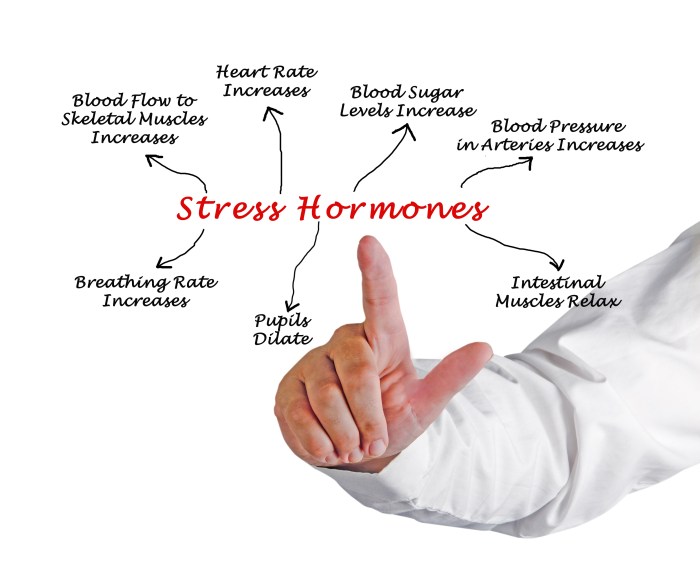
Stress management plays a crucial role in disease prevention and maintaining hormonal health. Chronic stress can have a significant impact on the immune system, making individuals more susceptible to various illnesses. By effectively managing stress, individuals can reduce their risk of developing diseases and improve their overall health and well-being.
Role of Stress Management in Disease Prevention and Hormonal Health, How to manage stress for hormone regulation
Stress not only affects mental health but also has a profound impact on physical health. When stress levels are high for prolonged periods, it can disrupt hormonal balance in the body, leading to a range of health issues. Hormones play a vital role in regulating various bodily functions, and any disruption can increase the risk of diseases.
By managing stress through various techniques such as mindfulness, meditation, exercise, and adequate sleep, individuals can support their hormonal health and reduce the likelihood of developing diseases.
Impact of Stress on the Immune System and Disease Susceptibility
Chronic stress weakens the immune system, making it harder for the body to fight off infections and illnesses. High levels of stress hormones, such as cortisol, can suppress immune function, leaving individuals more vulnerable to diseases. By reducing stress levels through relaxation techniques, healthy lifestyle choices, and seeking support when needed, individuals can strengthen their immune system and lower their risk of falling ill.
Preventive Measures for Disease Prevention Through Stress Reduction
- Practice stress-reducing activities like yoga, meditation, or deep breathing exercises.
- Maintain a healthy work-life balance to prevent excessive stress from work or personal life.
- Engage in regular physical activity to release endorphins and reduce stress levels.
- Prioritize self-care activities such as adequate sleep, healthy eating, and relaxation techniques.
- Seek social support from friends, family, or professionals to manage stress effectively.
Pain Management
Managing pain is crucial for overall well-being, and understanding the relationship between stress, pain, and hormone regulation is key in developing effective strategies for pain management.Stress can exacerbate pain perception in the body by triggering hormonal responses that heighten sensitivity to pain.
Chronic stress can lead to an imbalance in hormone levels, such as cortisol and adrenaline, which can increase inflammation and pain sensitivity.
Strategies for Managing Pain Through Stress Reduction Techniques
- Practice relaxation techniques such as deep breathing, meditation, or yoga to reduce stress levels and alleviate pain.
- Engage in regular physical activity to release endorphins, the body’s natural painkillers, and reduce stress.
- Ensure adequate sleep to promote healing and lower cortisol levels associated with increased pain.
- Seek social support and connect with others to reduce feelings of isolation and stress that can contribute to pain perception.
Impact of Stress on Pain Perception and Hormonal Responses
- Chronic stress can lead to the release of stress hormones like cortisol, which can increase inflammation and pain sensitivity throughout the body.
- Heightened stress levels can amplify the perception of pain, making it more challenging to manage and cope with daily activities.
- Stress can disrupt the body’s natural pain modulation system, leading to increased pain intensity and duration.
- Managing stress through relaxation techniques and lifestyle changes can help regulate hormone levels and reduce pain perception in the long run.
Holistic Treatments
Stress and hormonal imbalances can have a profound impact on overall health and well-being. Holistic treatments offer a comprehensive approach to addressing these issues by considering the interconnectedness of mind, body, and spirit.
Benefits of Holistic Treatments
Holistic treatments focus on treating the root cause of stress and hormonal imbalances, rather than just managing symptoms. By incorporating various natural therapies and lifestyle changes, holistic treatments can help restore balance to the body and promote overall health.
- Acupuncture: This ancient Chinese therapy involves the insertion of thin needles into specific points on the body to stimulate energy flow and promote healing. Acupuncture has been shown to reduce stress, improve hormonal balance, and enhance overall well-being.
- Yoga and Meditation: Practices like yoga and meditation can help reduce stress levels, calm the mind, and regulate hormone production. These mind-body techniques promote relaxation, mindfulness, and inner peace.
- Herbal Medicine: Herbal remedies and supplements can support the body’s natural healing processes and help regulate hormone levels. Adaptogenic herbs like ashwagandha and rhodiola are known for their stress-relieving and hormone-balancing properties.
- Massage Therapy: Massage therapy can help release tension, improve circulation, and promote relaxation. Regular massages can reduce stress hormones like cortisol and increase feel-good hormones like serotonin and dopamine.
Holistic Approach to Healing
Holistic healing considers the interconnectedness of stress, hormones, and overall health. By addressing the underlying causes of stress and hormonal imbalances through a combination of therapies, lifestyle changes, and mindset shifts, holistic treatments aim to restore balance and harmony to the body, mind, and spirit.
Mental Resilience
Mental resilience refers to the ability to adapt well in the face of adversity, trauma, or significant stress. It involves the capacity to bounce back from difficult experiences and challenges, maintaining a sense of control and purpose in life. When it comes to managing stress for hormone regulation, mental resilience plays a crucial role in helping individuals cope with the impact of stress on their hormonal balance.
Building Mental Resilience Strategies
Developing mental resilience can significantly help in coping with stress-induced hormonal changes. Here are some strategies to build mental resilience:
- Practice mindfulness and meditation to stay present and manage stress effectively.
- Engage in regular physical activity to boost mood and reduce stress levels.
- Cultivate a strong support system by connecting with friends, family, or a therapist.
- Set realistic goals and take steps towards achieving them to build confidence and resilience.
- Learn to adapt to change and view challenges as opportunities for growth and learning.
Importance of Cultivating a Resilient Mindset
Cultivating a resilient mindset is essential for maintaining emotional well-being and hormonal balance. Resilience enables individuals to navigate stressors effectively, preventing the negative impact of stress on hormones and overall health.
Ultimate Conclusion
By exploring the intricate connection between stress management and hormone regulation, you pave the way for a harmonious lifestyle where balance is key. Embrace these practices to lead a more fulfilling and healthier life.
Top FAQs
How can wellness programs help in managing stress for hormone regulation?
Wellness programs offer techniques and tools to cope with stress effectively, which in turn helps in regulating hormones for better overall health.
What are some herbal remedies known for their stress-relieving properties?
Herbs like ashwagandha and chamomile are popular choices for reducing stress levels and promoting hormone balance.
How does stress affect joint flexibility and hormone regulation?
Stress can lead to tension in muscles and joints, impacting flexibility and hormone balance. Regular exercise and stress management techniques can help alleviate these issues.