Benefits of global vaccination initiatives set the stage for this enthralling narrative, offering readers a glimpse into a story that is rich in detail and brimming with originality from the outset. Global vaccination programs play a crucial role in preventing diseases and improving public health on a worldwide scale.
Benefits of global vaccination initiatives
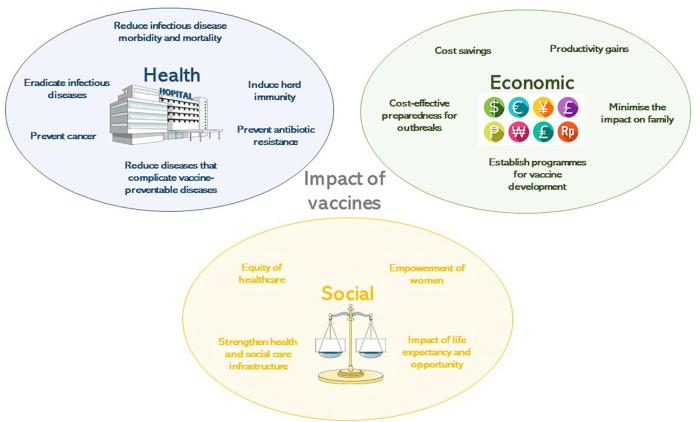
Global vaccination initiatives play a crucial role in disease prevention by creating immunity against various infectious diseases. These programs have a significant impact on public health worldwide, reducing the spread of illnesses and saving lives. Let’s delve into the effectiveness of vaccination campaigns in different regions and explore successful examples.
Contribution to Disease Prevention
Vaccination initiatives help prevent the spread of diseases by building immunity within populations. By administering vaccines, individuals develop protection against specific pathogens, reducing the likelihood of infection and transmission. This not only safeguards vaccinated individuals but also creates herd immunity, protecting vulnerable populations who cannot be vaccinated.
Impact on Public Health
Vaccination programs have a profound impact on public health by reducing the burden of infectious diseases. Through widespread immunization efforts, the incidence of diseases such as measles, polio, and influenza has significantly decreased, leading to lower mortality rates and improved overall health outcomes.
These initiatives also contribute to the containment of outbreaks and epidemics, preventing the escalation of health crises.
Regional Effectiveness of Vaccination Initiatives
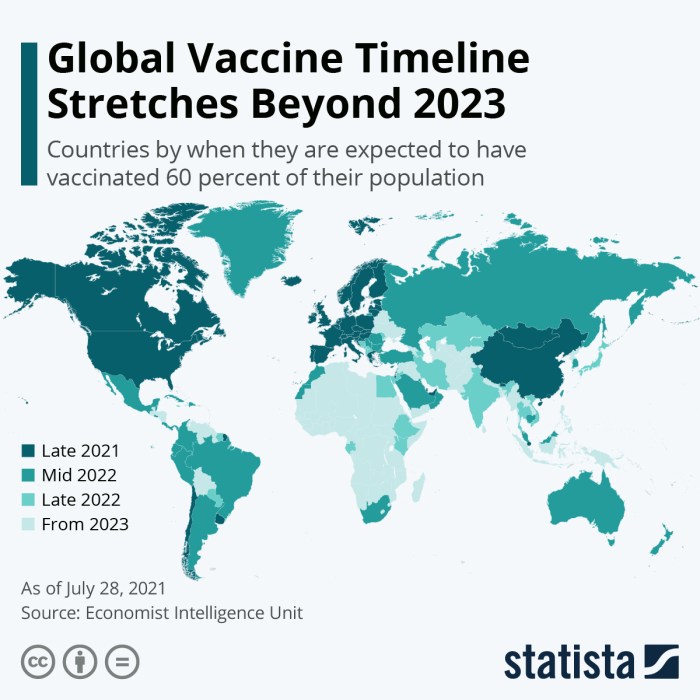
The effectiveness of vaccination initiatives varies across regions based on factors such as healthcare infrastructure, access to vaccines, and public awareness. While some regions have successfully implemented comprehensive vaccination programs that have eradicated diseases like smallpox, others continue to face challenges in reaching underserved populations.
Targeted interventions and collaborations between governments, healthcare providers, and international organizations are essential to improving vaccination coverage and efficacy globally.
Examples of Successful Global Vaccination Campaigns
Several global vaccination campaigns have achieved remarkable success in combatting infectious diseases. The eradication of smallpox through widespread vaccination efforts stands as a monumental achievement in public health history. Additionally, initiatives like the Global Polio Eradication Initiative have made significant progress in reducing polio cases worldwide through coordinated vaccination campaigns.
These success stories highlight the importance of sustained immunization efforts in safeguarding global health.
Wellness Programs
Wellness programs are comprehensive initiatives designed to promote overall health and well-being among individuals. These programs typically encompass various aspects of physical, mental, and emotional wellness to help individuals achieve a balanced and healthy lifestyle.
Components of a Well-Rounded Wellness Program
- Physical Fitness: Including exercise routines, fitness challenges, and access to gym facilities.
- Nutritional Support: Providing healthy meal options, nutrition counseling, and cooking classes.
- Mental Health Services: Offering stress management techniques, mindfulness sessions, and access to therapy.
- Emotional Well-being: Organizing workshops on emotional intelligence, resilience training, and support groups.
- Health Education: Conducting seminars on various health topics, preventive care, and lifestyle modifications.
Importance of Mental Resilience in Wellness Programs
Mental resilience plays a crucial role in wellness programs as it enables individuals to cope with stress, adversity, and challenges effectively. By fostering mental resilience, wellness programs empower individuals to overcome obstacles, maintain a positive outlook, and enhance their overall well-being.
Role of Health Coaching in Promoting Wellness
Health coaching involves personalized guidance and support to help individuals set and achieve health-related goals. Health coaches provide motivation, accountability, and practical strategies to promote behavior change and improve overall wellness. Their guidance can significantly impact individuals’ health outcomes and lifestyle choices.
Examples of Successful Corporate Wellness Programs
- Google: Offers on-site fitness centers, healthy meal options, mental health resources, and mindfulness programs to support employee well-being.
- Johnson & Johnson: Implements a comprehensive wellness program that focuses on physical activity, nutrition, stress management, and preventive care for employees.
- Zappos: Prioritizes employee wellness through initiatives like fitness challenges, mental health workshops, and community engagement activities.
Herbal Remedies
Herbal remedies have been used for centuries as natural alternatives to traditional medicine. Incorporating these remedies into healthcare routines can provide various benefits for overall wellness.
Benefits of Herbal Remedies
- Herbal remedies are often more affordable and accessible compared to pharmaceutical drugs, making them a cost-effective option for healthcare.
- Many herbal remedies have fewer side effects and are gentler on the body, reducing the risk of adverse reactions.
- Some herbs contain powerful antioxidants and anti-inflammatory properties that can boost the immune system and promote healing.
Popular Herbal Remedies for Common Ailments
Here are some popular herbal remedies used for common ailments:
- Chamomile: Known for its calming properties, chamomile tea can help with anxiety, insomnia, and digestion issues.
- Echinacea: Often used to boost the immune system and reduce the severity and duration of colds and flu.
- Ginger: Effective in treating nausea, indigestion, and inflammation in conditions like arthritis.
Consulting Healthcare Professionals
It is essential to consult healthcare professionals before incorporating herbal remedies into your routine. They can provide guidance on dosage, potential interactions with medications, and ensure the safety and efficacy of the herbs.
Traditional Practices in Different Cultures
Various cultures have long-standing traditions of using herbal remedies for healing and wellness. For example, Traditional Chinese Medicine incorporates herbs like ginseng and goji berries, while Ayurveda in India utilizes turmeric and ashwagandha for various health benefits.
Skin Health
Vaccination initiatives can have a significant impact on skin health by helping to prevent infectious diseases that can affect the skin, such as chickenpox, measles, and HPV. These vaccines can reduce the risk of developing skin conditions and infections, ultimately contributing to overall skin health.
Role of Diet Planning in Skin Health
Proper diet planning plays a crucial role in maintaining healthy skin. Consuming a balanced diet rich in fruits, vegetables, whole grains, and lean proteins can provide essential nutrients that support skin health. Antioxidants found in foods like berries and leafy greens can help protect the skin from damage caused by free radicals, while omega-3 fatty acids in fish can help maintain skin elasticity.
Health Supplements for Skin Health
In addition to a healthy diet, health supplements can also promote skin health. Supplements like vitamin C, vitamin E, and collagen can help improve skin texture, hydration, and overall appearance. It is important to consult with a healthcare provider before adding any supplements to your routine to ensure they are safe and effective for your skin.
Tips for Maintaining Healthy Skin Through Lifestyle Choices
- Stay hydrated by drinking plenty of water throughout the day to keep your skin hydrated and healthy.
- Protect your skin from harmful UV rays by wearing sunscreen daily and avoiding prolonged sun exposure.
- Practice good skincare habits by cleansing, moisturizing, and exfoliating regularly to keep your skin clear and free from impurities.
Bone Density
Regular vaccinations play a crucial role in maintaining bone density by promoting overall health and well-being. In addition to vaccination initiatives, there are other factors that contribute to bone health, such as balanced hormones, exercise, and proper nutrition.
Balanced Hormones for Bone Health
Balanced hormones are essential for maintaining optimal bone density. Hormones like estrogen, testosterone, and growth hormone play a key role in bone growth and remodeling. Any hormonal imbalances can lead to bone loss and increased risk of fractures.
- Ensure regular check-ups with healthcare providers to monitor hormone levels
- Discuss hormone replacement therapy options with a healthcare professional if needed
- Engage in regular exercise to help regulate hormone levels naturally
Exercises and Fitness Goals for Improving Bone Density
Exercise is crucial for building and maintaining strong bones. Weight-bearing exercises, resistance training, and impact activities are all beneficial for improving bone density and reducing the risk of osteoporosis.
- Include activities like walking, jogging, dancing, and weightlifting in your fitness routine
- Set specific fitness goals to track your progress and stay motivated
- Consult a fitness trainer or healthcare provider for personalized exercise recommendations
Dietary Recommendations for Healthy Bones
A well-balanced diet rich in essential nutrients is important for promoting healthy bones. Calcium, vitamin D, magnesium, and other micronutrients play a vital role in bone health and density.
- Include dairy products, leafy greens, nuts, seeds, and fortified foods in your diet
- Consider taking supplements if you have difficulty meeting your nutrient needs through diet alone
- Avoid excessive consumption of alcohol, caffeine, and processed foods that can negatively impact bone health
Muscle Mass
Vaccination programs play a crucial role in promoting overall health, including muscle health. Maintaining muscle mass is essential for overall strength and mobility, and vaccines can help prevent illnesses that may impact muscle function.Protein intake is vital for building and maintaining muscle mass.
Proteins are the building blocks of muscles, and a diet rich in protein can support muscle growth and repair. Including sources of lean protein such as poultry, fish, tofu, and legumes in your meals can help you meet your muscle-building goals.
Role of Exercise
Regular exercise is key to building and maintaining muscle mass. Strength training exercises, such as weight lifting or bodyweight exercises, can help increase muscle mass and strength. It is important to incorporate a variety of exercises that target different muscle groups to promote overall muscle development.
- Weight lifting: Lifting weights or using resistance bands can help build muscle mass and increase strength.
- Bodyweight exercises: Push-ups, squats, and lunges are effective bodyweight exercises that can help strengthen muscles.
- Cardiovascular exercise: Including cardio workouts like running or cycling can help improve overall fitness and support muscle health.
Dental Care: Benefits Of Global Vaccination Initiatives
Global vaccination initiatives play a crucial role in impacting dental health by reducing the spread of infectious diseases that can affect oral health. Vaccinations can help prevent conditions like measles and mumps, which can have detrimental effects on teeth and gums if left untreated.
Importance of Regular Dental Check-ups
Regular dental check-ups are essential for maintaining overall health as oral health is closely linked to the health of the rest of the body. Dentists can detect early signs of dental issues such as cavities, gum disease, and oral cancer, preventing them from progressing and causing more serious health problems.
- Regular dental cleanings can help remove plaque and tartar buildup, preventing tooth decay and gum disease.
- Early detection of oral health issues can lead to timely treatment and prevention of complications.
- Dental check-ups also involve oral cancer screenings, which can help in early diagnosis and treatment.
Maintaining Good Oral Hygiene
Maintaining good oral hygiene is essential for preventing dental problems and promoting overall health. Proper oral hygiene practices include brushing teeth twice a day, flossing daily, using mouthwash, and visiting the dentist regularly.
- Brushing teeth with fluoride toothpaste helps remove plaque and bacteria, preventing cavities and gum disease.
- Flossing helps clean between teeth where toothbrushes cannot reach, preventing plaque buildup and gum inflammation.
- Using mouthwash can help kill bacteria in the mouth, reducing the risk of bad breath and gum disease.
Role of Proper Nutrition in Dental Care
Proper nutrition plays a significant role in maintaining good dental health. A balanced diet rich in nutrients like calcium, vitamin C, and phosphorus can help strengthen teeth, gums, and bones, reducing the risk of dental problems.
- Calcium-rich foods like dairy products and leafy greens help strengthen teeth and bones.
- Vitamin C-rich foods like citrus fruits and bell peppers promote healthy gums and prevent gum disease.
- Phosphorus-rich foods like fish, eggs, and nuts help rebuild and protect tooth enamel.
Eye Health
Vaccination programs play a crucial role in promoting eye health by preventing infectious diseases that can lead to vision problems. By reducing the spread of illnesses such as measles, rubella, and influenza, vaccinations help protect the eyes from potential complications.
Common Eye Conditions and Prevention
- Conjunctivitis: Also known as pink eye, this inflammation of the eye can be caused by viruses or bacteria. Vaccinations against common respiratory infections can help prevent the spread of these pathogens to the eyes.
- Corneal Ulcers: These painful sores on the cornea can be caused by infections such as herpes simplex virus. Vaccinations against herpes zoster can reduce the risk of developing this condition.
- Glaucoma: While not directly preventable through vaccinations, maintaining overall health and regular eye check-ups can help detect and manage this condition early.
Importance of Eye Health Screenings
Regular eye health screenings are essential for detecting vision problems early and preventing irreversible damage. These screenings can help identify conditions like cataracts, macular degeneration, and diabetic retinopathy before they progress to a more severe stage.
Tips for Maintaining Good Eyesight
- Eat a healthy diet rich in antioxidants and vitamins, such as leafy greens, carrots, and citrus fruits.
- Protect your eyes from UV radiation by wearing sunglasses outdoors.
- Follow the 20-20-20 rule: Every 20 minutes, look at something 20 feet away for at least 20 seconds to reduce eye strain from screen time.
- Avoid smoking, as it can increase the risk of developing age-related macular degeneration and cataracts.
Mental Clarity
Vaccination initiatives play a significant role in contributing to mental clarity by ensuring overall health and well-being. When the body is protected against diseases, the mind can function at its best, allowing for improved focus and cognitive abilities.
Impact of Mindfulness Practices
Practicing mindfulness can greatly enhance mental clarity by helping individuals become more aware of their thoughts and emotions. Mindfulness techniques, such as meditation and yoga, promote relaxation and reduce stress levels, leading to clearer thinking and improved mental focus.
Breathing Techniques for Improving Mental Focus
One effective way to improve mental focus is through deep breathing exercises. By taking slow, deep breaths, individuals can calm the mind, reduce anxiety, and enhance concentration. Simple techniques like diaphragmatic breathing or box breathing can be practiced anytime to boost mental clarity.
Holistic Treatments for Enhancing Mental Clarity
Holistic treatments, such as acupuncture, aromatherapy, and herbal supplements, can also help improve mental clarity. Acupuncture stimulates specific points in the body to promote energy flow and mental balance. Aromatherapy uses essential oils to enhance mood and cognitive function, while herbal supplements like ginkgo biloba can support brain health and clarity.
Joint Flexibility
Maintaining joint flexibility is crucial for overall mobility and quality of life. Vaccination programs play a role in supporting joint health by reducing the risk of conditions that can affect mobility, such as arthritis.
Role of Exercise in Joint Health
Regular physical activity, including exercises that focus on flexibility, can help improve joint health. Activities like yoga, Pilates, and stretching routines can enhance range of motion and reduce stiffness in the joints.
Tips for Improving Joint Flexibility
- Include a variety of stretching exercises in your daily routine, focusing on different muscle groups.
- Warm up before stretching to prevent injury and increase effectiveness.
- Listen to your body and avoid overstretching, especially if you have existing joint issues.
- Consider low-impact exercises like swimming or cycling to improve joint flexibility without putting too much strain on the joints.
Importance of Joint Health Screenings
Regular screenings and check-ups can help identify any potential issues with joint health early on. This can lead to timely interventions and treatments to prevent further damage and maintain joint flexibility in the long run.
Digestive Health
Global vaccination initiatives play a crucial role in promoting digestive health by reducing the risk of infectious diseases that can affect the gastrointestinal system. By preventing illnesses such as rotavirus and hepatitis, vaccinations help maintain the overall well-being of the digestive system.
Importance of a Balanced Diet
A balanced diet is essential for promoting digestive health as it provides the necessary nutrients for the proper functioning of the gastrointestinal tract. Foods rich in fiber, vitamins, and minerals support digestive processes and help maintain a healthy gut microbiome.
Tips for Maintaining a Healthy Gut Microbiome
- Avoiding processed foods and consuming a variety of fruits, vegetables, and whole grains can help promote a diverse gut microbiome.
- Including fermented foods like yogurt, kefir, and kimchi in your diet can introduce beneficial bacteria to support gut health.
- Staying hydrated and reducing stress levels are also important factors in maintaining a healthy gut microbiome.
Role of Probiotics
Probiotics are live bacteria and yeasts that are beneficial for digestive health. They help restore the natural balance of gut bacteria and support proper digestion and nutrient absorption.
- Probiotic supplements can be taken to increase the population of beneficial bacteria in the gut.
- Fermented foods like sauerkraut, miso, and kombucha are natural sources of probiotics that can be incorporated into the diet.
Detox Process
The body’s detox process is essential for eliminating toxins and waste that can accumulate and negatively impact our health. Global vaccination initiatives play a crucial role in supporting the body’s detoxification process by helping to prevent infectious diseases that can burden our immune system and overall health.Detoxification is vital for overall health as it helps to boost the immune system, improve digestion, promote weight loss, increase energy levels, and enhance mental clarity.
By eliminating toxins, our organs can function more efficiently, leading to better overall well-being.
Natural Ways to Support Detox Mechanisms
- Stay hydrated: Drinking plenty of water helps flush out toxins from the body.
- Eat a balanced diet: Include plenty of fruits, vegetables, and whole grains to provide essential nutrients for detoxification.
- Exercise regularly: Physical activity can help sweat out toxins and improve circulation.
- Get enough sleep: Adequate rest allows the body to repair and detoxify during the night.
Detox Diets and Impact on Health
Detox diets typically involve eliminating processed foods, sugar, alcohol, and caffeine while emphasizing whole foods, fruits, vegetables, and lean proteins.
- The impact of detox diets on health can include weight loss, improved digestion, clearer skin, increased energy levels, and reduced inflammation.
- However, it is essential to consult with a healthcare provider before starting any detox program to ensure it is safe and appropriate for your individual needs.
Blood Pressure
Global vaccination initiatives play a crucial role in managing blood pressure levels and promoting overall cardiovascular health.
Relationship between Vaccination Initiatives and Blood Pressure Management
Vaccination initiatives help prevent infectious diseases that can lead to complications affecting the heart and blood vessels, ultimately contributing to high blood pressure.
Impact of Stress on Blood Pressure Levels
- Chronic stress can elevate blood pressure levels and increase the risk of developing hypertension.
- Stress management techniques such as mindfulness, exercise, and relaxation can help lower blood pressure.
Lifestyle Changes for Healthy Blood Pressure
- Adopting a balanced diet rich in fruits, vegetables, whole grains, and lean proteins can support healthy blood pressure levels.
- Regular physical activity and maintaining a healthy weight are essential for managing blood pressure effectively.
- Limiting salt intake, avoiding tobacco use, and moderating alcohol consumption can also contribute to maintaining healthy blood pressure.
Role of Regular Health Screenings in Monitoring Blood Pressure
Regular health screenings, including blood pressure measurements, are vital for early detection and management of hypertension.
Heart Rate
Global vaccination initiatives play a crucial role in influencing heart rate by contributing to overall health and wellness. Maintaining a healthy heart rate is essential for cardiovascular health and overall well-being. Let’s explore the significance of cardiovascular health in regulating heart rate and some exercises and tips to help monitor it effectively.
Importance of Cardiovascular Health
Cardiovascular health is vital for regulating heart rate, as it affects the efficiency of the heart in pumping blood throughout the body. A strong and healthy cardiovascular system can help maintain a steady heart rate and reduce the risk of heart-related issues.
Exercises to Regulate Heart Rate
- Aerobic exercises such as running, swimming, or cycling can help improve cardiovascular health and regulate heart rate.
- High-intensity interval training (HIIT) workouts can also be beneficial in strengthening the heart and improving its efficiency.
- Yoga and meditation practices can help reduce stress levels, which in turn can positively impact heart rate regulation.
Tips for Monitoring Heart Rate
- Use a heart rate monitor during physical activities to track your heart rate and ensure you are staying within a healthy range.
- Check your resting heart rate regularly to monitor improvements or notice any irregularities.
- Stay hydrated, maintain a balanced diet, and get an adequate amount of sleep to support overall cardiovascular health.
Health Screenings
Regular health screenings play a crucial role in preventive healthcare by detecting potential health issues before they become serious problems. These screenings help individuals and healthcare providers identify risk factors, monitor overall health, and take necessary actions to maintain well-being.
Significance of Health Screenings
Health screenings are essential for early detection of diseases and conditions, allowing for timely intervention and treatment. By participating in screenings such as blood pressure checks, cholesterol tests, and cancer screenings, individuals can proactively manage their health and reduce the risk of developing severe illnesses.
Role of Vaccination Programs in Promoting Health Screenings, Benefits of global vaccination initiatives
Vaccination programs not only protect individuals from infectious diseases but also encourage regular health check-ups and screenings. Through vaccination initiatives, healthcare providers can educate the public about the importance of preventive care and prompt individuals to schedule routine screenings to monitor their health status.
Common Health Screenings and Their Importance
- 1. Blood Pressure Monitoring: Regular blood pressure checks help in detecting hypertension early, reducing the risk of heart disease and stroke.
- 2. Cholesterol Screening: Monitoring cholesterol levels can identify potential cardiovascular issues and guide lifestyle changes or medical interventions.
- 3. Cancer Screenings (e.g., mammograms, colonoscopies): Early detection of cancer through screenings can lead to more effective treatment and improved outcomes.
- 4. Diabetes Testing: Screening for diabetes helps in managing blood sugar levels and preventing complications associated with the disease.
Contribution of Health Screenings to Early Disease Detection
Health screenings contribute significantly to early disease detection by identifying abnormalities or risk factors at the initial stages. This early detection allows healthcare providers to intervene promptly, provide appropriate treatment, and improve the chances of successful outcomes for patients. Regular screenings can help individuals stay proactive about their health and address potential health concerns before they progress into serious conditions.
Healthy Habits
Maintaining healthy habits is crucial for overall well-being as it plays a significant role in preventing various diseases, improving mental health, and enhancing quality of life. By cultivating healthy habits, individuals can boost their immune system, increase energy levels, and promote longevity.
Examples of Daily Routines for Healthy Habits
- Start the day with a nutritious breakfast to kickstart metabolism.
- Incorporate physical activity into your daily routine, such as walking or yoga.
- Stay hydrated by drinking plenty of water throughout the day.
- Eat a balanced diet rich in fruits, vegetables, whole grains, and lean proteins.
Tips for Busy Lifestyles
- Plan and prepare healthy meals in advance to avoid relying on fast food options.
- Schedule short workout sessions or active breaks during the day to stay active.
- Prioritize sleep and establish a bedtime routine for better rest and recovery.
- Incorporate mindfulness practices such as meditation or deep breathing exercises to reduce stress.
Long-Term Benefits of Healthy Habits
- Reduce the risk of chronic diseases like heart disease, diabetes, and obesity.
- Improve cognitive function and mental clarity for better focus and productivity.
- Enhance overall mood and emotional well-being by maintaining a healthy lifestyle.
- Increase longevity and quality of life by prioritizing health and wellness habits.
Balanced Hormones
The role of vaccination programs goes beyond just preventing infectious diseases. These initiatives also play a crucial role in promoting balanced hormones by supporting overall health and immune function.
Impact of Hormone Imbalance on Overall Health
Hormone imbalance can have a significant impact on overall health, leading to a variety of symptoms such as fatigue, weight gain, mood swings, and reproductive issues. It can also increase the risk of developing conditions like diabetes, thyroid disorders, and even certain types of cancer.
- Imbalanced hormones can disrupt the body’s natural processes, affecting metabolism, sleep patterns, and emotional well-being.
- Women may experience irregular periods, hot flashes, and infertility due to hormonal fluctuations.
- Men may face issues like erectile dysfunction, decreased libido, and muscle loss as a result of hormone imbalances.
Natural Ways to Support Hormone Balance
Maintaining hormone balance can be achieved through various natural methods, including regular exercise, stress management, adequate sleep, and a healthy diet rich in essential nutrients.
- Regular physical activity helps regulate hormone levels and promote overall well-being.
- Practicing mindfulness techniques like yoga or meditation can reduce stress and cortisol levels, supporting hormone balance.
- Adequate sleep is crucial for hormone production and regulation, so aim for 7-9 hours of quality sleep each night.
Hormone-Balancing Foods and Supplements
Certain foods and supplements can also help support hormone balance by providing essential nutrients and compounds that aid in hormonal regulation.
- Foods rich in omega-3 fatty acids, such as salmon and chia seeds, can help reduce inflammation and support hormone production.
- Leafy green vegetables like spinach and kale are high in vitamins and minerals that are important for hormone synthesis.
- Herbal supplements like maca root and ashwagandha have been shown to help balance hormones and improve overall well-being.
Health Coaching
Health coaching plays a crucial role in helping individuals achieve their wellness goals by providing personalized guidance and support throughout their health journey.
Benefits of Health Coaching
- Health coaches offer personalized guidance tailored to individual needs and goals.
- They provide accountability and motivation to help individuals stay on track with their health goals.
- Health coaches can help individuals make sustainable lifestyle changes for long-term health and wellness.
- They offer support in managing chronic conditions and improving overall health outcomes.
Role of a Health Coach
- A health coach works closely with individuals to create personalized healthcare plans based on their unique needs and preferences.
- They provide guidance on nutrition, exercise, stress management, and other lifestyle factors that impact health and well-being.
- Health coaches offer emotional support and motivation to help individuals overcome challenges and obstacles in their health journey.
- They collaborate with other healthcare professionals to ensure holistic and comprehensive care for their clients.
Success Stories
- Emily, a client of a health coach, successfully lost 30 pounds and improved her energy levels through personalized nutrition and lifestyle changes.
- John, who struggled with managing his diabetes, saw significant improvements in his blood sugar levels and overall health with the help of a health coach.
- Sarah, a busy professional, learned to prioritize self-care and stress management with the support of her health coach, leading to better work-life balance and overall well-being.
Finding a Qualified Health Coach
- Look for health coaches with relevant certifications and credentials, such as National Board Certification or training from reputable coaching programs.
- Consider the coach’s experience, expertise, and specialization in areas that align with your health goals and needs.
- Seek recommendations from healthcare providers, friends, or online reviews to find a reputable and trustworthy health coach.
- Schedule an initial consultation with potential health coaches to discuss your goals, expectations, and see if their approach resonates with you.
Fitness Goals
Setting and achieving fitness goals is crucial for maintaining overall health and well-being. These goals provide direction, motivation, and a sense of accomplishment as you work towards improving your physical fitness.Vaccination initiatives play a significant role in supporting fitness goals by protecting individuals from preventable diseases.
By staying healthy and free from illnesses, individuals are better able to engage in physical activities and pursue their fitness aspirations.
Examples of Fitness Goals for Different Age Groups
- Young Adults (18-30): Setting goals like running a 5k race, increasing muscle mass through strength training, or practicing yoga for flexibility.
- Adults (30-50): Goals could include maintaining a healthy weight, improving cardiovascular endurance through regular cardio exercises, or participating in group fitness classes.
- Seniors (50+): Fitness goals may focus on improving balance and flexibility through activities like tai chi or yoga, maintaining muscle mass through resistance training, or engaging in low-impact exercises to support joint health.
Tips for Creating Realistic and Sustainable Fitness Goals
- Set Specific Goals: Be clear about what you want to achieve, whether it’s running a certain distance, lifting a particular weight, or improving flexibility.
- Make Them Measurable: Include metrics like time, distance, weight, or repetitions to track your progress and stay motivated.
- Be Realistic: Set goals that are challenging yet attainable based on your current fitness level and lifestyle.
- Establish a Timeline: Determine a reasonable timeframe for reaching your goals to stay focused and accountable.
- Celebrate Milestones: Acknowledge and celebrate small achievements along the way to stay motivated and committed to your fitness journey.
Diet Planning
Maintaining overall health is crucial for a balanced lifestyle, and diet planning plays a significant role in achieving this goal. The food we consume directly impacts our energy levels, immunity, weight management, and overall well-being. By making mindful choices about what we eat, we can support our bodies in functioning optimally and prevent various health issues.
Impact of Vaccinations on Dietary Choices
Vaccinations can have a positive impact on our dietary choices by boosting our immune system and reducing the likelihood of falling ill. When we are healthy and free from infections, we are more likely to engage in healthier eating habits.
Vaccinations protect us from diseases that could otherwise affect our appetite, digestion, and overall nutritional intake.
Tips for Meal Prepping and Healthy Eating Habits
- Plan your meals in advance to ensure you have nutritious options readily available.
- Include a variety of fruits, vegetables, whole grains, lean proteins, and healthy fats in your diet.
- Avoid processed foods high in sugar, salt, and unhealthy fats.
- Stay hydrated by drinking an adequate amount of water throughout the day.
- Practice portion control to prevent overeating and maintain a healthy weight.
Examples of Balanced Meal Plans for Different Dietary Needs
| Meal Plan | Description |
|---|---|
| Vegetarian | A meal plan rich in plant-based foods like fruits, vegetables, legumes, nuts, and seeds. |
| Keto | A low-carb, high-fat meal plan designed to promote weight loss and improve metabolic health. |
| Gluten-Free | A meal plan free from gluten-containing grains like wheat, barley, and rye, suitable for individuals with gluten sensitivity or celiac disease. |
| Paleo | A meal plan inspired by the diet of our ancestors, focusing on whole foods like lean meats, fish, fruits, and vegetables. |
Health Supplements
Taking health supplements can play a crucial role in supporting overall wellness by providing essential nutrients that may be lacking in our diets. These supplements can help fill the gaps and ensure our bodies are functioning optimally. It is important to choose high-quality supplements that are safe and effective to reap the full benefits.
Benefits of Health Supplements
- Supporting immune function and boosting immunity
- Improving energy levels and reducing fatigue
- Enhancing cognitive function and mental clarity
- Promoting healthy skin, hair, and nails
- Supporting bone health and preventing osteoporosis
Choosing Quality Supplements
- Look for supplements that have been tested by third-party organizations for quality and purity
- Check for certifications and seals of approval from reputable sources
- Avoid supplements with unnecessary additives or fillers
- Consult with a healthcare provider before starting any new supplements
Essential Health Supplements
-
Vitamin D:
Important for bone health, immune function, and overall well-being
-
Omega-3 fatty acids:
Essential for heart health, brain function, and reducing inflammation
-
Probiotics:
Supports gut health, digestion, and immune system
-
Magnesium:
Helps with muscle function, nerve function, and energy production
Incorporating Supplements into Your Diet
- Take supplements with meals to enhance absorption
- Follow recommended dosage instructions provided on the supplement packaging
- Consider consulting a nutritionist or dietitian for personalized supplement recommendations
- Keep track of your supplement intake to ensure you are not exceeding safe limits
Breathing Techniques
Breathing techniques play a crucial role in maintaining overall health and well-being. Proper breathing can help reduce stress, improve focus, and enhance respiratory function.
Significance of Breathing Techniques
Practicing deep breathing exercises can help increase oxygen flow to the brain and other organs, promoting relaxation and reducing anxiety. By incorporating breathing techniques into your daily routine, you can improve your lung capacity and overall respiratory health.
Connection to Vaccination Programs
Global vaccination initiatives not only protect individuals from infectious diseases but also contribute to better respiratory health on a larger scale. By preventing the spread of respiratory illnesses, vaccination programs indirectly support the importance of maintaining healthy lungs through breathing exercises.
Breathing Exercises for Relaxation
- Diaphragmatic Breathing: Inhale deeply through your nose, allowing your diaphragm to expand, then exhale slowly through your mouth.
- 4-7-8 Technique: Inhale for a count of 4, hold your breath for a count of 7, and exhale for a count of 8.
- Nadi Shodhana (Alternate Nostril Breathing): Close one nostril with your thumb, inhale through the other nostril, then switch and exhale through the opposite nostril.
Tips for Improving Lung Capacity
- Practice Breathing Exercises Daily: Set aside time each day to focus on deep breathing techniques to strengthen your lungs.
- Stay Active: Regular exercise can help improve lung function and capacity over time.
- Avoid Smoking: Smoking can damage your lungs and hinder their ability to function properly.
Disease Prevention
Vaccinations play a crucial role in preventing the spread of diseases and protecting individuals and communities from potential outbreaks. By building immunity against specific pathogens, global vaccination initiatives have been instrumental in reducing the prevalence of various infectious diseases worldwide.
Role of Vaccinations in Disease Prevention
- Vaccinations contribute to herd immunity, where a significant portion of the population is immunized, reducing the overall spread of diseases.
- By vaccinating individuals, especially children, against diseases like measles, polio, and influenza, the likelihood of outbreaks is significantly decreased.
- Global vaccination efforts have helped eradicate diseases like smallpox and nearly eliminate others such as polio, showcasing the effectiveness of widespread immunization.
Importance of Vaccination Schedules
- Following recommended vaccination schedules is crucial for maintaining immunity and preventing the resurgence of diseases.
- Timely vaccinations ensure that individuals are protected at the right stages of life when they are most vulnerable to certain infections.
- Regular booster shots and updated vaccinations help reinforce immunity and provide long-term protection against evolving pathogens.
Pain Management
Vaccination initiatives play a crucial role in pain management by preventing diseases that can lead to chronic pain. Additionally, holistic treatments and lifestyle changes can also contribute significantly to relieving pain and improving overall well-being.
Impact of Vaccination Initiatives
Vaccination initiatives not only help prevent infectious diseases but also indirectly impact pain management. By reducing the risk of illnesses that can cause chronic pain, such as shingles or arthritis, vaccinations contribute to overall pain prevention and management.
Role of Holistic Treatments
Holistic treatments, including acupuncture, massage therapy, and meditation, can be effective in managing pain. These approaches focus on treating the whole person, addressing physical, emotional, and mental aspects to provide relief and promote healing without relying solely on medication.
Lifestyle Changes for Chronic Pain
Making lifestyle changes can significantly improve chronic pain management. Regular exercise, maintaining a healthy weight, practicing good posture, getting enough sleep, and managing stress are essential factors that can help reduce pain intensity and frequency.
Alternative Therapies for Pain Management
Alternative therapies such as chiropractic care, herbal remedies, aromatherapy, and yoga can provide natural and holistic options for pain relief. These approaches target pain at its source and can complement traditional medical treatments for a comprehensive pain management plan.
Holistic Treatments
Holistic treatments focus on treating the whole person, including physical, mental, emotional, and spiritual aspects, to promote overall health and well-being. These approaches consider the interconnectedness of all aspects of an individual’s health.
Benefits of Holistic Treatments
- Emphasis on prevention: Holistic treatments often focus on preventing health issues by addressing root causes rather than just symptoms.
- Customized approach: Practitioners tailor treatments to each individual’s unique needs, taking into account lifestyle, diet, and emotional well-being.
- Reduced side effects: Many holistic treatments use natural methods and therapies, reducing the risk of harmful side effects often associated with conventional medicines.
- Improved overall well-being: By addressing all aspects of health, holistic treatments aim to improve not just physical symptoms but also mental and emotional well-being.
Integration with Conventional Medicine
Holistic treatments can complement conventional medical care, providing additional support and addressing aspects of health that may not be covered by traditional treatments. Integrative medicine combines the best of both worlds, offering a comprehensive approach to health care.
Examples of Holistic Treatments
| Condition | Holistic Treatment |
|---|---|
| Anxiety | Yoga, meditation, acupuncture |
| Chronic pain | Chiropractic care, massage therapy, herbal remedies |
| Insomnia | Aromatherapy, relaxation techniques, mindfulness practices |
Finding Reputable Holistic Practitioners
- Research credentials: Look for practitioners with proper training and certification in holistic therapies.
- Ask for recommendations: Seek referrals from trusted sources or healthcare professionals.
- Check reviews: Read reviews and testimonials from other patients to gauge the practitioner’s reputation.
- Consult with the practitioner: Schedule an initial consultation to discuss your needs and ensure you feel comfortable with their approach.
Mental Resilience
Maintaining mental resilience is crucial for overall well-being as it allows individuals to effectively cope with stress, adversity, and challenges that may come their way. It involves the ability to bounce back from setbacks, adapt to change, and remain focused and optimistic in difficult situations.
Importance of Mental Resilience in Maintaining Well-being
Building mental resilience is essential for managing daily stressors, maintaining emotional balance, and promoting mental health. It helps individuals to navigate through life’s ups and downs with a positive outlook, reducing the risk of developing anxiety, depression, or other mental health issues.
- Resilient individuals are better equipped to handle pressure, setbacks, and uncertainties effectively.
- They are more likely to seek support, problem-solve, and maintain a sense of control in challenging situations.
- Mental resilience enhances overall emotional well-being and fosters a sense of optimism and hope for the future.
How Vaccination Programs Can Support Mental Resilience
Vaccination programs play a significant role in supporting mental resilience by reducing the risk of infectious diseases that can cause physical and emotional distress. By protecting individuals from illness, vaccines contribute to overall well-being and mental health, allowing people to focus on their daily activities without the fear of falling sick.
- Vaccines help prevent the spread of diseases, reducing the burden on healthcare systems and minimizing the impact of outbreaks on mental well-being.
- By promoting physical health, vaccines indirectly support mental resilience by enabling individuals to stay healthy and active.
- Access to vaccines can alleviate anxiety and fear related to potential illness, promoting a sense of security and peace of mind.
Strategies for Building Mental Resilience in Challenging Situations
Building mental resilience involves adopting coping strategies and practices that help individuals navigate through tough times and emerge stronger. Some effective strategies include practicing mindfulness, fostering social connections, maintaining a healthy lifestyle, and seeking professional support when needed.
- Engaging in regular physical activity, getting enough sleep, and eating a balanced diet can support mental well-being and resilience.
- Practicing mindfulness techniques such as deep breathing, meditation, and yoga can help calm the mind and reduce stress levels.
- Building a strong support network of friends, family, or mental health professionals can provide emotional support and guidance during challenging times.
Examples of Mindfulness Practices for Enhancing Mental Resilience
Mindfulness practices can help individuals cultivate a sense of awareness, focus, and emotional regulation, enhancing their mental resilience in the face of adversity. Some examples of mindfulness practices include:
- Body scan meditation to connect with physical sensations and promote relaxation
- Mindful breathing exercises to center the mind and reduce stress
- Gratitude journaling to cultivate a positive outlook and appreciation for life’s blessings
Last Point
In conclusion, the impact of global vaccination initiatives on disease prevention and public health cannot be overstated. Through successful vaccination campaigns and programs, communities worldwide can experience improved well-being and a reduced risk of infectious diseases.
FAQ Insights
How do global vaccination initiatives contribute to disease prevention?
Global vaccination initiatives help prevent diseases by creating herd immunity and reducing the spread of infectious pathogens.
What is the impact of vaccination programs on public health worldwide?
Vaccination programs improve public health by reducing mortality rates, preventing outbreaks, and promoting overall well-being.
Are vaccination initiatives equally effective in different regions?
The effectiveness of vaccination initiatives can vary based on factors like access to healthcare, cultural beliefs, and government policies.
Can you provide examples of successful global vaccination campaigns?
Examples of successful global vaccination campaigns include the eradication of smallpox and the control of diseases like polio through vaccination efforts.