How to care for sensitive teeth and gums – In this comprehensive guide, we will explore the causes of oral sensitivity and provide practical tips on maintaining oral health. From suitable toothpaste to dental check-ups, we’ve got you covered.
How to care for sensitive teeth and gums
Sensitive teeth and gums can be a common issue for many people, causing discomfort and pain. It is essential to take proper care to prevent and manage sensitivity effectively.Explain common causes of sensitive teeth and gums:One of the main causes of sensitive teeth and gums is exposed dentin, which can occur due to factors such as gum recession, enamel erosion, or tooth decay.
Other causes include brushing too hard, using a hard-bristled toothbrush, or consuming acidic foods and drinks.
Tips for proper oral hygiene to prevent sensitivity
- Use a soft-bristled toothbrush and gentle brushing technique to avoid further enamel wear.
- Floss daily to remove plaque and prevent gum disease, which can contribute to sensitivity.
- Avoid acidic foods and drinks that can erode enamel, such as citrus fruits, soda, and wine.
- Rinse your mouth with water after consuming acidic or sugary foods to help neutralize acids.
Information on suitable toothpaste and mouthwash for sensitive teeth
- Choose a toothpaste specifically designed for sensitive teeth, containing ingredients like potassium nitrate or stannous fluoride to help desensitize nerve endings.
- Use a fluoride mouthwash to strengthen enamel and reduce sensitivity, following the instructions on the product label.
Importance of regular dental check-ups for sensitive teeth and gums
Regular dental check-ups are crucial for monitoring and managing sensitive teeth and gums. Your dentist can identify underlying issues, provide professional cleanings, and offer treatment options to alleviate sensitivity. Additionally, they can recommend personalized care routine based on your specific needs to maintain oral health effectively.
Wellness Programs
Participating in wellness programs can provide a wide range of benefits for individuals looking to improve their overall health and well-being. These programs are designed to promote healthy habits, reduce stress, and enhance physical and mental well-being.
Types of Wellness Programs
- Physical Wellness Programs: These programs focus on activities such as exercise classes, yoga sessions, and nutrition workshops to improve physical health.
- Mental Wellness Programs: These programs offer stress management techniques, mindfulness practices, and counseling services to support mental well-being.
- Financial Wellness Programs: These programs provide resources and tools to help individuals manage their finances effectively and reduce financial stress.
- Emotional Wellness Programs: These programs focus on building emotional resilience, coping mechanisms, and self-care practices to support emotional well-being.
Benefits of Wellness Programs
Wellness programs can improve overall health and well-being by promoting healthy habits and providing support in various aspects of wellness. By participating in these programs, individuals can experience reduced stress levels, improved physical fitness, better mental clarity, and enhanced emotional resilience.
Examples of Activities in Wellness Programs
- Group exercise classes, such as yoga, Pilates, or Zumba
- Nutrition workshops and cooking demonstrations
- Mindfulness meditation sessions
- Financial planning seminars
- Counseling sessions or support groups
Herbal Remedies
When it comes to maintaining oral health, herbal remedies have been used for centuries due to their natural healing properties. These remedies can be effective in soothing sensitive teeth and gums without the use of harsh chemicals.
List of Beneficial Herbs
- Chamomile: Known for its anti-inflammatory properties, chamomile can help reduce gum inflammation and soothe sensitive gums.
- Aloe Vera: Aloe Vera gel can provide relief for sensitive teeth by reducing pain and inflammation.
- Peppermint: Peppermint has antibacterial properties that can help fight off bacteria in the mouth, reducing the risk of infections.
- Clove: Clove oil is often used for its numbing properties, which can help alleviate tooth sensitivity and pain.
Effectiveness and Safety
Herbal remedies can be effective in providing relief for sensitive teeth and gums, but it’s essential to use them properly and consult with a healthcare professional before trying them. While generally safe, some herbs may cause allergic reactions or interact with medications, so caution is advised.
Precautions and Side Effects
- Always dilute essential oils like clove oil before applying to the gums to avoid irritation.
- If you experience any adverse reactions such as swelling or rash, discontinue use immediately.
- Some herbs may have interactions with certain medications, so consult with a healthcare provider before using herbal remedies.
Skin Health
Maintaining good oral health is not only important for your teeth and gums but also for your skin. The connection between oral health and skin health is more significant than you may think. Poor oral health, including sensitive teeth and gums, can have a direct impact on your skin’s condition.
Impact of Sensitive Teeth and Gums on Skin
Sensitive teeth and gums can lead to inflammation and infection in the mouth, which can trigger inflammatory responses in the skin. This can result in conditions such as acne, eczema, or psoriasis. Additionally, the bacteria from oral infections can enter the bloodstream and affect the skin’s overall health.
Skincare Tips for Individuals with Sensitive Teeth and Gums
- Use a gentle toothbrush and mild toothpaste to avoid irritating sensitive teeth and gums.
- Avoid harsh exfoliants or abrasive skincare products that can further aggravate oral sensitivity.
- Maintain a healthy diet rich in vitamins and antioxidants to support both oral and skin health.
- Stay hydrated to keep your skin and mouth moisturized, reducing the risk of irritation.
- Consult with your dentist and dermatologist regularly to address any concerns and receive personalized care.
Skincare Products for Oral Sensitivity
There are several skincare products specifically formulated for individuals with oral sensitivity. Look for products that are fragrance-free, hypoallergenic, and gentle on the skin. Ingredients like ceramides, hyaluronic acid, and colloidal oatmeal can help soothe sensitive skin while avoiding potential triggers from oral issues.
Bone Density
Maintaining good bone density is crucial for overall health, including oral health. The relationship between oral health and bone density is interconnected, as the jawbone supports the teeth and relies on healthy bone density for stability.
Importance of Oral Hygiene for Healthy Bone Density
Good oral hygiene practices, such as regular brushing, flossing, and dental check-ups, can help prevent periodontal disease. This, in turn, can protect the supporting structures of the teeth, including the jawbone, and maintain healthy bone density.
- Brush teeth twice a day with fluoride toothpaste to prevent plaque buildup.
- Floss daily to remove food particles and bacteria that can lead to gum disease.
- Visit your dentist regularly for check-ups and cleanings to detect any oral health issues early.
Dietary Recommendations to Improve Bone Density
A balanced diet rich in calcium, vitamin D, and other essential nutrients is vital for maintaining and improving bone density. Foods such as dairy products, leafy greens, nuts, and seeds can help support healthy bones.
- Include sources of calcium in your diet, such as milk, yogurt, cheese, and fortified plant-based alternatives.
- Consume foods high in vitamin D, like fatty fish, egg yolks, and fortified cereals or juices, to aid in calcium absorption.
- Eat plenty of fruits and vegetables for antioxidants and other nutrients that support bone health.
Exercises for Bone Health
Regular weight-bearing and muscle-strengthening exercises can help improve bone density and overall bone health. Engaging in activities like walking, running, dancing, or weightlifting can stimulate bone growth and strength.
- Include activities like walking or jogging in your daily routine to promote bone strength.
- Try weightlifting or resistance training exercises to build muscle and support bone density.
- Practice balance exercises like yoga or tai chi to improve stability and prevent falls that can lead to fractures.
Muscle Mass
Maintaining muscle mass is crucial for overall health and well-being. The impact of oral health on muscle mass may not be immediately obvious, but there is a connection between the two. Sensitivity in teeth and gums can affect muscle function, as individuals may avoid certain foods that are essential for muscle growth and maintenance due to discomfort while eating.
This can lead to a decrease in muscle mass over time if not addressed properly.
Tips for Maintaining Muscle Mass with Oral Sensitivity
- Avoid extremely hot or cold foods that may trigger sensitivity in teeth and gums.
- Choose softer foods that are easier to chew to minimize discomfort while eating.
- Stay hydrated to ensure proper muscle function and overall health.
- Consider using a straw to bypass sensitive areas in the mouth while drinking liquids.
Muscle-Strengthening Exercises for Individuals with Sensitive Teeth and Gums
- Low-impact exercises like swimming or cycling can be gentle on the teeth and gums while still promoting muscle growth.
- Bodyweight exercises such as squats, lunges, and push-ups can help strengthen muscles without putting too much strain on the mouth.
- Yoga and Pilates are excellent options for improving flexibility and muscle tone without causing discomfort in the mouth.
- Resistance band exercises are effective for building muscle without the need for heavy weights that could exacerbate oral sensitivity.
Dental Care
Proper dental care is essential for individuals with sensitive teeth and gums to maintain oral health and prevent discomfort. Taking care of your teeth and gums can help alleviate sensitivity and reduce the risk of further complications.
Importance of Proper Dental Care
- Regular dental check-ups are crucial to monitor the condition of your teeth and gums, especially if you have sensitivity issues.
- Professional cleanings can help remove plaque and tartar buildup, which can exacerbate sensitivity.
- Following a good oral hygiene routine at home, including brushing and flossing regularly, is key to preventing sensitivity and maintaining overall oral health.
Common Dental Procedures for Oral Sensitivity
- Desensitizing treatments such as fluoride varnishes or gels can help reduce tooth sensitivity.
- Dental sealants can be applied to protect sensitive teeth from further damage.
- In severe cases, root canal therapy may be recommended to address underlying issues causing sensitivity.
Tips for Choosing a Dentist
- Look for a dentist who has experience in treating patients with sensitive teeth and gums.
- Ask for recommendations from friends or family members who also have sensitivity issues.
- Research online reviews and ratings to find a dentist known for providing gentle and effective care.
Dental Products for Sensitive Teeth
- Choose toothpaste specifically designed for sensitive teeth, containing ingredients like potassium nitrate or stannous fluoride.
- Use a soft-bristled toothbrush to avoid further irritation to sensitive gums.
- Consider using a fluoride mouthwash to help strengthen tooth enamel and reduce sensitivity.
Eye Health
Maintaining good eye health is crucial for overall well-being, and surprisingly, there is a connection between oral health and eye health. Oral issues like sensitivity can have an impact on eye conditions, making it essential to care for both teeth and gums along with your eyes.
Impact of Oral Health on Eye Health
When oral health is neglected, it can lead to various systemic issues, including inflammation. This inflammation can affect the blood vessels in the eyes, potentially leading to conditions like dry eyes or even more severe eye problems.
Tips for Maintaining Good Eye Health
- Avoid rubbing your eyes to prevent irritation and potential damage.
- Eat a diet rich in antioxidants, such as fruits and vegetables, to support eye health.
- Wear sunglasses to protect your eyes from harmful UV rays.
- Follow the 20-20-20 rule – every 20 minutes, look at something 20 feet away for at least 20 seconds to reduce eye strain.
Eye Health Screenings and Preventive Measures
Regular eye exams are essential for detecting any potential issues early on. It is recommended to have your eyes checked at least once a year, especially if you have a family history of eye problems. Preventive measures like wearing protective eyewear during sports or work activities can also help maintain good eye health.
Mental Clarity
Maintaining good oral health is not only essential for a bright smile but can also have a significant impact on mental clarity. The connection between sensitive teeth and gums and cognitive function is often overlooked, but poor oral hygiene can lead to inflammation, which may affect the brain and cognitive abilities.
Influence of Oral Health on Mental Clarity, How to care for sensitive teeth and gums
- Poor oral health can lead to gum disease, which has been linked to an increased risk of cognitive decline.
- Inflammation in the mouth can release harmful bacteria that travel through the bloodstream to the brain, potentially impacting cognitive function.
- Chronic pain or discomfort from sensitive teeth and gums can also distract the mind and reduce focus and clarity.
Tips for Improving Mental Clarity through Oral Hygiene
- Brush and floss regularly to prevent gum disease and reduce inflammation in the mouth.
- Use a toothpaste specifically designed for sensitive teeth to alleviate discomfort and improve overall oral health.
- Visit your dentist for regular check-ups and cleanings to address any oral health issues promptly.
Mental Exercises to Enhance Cognitive Function
- Practice mindfulness meditation to reduce stress and improve focus and mental clarity.
- Engage in brain-training games or puzzles to challenge cognitive abilities and keep the mind sharp.
- Stay physically active to promote blood flow to the brain and enhance cognitive function.
Joint Flexibility
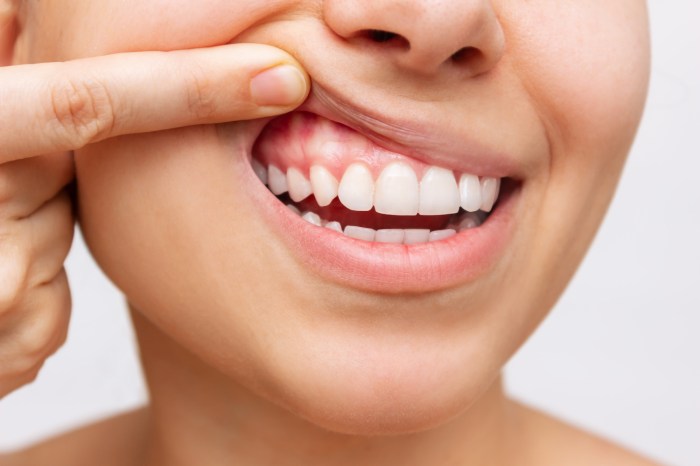
Maintaining joint flexibility is crucial for overall mobility and quality of life. The health of your joints can be impacted by various factors, including oral health. Let’s explore how oral sensitivity may affect joint health and discover tips for managing both sensitive teeth and gums while keeping joints flexible.
Impact of Oral Health on Joint Flexibility
Poor oral health can lead to inflammation in the body, which may also affect the joints. The bacteria and inflammation from gum disease can contribute to joint pain and stiffness, impacting overall flexibility.
How Oral Sensitivity Affects Joint Health
Individuals with sensitive teeth and gums may avoid certain foods that are hard or crunchy, leading to potential nutrient deficiencies that are essential for joint health. Additionally, the stress and discomfort from oral sensitivity can contribute to muscle tension, affecting joint mobility.
Tips for Maintaining Joint Flexibility with Sensitive Teeth and Gums
- Avoid sugary and acidic foods that can worsen oral sensitivity and contribute to inflammation in the body.
- Stay hydrated to support joint lubrication and overall health.
- Practice good oral hygiene to reduce inflammation and bacteria in the mouth, which can impact joint health.
- Consider using a soft-bristled toothbrush and gentle dental care products to minimize irritation.
Joint-Friendly Exercises for Individuals with Oral Sensitivity
- Low-impact activities such as swimming, yoga, and tai chi can help maintain joint flexibility without putting excessive strain on the body.
- Stretching exercises can improve flexibility and reduce muscle tension, benefiting both oral health and joint mobility.
- Consult with a healthcare professional or physical therapist to develop a personalized exercise plan that considers both oral sensitivity and joint health.
- Proper oral hygiene is essential to prevent bacteria buildup that can negatively impact the digestive system.
- Regular dental check-ups can help identify any issues that may be affecting both oral and digestive health.
- Addressing sensitivity in teeth and gums can improve chewing and overall digestion.
- Opt for softer foods that are easier to chew, such as cooked vegetables, yogurt, and lean meats.
- Avoid foods that are too hot or too cold, as extreme temperatures can trigger sensitivity in teeth and gums.
- Incorporate probiotic-rich foods like yogurt and fermented vegetables to support gut health.
- Stay hydrated by drinking an adequate amount of water throughout the day to aid digestion.
- Eat a diverse range of fruits, vegetables, whole grains, and lean proteins to promote good gut bacteria.
- Avoid excessive consumption of processed foods and sugars, as they can disrupt the balance of gut flora.
- Consider taking a high-quality probiotic supplement to support gut health, especially if you have digestive issues.
- Manage stress through relaxation techniques like meditation or yoga, as stress can negatively impact gut health.
- Brush and floss regularly to prevent the buildup of bacteria in the mouth.
- Use a fluoride-free toothpaste to avoid any potential toxins entering your system.
- Stay hydrated to help flush out toxins from your body.
- Avoid sugary and acidic foods that can harm your teeth and gums.
- Opt for a soft-bristled toothbrush to avoid irritation.
- Consider using a mouthwash specifically designed for sensitive teeth.
- Try oil pulling with coconut or sesame oil to help remove toxins from your mouth.
- Consult with your dentist for safe detox methods tailored to your oral sensitivity.
- Drink green tea, which is rich in antioxidants and can promote detoxification.
- Incorporate foods like garlic, lemon, and cilantro known for their detoxifying properties.
- Practice deep breathing exercises to support the body’s natural detox processes.
- Consider herbal supplements like milk thistle or dandelion root to aid in detoxification.
- Poor oral health, including sensitivity in teeth and gums, can lead to inflammation in the body. This inflammation can contribute to high blood pressure levels.
- Bacteria from oral infections can enter the bloodstream, causing further complications for blood pressure regulation.
- Chronic pain from oral issues can also increase stress levels, leading to elevated blood pressure.
- Regular dental check-ups are essential to address any oral issues promptly and prevent complications.
- Use a soft-bristled toothbrush and toothpaste formulated for sensitive teeth to avoid further irritation.
- Avoid sugary and acidic foods that can exacerbate sensitivity and impact blood pressure negatively.
- Practice stress-reducing techniques like meditation or yoga to manage both oral health issues and blood pressure levels.
- Adopting a balanced diet rich in fruits, vegetables, and lean proteins can support both oral health and blood pressure regulation.
- Regular exercise helps improve circulation and maintain healthy blood pressure levels.
- Avoid tobacco use and limit alcohol consumption, as these habits can worsen oral health and blood pressure issues.
- Stay hydrated and maintain good oral hygiene practices to support overall cardiovascular health.
- Practice good oral hygiene, including gentle brushing and flossing to prevent gum irritation.
- Avoid triggers for sensitivity, such as hot or cold foods, and consult with a dentist for appropriate treatment options.
- Manage stress levels, as stress can contribute to both oral health issues and heart rate irregularities.
- Stay hydrated and maintain a healthy diet to support overall health and reduce inflammation in the body.
- Low-impact exercises like walking, swimming, or cycling can be gentle on the body while still providing cardiovascular benefits.
- Yoga and Pilates can help improve flexibility and strength without putting excessive strain on sensitive teeth and gums.
- Consult with a healthcare provider or fitness professional to create a tailored exercise plan that considers your oral health needs.
- Dental Check-ups: Regular visits to the dentist can help identify any signs of tooth decay, gum disease, or other oral issues.
- X-Rays: These imaging tests can reveal hidden problems such as cavities or impacted teeth.
- Oral Cancer Screening: A thorough examination of the mouth, lips, and throat can detect early signs of oral cancer.
- Early Detection: Detecting problems early can lead to more effective treatment and prevention of complications.
- Promote Overall Health: Oral health is connected to overall health, so addressing dental issues can have positive effects on the entire body.
- Peace of Mind: Regular screenings can provide reassurance and peace of mind knowing that your oral health is being monitored.
- Set Reminders: Use calendars or apps to keep track of when screenings are due.
- Communicate: Inform your healthcare provider about any concerns or symptoms you may be experiencing.
- Follow Instructions: Follow any specific instructions provided by your dentist or healthcare professional before the screening.
- Vaccinations help strengthen the immune system, reducing the risk of infections that can affect oral health.
- By preventing certain diseases, vaccinations can also indirectly protect the teeth and gums from potential complications.
- Individuals with oral sensitivity may be more susceptible to infections, making vaccinations even more important for their overall well-being.
- Vaccinations can help prevent oral infections, such as periodontal disease, by boosting the body’s immune response.
- Reducing the risk of infections can also contribute to better oral hygiene practices and overall oral health maintenance.
- Some vaccines may have direct benefits for oral health, such as protecting against certain viruses that can lead to oral lesions or other dental issues.
- It is recommended for individuals with oral sensitivity to stay up-to-date on routine vaccinations, including the flu shot and tetanus vaccine.
- Specific vaccines, such as the hepatitis B vaccine, may be particularly important for individuals with oral health concerns due to its impact on liver health.
- Consulting with a healthcare provider can help determine the most appropriate vaccinations based on individual health needs and oral sensitivity.
- Regularly updating vaccinations helps ensure continued protection against preventable diseases, benefiting both oral health and overall immunity.
- Staying current with vaccinations can also contribute to a healthier community by reducing the spread of infectious diseases.
- For individuals with sensitive teeth and gums, maintaining vaccination schedules is essential for comprehensive health management and disease prevention.
- Brush teeth gently using a soft-bristled toothbrush and fluoride toothpaste to avoid irritating sensitive areas.
- Floss daily to remove food particles and plaque buildup that can contribute to sensitivity and gum issues.
- Avoid acidic foods and beverages that can wear down enamel and increase sensitivity.
- Stay hydrated and limit sugary snacks to maintain optimal oral health.
- Quit smoking and limit alcohol consumption to reduce inflammation and improve overall health.
- Set reminders or create a schedule to ensure regular brushing, flossing, and dental check-ups.
- Seek advice from a dentist or oral health professional for personalized recommendations and guidance.
- Practice stress-reducing techniques like yoga or meditation to prevent teeth grinding and jaw clenching.
- Choose oral care products specifically designed for sensitive teeth and gums.
- Start and end your day with thorough oral care, including gentle brushing and flossing.
- Follow a balanced diet rich in nutrients that support healthy teeth and gums.
- Avoid excessive consumption of hot or cold foods that can trigger sensitivity.
- Maintain regular dental appointments for professional cleanings and check-ups.
- Avoiding hormone-disrupting chemicals in personal care products and household items can help maintain hormonal balance.
- Eating a balanced diet rich in nutrients and antioxidants can support hormonal health and overall well-being.
- Regular exercise and stress management techniques like yoga or meditation can help regulate hormone levels.
- Consulting with a healthcare provider about hormone replacement therapy or natural remedies may be beneficial for balancing hormones.
- Health coaches can educate individuals on proper oral hygiene techniques tailored to sensitive teeth and gums.
- They can provide guidance on selecting the right oral care products that are gentle yet effective.
- Health coaches can work with individuals to develop lifestyle changes that promote oral health, such as diet modifications and stress management techniques.
- They can offer support and motivation to help individuals stay consistent with their oral care routines and habits.
- Setting fitness goals provides a sense of direction and purpose, helping individuals stay on track with their health and wellness journey.
- Having specific fitness goals can help individuals monitor their progress, celebrate achievements, and make necessary adjustments to their routines.
- Regular physical activity can improve oral health by reducing stress levels, promoting better sleep, and enhancing overall mood and well-being.
- Start slow and gradually increase the intensity of your workouts to avoid putting too much strain on your teeth and gums.
- Choose low-impact exercises like swimming, yoga, or cycling to protect your teeth and gums while still getting a good workout.
- Stay hydrated during exercise to help maintain saliva flow, which is essential for oral health.
- Avoid acidic foods and beverages that can erode tooth enamel and exacerbate sensitivity.
- Limit sugary snacks and drinks, as they can contribute to tooth decay and sensitivity.
- Incorporate calcium-rich foods like dairy products, leafy greens, and almonds to strengthen teeth.
- Include vitamin C-rich foods such as citrus fruits and bell peppers to promote gum health.
- Focus on whole foods like fruits, vegetables, whole grains, and lean proteins for overall oral health.
- Drink plenty of water throughout the day to help rinse away food particles and maintain saliva production.
- Avoid excessive consumption of sticky or hard foods that can cause discomfort for sensitive teeth and gums.
- Consult with a dentist or nutritionist to develop a personalized diet plan that addresses your specific oral health needs.
- Yogurt: Rich in probiotics that promote good bacteria in the mouth and enhance gum health.
- Salmon: High in omega-3 fatty acids, which reduce inflammation and support overall oral health.
- Apples: Crisp texture and high water content help clean teeth and stimulate saliva production.
- Carrots: Crunchy texture acts as a natural toothbrush and promotes healthy gums.
- Calcium: Helps to strengthen teeth and bones, reducing sensitivity and the risk of tooth decay.
- Vitamin D: Aids in the absorption of calcium and promotes overall oral health.
- Coenzyme Q10: Can help reduce inflammation in the gums and support gum health.
- Omega-3 fatty acids: Known for their anti-inflammatory properties, they can help reduce gum inflammation and sensitivity.
- Consult with a healthcare provider or dentist before starting any new supplements to determine the right ones for your oral health needs.
- Take supplements as directed and do not exceed recommended dosages to prevent potential side effects.
- Incorporate supplements into your daily routine by setting reminders or taking them with meals to improve absorption.
- Monitor your oral health progress and consult with your healthcare provider or dentist regularly to adjust supplement intake as needed.
- Practicing deep breathing exercises can help relax the mind and body, reducing overall stress levels that may contribute to oral health problems.
- Engaging in mindfulness techniques, such as meditation or yoga, can also promote relaxation and calmness, benefiting both mental well-being and oral sensitivity.
- Belly Breathing: Focus on breathing deeply into your diaphragm, expanding your belly as you inhale and contracting it as you exhale. This technique can help reduce tension and promote relaxation.
- 4-7-8 Breathing: Inhale for a count of 4, hold your breath for a count of 7, and exhale for a count of 8. This exercise can help calm the nervous system and reduce stress levels.
- Tooth decay: Sensitive teeth are more prone to decay due to weakened enamel.
- Gum disease: Sensitivity can be a sign of gum inflammation or infection.
- Oral infections: Bacteria can easily penetrate sensitive areas, leading to infections.
- Brush your teeth gently with a soft-bristled toothbrush at least twice a day.
- Use fluoride toothpaste to strengthen enamel and reduce sensitivity.
- Floss daily to remove plaque and prevent gum disease.
- Avoid acidic foods and drinks that can wear down enamel.
- Visit your dentist regularly for check-ups and professional cleanings.
- Use a soft-bristled toothbrush and gentle brushing techniques to avoid exacerbating sensitivity.
- Avoid acidic foods and beverages that can further irritate sensitive teeth.
- Consider using desensitizing toothpaste or mouthwash to help alleviate pain.
- Apply a cold compress to the outside of the cheek to reduce inflammation and numb the area.
- Rinse your mouth with warm salt water to reduce inflammation and relieve pain.
- Avoid extreme temperatures in food and beverages to prevent triggering sensitivity.
- Practice relaxation techniques such as deep breathing or meditation to manage pain and stress levels.
- Emphasis on prevention: Holistic dentistry focuses on preventing oral health problems by promoting good dental hygiene practices and overall wellness.
- Use of natural remedies: Holistic practitioners may recommend natural remedies such as herbal toothpaste, essential oils, or homeopathic remedies to alleviate sensitivity and improve oral health.
- Diet and lifestyle modifications: Holistic care encourages a healthy diet rich in nutrients that support dental health, as well as stress-reducing practices and lifestyle adjustments to promote overall wellness.
- Mind-body connection: Holistic dentistry recognizes the influence of mental and emotional well-being on oral health, emphasizing relaxation techniques and mindfulness practices to reduce stress and improve overall health.
- Promotes overall well-being: By considering the whole person, holistic care can improve not just oral health but also general health and wellness.
- Minimizes side effects: Natural remedies used in holistic treatments often have fewer side effects compared to traditional dental treatments, promoting a gentler approach to oral care.
- Addresses underlying causes: Holistic care aims to identify and address the root causes of oral health issues, leading to long-term solutions rather than temporary fixes.
- Patient-centered approach: Holistic practitioners prioritize patient education, empowerment, and involvement in their treatment plans, fostering a collaborative and personalized approach to care.
- Acupuncture: Acupuncture can help alleviate tooth sensitivity and gum inflammation by balancing the body’s energy flow and promoting overall wellness.
- Nutritional counseling: Holistic practitioners may offer nutritional guidance to support oral health, recommending foods rich in vitamins and minerals essential for strong teeth and gums.
- Aromatherapy: Essential oils like clove or peppermint can be used to reduce oral pain and inflammation, providing a natural alternative to conventional pain-relief methods.
- Research online: Look for holistic dentists or practitioners in your area who specialize in providing natural and holistic approaches to oral care.
- Ask for recommendations: Seek referrals from friends, family, or healthcare providers who have experience with holistic dental care.
- Check credentials: Ensure that the practitioner has the necessary qualifications and certifications in holistic dentistry to provide safe and effective treatments.
- Practice mindfulness and meditation to reduce stress and promote relaxation.
- Engage in regular physical exercise to release endorphins and boost mood.
- Seek support from friends, family, or a therapist to talk about your feelings and concerns.
- Develop a positive mindset by focusing on gratitude and positive affirmations.
Digestive Health
Maintaining good digestive health is essential for overall well-being, and it is closely connected to oral health. The state of our teeth and gums can have a significant impact on our digestive system, influencing how we break down food and absorb nutrients.
Individuals with sensitive teeth and gums may experience challenges that affect their digestion, making it crucial to adopt specific dietary and lifestyle habits to support both oral and digestive health.
Connection Between Oral Health and Digestive Health
The health of our mouth, including our teeth and gums, plays a vital role in the digestive process. Digestion begins in the mouth, where enzymes in saliva start breaking down food before it reaches the stomach. If teeth and gums are sensitive or inflamed, chewing and swallowing food properly can become difficult, leading to poor digestion and potential nutrient deficiencies.
Dietary Tips for Good Digestive Health
Making wise food choices is key to supporting digestive health, especially for individuals with oral sensitivity. Here are some dietary tips to promote good digestion while caring for sensitive teeth and gums:
Maintaining a Healthy Gut
In addition to focusing on oral care, it is essential to maintain a healthy gut to support overall digestive health. Here are some tips to keep your gut happy and functioning optimally:
Detox Process
Maintaining good oral health is crucial for supporting the body’s natural detoxification process. The health of your teeth and gums can have a significant impact on your overall well-being. Here, we will explore how oral hygiene plays a role in detoxification and provide tips for promoting detox while managing sensitive teeth and gums.
Impact of Oral Health on Detoxification
Oral health is closely linked to the body’s detox process. Poor oral hygiene can lead to the accumulation of harmful bacteria in the mouth, which can then travel to other parts of the body through the bloodstream. This can put a strain on the liver and other detox organs, affecting their ability to effectively eliminate toxins from the body.
Role of Oral Hygiene in Supporting Detox
Tips for Promoting Detox with Sensitive Teeth and Gums
Natural Detox Methods Safe for Oral Sensitivity
Blood Pressure: How To Care For Sensitive Teeth And Gums
Maintaining healthy blood pressure is crucial for overall well-being. The relationship between oral health and blood pressure is often overlooked, but there is a clear connection between the two. Issues like sensitive teeth and gums can actually impact blood pressure levels, so it’s important to address oral health to support overall cardiovascular health.
Impact of Oral Health on Blood Pressure
Managing Blood Pressure with Sensitive Teeth and Gums
Lifestyle Changes for Healthy Blood Pressure and Oral Care
Heart Rate
Maintaining healthy teeth and gums is not only essential for oral health but can also impact other areas of the body, including heart health. Sensitivity in teeth and gums can have a direct influence on heart rate, as the body may respond to pain or discomfort in the mouth by increasing heart rate.
It is crucial to manage oral sensitivity properly to maintain a healthy heart rate.
Impact of Oral Health on Heart Rate
Poor oral health, including issues like sensitivity in teeth and gums, can lead to inflammation in the body. This inflammation can affect the cardiovascular system, potentially increasing the risk of heart disease and impacting heart rate. It is important to address oral health issues promptly to reduce the risk of complications.
Maintaining a Healthy Heart Rate with Oral Sensitivity
Cardiovascular Exercises for Individuals with Sensitive Teeth and Gums
Health Screenings
Regular health screenings are essential for individuals with sensitive teeth and gums to detect any potential oral health issues early on. These screenings can help in maintaining overall well-being by addressing problems before they escalate.
Recommended Screenings for Oral Health
Benefits of Health Screenings
Tips for Scheduling and Preparing for Screenings
Vaccination Programs
Vaccination programs play a crucial role in maintaining overall health, including for individuals with sensitive teeth and gums. These programs are designed to protect against various diseases and infections, which can impact oral health and overall immunity.
Relevance of Vaccination Programs
Impact of Vaccinations on Oral Health
Recommended Vaccinations for Those with Oral Sensitivity
Importance of Staying Up-to-Date with Vaccination Programs
Healthy Habits
Maintaining healthy habits is crucial for individuals with sensitive teeth and gums as it can help alleviate discomfort, prevent further damage, and promote overall oral health. By adopting specific lifestyle practices and routines, individuals can effectively manage their oral sensitivity and improve their well-being.
Importance of Healthy Habits
Healthy habits play a significant role in managing sensitive teeth and gums. By following a consistent oral care routine and making smart lifestyle choices, individuals can reduce pain, inflammation, and sensitivity while also preventing dental issues.
Lifestyle Practices for Oral and Overall Health
Tips for Developing Healthy Habits
Daily Routines for Well-being
Balanced Hormones
Maintaining balanced hormones is crucial for overall health, including oral health. Hormonal changes can impact the sensitivity of teeth and gums, leading to discomfort and potential oral health issues. Here are some tips for managing sensitive teeth and gums while balancing hormones:
Connection between Oral Health and Hormonal Balance
There is a strong connection between oral health and hormonal balance. Hormonal imbalances, such as during puberty, pregnancy, or menopause, can lead to increased oral sensitivity and gum inflammation. Fluctuating hormone levels can make the gums more susceptible to irritation and infection, affecting overall oral health.
Tips for Balancing Hormones and Managing Oral Sensitivity
Impact of Hormonal Balance on Oral Health
When hormones are balanced, it can positively impact oral health by reducing inflammation, improving gum health, and decreasing tooth sensitivity. Hormonal balance plays a significant role in maintaining healthy teeth and gums, contributing to overall well-being.
Health Coaching
Health coaching plays a crucial role in supporting individuals with sensitive teeth and gums by providing personalized guidance and strategies to improve oral health outcomes.
Health coaches can help individuals with oral sensitivity by creating customized plans that address their specific needs and challenges, leading to better overall oral health.
Benefits of Health Coaching for Oral Sensitivity
Fitness Goals
Setting fitness goals is crucial for individuals with sensitive teeth and gums as it helps them stay motivated, focused, and committed to their overall health and well-being. Physical activity plays a significant role in improving oral health and can positively impact one’s overall quality of life.
It can help reduce inflammation, improve circulation, and boost immune function, all of which are beneficial for individuals with oral sensitivity.
Importance of Setting Fitness Goals
Tips for Achieving Fitness Goals
Examples of Fitness Routines
| Day | Activity | Duration |
|---|---|---|
| Monday | Yoga | 30 minutes |
| Wednesday | Swimming | 45 minutes |
| Friday | Cycling | 60 minutes |
Diet Planning
Maintaining oral health is crucial for individuals with sensitive teeth and gums, and diet planning plays a significant role in achieving this. By making informed dietary choices, one can manage oral sensitivity and support overall dental care effectively.
Dietary Considerations to Manage Oral Sensitivity
Tips for Creating a Balanced Diet Plan for Dental Care
Examples of Foods Beneficial for Oral Health and Suitable for Sensitive Teeth and Gums
Health Supplements
Health supplements can play a vital role in supporting oral health, especially for individuals with sensitive teeth and gums. These supplements can provide essential nutrients that may not be obtained through diet alone, helping to strengthen teeth and gums and reduce sensitivity.
Specific Supplements for Oral Sensitivity
Safety and Effectiveness of Health Supplements
When choosing health supplements for dental care, it is important to consult with a healthcare provider or dentist to ensure safety and effectiveness. While supplements can be beneficial, it is crucial to follow recommended dosages and guidelines to avoid any adverse effects.
Tips for Incorporating Supplements into Routine
Breathing Techniques
Breathing techniques play a crucial role in promoting overall well-being, including oral health. By incorporating specific breathing exercises into your daily routine, you can effectively manage stress levels, which in turn can help alleviate issues related to sensitive teeth and gums.
Impact of Stress on Oral Health
Stress can have a significant impact on oral health, leading to conditions like teeth grinding, jaw clenching, and gum disease. These issues can exacerbate sensitivity in the teeth and gums, making it essential to find ways to manage stress effectively.
Breathing Exercises for Oral Sensitivity
Incorporating specific breathing exercises can further support oral health and alleviate sensitivity in the teeth and gums. Here are some examples of breathing techniques that you can practice:
Incorporating Breathing Techniques into Daily Oral Care Routine
To make the most of breathing techniques for oral sensitivity, consider integrating them into your daily oral care routine. You can practice these exercises while brushing your teeth, during your morning and evening oral hygiene routine, or whenever you feel stressed or anxious.Remember, taking care of your mental well-being through breathing techniques can have a positive impact on your oral health, including addressing issues related to sensitive teeth and gums.
Disease Prevention
Preventing diseases is crucial for individuals with sensitive teeth and gums as it can help avoid further complications and discomfort in oral health.
Common health conditions that may be linked to oral sensitivity include:
Tips for Preventing Diseases Through Good Oral Hygiene Practices
Role of Disease Prevention in Maintaining Overall Health
Good oral hygiene practices not only prevent dental issues but also contribute to overall health by reducing the risk of systemic diseases.
Pain Management
Pain associated with sensitive teeth and gums can be quite distressing and affect your overall well-being. It is crucial to have effective strategies in place to manage this discomfort and seek professional help when needed.
Strategies for Managing Pain
Impact of Pain on Oral Health and Overall Well-being
Persistent dental pain can lead to difficulty eating, speaking, and carrying out daily activities comfortably. It can also impact your emotional well-being, causing stress and anxiety.
Tips for Alleviating Dental Pain
When to Seek Professional Help
If you experience severe or persistent dental pain despite home remedies, it is essential to consult a dentist promptly. They can identify the underlying cause of your sensitivity and provide appropriate treatment.
Holistic Treatments
Holistic treatments for individuals with sensitive teeth and gums focus on addressing the root causes of oral health issues rather than just treating symptoms. By taking into account the interconnectedness of the body and mind, holistic care aims to promote overall well-being and balance.
Principles of Holistic Care
Benefits of Holistic Care for Oral Health
Examples of Holistic Approaches
Finding Qualified Practitioners
Mental Resilience
Building mental resilience is crucial for individuals with sensitive teeth and gums as it helps them cope with the challenges that come with oral sensitivity. Stress and emotional well-being play a significant role in oral health, impacting the overall well-being of an individual.
Here are some tips and techniques to enhance mental resilience and promote better oral health:
Importance of Mental Resilience
Mental resilience is essential for individuals with sensitive teeth and gums as it helps in managing stress, anxiety, and emotional triggers that can worsen oral sensitivity. By developing mental strength, individuals can better navigate through oral health issues and maintain overall well-being.
Tips for Building Mental Resilience
Techniques for Promoting Mental Strength
One effective technique is deep breathing exercises, which can help calm the mind and reduce anxiety levels.
Another technique is cognitive reframing, where individuals challenge negative thoughts and replace them with more positive and empowering beliefs.
Setting boundaries and practicing self-care are also essential for maintaining mental resilience and emotional well-being.
Conclusive Thoughts
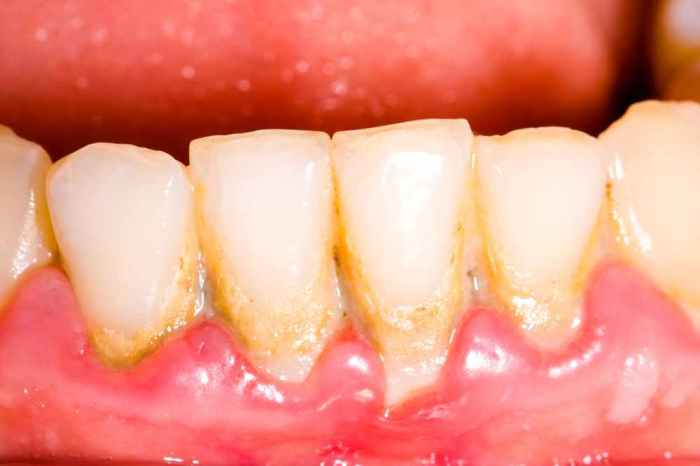
In conclusion, caring for sensitive teeth and gums is essential for overall oral health. By following the tips and advice Artikeld here, you can effectively manage oral sensitivity and maintain a healthy smile.
General Inquiries
What are some common causes of sensitive teeth and gums?
Common causes include enamel erosion, gum recession, and tooth decay.
How often should I visit the dentist for sensitive teeth and gums?
It is recommended to have regular dental check-ups every six months to monitor and address any oral sensitivity issues.
Can herbal remedies help with sensitive teeth and gums?
Certain herbs like chamomile and aloe vera can provide relief for sensitive teeth and gums, but it’s important to consult with a dentist before using them.