Benefits of herbal remedies for managing pain sets the stage for this enthralling narrative, offering readers a glimpse into a story that is rich in detail and brimming with originality from the outset. Herbal remedies have long been used to alleviate pain and discomfort, providing a natural alternative to traditional medication.
In this comprehensive guide, we delve into the world of herbal remedies and their profound impact on managing pain effectively.
As we explore the benefits of herbal remedies in pain management, we uncover the synergistic relationship between nature’s healing powers and our quest for holistic well-being. From ancient traditions to modern practices, herbal remedies continue to offer a ray of hope for those seeking relief from various types of pain.
Wellness Programs
Wellness programs play a crucial role in promoting overall health by focusing on preventive measures, healthy lifestyle choices, and holistic well-being.
Examples of Wellness Programs Incorporating Herbal Remedies
- Yoga Retreats: Many wellness programs, such as yoga retreats, incorporate the use of herbal remedies like turmeric or ginger for managing pain and inflammation. These programs combine physical activity, mindfulness practices, and herbal treatments for a comprehensive approach to well-being.
- Naturopathic Clinics: Naturopathic wellness programs often include herbal remedies such as arnica or lavender for pain relief. These clinics offer personalized treatment plans that combine herbal medicine, nutrition, and lifestyle modifications to address the root causes of pain.
Benefits of Combining Herbal Remedies with Wellness Activities
Combining herbal remedies with other wellness activities provides a holistic approach to well-being, addressing both the physical and mental aspects of pain management.
- Enhanced Pain Relief: Herbal remedies can complement traditional wellness activities like yoga, meditation, or massage therapy to enhance pain relief and promote relaxation.
- Reduced Dependence on Medications: Integrating herbal remedies into wellness programs can help reduce the reliance on pharmaceutical medications for pain management, minimizing potential side effects and long-term risks.
- Improved Quality of Life: By incorporating herbal remedies into wellness activities, individuals can experience improved overall health, increased energy levels, and a better quality of life, leading to a more balanced and fulfilling lifestyle.
Herbal Remedies
Herbal remedies have been used for centuries to manage pain and promote overall wellness. These natural alternatives offer a variety of benefits without the side effects often associated with pharmaceutical options.
Common Herbal Remedies
- Arnica: Known for its anti-inflammatory properties, arnica is commonly used topically to reduce pain and swelling.
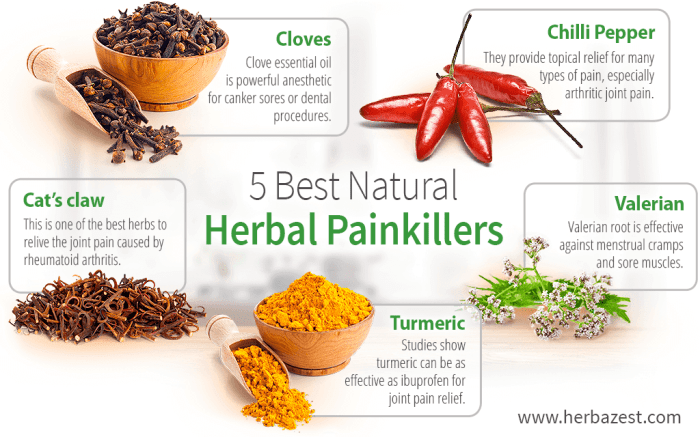
- Turmeric: Contains curcumin, a compound with powerful anti-inflammatory effects that can help alleviate pain.
- Chamomile: Often used in teas or essential oils, chamomile can help relax muscles and relieve tension-related pain.
- Devil’s Claw: Native to Africa, devil’s claw is known for its pain-relieving properties, particularly for arthritis and back pain.
Mechanisms of Action
Herbal remedies work through various mechanisms to alleviate pain. For example, some herbs have anti-inflammatory properties that can reduce swelling and discomfort. Others may act on the central nervous system to block pain signals or promote relaxation, leading to pain relief.
Effectiveness Compared to Pharmaceuticals
While pharmaceutical pain management options can provide quick and potent relief, they often come with side effects and risks. Herbal remedies, on the other hand, are generally considered safer and have fewer adverse effects. However, the effectiveness of herbal remedies may vary from person to person, and it may take longer to experience noticeable results compared to pharmaceuticals.
Skin Health
Maintaining healthy skin is essential for overall well-being. Herbal remedies play a significant role in promoting skin health by providing nourishment, hydration, and relief from various skin conditions.Exposure to environmental factors, stress, and aging can impact skin health, leading to dryness, irritation, and inflammation.
Herbal remedies offer natural solutions to address these concerns, supporting the skin’s ability to regenerate and heal.
Herbs for Skin Health and Pain Relief
- Aloe Vera: Known for its soothing and moisturizing properties, aloe vera helps to hydrate the skin and reduce inflammation, providing relief from pain and discomfort.
- Calendula: With anti-inflammatory and antiseptic properties, calendula promotes healing of wounds, cuts, and other skin irritations, alleviating pain and promoting skin health.
- Lavender: Lavender essential oil is renowned for its calming and healing effects on the skin, reducing pain, redness, and inflammation while promoting relaxation.
Importance of Skin Health in Overall Well-being
Skin health is not just about appearance but also plays a crucial role in maintaining overall well-being. The skin serves as a protective barrier against harmful pathogens and environmental stressors, making it essential to keep it healthy and nourished.
Bone Density
Maintaining healthy bone density is essential for overall health and mobility. Herbal remedies can play a significant role in improving bone density and reducing pain associated with bone-related conditions.
Herbs for Improving Bone Density
- Nettle: Rich in calcium, magnesium, and silica, nettle is known for promoting bone health and density.
- Horsetail: Contains silica, which is crucial for bone strength and density.
- Red Clover: Helps in maintaining bone density and can reduce inflammation and pain.
Importance of Bone Density for Health
Maintaining optimal bone density is crucial for preventing fractures, osteoporosis, and other bone-related issues. Strong bones are essential for supporting the body’s structure and overall mobility.
Muscle Mass
Herbal remedies play a crucial role in supporting muscle health and reducing pain. Muscle mass is essential for overall strength and mobility, making it a key aspect of wellness and pain management.
Herbal Remedies for Promoting Muscle Mass and Strength
- Ashwagandha: Known for its ability to increase muscle mass and strength, ashwagandha is a powerful herb that can help support overall muscle health.
- Ginseng: Ginseng is another herbal remedy that has been linked to improved muscle performance and strength, making it a popular choice for those looking to enhance their muscle mass.
- Turmeric: With its anti-inflammatory properties, turmeric can help reduce muscle pain and inflammation, supporting muscle recovery and growth.
Significance of Muscle Health in Pain Management and Overall Wellness
Muscle health is vital for pain management as strong muscles can help support and protect joints, reducing the risk of injuries and chronic pain. Additionally, maintaining muscle mass can improve overall mobility, balance, and functionality, contributing to a higher quality of life.
By incorporating herbal remedies that promote muscle mass and strength, individuals can enhance their physical well-being and manage pain more effectively.
Dental Care
Herbal remedies can play a significant role in managing dental pain, providing natural alternatives to conventional treatments.
Specific Herbs for Oral Health
- Peppermint: Known for its antibacterial properties, peppermint can help reduce inflammation and pain in the gums.
- Cloves: Clove oil is commonly used for toothaches due to its analgesic and anti-inflammatory effects.
- Tea Tree Oil: This powerful antibacterial agent can help fight off bacteria that cause gum disease and tooth decay.
Importance of Dental Care
Proper dental care is essential for overall well-being as it can prevent a range of health issues beyond just toothaches. Poor oral health has been linked to cardiovascular disease, diabetes, and other systemic conditions.
Eye Health
Maintaining good eye health is crucial for overall wellness, and herbal remedies can play a significant role in supporting eye health and managing eye pain. These natural remedies can provide relief from common eye issues and contribute to better vision.
Herbs for Good Vision
- Bilberry: Known for its antioxidant properties, bilberry can help improve night vision and overall eye health.
- Eyebright: This herb is often used to relieve eye strain and irritation, promoting clearer vision.
- Ginkgo Biloba: Ginkgo biloba may enhance blood flow to the eyes, reducing the risk of age-related macular degeneration.
- Calendula: Calendula is beneficial for soothing eye inflammation and reducing discomfort.
Connection Between Eye Health, Pain Management, and Holistic Wellness
Herbal remedies for eye health not only address specific eye concerns but also contribute to holistic wellness. By supporting eye health, these remedies can help reduce eye pain and discomfort, improving overall quality of life. Taking care of your eyes through natural means can have a positive impact on your physical and emotional well-being.
Mental Clarity
Herbal remedies have long been utilized to enhance mental clarity and cognitive function. These natural solutions not only support brain health but also play a crucial role in managing pain and overall well-being.
Herbal Remedies for Cognitive Benefits and Pain Management
- Ginkgo Biloba: Known for its ability to improve memory, concentration, and overall cognitive function. It also has anti-inflammatory properties that can help reduce pain perception.
- Turmeric: Contains curcumin, a powerful antioxidant that can enhance brain function and alleviate symptoms of depression. It also has anti-inflammatory effects that may aid in pain management.
- Bacopa Monnieri: This herb is used to enhance memory, focus, and overall cognitive function. It may also help reduce stress and anxiety, leading to improved mental clarity.
These herbal remedies not only boost cognitive function but also have pain-relieving properties that can positively impact overall well-being. By incorporating these natural solutions into your wellness routine, you can experience improved mental clarity, reduced pain perception, and enhanced cognitive abilities.
Joint Flexibility
Maintaining joint flexibility is crucial for overall mobility and pain management. Herbal remedies play a significant role in improving joint flexibility and reducing pain associated with joint issues.
Effective Herbs for Promoting Joint Health
- Turmeric: Known for its anti-inflammatory properties, turmeric can help reduce joint pain and stiffness.
- Ginger: Ginger has been shown to reduce inflammation and alleviate symptoms of arthritis.
- Boswellia: This herb can help improve blood flow to joints and reduce inflammation.
Importance of Maintaining Joint Flexibility, Benefits of herbal remedies for managing pain
Joint flexibility is essential for performing daily activities with ease and preventing injuries. By incorporating herbal remedies that promote joint health, individuals can enhance their overall mobility and reduce discomfort associated with joint pain.
Digestive Health
Digestive health plays a crucial role in our overall wellness and can significantly impact our perception of pain. Herbal remedies have been found to not only manage pain effectively but also promote a healthy digestive system.
Herbs for Digestive Health and Pain Management
- Peppermint: Known for its soothing properties, peppermint can help relieve digestive discomfort and reduce pain associated with conditions like gas and bloating.
- Ginger: A powerful anti-inflammatory herb, ginger can aid in digestion, reduce nausea, and alleviate pain in the digestive tract.
- Turmeric: With its anti-inflammatory and antioxidant properties, turmeric can help reduce pain and inflammation in the digestive system while promoting overall gut health.
- Chamomile: Often used to calm the stomach and relieve digestive issues, chamomile can also help reduce pain and discomfort.
Significance of Digestive Health in Pain Perception
Maintaining a healthy digestive system is essential for managing pain effectively. When our digestive system is functioning optimally, it can help reduce inflammation, improve nutrient absorption, and support overall wellness. A healthy gut can also positively impact our pain perception, as conditions like irritable bowel syndrome (IBS) or dyspepsia can exacerbate pain symptoms.
By incorporating herbal remedies that support digestive health into our pain management regimen, we can experience relief from pain and improve our overall well-being.
Detox Process
Herbal remedies play a crucial role in supporting the body’s detoxification process, which helps eliminate toxins and waste products, ultimately reducing inflammation and alleviating pain. Detoxification is essential for overall health and well-being, as it allows the body to function optimally and maintain a balanced state.
Specific Herbs for Detoxification
- Dandelion: Known for its diuretic properties, dandelion helps the liver detoxify by increasing urine production and promoting the elimination of toxins.
- Milk Thistle: This herb supports liver function and aids in the detoxification process by protecting liver cells from damage and promoting the regeneration of new cells.
- Burdock Root: Burdock root is rich in antioxidants and has anti-inflammatory properties that help eliminate toxins from the blood and improve overall detoxification.
- Nettle: Nettle is a natural diuretic that supports kidney function, helping to flush out toxins and waste products from the body.
Importance of Detoxification
Detoxification is crucial for maintaining optimal health as it supports the body’s natural ability to eliminate harmful substances and waste products. By reducing the toxic burden on organs such as the liver, kidneys, and colon, detoxification can improve overall health, boost immunity, and alleviate pain and inflammation.
Incorporating herbal remedies known for their detoxifying properties can enhance the body’s detox process and promote overall well-being.
Blood Pressure
Herbal remedies can play a significant role in managing blood pressure and reducing associated pain. By incorporating certain herbs into your daily routine, you can help regulate your blood pressure levels naturally, promoting overall wellness.
Examples of Herbs for Regulating Blood Pressure
- Garlic: Known for its ability to help lower blood pressure levels.
- Hawthorn: Supports healthy blood pressure and cardiovascular function.
- Hibiscus: Contains properties that can help lower high blood pressure.
- Olive leaf: May contribute to reducing blood pressure and improving heart health.
Importance of Healthy Blood Pressure for Overall Wellness
Maintaining healthy blood pressure is crucial for overall wellness as it reduces the risk of heart disease, stroke, and other related health issues. By incorporating herbal remedies that support blood pressure regulation, you can enhance your well-being and lead a healthier life.
Heart Rate
Herbal remedies play a significant role in influencing heart rate and can contribute to the management of pain by regulating blood flow and reducing stress on the cardiovascular system.
Herbs for Heart Health
- Ginger: Known for its anti-inflammatory properties, ginger can help improve blood circulation and lower heart rate.
- Hawthorn: Used to support heart health, hawthorn can help regulate heart rate and strengthen cardiovascular function.
- Ginkgo Biloba: Improves blood flow to the heart and brain, enhancing overall cardiovascular health and reducing heart rate.
Connection between Heart Rate and Pain Perception
Heart rate is closely linked to pain perception and overall well-being. When heart rate is elevated due to stress or physical exertion, pain perception can increase, leading to discomfort and reduced quality of life. By using herbal remedies to regulate heart rate, individuals can effectively manage pain and improve their overall health.
Health Screenings
Health screenings play a crucial role in identifying pain-related issues before they escalate into more serious health concerns. These screenings involve various tests and assessments to detect potential problems early on.
Role of Health Screenings in Identifying Pain-Related Issues
Health screenings help in early detection of conditions such as arthritis, osteoporosis, or muscle injuries that could be causing pain. By identifying these issues promptly, individuals can seek appropriate treatment and prevent further complications.
Complementing Health Screenings with Herbal Remedies
- Herbal remedies can complement health screenings by providing natural alternatives for pain management. They can help reduce inflammation, alleviate discomfort, and support the body’s healing process.
- Integrating herbal remedies with traditional medical interventions based on health screening results can offer a holistic approach to managing pain and promoting overall well-being.
Importance of Regular Health Screenings
- Regular health screenings are essential for maintaining overall wellness as they enable early detection of potential health issues, including those related to pain.
- By staying proactive with health screenings, individuals can take preventive measures, make necessary lifestyle adjustments, and seek timely medical intervention to address any pain-related concerns.
Vaccination Programs
Vaccination programs play a crucial role in preventing pain-related illnesses by boosting the body’s immune response to various diseases. They help protect individuals from infections and reduce the severity of symptoms if they do contract a disease.
Herbal Remedies Support for Vaccination Effectiveness
Herbal remedies can complement vaccination programs by supporting the immune system and enhancing the effectiveness of vaccines. Certain herbs contain immune-boosting properties that can help the body mount a stronger response to the antigens present in vaccines.
- Echinacea:Known for its immune-stimulating properties, Echinacea can help enhance the body’s response to vaccines by activating immune cells.
- Ginger:Ginger has anti-inflammatory and antioxidant effects that can support the immune system and improve vaccine efficacy.
- Ginseng:Ginseng is believed to enhance the immune response to vaccines and promote overall immune function.
Healthy Habits
Healthy habits play a crucial role in managing pain and promoting overall well-being. By incorporating herbal remedies into these habits, you can enhance their benefits and support optimal wellness.
Regular Exercise
Engaging in regular physical activity is a healthy habit that can help reduce pain and improve overall health. Herbal remedies such as turmeric or ginger can be used to alleviate exercise-induced inflammation and promote faster recovery.
Proper Nutrition
Eating a balanced diet rich in fruits, vegetables, and whole grains is essential for managing pain and supporting overall well-being. Herbal supplements like fish oil or green tea extract can complement a healthy diet and provide additional anti-inflammatory benefits.
Adequate Sleep
Getting enough restful sleep is crucial for pain management and overall health. Herbal teas like chamomile or valerian root can promote relaxation and improve sleep quality, enhancing the body’s ability to heal and recover.
Stress Management
Reducing stress through techniques like meditation, yoga, or deep breathing exercises can help alleviate pain and improve overall well-being. Herbal remedies such as lavender or passionflower can further enhance relaxation and stress relief.
Hydration
Staying hydrated is important for maintaining proper bodily functions and reducing pain. Herbal infusions like peppermint or hibiscus tea can not only provide hydration but also offer additional health benefits such as anti-inflammatory properties.
Balanced Hormones
Maintaining balanced hormones is crucial for overall health and well-being. Herbal remedies have been used for centuries to help regulate hormones and alleviate pain associated with hormonal imbalances.
Herbs for Hormone Regulation
- Ashwagandha: Known for its adaptogenic properties, ashwagandha helps reduce cortisol levels and balance hormones in the body.
- Maca Root: Maca root is a natural remedy that can help regulate estrogen levels and promote hormonal balance.
- Black Cohosh: This herb is commonly used to alleviate symptoms of menopause by balancing estrogen levels in the body.
Connection between Balanced Hormones and Pain Management
Hormonal imbalances can lead to chronic pain conditions such as menstrual cramps, migraines, and joint pain. By using herbal remedies to regulate hormones, individuals may experience a reduction in pain symptoms associated with hormonal fluctuations.
Overall Health Benefits of Balanced Hormones
Having balanced hormones not only helps manage pain but also improves mood, energy levels, and overall quality of life. Hormone regulation plays a key role in various bodily functions, including metabolism, sleep patterns, and reproductive health.
Health Coaching
Health coaching plays a crucial role in supporting individuals in integrating herbal remedies for pain management into their overall wellness routines. By providing personalized guidance and support, health coaches can help individuals navigate the complexities of incorporating herbal remedies effectively.
Role of Health Coaches in Promoting Holistic Wellness
Health coaches focus on addressing the physical, mental, and emotional aspects of an individual’s well-being. They work with clients to create personalized wellness plans that encompass various elements, including nutrition, exercise, stress management, and herbal remedy usage. By taking a holistic approach to wellness, health coaches help individuals achieve optimal health and well-being.
- Health coaches educate clients about the benefits of herbal remedies for pain relief and how they can complement traditional medical treatments.
- They work closely with clients to develop personalized herbal remedy protocols tailored to their specific needs and health goals.
- Health coaches empower individuals to take charge of their health by providing them with the knowledge and tools they need to make informed decisions about their wellness journey.
Examples of Health Coaching Strategies for Herbal Remedy Usage
Health coaches employ various strategies to support individuals in incorporating herbal remedies for pain relief into their daily routines. These strategies focus on education, empowerment, and accountability to ensure successful integration of herbal remedies.
- Creating customized herbal remedy plans based on individual needs and preferences.
- Offering ongoing support and guidance to help clients navigate challenges and adjust their herbal remedy protocols as needed.
- Encouraging clients to track their progress and outcomes to assess the effectiveness of herbal remedies in managing pain.
Fitness Goals
Herbal remedies play a vital role in helping individuals achieve their fitness goals by aiding in pain management and enhancing overall well-being. The synergy between herbal remedies, exercise, and fitness is crucial for optimizing performance and recovery.
Herbal Remedies for Fitness
Herbal remedies can be a natural and effective way to enhance fitness performance and support pain recovery. Here are some examples of herbal remedies that can benefit individuals striving to achieve their fitness goals:
- Turmeric:Known for its anti-inflammatory properties, turmeric can help reduce exercise-induced muscle soreness and improve recovery time.
- Ginseng:Ginseng is often used to boost energy levels, stamina, and endurance, making it a popular choice for athletes and fitness enthusiasts.
- Arnica:Arnica is commonly used topically to alleviate muscle aches, stiffness, and bruising, making it a valuable remedy for post-workout recovery.
- Boswellia:Boswellia extract has been shown to help reduce joint inflammation and improve mobility, supporting overall joint health during physical activity.
Diet Planning: Benefits Of Herbal Remedies For Managing Pain
When it comes to managing pain, diet planning plays a crucial role in enhancing the effectiveness of herbal remedies. A well-balanced diet can provide the necessary nutrients to support the body’s healing process and reduce inflammation, which can contribute to pain relief.
Complementary Herbs and Diet
Pairing specific herbs with a nutritious diet can amplify the benefits of herbal remedies for pain relief. For example, incorporating turmeric, known for its anti-inflammatory properties, into dishes can complement the effects of herbal supplements targeting pain and inflammation.
Additionally, including omega-3 fatty acids from sources like fish, flaxseeds, and walnuts in your diet can help reduce joint pain and stiffness, working in synergy with herbal remedies aimed at managing these symptoms.
Moreover, consuming a variety of colorful fruits and vegetables rich in antioxidants can support overall health and boost the immune system, aiding in the body’s natural healing processes when using herbal remedies for pain management.
Impact of Diet on Pain Perception
Research suggests that certain foods can either exacerbate or alleviate pain symptoms. By maintaining a diet high in whole foods, lean proteins, and complex carbohydrates, individuals may experience reduced pain perception and improved overall well-being.
Furthermore, avoiding processed foods, sugary beverages, and excessive amounts of caffeine can help minimize inflammation in the body, enhancing the effectiveness of herbal remedies for pain relief.
Health Supplements
Health supplements play a crucial role in enhancing the benefits of herbal remedies for managing pain. They can provide additional support to the body’s natural healing processes and help improve overall well-being.
Role of Health Supplements in Pain Management
- Health supplements can complement herbal remedies by providing essential nutrients that may be lacking in the diet, such as vitamins, minerals, and antioxidants.
- They can help reduce inflammation and promote faster recovery from injuries, thereby aiding in pain relief.
- Certain supplements like omega-3 fatty acids and turmeric can have anti-inflammatory properties, which can be beneficial for managing chronic pain conditions.
Commonly Used Herbal Supplements for Pain Relief
-
Turmeric:
Known for its anti-inflammatory and antioxidant properties, turmeric can help alleviate pain and reduce swelling.
-
Devil’s Claw:
Often used to treat arthritis and lower back pain, Devil’s Claw has been shown to have pain-relieving effects.
-
White Willow Bark:
Contains salicin, a compound similar to aspirin, which can help relieve pain and inflammation.
Breathing Techniques
Breathing techniques can play a crucial role in complementing herbal remedies for managing pain. Proper breathing not only impacts our pain perception but also contributes to overall wellness by promoting relaxation and reducing stress levels.
Impact of Proper Breathing on Pain Perception and Wellness
Proper breathing techniques help in oxygenating the body, which can aid in reducing inflammation and promoting healing. When we breathe deeply and consciously, it can activate the body’s relaxation response, which can help alleviate pain by reducing muscle tension and promoting a sense of calmness.
- Diaphragmatic Breathing: Also known as belly breathing, this technique involves breathing deeply into the diaphragm, allowing the lungs to fully expand. This can help reduce stress and promote relaxation, which can be beneficial for managing pain.
- Alternate Nostril Breathing: This technique involves breathing in through one nostril and out through the other, which can help balance the body’s energy and promote a sense of calmness. It can be used to alleviate pain and reduce tension in the body.
- Box Breathing: This technique involves inhaling for a count of four, holding the breath for a count of four, exhaling for a count of four, and holding the breath again for a count of four. This rhythmic breathing pattern can help reduce stress and promote relaxation, which can be beneficial for pain management.
Disease Prevention
Herbal remedies play a crucial role in disease prevention by boosting the immune system and reducing inflammation, which can help manage pain and prevent various illnesses. Incorporating specific herbs into your wellness routine can provide an added layer of protection against common health issues.
Herbs with Preventive Properties
- Garlic: Known for its antimicrobial properties, garlic can help prevent infections and support cardiovascular health.
- Ginger: With its anti-inflammatory effects, ginger can aid in reducing pain and lowering the risk of chronic diseases.
- Turmeric: Curcumin, the active compound in turmeric, has potent antioxidant properties that can protect cells from damage and reduce the risk of cancer.
- Echinacea: Widely used to boost the immune system, echinacea can help prevent colds and flu by enhancing the body’s natural defenses.
- Ginseng: This adaptogenic herb can improve overall health and increase resilience to stress, thereby reducing the risk of stress-related illnesses.
Importance of Disease Prevention
Disease prevention is essential for maintaining optimal health and well-being. By incorporating herbal remedies with preventive properties into your daily routine, you can proactively safeguard your body against various illnesses and conditions. Preventing diseases not only reduces the burden on the healthcare system but also allows you to lead a more active and fulfilling life.
Pain Management
Herbal remedies have been used for centuries to manage pain effectively. They offer a natural alternative to conventional pain medications, providing relief with fewer side effects.
Different Approaches to Pain Management
When it comes to pain management, herbal remedies focus on treating the root cause of the pain rather than just masking the symptoms. They work to reduce inflammation, improve circulation, and promote healing in the body.
- Herbs like turmeric and ginger are known for their anti-inflammatory properties, making them effective in reducing pain caused by conditions like arthritis.
- White willow bark contains a compound similar to aspirin, providing relief from headaches, muscle aches, and menstrual cramps.
- Valerian root and passionflower are used to alleviate nerve pain and promote relaxation, aiding in conditions like sciatica or neuropathy.
Benefits of Herbal Remedies vs. Conventional Pain Medications
Herbal remedies offer several advantages over conventional pain medications. They are often gentler on the body, have fewer side effects, and can be used long-term without the risk of dependency.
- Unlike opioids, herbal remedies do not cause addiction or tolerance, making them a safer option for chronic pain management.
- Many herbs have additional health benefits beyond pain relief, such as improving digestion, boosting immunity, or reducing stress.
- Herbal remedies are more sustainable and environmentally friendly compared to pharmaceutical drugs, as they are often plant-based and renewable.
Examples of Effective Herbal Remedies
There is a wide range of herbal remedies that can be used to manage different types of pain, each targeting specific symptoms or conditions.
-
Turmeric:
Known for its powerful anti-inflammatory properties, turmeric is effective in reducing pain and swelling associated with arthritis and joint pain.
-
Arnica:
This herb is commonly used topically to relieve muscle aches, sprains, and bruises, promoting faster recovery after injuries.
-
Chamomile:
Chamomile tea can help alleviate tension headaches, migraines, and menstrual cramps, providing a calming effect on the body.
Holistic Treatments
Holistic treatments encompass a comprehensive approach to addressing pain by considering the physical, emotional, and spiritual aspects of an individual. By incorporating herbal remedies into these treatments, individuals can experience relief on multiple levels, promoting overall well-being.
Holistic Approach to Pain Management
Holistic treatments for pain management focus on the root causes of pain rather than just alleviating symptoms. Herbal remedies are used in conjunction with other holistic practices such as acupuncture, massage therapy, chiropractic care, and mindfulness techniques to provide a well-rounded approach to pain relief.
- Acupuncture: Acupuncture is a traditional Chinese medicine practice that involves inserting thin needles into specific points on the body to alleviate pain and promote healing. When combined with herbal remedies, acupuncture can enhance the effectiveness of pain management.
- Massage Therapy: Massage therapy helps relax muscles, improve circulation, and reduce tension, leading to pain relief. Herbal oils and creams can be used during massages to further enhance the therapeutic benefits.
- Chiropractic Care: Chiropractic adjustments focus on aligning the spine and musculoskeletal system to alleviate pain and improve overall function. Herbal supplements can support the body’s healing process alongside chiropractic treatments.
- Mindfulness Techniques: Practices such as meditation, deep breathing exercises, and yoga can help individuals manage pain by reducing stress and promoting relaxation. Herbal teas or supplements that promote relaxation can complement these techniques.
Mental Resilience
Herbal remedies play a crucial role in supporting mental resilience when coping with pain. The connection between mental resilience, pain perception, and the use of herbal remedies is a fascinating area to explore. By understanding how certain herbs promote mental well-being and resilience, individuals can better manage pain and improve their overall quality of life.
Herbs for Mental Well-Being
- One example of an herb that promotes mental resilience is Ashwagandha. This adaptogenic herb helps the body adapt to stress and reduce anxiety, which can be beneficial in managing pain.
- Another herb, St. John’s Wort, is known for its mood-boosting properties and can help alleviate symptoms of depression and anxiety often associated with chronic pain.
- Passionflower is a herb that can calm the mind and reduce feelings of restlessness or agitation, which can be helpful in maintaining mental resilience during painful episodes.
- Valerian root is a natural sedative that can aid in relaxation and promote better sleep, contributing to enhanced mental clarity and resilience in the face of pain.
Final Summary

In conclusion, the benefits of herbal remedies for managing pain extend far beyond mere symptom relief. By embracing the healing properties of nature, we pave the way for a healthier, more balanced approach to pain management. As we navigate the intricacies of herbal remedies, let us remember the profound impact they can have on our overall well-being and quality of life.
FAQ Insights
Are herbal remedies safe for managing pain?
When used correctly and in moderation, herbal remedies can be a safe and effective way to manage pain. It’s important to consult with a healthcare professional before incorporating them into your pain management routine.
Can herbal remedies be used in conjunction with other pain management methods?
Absolutely! Herbal remedies can complement other pain management techniques such as physical therapy, acupuncture, or medication. They offer a holistic approach to pain relief.
Do herbal remedies have any side effects?
While generally considered safe, some herbal remedies may have side effects or interact with certain medications. It’s crucial to research and understand the potential risks before using them for pain management.
How long does it take to experience the benefits of herbal remedies for pain?
The time it takes to feel the effects of herbal remedies can vary depending on the individual, the type of remedy used, and the severity of the pain. It’s essential to be patient and consistent in your approach.
Are herbal remedies regulated by health authorities?
Herbal remedies are not as strictly regulated as pharmaceutical drugs. It’s important to purchase them from reputable sources and be aware of any potential risks associated with their use.